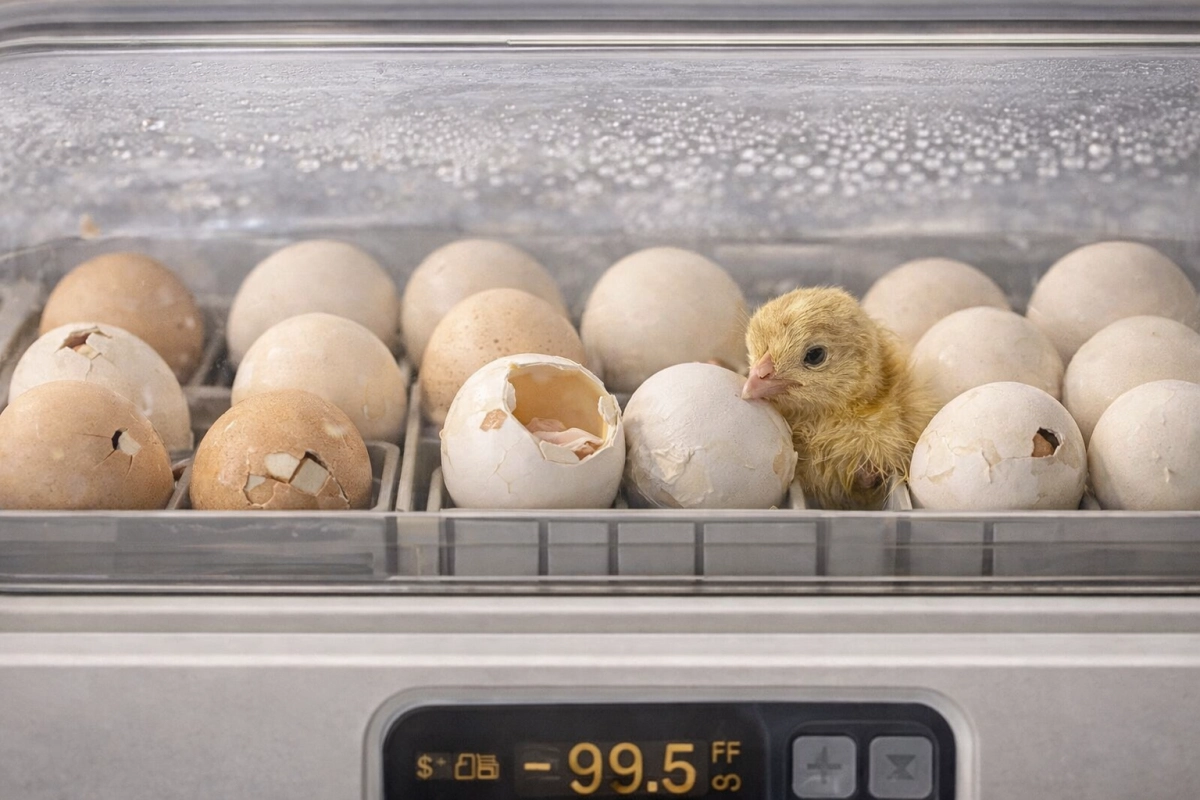
The last 2–3 days of incubation (aka “lockdown”) are where a lot of hatches get won… or quietly lost. And the frustrating part? Most people don’t lose eggs because they “did everything wrong.” They lose hatch success because humidity gets unstable right when chicks need it most.
If you’re searching for how to help chick hatch, here’s the honest answer most hatchers learn the hard way: the best “help” is usually steady humidity and hands off—especially once pipping starts.
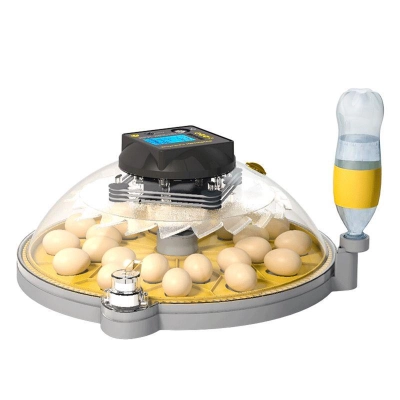
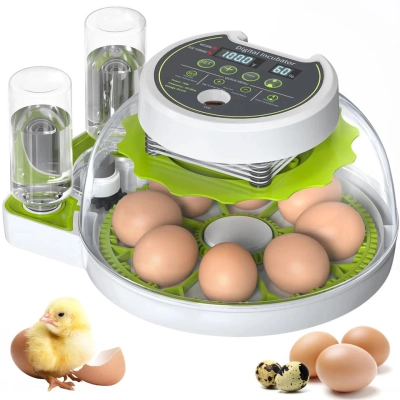
A stable setup makes this easier. Many EggBloom customers use our Egg Incubator because it supports a more consistent environment so you’re not constantly chasing numbers.
What “Lockdown” Really Means (and Why It Matters)
Lockdown is the final hatch window—typically the last 3 days for chicken eggs. During this time:
- Egg turning stops so the chick can position for hatch.
- Humidity is raised to keep membranes from drying out.
- The incubator stays closed as much as possible to prevent sudden drops in humidity.
Why Frequent Lid Opening Can Harm the Hatch
1) Humidity drops fast, right when the membranes need moisture
Once a chick pips (cracks the shell), moisture can escape quickly. If humidity drops, the inner membranes can dry and tighten. That can make it harder for the chick to rotate and “zip” around the shell.
2) Opening the lid creates a “yo-yo” environment
A quick peek feels harmless—but repeated peeks cause repeated humidity swings. The incubator may recover slowly, and that instability often hits during the exact window when a pipped chick is doing the most work.
3) It encourages panic decisions
When you see a pip and no progress for a while, it’s tempting to intervene. But many chicks take breaks during hatch. If you’re trying to help chick hatch, the smarter move is usually to stabilize the environment and give it time.
What Humidity Should Be During Hatch?
For chicken eggs, mainstream extension-style guidance commonly recommends keeping humidity moderate during the first part of incubation, then raising humidity during the last 3 days (lockdown). A widely used target for lockdown is roughly 65%+ RH, with many guides landing around ~70% RH for hatch support.
The goal isn’t chasing a “magic number.” The goal is a stable range that keeps membranes flexible and supports steady hatching progress.
How to Keep Humidity More Stable (Without Constant Checking)
Step 1: Prep before lockdown (so you don’t have to open later)
- Top off water channels/trays before lockdown begins.
- Confirm your humidity is rising and holding steady.
- Stop turning at the correct time (usually last 3 days for chickens).
Step 2: Use a “peek rule” you can actually follow
During lockdown, treat lid opening like an emergency-only move. If you must open, make it fast (add water and close). No “just checking,” no moving eggs around, no repeated peeks.
Step 3: Watch through the window, not through the lid
If your incubator has a viewing window, use it. You’ll see pips and progress without wrecking humidity. This is one reason customers like a steady Automatic Egg Incubator setup—less temptation to “fix” things by opening the lid.
Step 4: Keep the room stable too
A cold, drafty room makes recovery slower after any opening. Place the incubator away from windows, vents, and direct sunlight. Stable room conditions help your incubator stay stable.
What to Do If a Chick Pips and Seems Stuck
First, don’t assume it’s failing. A normal hatch can include long pauses. If you’re tempted to jump in and help chick hatch, do this instead:
- Check humidity and raise it gently if it’s low.
- Stop opening the lid—humidity stability is your best tool.
- Give time unless there are clear signs of distress over an extended period.
In many cases, the “fix” is simply better humidity stability, not hands-on assistance.
Why “More Stable Humidity Management” Usually Means Better Hatch Results
Hatch success is often less about fancy tricks and more about consistency. When humidity stays stable during lockdown, you’re supporting:
- Flexible membranes (less drying and sticking)
- Smoother pipping and zipping
- Less late-hatch stalling
- Less guesswork and fewer panic opens
If you’re hatching regularly—especially if your schedule is busy—using a dependable chicken incubator that helps keep conditions steady can make your hatches more repeatable, batch after batch.
Bottom Line
During lockdown, the best way to protect your hatch is to keep humidity steady and keep the incubator closed. If you remember one thing: opening the lid during hatch is almost always a bigger risk than waiting a little longer.
Data Sources
- Mississippi State University Extension (incubation humidity guidance; avoid opening incubator before hatch)
- University of Connecticut Poultry Extension (lockdown humidity targets; avoid opening incubator during last days)
- University of Illinois Extension (keep incubator closed to maintain temperature and humidity; turning stops near hatch)
- eXtension / Ask an Expert (hatching guidance; risks of opening incubator during hatch due to low humidity)

0 Comments