Blog Categories
-
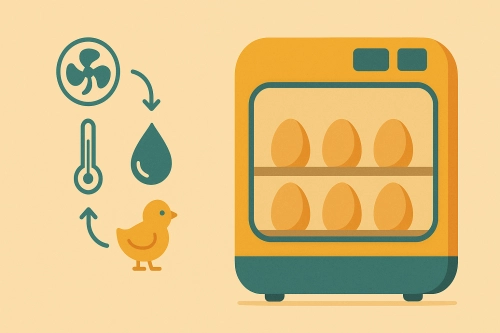 Chicken Egg Incubation Troubleshooting Master Table
Oct 15, 2025
-
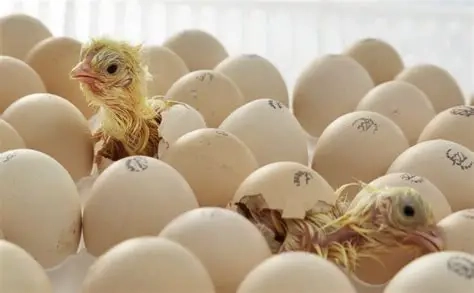 Chicken Egg Incubator Temperature Guide for Best Hatch
Sep 12, 2025
-
 Chick Care in the First 24 Hours for Healthy Baby Chicks
Sep 09, 2025
-
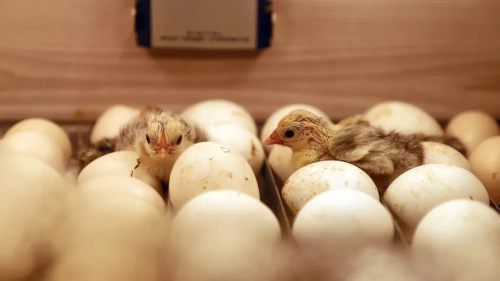 When to Help a Chick Hatch: Safe Assisted Hatching Steps for Stuck Chicks
Sep 06, 2025
-
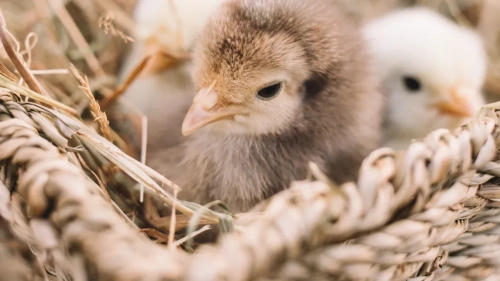 How Long for a Hen to Hatch Eggs Naturally and What to Expect
Sep 05, 2025
-
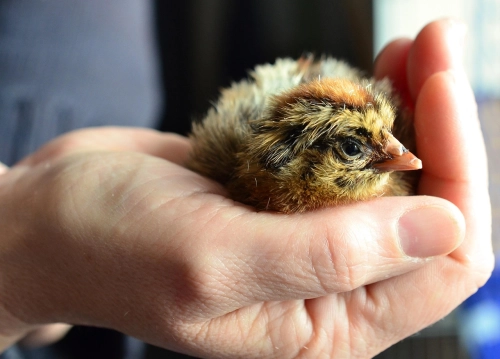 5 Common Mistakes to Avoid Before You Start Hatching Chicks
Sep 04, 2025
-
 Chicken Incubator Mechanisms for Healthy Chicks
Sep 03, 2025
-
 How to Hatch Chicken Eggs at Home for First-Time Poultry Keepers
Sep 03, 2025
-
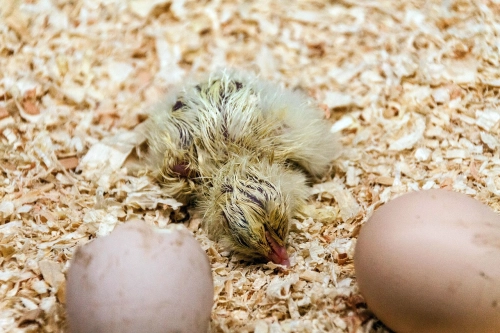 10 Must-Know Tips for Incubating Chicken Eggs Successfully
Sep 02, 2025
-
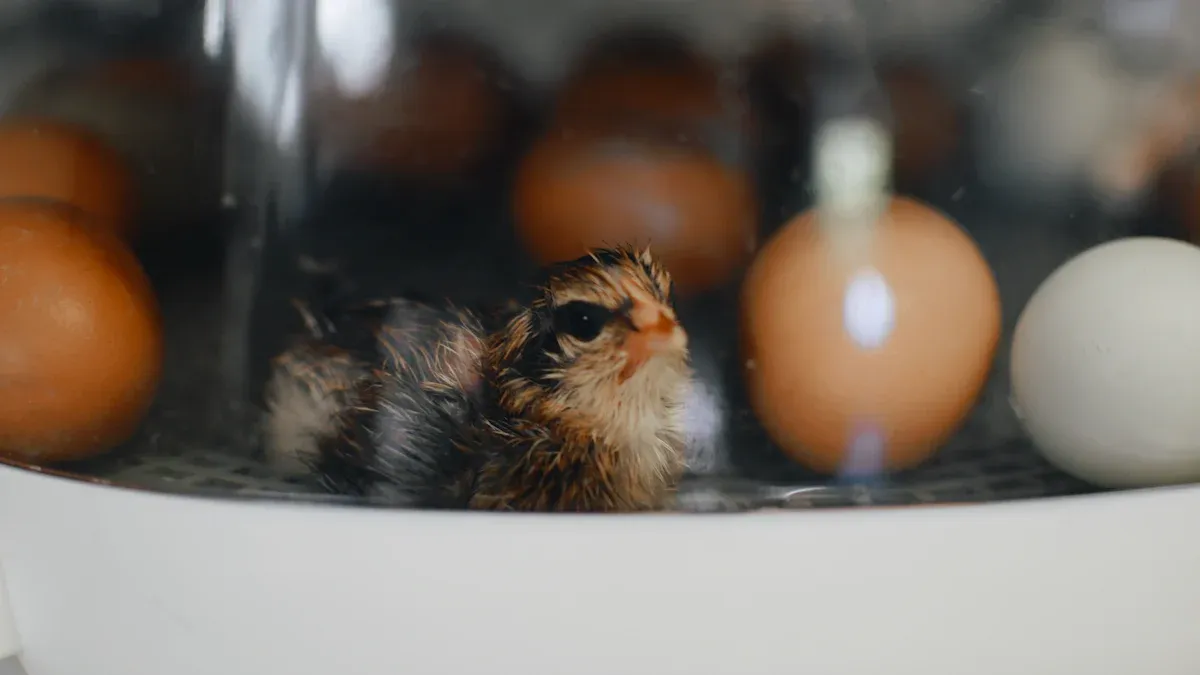 Chicken Incubation Methods Compared What You Need to Know
Sep 02, 2025
-
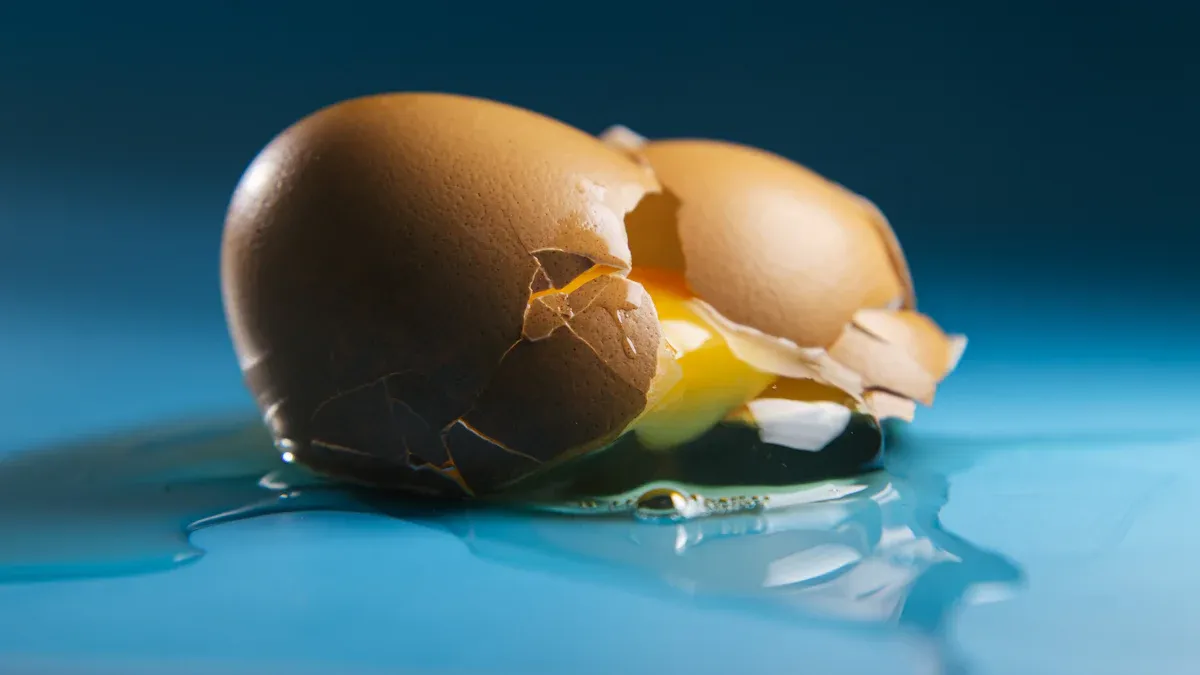 When To Candle Chicken Eggs For The Best Hatching Results
Sep 01, 2025
-
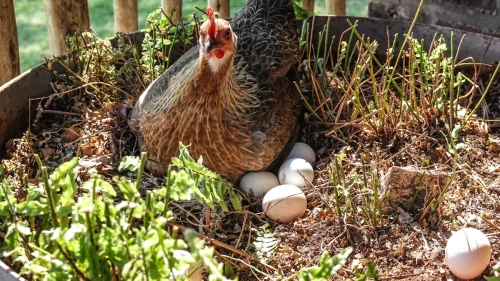 Natural Brooding Compared To Artificial Incubation What Works Best
Aug 28, 2025
-
 Complete Guide to Hatching Chicken Eggs: Temperature, Humidity, Egg Turning and More
Jun 01, 2025
Why aren’t your chicken eggs hatching?
You’re in the right place. This Chicken collection organizes the most helpful chicken egg incubation posts into a simple path: set the basics first, then diagnose what’s off, then finish strong through lockdown and hatch day. If you’re feeling stuck, use the sections below like a roadmap—pick the symptom you’re seeing, then open the matching articles.
Best of (Start Here)
- Complete Guide to Hatching Chicken Eggs: Temperature, Humidity, Egg Turning and More
- Chicken Egg Incubator Temperature Guide for Best Hatch
1) Set-up & baseline (before you troubleshoot)
Most “Hatching Failures” come from small drifts you don’t notice. Start by confirming your incubator is level, vents are open, and readings are stable before eggs go in. Then follow the day-by-day basics: temperature, humidity, turning frequency, and when to stop turning.
2) Temperature problems
If you’re seeing slow development, late hatches, or weak chicks, temperature is the first lever. Use the temperature-focused posts below to learn target ranges, how to spot fluctuations, and how to place probes correctly so you’re measuring the egg zone (not a hot corner).
3) Humidity, lockdown, and “shrink-wrapping”
If chicks pip but can’t zip, or membranes look dry, you’re likely dealing with humidity timing. Check the humidity and lockdown articles to set the right levels for days 1–18 vs. days 19–21, understand when to stop opening the lid, and see how ventilation changes moisture.
4) Candling & embryo checks
Candling helps you separate infertile eggs from early quits and late deaths. Use the candling guides to choose the best days to candle, recognize normal vessel growth, and spot signs an egg isn’t viable—so you can keep conditions steady for the eggs that still have a chance.
5) Incubation Troubleshooting & common incubator issues
Need Incubation Troubleshooting? These posts walk through classic Egg Incubator Common Issues: inconsistent readings, poor airflow, dirty sensors, turning errors, power interruptions, and why a hatch can stall around days 18–21. Follow a simple “symptom → cause → fix” approach and you’ll usually find the bottleneck fast.
6) After hatch: the first 24 hours
Once chicks arrive, the goal is warm, dry, and calm. The post-hatch guides cover when to move chicks, how to prevent chilling and dehydration, and what normal behavior looks like—so you can start them strong.