Blog Categories
-
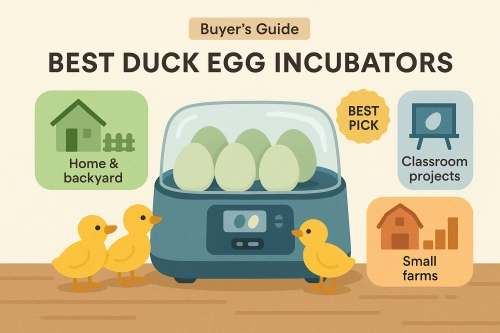 Best Duck Egg Incubators for Home, Classroom and Small Farm Hatching in 2025
Nov 27, 2025
-
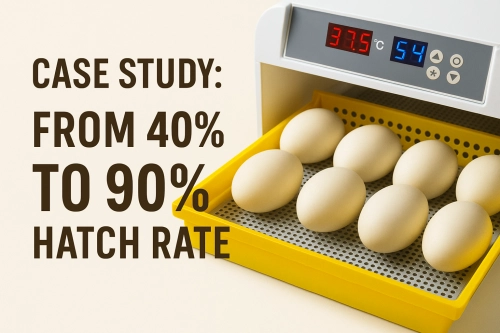 Case Study: From 40% to 90% Hatch Rate – Our Muscovy Duck Success Story
Nov 05, 2025
-
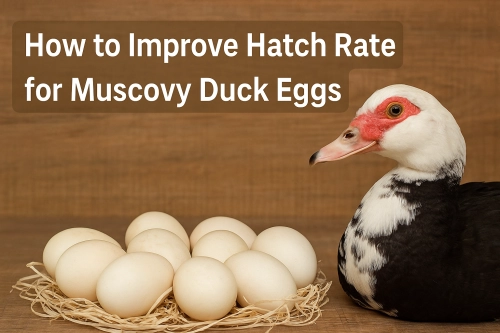 🪶 How to Improve Hatch Rate for Muscovy Duck Eggs
Nov 04, 2025
-
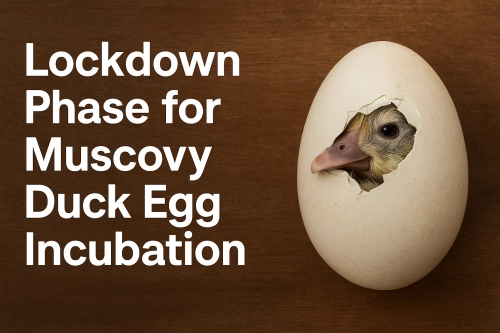 🥚 Lockdown Phase Explained – Final Days of Muscovy Duck Egg Incubation
Nov 04, 2025
-
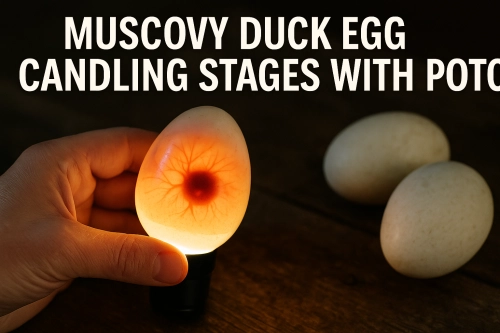 🦆 Muscovy Duck Egg Candling Stages with Photos: Embryo Development Day by Day
Nov 03, 2025
-
 Why Your Muscovy Duck Eggs Aren’t Hatching (Top 10 Mistakes)
Nov 01, 2025
-
 How Long Is the Incubation Period for Muscovy Duck Eggs
Nov 01, 2025
-
 Day-by-Day Incubation Chart for Muscovy Duck Eggs
Oct 31, 2025
-
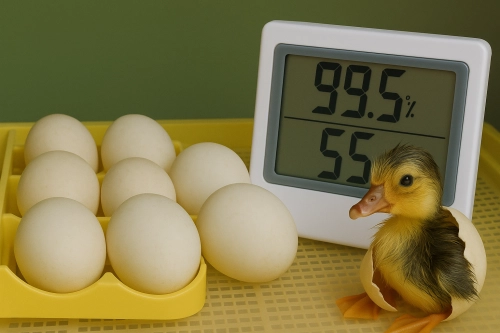 Muscovy Duck egg incubator temperature and humidity settings
Oct 30, 2025
-
 Muscovy Duck Egg Incubation Guide (2025 Updated): The Complete Step-by-Step Process
Oct 30, 2025
-
 Call Duck Air-Cell Assisted Hatching: A Stepwise Approach
Sep 11, 2025
-
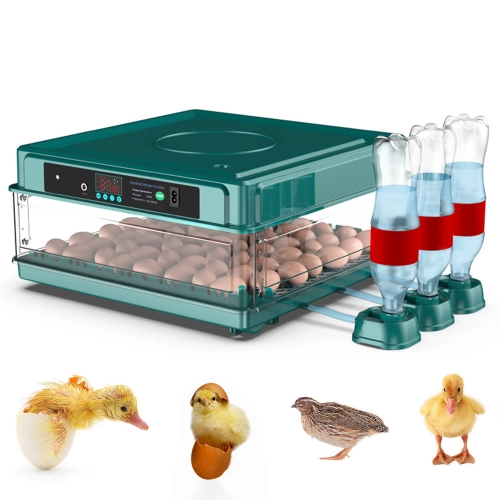 Duck Egg Incubator with Adjustable Trays Supports Large and Mixed Eggs
Sep 06, 2025
-
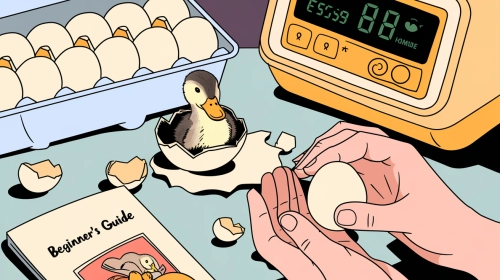 Duck Eggs and Incubator Guide for Beginners from Egg to Hatch Day
Sep 04, 2025
-
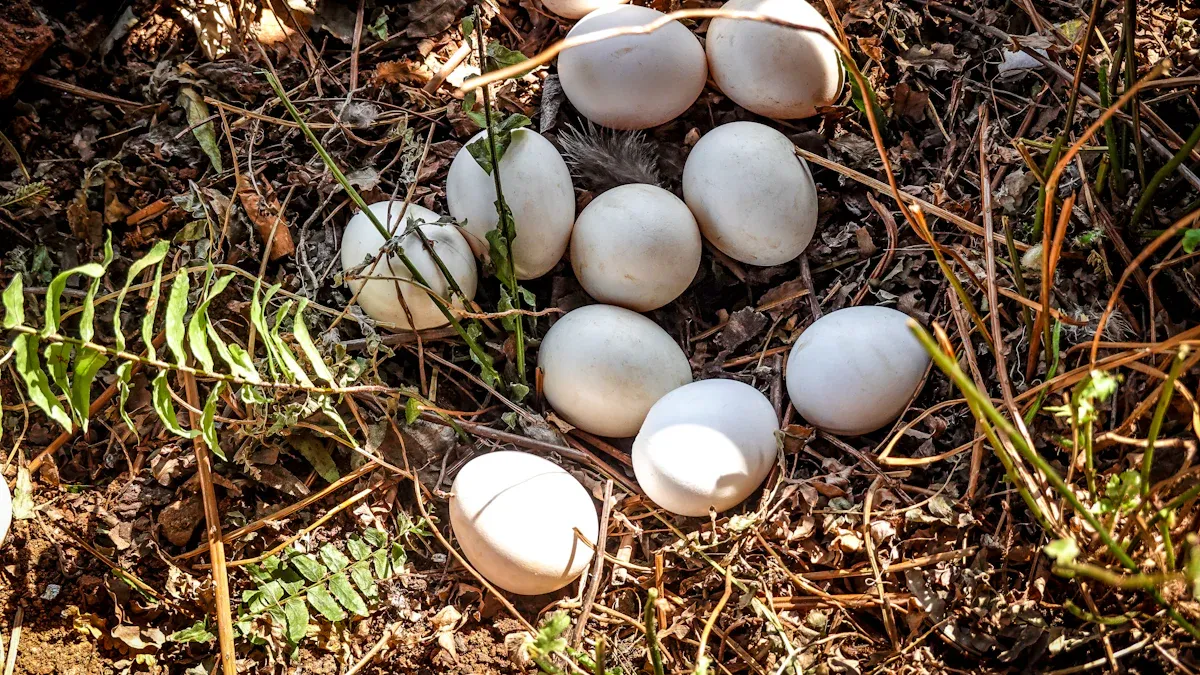 Best Practices For Duck Eggs Incubator Temperature And Humidity Control
Sep 01, 2025
Why aren’t your duck eggs hatching?
Duck egg incubation can feel confusing fast—especially with Muscovy eggs (longer timelines) and the final days before hatch. This Duck tag page is a guided collection: pick the issue you’re seeing (late hatch, no pip, sticky ducklings, weak ducklings), then follow the matching articles to fix the root cause and get more consistent hatch results.
Best of (Start Here)
- Muscovy Duck Egg Incubation Guide (Step-by-Step)
- Why Your Muscovy Duck Eggs Aren’t Hatching (Top Mistakes)
1) Timeline & temperature (when hatch timing looks “off”)
If your hatch is consistently early or late, start here. Temperature stability drives development speed, so even small swings can shift the hatch window. If embryos seem slow, late, or weak, review temperature targets and probe placement first before changing multiple settings at once.
2) Humidity strategy (sticky ducklings, dry membranes, poor zipping)
Humidity affects moisture loss and air-cell size. If chicks pip but struggle to finish, you’re often dealing with humidity timing and lid-opening habits. Use the humidity and lockdown articles under this tag to learn what to aim for during the main incubation days versus the final hatch stage.
3) Turning & candling (early quits, clears, and monitoring progress)
If you’re seeing early losses or uneven development, check turning consistency and handling. Candling helps you spot infertile eggs, early quits, and late deaths so you can focus on the viable eggs and keep conditions steady. If you’re unsure what you’re seeing, follow the candling stage guides in this tag.
4) Incubation Troubleshooting (symptom → cause → fix)
For Incubation Troubleshooting, use this page like a decision tree. If you’re seeing Hatching Failures, match the symptom (no pip, late pip, stuck chicks, weak ducklings) to likely causes (temp drift, humidity mismatch, low airflow, turning errors), then apply one change and re-check results on the next hatch.
5) Egg Incubator Common Issues (equipment & room conditions)
If your readings look “right” but results are inconsistent, suspect Egg Incubator Common Issues—hot/cold spots, inaccurate sensors, blocked vents, mineral buildup, drafts, or power interruptions. Stabilize the environment, verify your sensors, and keep airflow consistent so your settings actually reflect what the eggs experience.