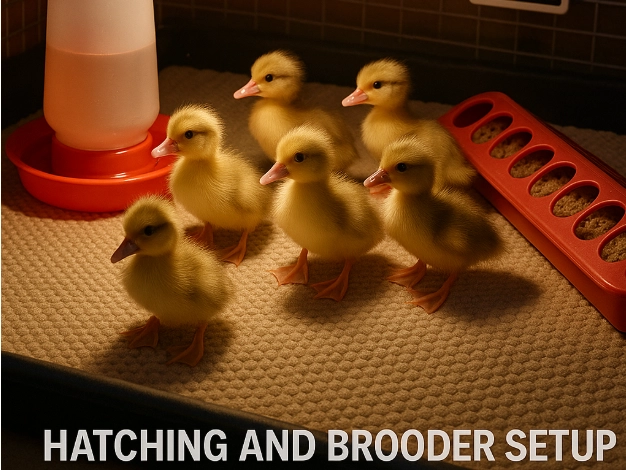
Introduction to Muscovy Duck Egg Incubation
Raising Muscovy ducks can be one of the most rewarding experiences for both homesteaders and small-scale farmers. Known for their calm temperament, excellent foraging ability, and lean, flavorful meat, Muscovy ducks are also renowned for their unique incubation cycle. Unlike other domestic ducks, Muscovy duck eggs take about 35 days to hatch — roughly a week longer than most duck species.
This extended incubation period, combined with the need for precise humidity and temperature control, makes muscovy duck egg incubation both fascinating and challenging. Whether you’re using an incubator or relying on a broody Muscovy hen, understanding each stage of the process ensures a healthy hatch and strong ducklings.
Why Choose Muscovy Ducks for Hatching?
Muscovy ducks stand out for their adaptability and quiet nature — they don’t quack but rather hiss softly. Their eggs are rich in nutrients, and the hens are exceptional natural mothers. Breeders often choose Muscovies because they can reproduce efficiently and are less prone to disease compared to other domestic breeds.
Moreover, Muscovy ducklings grow quickly and are prized for their high-quality meat. Incubating their eggs yourself allows you to control the genetics, timing, and overall hatch quality.
Natural vs. Artificial Incubation
While Muscovy hens are reliable sitters, artificial incubation offers more flexibility — especially when scaling up production or synchronizing hatch dates.
-
Natural incubation: Requires a healthy broody hen, minimal human interference, and natural temperature regulation.
-
Artificial incubation: Ideal for larger batches and better temperature consistency, though it demands careful monitoring.
For beginners, starting with a reliable incubator can significantly increase success rates once you learn how to maintain the right conditions.
Understanding Muscovy Duck Eggs
Shell Structure and Porosity
Muscovy eggs have a thicker shell and slightly lower porosity than chicken eggs, which means they lose moisture more slowly. This feature requires higher humidity settings in later stages to prevent the embryos from sticking to the shell membrane during hatching.
Fertility Rate and Egg Selection Tips
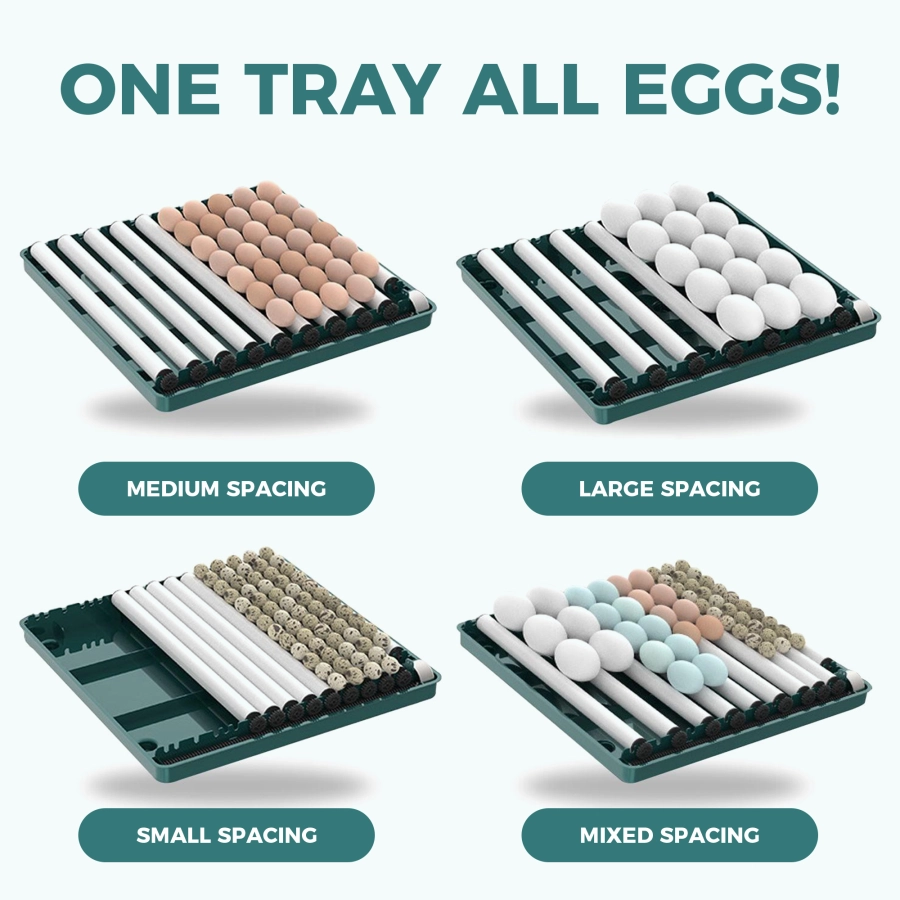
Only fertile, clean, and properly stored eggs should be incubated. Look for eggs with a smooth shell, uniform shape, and medium size. Avoid cracked, misshapen, or heavily soiled eggs. Always collect eggs daily and store them at 15–18°C (59–64°F) with about 70% humidity before setting them in the incubator.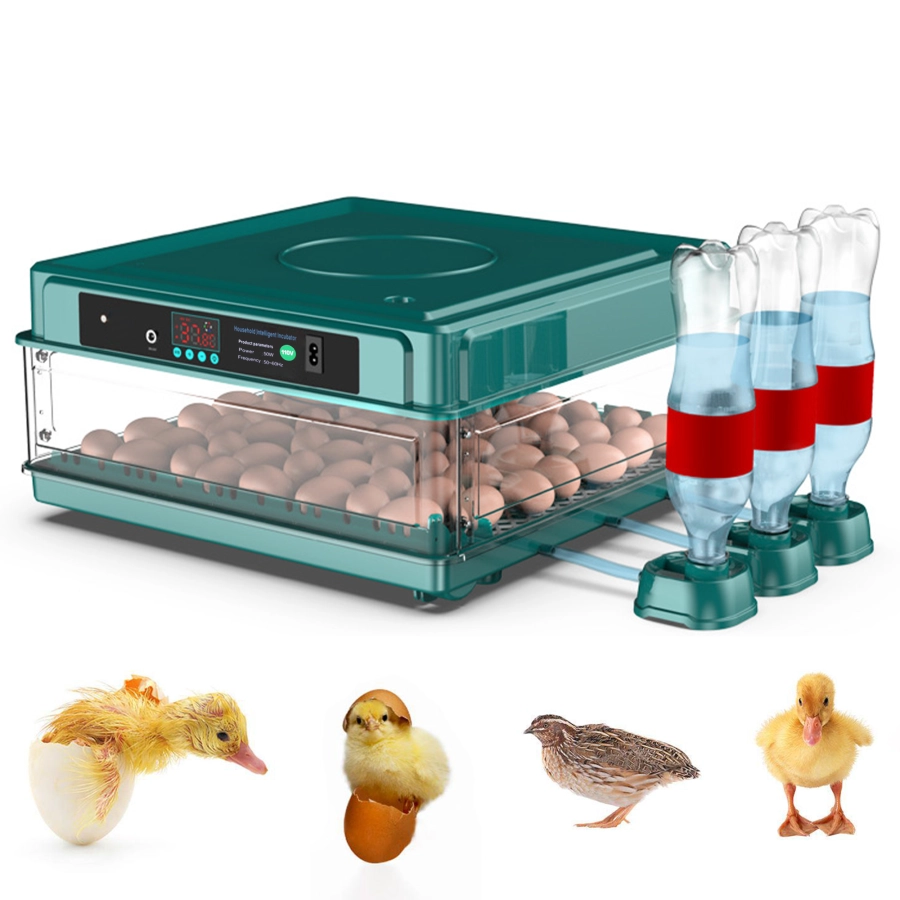




$134.50
Save $27.04
Preparing for Incubation
Incubator Calibration: Temperature and Humidity Setup
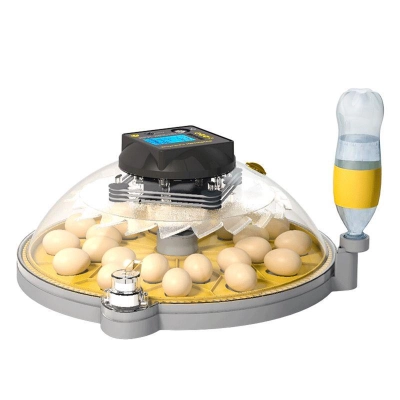
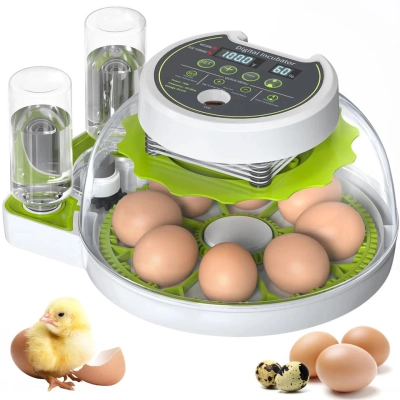
Before placing eggs, let your incubator run for 24 hours to stabilize. The ideal temperature for Muscovy duck eggs is 37.2°C (99°F), with a starting humidity of 55–60%. Ensure your thermometer and hygrometer are accurate and properly positioned at egg level.
Cleaning and Storing Muscovy Duck Eggs
Do not wash eggs with water; instead, gently wipe them with a dry or slightly damp cloth if needed. Store them pointy-end down and turn them once daily to prevent the yolk from sticking to the shell. Never store eggs for more than 7–10 days before incubation.
The Complete Incubation Timeline (Day-by-Day Guide)
Day 1–7: Setting and Turning Eggs
Place eggs in the incubator with the larger end slightly raised. Turn them at least 4–6 times daily to ensure even embryo development. Maintain 37.2°C (99°F) and 55–60% humidity during this phase.
Day 8–21: Candling and Monitoring Growth
Candle eggs around Day 7–10 to check for fertilization — you should see a web of veins and a developing embryo. Continue turning regularly, and remove any infertile or dead eggs to prevent contamination.
Day 22–30: Adjusting Humidity and Cooling
Gradually increase humidity to 65–70% and allow a brief daily cooling period of about 10 minutes to mimic natural nest conditions. This helps strengthen the embryo and improves hatch success.
Day 31–35: Hatching Phase (Lockdown Period)
Stop turning the eggs by Day 31 and increase humidity to 75–80%. Temperature should stay steady at 37°C (98.6°F). Hatchlings will pip (break the shell) around Day 34–35. Do not open the incubator during hatching — fluctuations can cause humidity loss and weaken the ducklings.
Optimal Temperature and Humidity Levels
| Incubation Stage | Days | Temperature (°C) | Humidity (%) | Actions |
|---|---|---|---|---|
| Early Stage | 1–7 | 37.2 | 55–60 | Regular turning |
| Middle Stage | 8–21 | 37.2 | 60–65 | Candle eggs |
| Pre-Hatch Stage | 22–30 | 37.0 | 65–70 | Daily cooling |
| Hatching (Lockdown) | 31–35 | 37.0 | 75–80 | Stop turning |
Egg Turning Schedule and Techniques
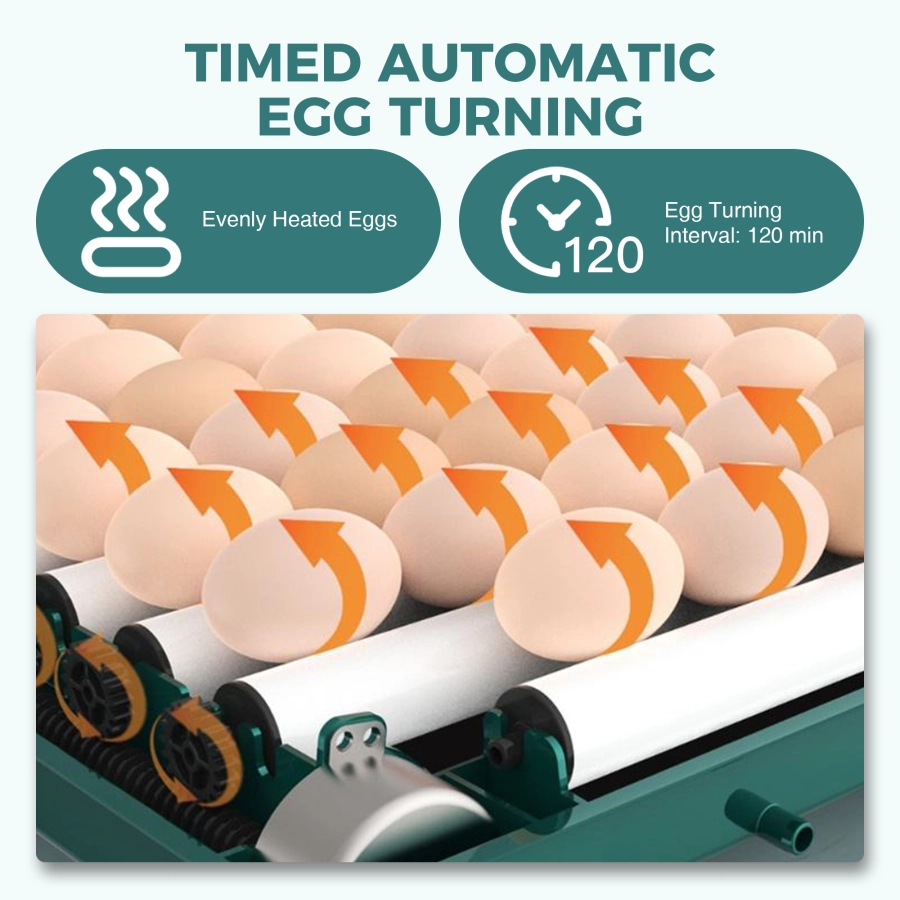
Muscovy eggs should be turned an odd number of times per day (5–7) to prevent the embryo from sticking. If your incubator has an automatic turner, ensure it cycles every 2–4 hours. Always handle eggs with clean hands, and avoid abrupt movement.
Candling Muscovy Duck Eggs
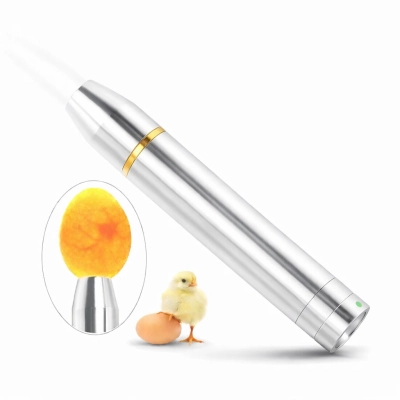
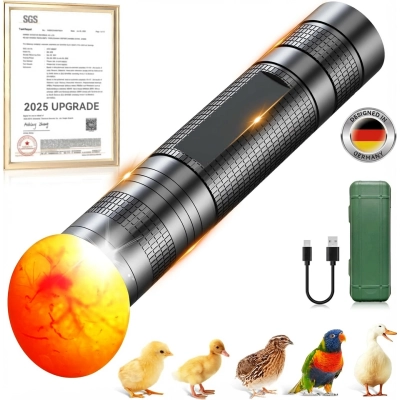
Candling allows you to observe embryo growth through the shell using a bright light. Check at Day 7, Day 14, and Day 25:
-
Clear egg → likely infertile.
-
Veins visible → viable embryo.
-
Dark mass + air cell → nearing hatch.
Remove infertile eggs promptly to reduce bacterial spread.
Hatching and Brooding Newly Hatched Ducklings
Temperature for Brooding
After hatching, move ducklings to a brooder set at 32°C (90°F). Gradually lower by 2–3°C each week until they are fully feathered.
Common Post-Hatch Problems and Prevention
Weak ducklings may result from low humidity or temperature fluctuations. Provide clean water, high-protein starter feed, and avoid overcrowding to prevent stress.
Troubleshooting Poor Hatch Rates
| Problem | Possible Cause | Solution |
|---|---|---|
| Late hatching | Low temperature | Recalibrate incubator |
| Sticky ducklings | Low humidity | Raise moisture level in last 5 days |
| Dead in shell | Insufficient turning | Turn more frequently |
| Weak legs | Overheating | Keep consistent temp below 37.5°C |
FAQs: How to Incubate Muscovy Duck Eggs Successfully
Q1: How long do Muscovy duck eggs take to hatch?
A: Typically 35 days, sometimes 1–2 days longer under cooler conditions.
Q2: What’s the best temperature for Muscovy egg incubation?
A: Maintain 37.2°C (99°F) for most of the cycle, lowering slightly near hatching.
Q3: When should I stop turning the eggs?
A: Stop turning after Day 30 or 31 during the lockdown phase.
Q4: Can I incubate Muscovy eggs with other duck eggs?
A: Not recommended — Muscovy eggs have a longer cycle and need slightly higher humidity.
Q5: Why do some ducklings die before hatching?
A: Usually due to improper humidity, infrequent turning, or bacterial contamination.
Q6: How often should I candle Muscovy duck eggs?
A: Candle 2–3 times: around Day 7, Day 14, and Day 25 for best monitoring.
Conclusion:Muscovy the technique of incubating cormorant eggs
By understanding every stage of the muscovy duck egg incubation process — from egg selection to post-hatch brooding — you can achieve high hatch rates and healthy ducklings consistently. Remember, attention to temperature, humidity, and turning frequency are your three pillars of success.



0 Comments