Blog Categories
-
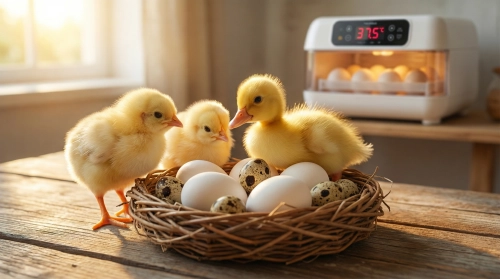 The Ultimate Incubation Cheat Sheet (2025): Times & Temps For Chickens, Ducks, And Quail
Nov 21, 2025
-
 Muscovy Duck Egg Incubation Guide (2025 Updated): The Complete Step-by-Step Process
Oct 30, 2025
-
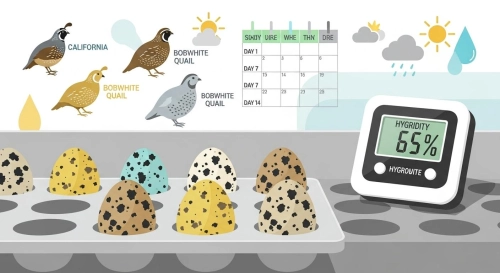 Quail Incubation Humidity Complete Guide by Day Species And Climate
Oct 27, 2025
-
 Hatching Pigeon Eggs: The Complete Step-by-Step Guide
Oct 09, 2025
-
 Turning Quail Eggs: The Complete Guide to Frequency and Best Practices During Incubation
Sep 30, 2025
-
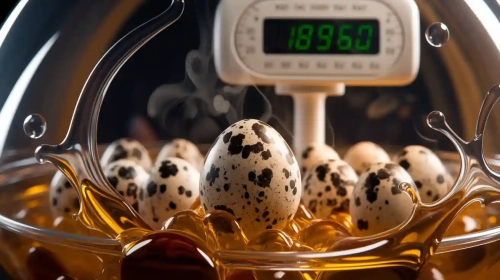 Quail Incubator Temperature And Humidity Guide For Successful Hatching
Sep 25, 2025
-
 Selecting the Best Eggs to Incubate: Your Complete Guide to Fertility, Storage, and Preparation
Sep 23, 2025
-
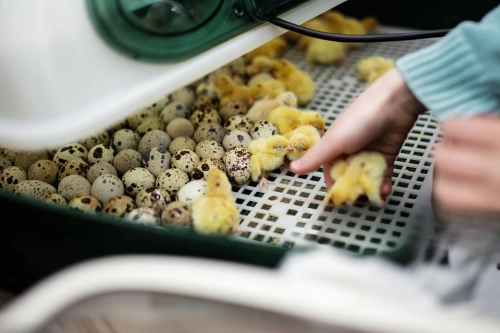 17-Day Quail Egg Incubator Checklist and Daily Care Guide
Sep 13, 2025
-
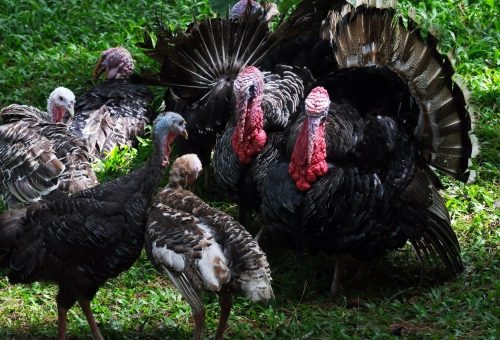 Turkey Incubation Timeline and Broody Hen Tips for Natural Hatch
Sep 12, 2025
-
 Choosing Dry Hatch or Traditional Humidity for Different Climates in 2025
Sep 10, 2025
-
 Chick Care in the First 24 Hours for Healthy Baby Chicks
Sep 09, 2025
-
 Complete Parrot Hand-Feeding Schedule by Age for Beginners
Sep 09, 2025
-
 Troubleshooting Common Quail Egg Incubator Problems for Beginners
Sep 08, 2025
-
 Beginner’s Guide to Cabinet Incubator Setup and Egg Hatching
Sep 08, 2025
-
 Getting Started with Incubator Setup: A Practical Guide
Sep 04, 2025
-
 Duck Eggs and Incubator Guide for Beginners from Egg to Hatch Day
Sep 04, 2025
-
 5 Common Mistakes to Avoid Before You Start Hatching Chicks
Sep 04, 2025
-
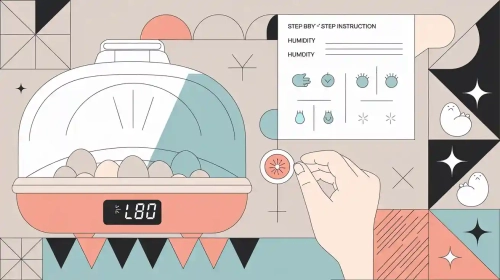 Lower Humidity In Incubator Step-By-Step For Beginners
Sep 03, 2025
-
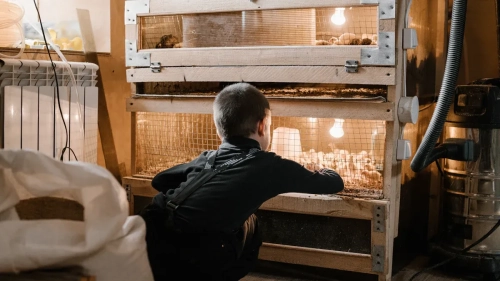 Top 10 Hatching Supplies Every Newbie Needs
Sep 03, 2025
-
 How to Hatch Chicken Eggs at Home for First-Time Poultry Keepers
Sep 03, 2025
-
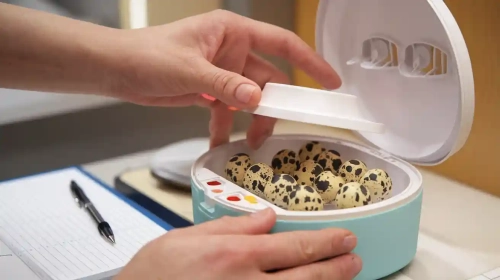 Incubators for Quail—What Should You Check First?
Sep 03, 2025
-
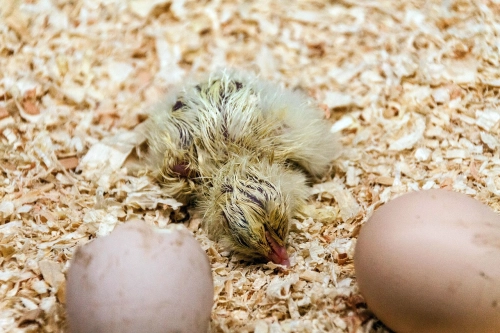 10 Must-Know Tips for Incubating Chicken Eggs Successfully
Sep 02, 2025
-
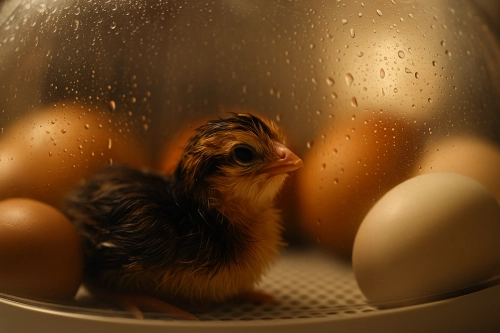 First-Timer's Guide To Hatching Eggs With An Incubator Without The Common Pitfalls
Sep 02, 2025
-
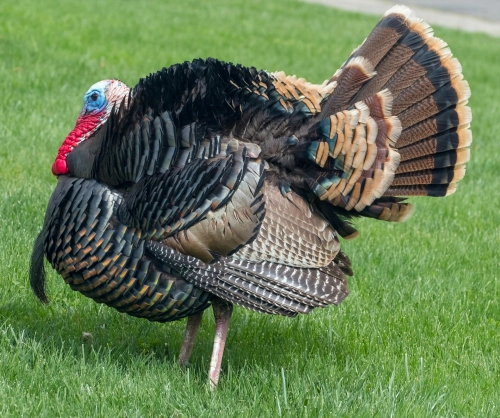 How to Hatch Turkey Eggs – A Complete Incubation Guide
Jun 15, 2025
Why did my first hatch fail?
Welcome to the Beginner tag hub—made for first-time hatchers who want clear steps (not conflicting advice). Use this page like a guided route: lock in a stable baseline, check progress the right way, then troubleshoot only the variables that actually move your hatch rate.
Best of (Start Here)
- 2025 Incubation Cheat Sheet: Times, Temps, Humidity & Lockdown (Quick Reference)
- First-Timer’s Guide to Hatching Eggs With an Incubator (Avoid the Common Pitfalls)
1) Before you incubate: eggs, storage, and “day 1” setup
If you’re getting clears or early quits, the issue may start before the incubator is even turned on. Use the beginner articles in this tag to learn how to choose fertile eggs, store them correctly, and set them gently so embryos start strong.
2) Incubator setup that prevents “mystery” losses
A lot of Hatching Failures come from chasing the display number instead of stabilizing conditions at egg level. Start with setup guides on probe placement, airflow, room placement, and running a short test before loading eggs—so you don’t discover a hot corner halfway through the hatch.
3) Day-by-day routine: temperature, humidity, turning
When you feel overwhelmed, follow a checklist mindset: keep temperature steady, keep humidity consistent (don’t spike it daily), and turn on a reliable schedule. If you’re asking “When do I stop turning?” or “When does lockdown start?” use the cheat sheet above to confirm your timeline fast.
4) Candling without over-checking
If you’re not sure what’s happening inside the shell, candling guides help you check on the right days, recognize normal development, and remove obvious non-viable eggs without stressing the rest of the batch.
5) Lockdown & hatch day (where beginners lose the most chicks)
If chicks pip but can’t finish, opening the lid too often can make things worse. Lockdown posts explain when to raise humidity, how ventilation changes at the end, and how to avoid shrink-wrapping so chicks can zip out normally.
6) Incubation Troubleshooting & common incubator problems
When results don’t match your settings, focus on Incubation Troubleshooting and Egg Incubator Common Issues: temperature swings, inaccurate hygrometers, hot/cold spots, blocked vents, turning errors, or brief power dips. Make one change at a time, take notes, and your hatch results become repeatable.
Pick the section that matches your situation—and if you’re starting from zero, begin with the two “Best of” links and work downward.