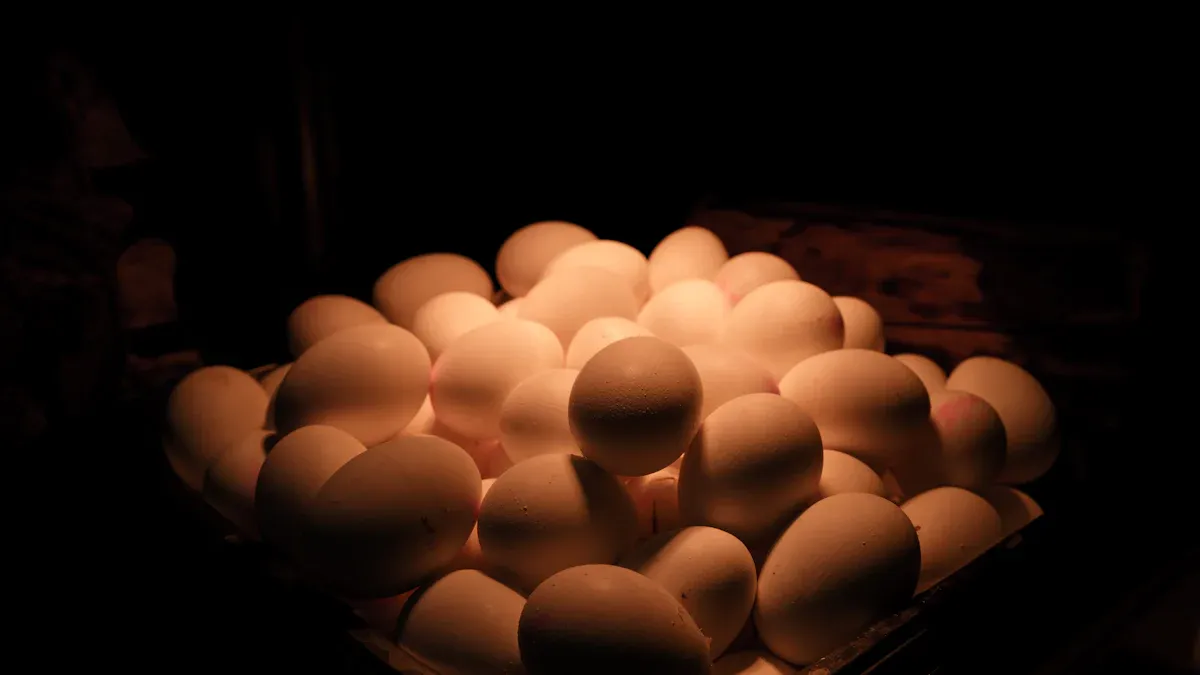
When you incubate hatch eggs, you want to reach a successful hatch. Dry hatch uses lower humidity to hit the right egg weight loss, not just the lowest number. If your incubator sits in a humid room or has little airflow, dry hatch helps you control the process. Traditional hatching works best in dry or changing climates and is easy to repeat. Always check egg weight loss or air cell size during the hatching process. Use these incubation tips to adjust and find the best rate for your hatching eggs and increase your chance of success.
Key Takeaways
- Choose the dry hatch method in humid conditions to control egg weight loss effectively.
- Monitor egg weight loss regularly; aim for 11-13% before lockdown for optimal hatching.
- Adjust humidity based on your local climate; use traditional humidity in dry areas and lower humidity in humid areas.
- Always raise humidity during the last days of incubation to ensure safe hatching.
- Use an egg weight loss chart to track progress and make informed adjustments for better hatch rates.
What Is Dry Hatch
Dry Incubation Method—Targeting Weight Loss, Not Just Low Humidity
When you use the dry hatch method, you focus on how much water the eggs lose during incubation. You do not just set the lowest humidity possible. Instead, you watch the eggs and measure their weight loss. Most eggs should lose about 11 to 13 percent of their starting weight before lockdown. This weight loss happens because water slowly leaves the egg. The process helps the air cell grow and supports the chick’s development.
You can use a simple egg weight loss chart to track progress. Weigh your eggs at the start and then every few days. If you see that the eggs are not losing enough weight, you can lower the humidity a little. If they lose weight too fast, you can raise the humidity. The dry incubation method works best when your room is already humid or when the incubator does not have much airflow. In these cases, the dry hatch method helps you reach the right weight loss for a good hatch rate.
Tip: Always measure temperature at egg height. Forced-air incubators work best at 99–100°F (37.2–37.8°C). Still-air incubators need 101–102°F (38.3–38.9°C).
Common Misconceptions About Dry Hatch
Many people think the dry hatch method means you should always use the lowest humidity. This is not true. You need to adjust the humidity based on your climate and your room’s conditions. If you live in a dry area or use heating in winter, eggs can lose water too quickly. In this case, you should use traditional humidity or even raise it a bit.
Some believe that dry hatch always gives better results. In fact, you must check the air cell size or weigh the eggs to know if you are on track. The dry hatch method does not fit every situation. You should always adjust your settings based on what you see during hatching. Careful tracking and small changes help you get the best results.
Traditional Humidity Basics
Typical Humidity Starting Points for Incubation
When you use the traditional method, you start with a set humidity level for the incubation period. This approach works well in dry climates or when your room has steady air flow. You can use the following table to find the recommended humidity levels for different poultry species:
| Poultry Species | Recommended Humidity Level |
|---|---|
| Chickens & Quail | 45-50% Relative Humidity |
| Ducks & Geese | 50-60% Relative Humidity |
You should also keep the temperature steady. For most hatching eggs, set your incubator to 99.5°F (37.5°C). Quail eggs may need a slightly higher temperature, and geese may need a longer incubation time. These starting points help you create the right environment for the hatching process.
Tip: Always measure temperature and humidity at egg height. Use two thermometers to check for accuracy.
Raising Humidity for Lockdown
As you reach the last three days of incubation, you need to raise the humidity level. This stage is called lockdown. During lockdown, you should increase incubator humidity to 70-80%. This higher humidity keeps the egg membranes moist and helps chicks hatch safely. If the humidity drops too low, the membranes can dry out and shrink-wrap the chicks. If the humidity stays above 80% for too long, chicks may not fluff out well after hatching, which can cause health problems.
- Keep the incubator closed as much as possible during lockdown.
- Add warm water to raise humidity if needed.
- Watch for condensation, which can signal too much humidity.
Adjusting by Air Cell Size or Weight Loss
You can fine-tune your humidity level by checking the air cell size or tracking egg weight loss. As eggs lose water, the air cell grows. By day 18, the air cell should fill about one-third of the egg. If the air cell is too small, your humidity is too high. If it is too large, your humidity is too low. You can also weigh your eggs every few days. Aim for a total weight loss of 11–13% before lockdown. This balance helps you reach a good hatch rate and healthy chicks.
Note: Adjust only one variable at a time. Record each change so you know what works best for your climate and season.
Climate & Season Factors
Dry Climates & Heated Winters vs. Humid Climates & Rainy Seasons
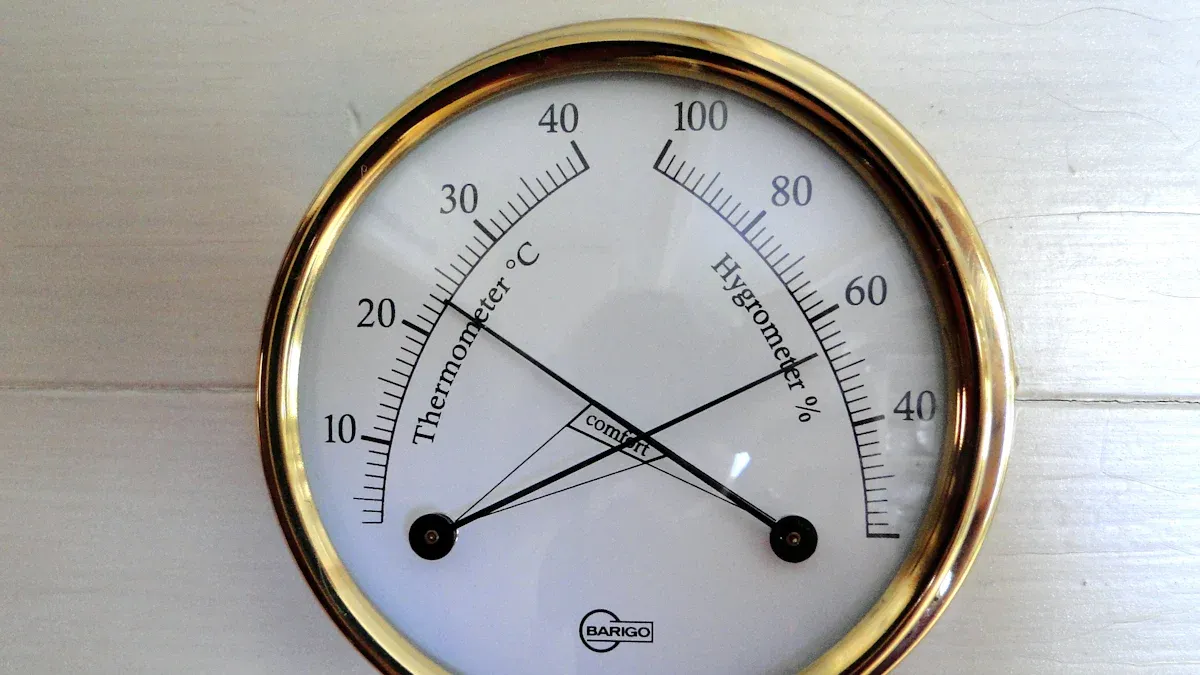
You need to think about your local climate and the current season before you set up your incubator. Dry climates and heated winters can make the air inside your home very dry. When you use the dry incubation method in these conditions, eggs may lose water too quickly. This can cause the air cell to grow too large and lower your hatch rate. In these cases, you should use traditional incubation humidity or even increase the humidity a little. You can do this by adding more water to the incubator or reducing ventilation.
Humid climates and rainy seasons bring a different challenge. The air in your room may already have high humidity. If you use traditional humidity settings in this situation, eggs may not lose enough water. The air cell may stay too small, and chicks can have trouble hatching. Here, you should lower the humidity during the main incubation period. This approach helps you reach the right egg weight loss. You still need to raise the humidity for lockdown to help chicks hatch safely.
Tip: Always check the air cell growth or use an egg weight loss chart. This helps you see if you need to adjust your humidity for the best results.
Room, Altitude, and Ventilation Effects on Evaporation
Your room setup affects how much water eggs lose during incubation. If your room has strong airflow or sits at a high altitude, eggs can lose water faster. High altitude means the air is thinner and often drier. You may need to increase humidity to slow down water loss. If your room feels stuffy or has poor ventilation, eggs may lose water more slowly. In this case, you can lower the humidity to help reach the target weight loss.
You should also think about the size and type of your incubator. Cabinet incubators spread air more evenly, so you get steady results. Desktop incubators react more to changes in room temperature and humidity. Always measure temperature and humidity at egg height for the most accurate reading.
Here is a quick checklist to help you adjust for your environment:
- Check your room’s humidity and temperature before you start incubation.
- Use a chart to track egg weight loss every 3–4 days.
- Adjust water surface area or vents to control humidity.
- Record each change you make. Change only one thing at a time.
Note: Climate based incubation works best when you watch both the air cell and the egg weight. Season humidity adjustment helps you get better hatching results all year.
Temperature & Airflow
Forced-Air vs. Still-Air Incubators—Temperature Targets
You need to set the proper temperature for your incubator to support healthy embryo development. Forced-air and still-air incubators have different temperature targets. Forced-air incubators use a fan to move air around. This creates a uniform temperature throughout the chamber. Still-air incubators do not have a fan, so the temperature can vary from top to bottom. You must place your thermometer at egg height for the most accurate reading.
Here is a table to help you see the differences:
| Incubator Type | Optimal Temperature | Notes |
|---|---|---|
| Still Air | 102–103°F (top thermometer) | Adjust for temperature gradient; aim for 99.5°F at egg height |
| Forced Air | 99–100°F | Uniform temperature; easier to control and measure |
- Still-air incubators need a higher temperature setting because heat rises and the top is warmer than the bottom.
- Humidity levels can be harder to control in still-air incubators.
- Forced-air incubators make it easier to keep the temperature steady, which helps improve your hatch rate.
You should always check your incubator’s manual for specific recommendations. Adjust your settings based on your climate and the type of eggs you are hatching.
Measuring at Egg Height and Calibrating Thermometers
Measuring temperature at egg height gives you the most accurate information. Embryos are sensitive to even small changes in temperature during incubation. If the temperature is too low, hatchability drops and chicks may be heavier than normal. If the temperature is too high, embryos may not develop properly.
Here is why measuring at egg height and calibrating your thermometers matters:
| Reason | Explanation |
|---|---|
| Temperature Accuracy | Ensures your settings match the real temperature at egg level. |
| Hatchability | Directly affects how many chicks hatch and their health. |
| Quality of Chicks | Supports normal growth and reduces health problems after hatching. |
- Use two thermometers to double-check your readings.
- Calibrate your thermometers before each incubation cycle.
- Record every change you make. Change only one variable at a time.
You should always aim for the proper temperature range for your incubator type. This helps you maintain the right humidity and supports healthy hatching. Careful monitoring and adjustment lead to better results for every batch.
Weight-Loss Method
Target: 11–13% Weight Loss Before Lockdown (Adjust by Species/Egg Size)
You want to give your chicks the best chance to hatch strong and healthy. The dry incubation method focuses on how much water the eggs lose during incubation. Most chicken eggs do best when they lose about 11–13% of their starting weight before lockdown. This range helps the air cell grow to the right size and supports a good hatch rate.
- Some eggs, like quail or small breeds, may reach this weight loss a bit faster.
- Larger eggs, such as goose or duck eggs, might need a little more time to reach the same percentage.
- If eggs lose too little water, the chick can get stuck or “shrink-wrapped” inside the shell.
- If eggs lose too much, the air cell grows too large, and the chick may dry out.
You should always check the weight loss or air cell growth, not just the humidity setting. This approach works for many species, but you may need to adjust your target slightly for different egg sizes.
Tip: Use an egg weight loss chart to track your progress. This helps you see if you need to change your humidity or ventilation.
Steps: Baseline Weighing, 3–4 Day Checks, Adjust Water Surface or Vents
You can follow these steps to make sure your eggs lose the right amount of weight during hatching:
- Set your incubator to the correct temperature and humidity before you start. For most eggs, use 99–100°F (forced-air) or 101–102°F (still-air) and 45–50% humidity.
- Let the incubator run for 24 hours to stabilize. Rest your eggs during this time.
- Weigh all your eggs together and record the total weight. Enter this number in a notebook or spreadsheet.
- Every 3–4 days, weigh the eggs again. Write down each new weight.
- Candle the eggs around Day 7. Remove any infertile eggs and update your records.
- If you see that eggs are losing weight too quickly, increase the humidity by adding more water or closing some vents.
- If eggs are losing weight too slowly, lower the humidity by reducing water surface area or opening vents.
- Keep checking and adjusting until you reach lockdown, usually on Day 19–21 for chickens.
Note: Always change only one thing at a time. Record every adjustment you make. This helps you learn what works best for your climate and incubator.
By following these steps, you can use climate based incubation and season humidity adjustment to improve your hatch results. Watching egg weight loss and air cell growth gives you more control than just setting a number for humidity. This method works with both dry hatch humidity settings and traditional incubation humidity.
Decision Framework
High Room Humidity or Slow Weight Loss? Shift Toward Dry Hatch
You may notice that your room feels damp or that your incubator sits in a space with little airflow. In these cases, eggs often lose water too slowly during incubation. If you see that the air cell is not growing as expected or your egg weight loss chart shows less than 11% by lockdown, you need to adjust your approach. Dry hatch works well in this situation.
- Eggs need to lose about 11% to 14% of their starting weight for proper development.
- High humidity in the room can stop eggs from losing enough water. This can cause chicks to grow too large or even drown during hatching.
- Dry hatch gives you more control over moisture loss. You can lower the humidity inside the incubator to help eggs reach the right weight loss.
You should check the air cell size every few days. If the air cell stays small, lower the humidity a bit. Keep tracking the weight loss. Make only one change at a time and write down what you do. This careful method helps you improve your hatch rate, even in a humid climate or rainy season.
Tip: Even when you use dry hatch, always raise the humidity during lockdown. This helps chicks hatch safely.
Low Room Humidity or Fast Weight Loss? Use Traditional or Boosted Humidity
Sometimes, your room feels dry, especially in winter when you use heating. Eggs may lose water too quickly in these conditions. If your egg weight loss chart shows more than 13% before lockdown, or if the air cell grows too fast, you need to use the traditional method or even boost the humidity.
- Adjust humidity based on egg weight loss, not just a fixed number.
- If humidity stays too low, eggs lose too much water. This can dry out the embryo and lower your hatch rate.
- If humidity gets too high, eggs may not lose enough water. This can cause chicks to have trouble hatching.
- Keep the average relative humidity steady during incubation. Adjust as needed by checking egg weight and air cell growth.
You can add more water to the incubator or reduce ventilation to raise humidity. Always measure at egg height and use two thermometers for accuracy. Watch your eggs and make small changes. Record each adjustment so you know what works best for your climate and season.
Note: The best results come from watching both the air cell and the egg weight. Use climate based incubation and season humidity adjustment to guide your choices.
Starting Points by Climate
Humid/Rainy: Start Lower, Raise for Lockdown
You may live in a humid area or face rainy seasons. In these conditions, the air already holds a lot of moisture. Eggs inside your incubator lose water slowly. You need to start with lower humidity during the first part of incubation. This helps you reach the right egg weight loss and air cell growth. As you get closer to hatch, you should raise the humidity for lockdown. This step keeps the membranes moist and supports safe hatching.
Here is a simple table to guide your settings:
| Incubation Days | Humidity Level (%) |
|---|---|
| Days 1-18 | 50-55 |
| Days 19-21 | 65-70 |
You should check your egg weight loss chart every few days. If you see slow weight loss, you can lower humidity a bit more. Always raise humidity for lockdown, even in a humid climate. This helps chicks hatch without getting stuck.
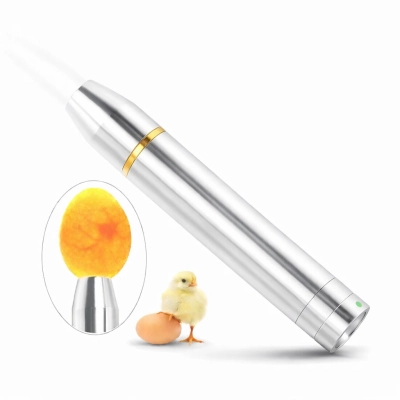
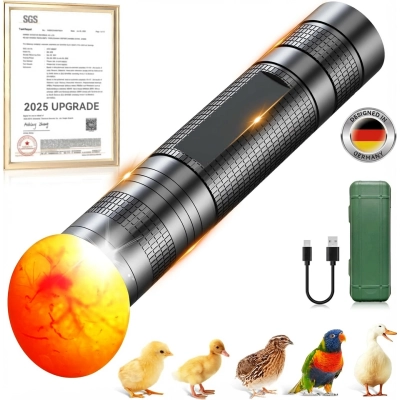
Tip: Use a flashlight to check air cell growth. Record each change you make. Change only one thing at a time.
Dry/Heated: Start Normal or Slightly Higher, Watch Ventilation
You may live in a dry climate or use heating in winter. The air in your room feels dry, and eggs lose water quickly. You need to start with normal or slightly higher humidity. This helps prevent embryos from drying out. If humidity stays too low, chicks may stick to the shell membrane and struggle to hatch.
Here are some steps you can follow:
- Add extra water to your incubator to increase humidity.
- Reduce ventilation if eggs lose weight too fast.
- Check the air cell size and egg weight loss chart often.
- Raise humidity for lockdown to keep membranes moist during hatching.
You should watch your incubator closely. Adjust humidity and ventilation based on your climate. Record every change you make. This helps you learn what works best for your hatching eggs.
Note: Climate based incubation and season humidity adjustment help you get better results all year.
Troubleshooting
Oversized/Undersized Air Cells, Shrink-Wrapped or Sticky Chicks, Late/Early Hatches
You may notice problems during incubation that affect your hatch results. Air cell size gives you clues about humidity and egg weight loss. If the air cell looks too large, eggs lost water too quickly. If it looks too small, eggs did not lose enough water. Both issues can cause trouble for chicks trying to hatch.
Here are some common problems you might see:
- Oversized Air Cells: Chicks may dry out before hatching. This often happens when room humidity is low or ventilation is too strong. You can fix this by raising humidity or reducing airflow in your incubator.
- Undersized Air Cells: Chicks may have trouble breaking through the shell. High room humidity or poor ventilation can cause slow water loss. Lower the humidity during incubation to help air cells grow.
- Shrink-Wrapped Chicks: If humidity drops too low during lockdown, membranes dry out and stick to chicks. Always increase humidity for lockdown and avoid opening the incubator too often.
- Sticky Chicks: High humidity throughout incubation can keep membranes too wet. Chicks may get stuck and struggle to hatch. Adjust humidity based on your egg weight loss chart and air cell growth.
- Late or Early Hatches: Temperature and humidity changes can shift hatch timing. Too low temperature or high humidity may delay hatching. Too high temperature or low humidity may cause early hatches.
Tip: Candle eggs every few days to check air cell growth. Record each change you make. Change only one variable at a time for best results.
Malpositions and deformities in chicks can also occur. Improper egg positioning, inadequate humidity loss, and poor ventilation are common causes. You can reduce these risks by monitoring humidity, handling eggs gently, and keeping temperature and ventilation steady.
If you see problems, adjust your climate based incubation settings. Use season humidity adjustment to match your local conditions. Watch your egg weight loss chart and air cell growth to guide your choices. These steps help you support healthy hatching and improve your hatch rate.
Keep Learning
Humidity & Weight-Loss Method
You can improve your hatch results by learning how humidity and egg weight loss work together. Instead of picking dry hatch humidity settings or traditional incubation humidity first, start by checking your room’s humidity, airflow, and temperature stability. Use an egg weight loss chart to track progress. Adjust your incubator settings based on what you see.
- Controlled increases in CO2 during early incubation can help chicks develop better.
- Higher CO2 and humidity (up to 80%) in the first week may lead to more successful hatching.
- Regular checks help you spot problems early and make small changes.
Tip: Always record each adjustment. Change only one thing at a time to see what works best for your climate.
Environmental monitoring tools, like multilevel sensors, give you real-time data on temperature and humidity. These tools help you keep conditions steady, which supports healthy air cell growth and chick development.
Species-Specific Timelines
Every bird species has its own needs for hatching. You should research the right humidity and temperature for your eggs. For example, chicken eggs need lower humidity than duck eggs because duck eggs have thicker shells. Using the right settings for each species gives you better results than using the same method for all eggs.
- Most species need about 60% humidity until pipping.
- After pipping, raise humidity to 70%.
- For turkeys, increase humidity by 2–3% for best results.
“Avian embryonic development is generally restricted to a thermal range between 30.0 and 40.0°C, with many species having an optimal range of 38.0–39.0°C. Prolonged exposure to temperatures outside this optimal range can be harmful to developing embryos.”
Incubation periods also vary. Larger eggs usually take longer to hatch. Always check the timeline for your species and adjust your settings as needed.
High Altitude Incubation
If you live at high altitude, you face special challenges. The air is drier, and eggs can lose water too fast. Humidity may drop as low as 10%. You should keep humidity at least 50% in your incubator. Use foggers or psychrometers to help maintain moisture. If you see too much weight loss, raise humidity or reduce airflow.
- High altitude can cause dehydration and excessive weight loss in chicks.
- A higher brooding temperature (35°C) in the first week after hatch can lower chick mortality.
- Intermittent lighting after 7 days can help reduce health problems without harming development.
Note: Not monitoring humidity regularly or making sudden changes can harm embryos. Always keep an eye on both temperature and humidity for the best hatching results.
Cabinet vs. Desktop Incubators
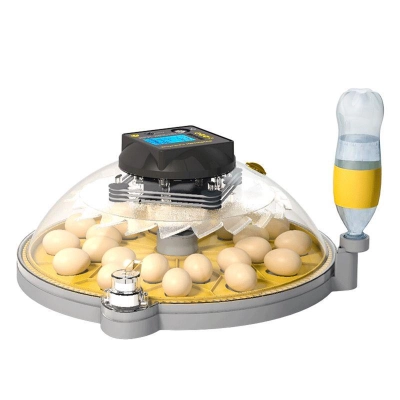
When you choose hatching incubators, you need to think about the differences between cabinet and desktop models. Cabinet incubators work well for people who want to hatch many eggs at once. These machines keep temperature and humidity steady across all trays. You get more predictable results, even if you hatch eggs from different breeds or color lines.
The consistent temperature, humidity control, and automatic turning system have led to excellent hatch rates for me. Each hatch has been predictable, and even tricky color lines have performed well thanks to the incubator’s precise environmental management.
Cabinet incubators use fans to move air evenly. This helps every egg get the same conditions. You can set the temperature to 99–100°F (37.2–37.8°C) for forced-air models. You also get better humidity control, which is important for reaching the right egg weight loss and air cell growth. Some models even let you adjust humidity and temperature for each shelf.
- Cabinet incubators are designed for high-volume hatching with precise temperature and humidity management.
- Desktop incubators cater to smaller batches and may lack the same level of humidity control.
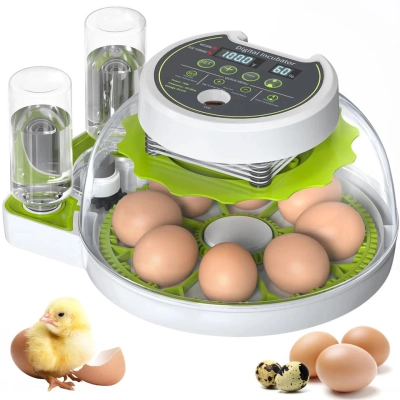
Desktop incubators work best if you want to hatch a small number of eggs. These machines are easy to set up and move. You can use them in small spaces, but they react more to changes in room temperature and humidity. You need to check the temperature at egg height and use two thermometers to make sure your settings are right. Desktop models may need more attention, especially if your room has big swings in humidity.
The CT180SH cabinet incubator emerged as the clear winner in her experiment, praised for its precision in humidity and temperature control.
If you want steady results and less guesswork, a cabinet incubator gives you more control. If you only hatch a few eggs at a time, a desktop incubator can still work well. Always track your egg weight loss chart and air cell growth, no matter which incubator you use. This helps you adjust your settings for the best hatch.
You should choose dry hatch or traditional humidity by checking your local climate, season, and room setup. Always monitor egg weight loss or air cell size for the best results. Adjust your approach as needed.
- Tracking egg weight loss shows how much moisture leaves the egg.
- Candling helps you see air cell growth, which guides your humidity changes.
- Stable incubator conditions support healthy chicks.
| Factor | Effect on Hatch Success |
|---|---|
| Weight Loss | 10–13% loss before lockdown helps chicks hatch well. |
| Ongoing Learning | Adjusting temperature and humidity improves outcomes. |
No single method works for every situation. Stay flexible and keep learning to improve your hatch rates in 2025.
FAQ
What is the main difference between dry hatch and traditional incubation humidity?
Dry hatch uses lower humidity to help eggs lose water at the right rate, especially in humid rooms. Traditional incubation humidity works best in dry climates. You should always check egg weight loss or air cell growth to guide your choice.
How do I use an egg weight loss chart during incubation?
You weigh your eggs at the start. Every 3–4 days, weigh them again. Use an egg weight loss chart to track if you reach about 11–13% loss before lockdown. Adjust humidity if the eggs lose weight too fast or too slow.
When should I raise humidity for lockdown?
You should raise humidity during the last 2–3 days before hatching, called lockdown. This higher humidity keeps membranes moist and helps chicks hatch. Try to keep the incubator closed during this time.
How does climate based incubation affect my settings?
Your local climate changes how much water eggs lose. In dry climates or heated rooms, eggs lose water faster. In humid or rainy seasons, eggs lose water slower. Adjust your humidity and ventilation based on your climate and season humidity adjustment.
Why do I need to check air cell growth?
Air cell growth shows if eggs lose the right amount of water. If the air cell is too small, lower humidity. If it is too large, raise humidity. Candling helps you see air cell size and make changes for better hatching results.


0 Comments