Incubation Guide Part 2: Essential Environmental Controls for Successful Egg Incubation
A strong hatch starts before Day 1. Your results depend less on “luck” and more on whether your incubator environment stays stable at egg height. This guide gives you a simple control plan you can repeat: temperature, humidity, airflow, and turning.
Source and Scope
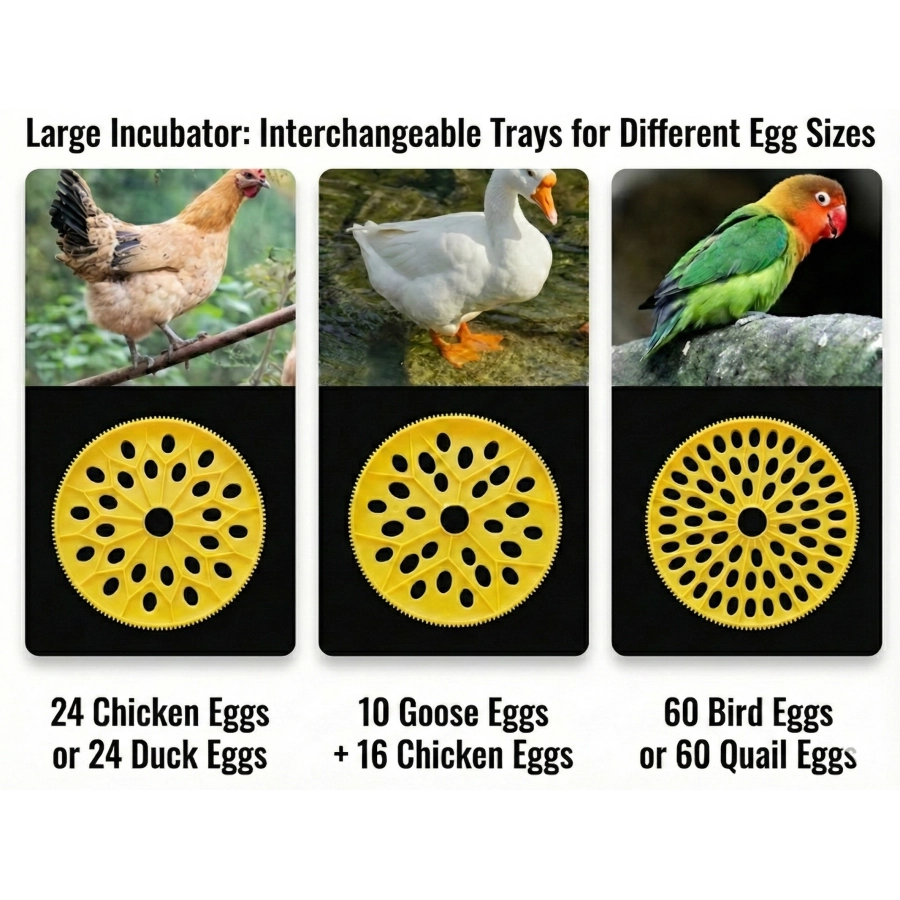
These steps reflect common at-home incubation routines and standard incubator practice. Settings below use chicken eggs as the baseline. Different species and egg sizes can need small adjustments, so use your records and candling notes to confirm trends instead of changing numbers daily.

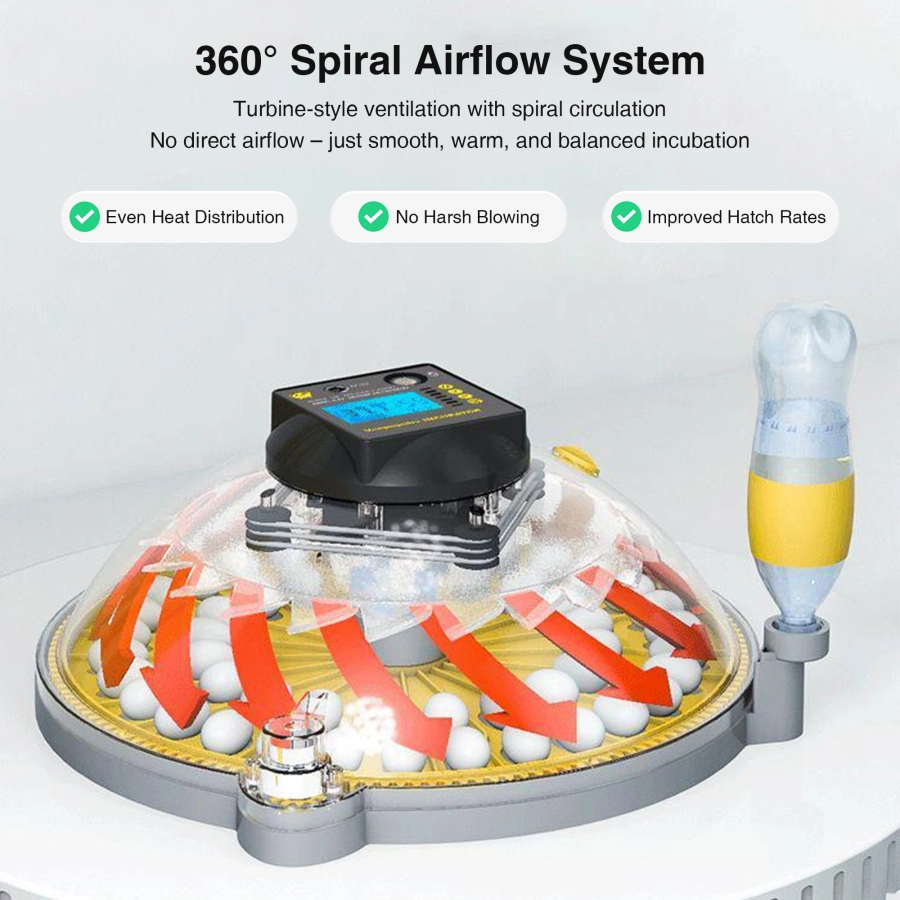
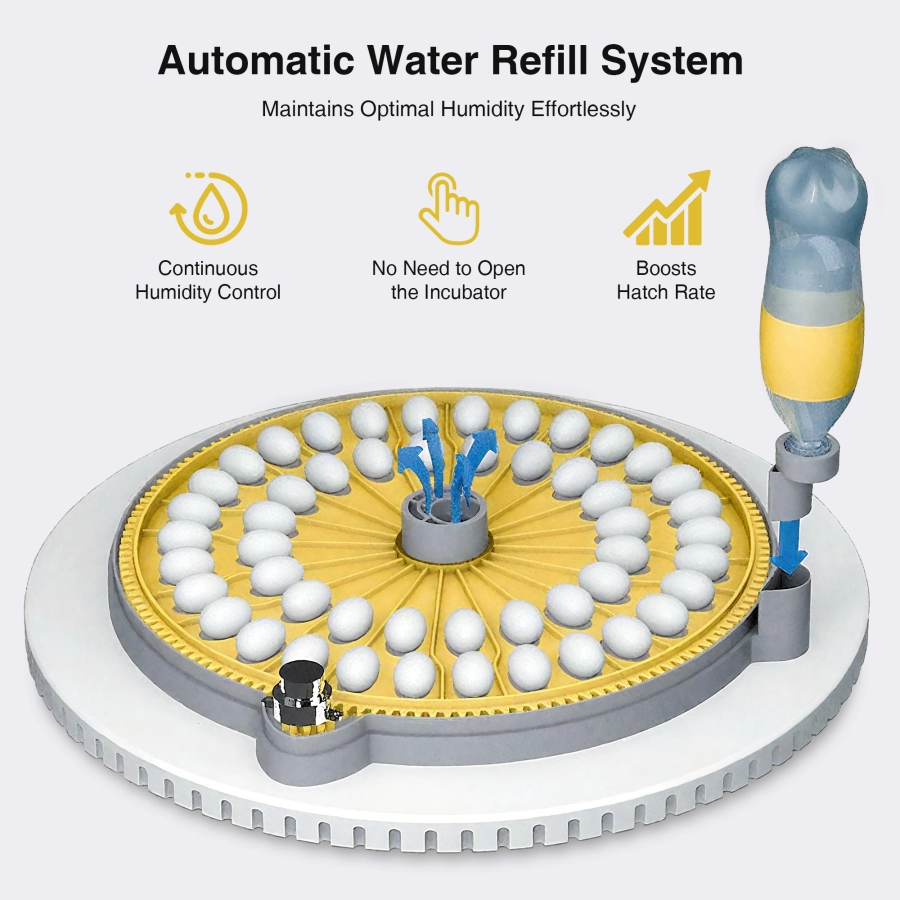
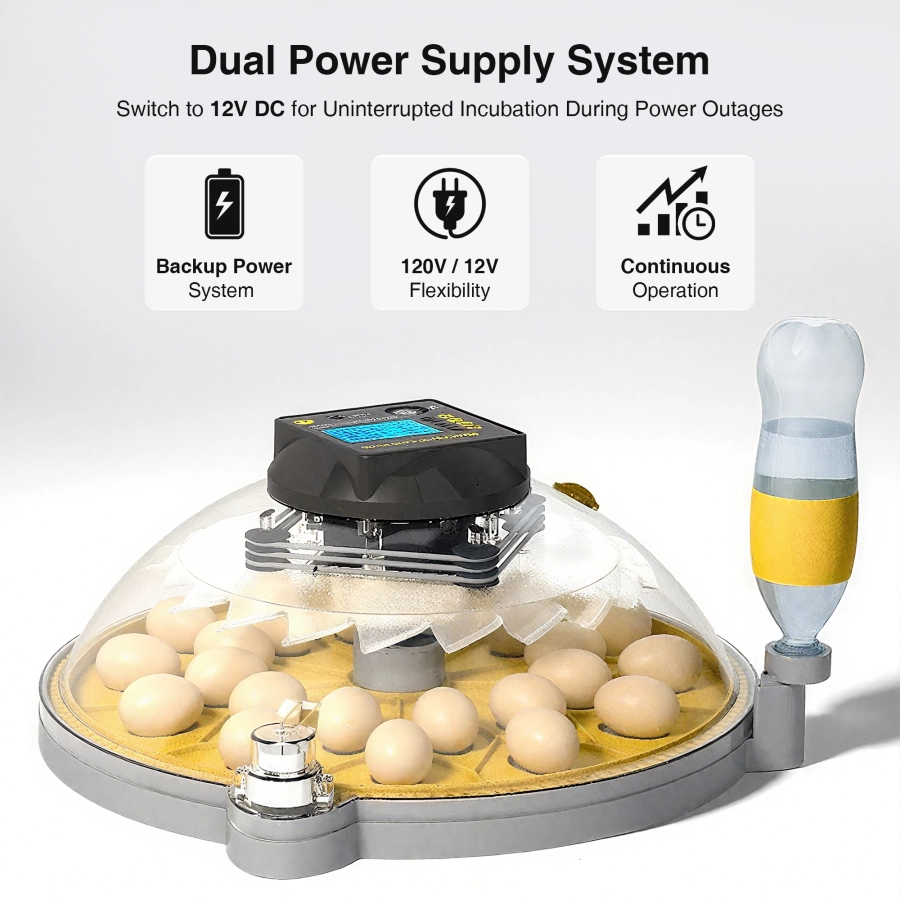
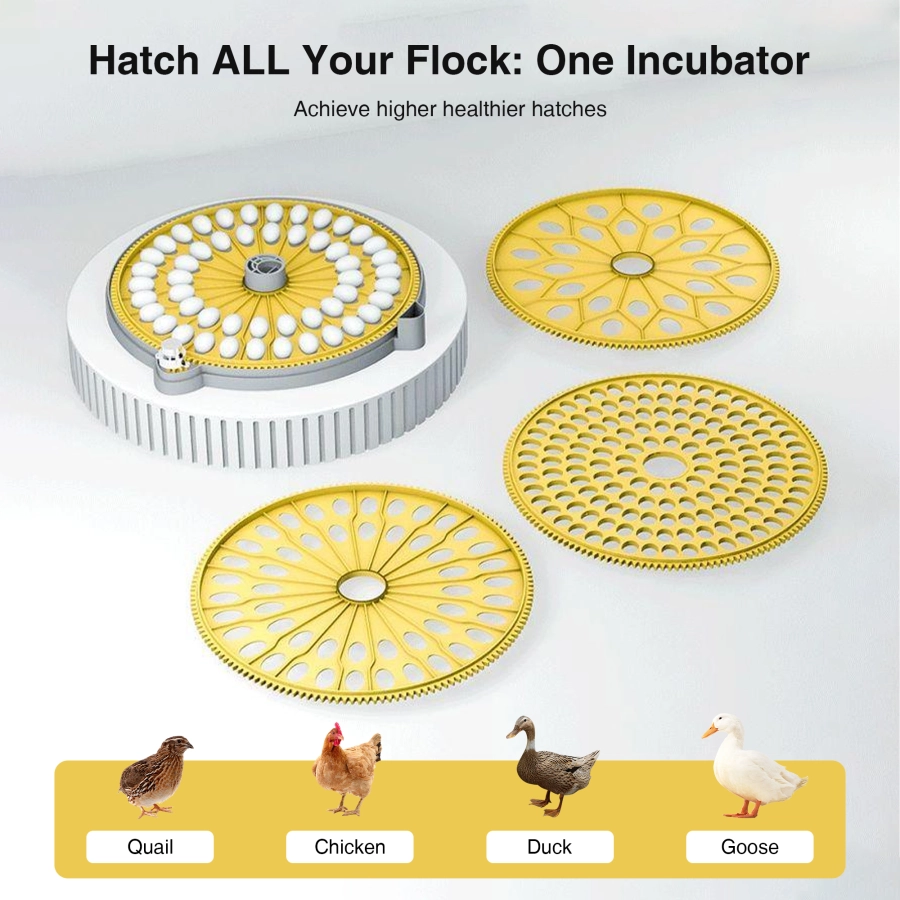
The Four Controls That Decide Your Hatch
Conclusion: Control these four, and most “mystery failures” disappear.
• Temperature: stable heat at egg height drives normal embryo growth.
• Humidity: a steady trend supports normal moisture loss and membrane softness late hatch.
• Airflow: consistent ventilation supports oxygen needs, especially later in incubation.
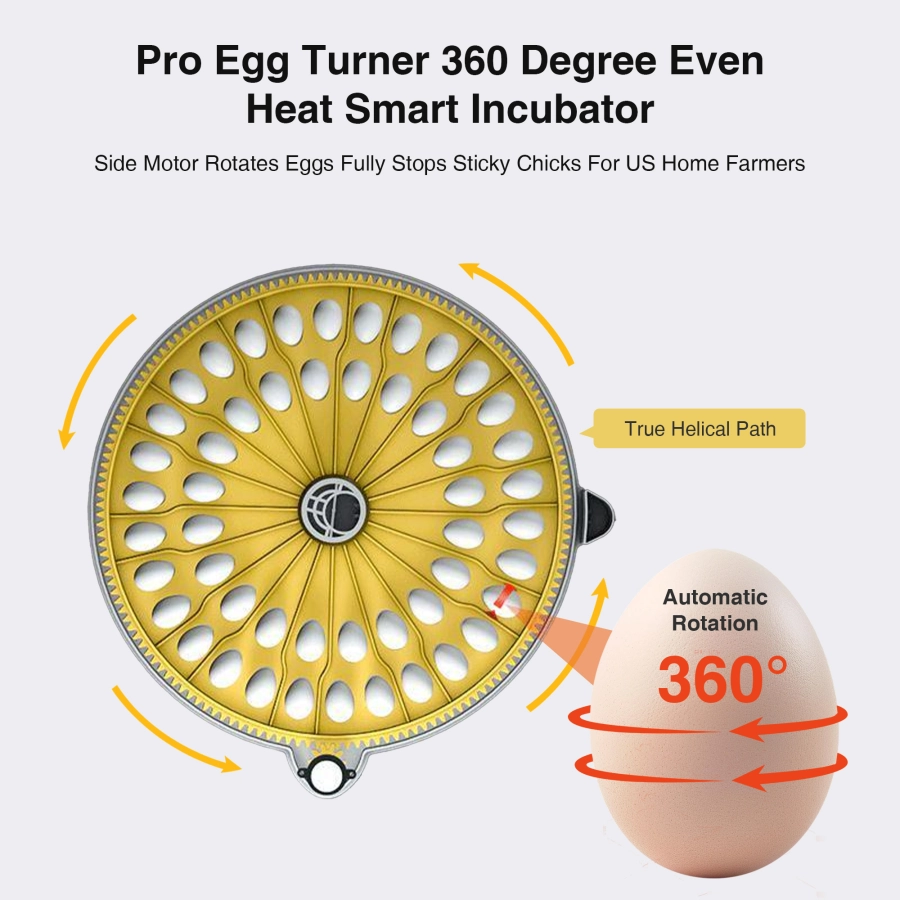
• Turning: consistent turning supports normal positioning and reduces early sticking risk.
48-Hour Dry Run Before You Set Eggs
Conclusion: A dry run finds problems before eggs are inside.
• Probe placement: confirm readings at egg height, not near the lid or a vent.
• Tool check: compare a second thermometer and hygrometer so you do not trust a bad sensor.
• Stability test: look for steady numbers over hours, not perfect numbers for 5 minutes.
Temperature Control
Conclusion: Measure at the right place, then stop chasing tiny changes.
• Forced-air baseline: set about 99.5°F / 37.5°C for chicken eggs and confirm at egg height.
• Still-air note: still-air models are commonly read near the top of the eggs, where the warmest air sits.
• Stability rule: avoid frequent re-setting. Frequent changes create swings that embryos feel more than small offsets.
Humidity Control
Conclusion: Humidity works when it is stable and verified, not constantly adjusted.
• Starter baseline: many chicken egg runs begin around 50–55% RH with minimal lid opening.
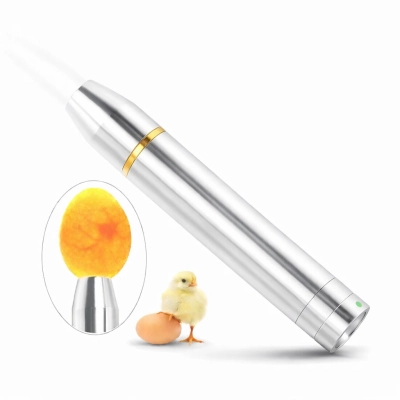
• Verify by candling: use air cell notes as your trend check instead of “guess-and-tweak.”
• Plan for lockdown: late hatch typically needs higher humidity and fewer openings. Use this guide when you get close: Egg Incubation Lockdown.
Ventilation and Room Placement
Conclusion: A stable room prevents incubator swings.
• Room stability: aim for 65–75°F / 18–24°C and keep the incubator away from sun, vents, heaters, and drafts.
• Do not move it: moving changes airflow and sensor behavior, which changes your “true” egg-height conditions.
• Airflow consistency: keep vents consistent and do not block fan paths. Late embryos need more oxygen.
Turning Control
Conclusion: Consistent turning beats a complicated schedule.
• Auto turning: many turners run 4–8 turns per day spaced evenly, which reduces missed turns.
• Manual turning: aim for at least 3 turns per day and avoid long gaps.
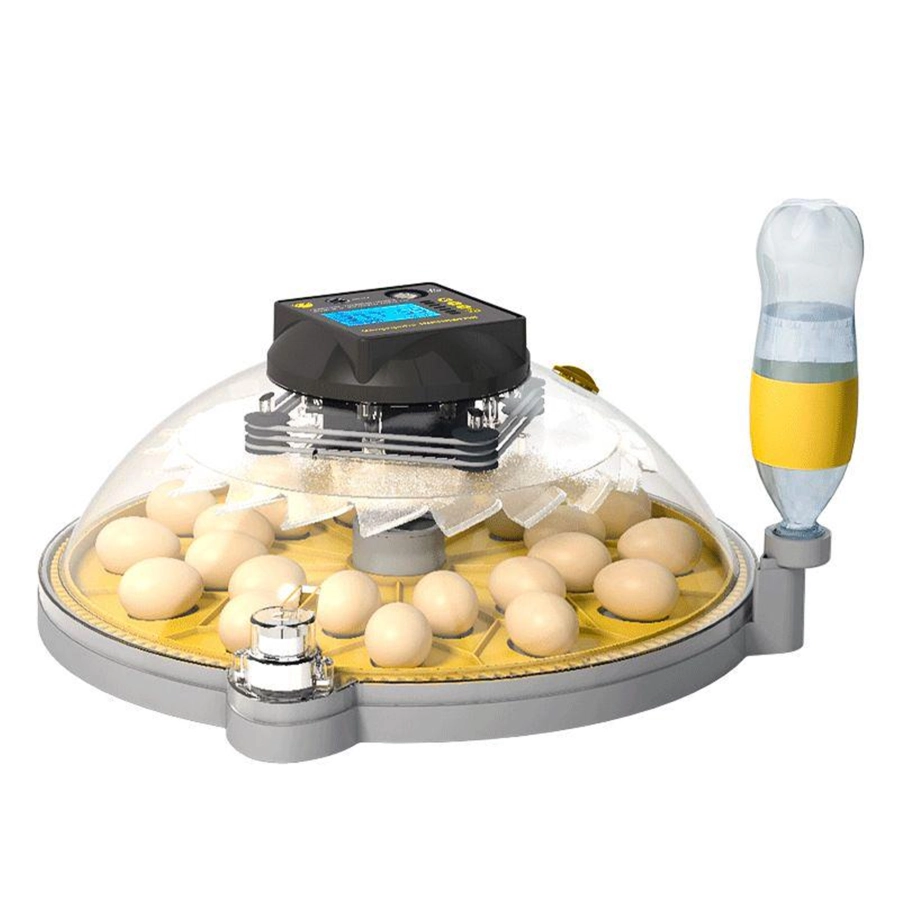
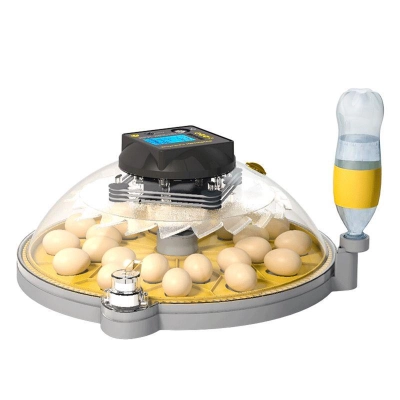
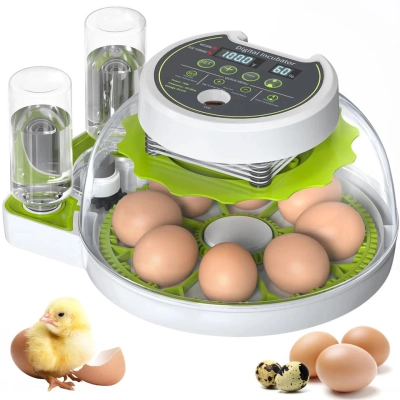
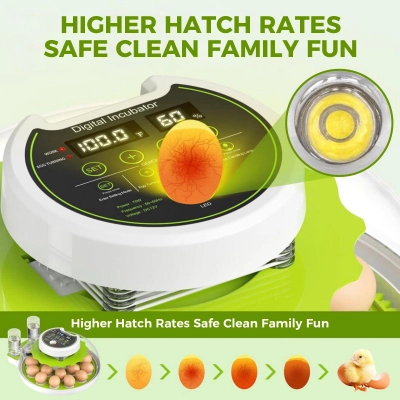
• Reduce handling: if missed turns are your weak spot, consider an Automatic Egg Incubator to keep routines consistent.
Preparing Your Eggs
Conclusion: Gentle prep reduces contamination risk and prevents avoidable condensation.
• Warm slowly: if eggs were stored cool around 50–59°F / 10–15°C, bring them to 71–77°F / 22–25°C for 4–12 hours before setting.
• Clean only if needed: only clean visibly dirty eggs. Gentle wiping is safer than washing in cold water.
• Mark for control: use pencil marks so you can confirm turning quickly without long handling.
Want a deeper selection and storage workflow? Use our Egg Selection and Storage Guide.
Placing Eggs: Space, Stability, and Airflow
Conclusion: Space prevents hot spots and helps turning work properly.
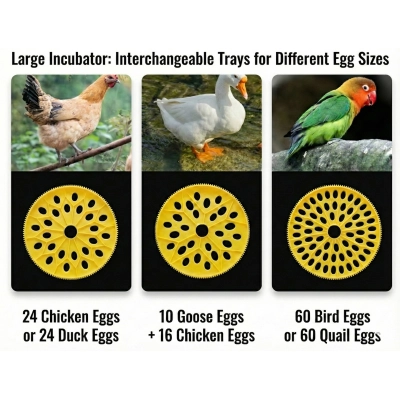
• Do not overcrowd: each egg needs space so air can circulate around shells.
• Seat eggs firmly: loose eggs may not turn correctly and can drift into contact points.
• Handle gently: impacts and shaking can harm embryos before incubation even begins.
Still choosing equipment? Browse our Egg Incubator Collection for different sizes and workflows.
The Last Check Before You Start
Conclusion: Start only when your environment is stable and your routine is clear.
• Verified readings: temperature and humidity are confirmed with your tools at egg height.
• Turning confirmed: the turning mechanism works and eggs are seated correctly.
• Lid discipline: you have a plan to reduce openings, especially early and late incubation.
Simple Daily Record
Conclusion: Records turn one hatch into better results next hatch.
• AM / PM: egg-height temperature and humidity trend.
• Turning: auto turning OK or manual turns completed.
• Exceptions: lid openings, outages, location changes, and any adjustments made.
Next Step: Monitor and Candle the Right Way
Once your environment is stable, the next skill is monitoring without over-handling. Part 3 shows how to candle on schedule, track development, and catch problems early.
👉 Ready for the next step? Check out Part 3: Incubation Monitoring and Egg Candling.
Data authenticity note: This guide reflects practical at-home incubation routines. Outcomes vary by egg fertility, storage age, incubator airflow design, sensor placement at egg height, room drafts and temperature swings, shell cleanliness, and how often the lid is opened. For best learning, change one variable at a time and keep a simple daily log.


0 Comments