Blog Categories
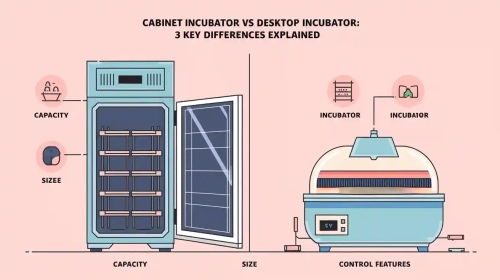
Desktop incubator not giving consistent hatch results?
A desktop egg incubator is perfect for small batches, first-time hatchers, and classroom projects—but it’s also more sensitive to room conditions and lid-opening than many people expect. This tag page is your “choose-and-set-up” guide: first pick the right style of incubator for your goals, then set it up in a way that prevents avoidable Hatching Failures.
Best of (Start Here)
1) Desktop vs cabinet: choose based on your hatch “workflow”
If you’re hatching a handful of eggs at a time (or you need something portable), a desktop incubator usually makes sense. If you plan to run large batches, stagger hatches, or keep a steady supply of chicks, a cabinet-style setup can be easier to manage. The goal is to match the machine to your routine—because the “best incubator” is the one you can run consistently.
2) Set up a desktop incubator for stability (the part most people skip)
Desktop units are compact, so small environmental changes matter more. Place your incubator away from windows, heaters, and drafts. Pre-warm it before loading eggs, and verify what the eggs experience (not just what the display says). A stable baseline—steady temperature, steady humidity, reliable turning—prevents most beginner mistakes.
3) Incubation Troubleshooting: fix the cause, not the symptom
If something looks “off,” use a simple troubleshooting path instead of changing five settings at once. Good Incubation Troubleshooting starts by identifying your stage and symptom:
- Early quits / clears: review egg handling, storage, and turning consistency.
- Late hatch / weak chicks: suspect temperature drift or measuring in the wrong spot.
- Pip but can’t finish: focus on humidity timing and minimize lid openings during lockdown.
4) Egg Incubator Common Issues checklist (quick checks that save a hatch)
- Hot/cold spots: eggs placed too close to a heater or fan path.
- Inaccurate readings: sensors placed too high/low or not cross-checked.
- Room swings: temperature changes overnight, A/C vents, or sunny windows.
- Over-opening the lid: repeated drops in heat/humidity that stall progress.
If you’re deciding between desktop and cabinet, start with the “Best of” comparison guide, then come back and use the sections above to build a setup that’s stable enough to hatch confidently.