Blog Categories
-
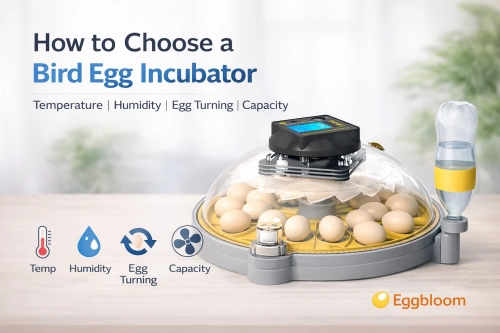 Choosing a Bird Egg Incubator for Your Pet Bird Eggs
Dec 29, 2025
-
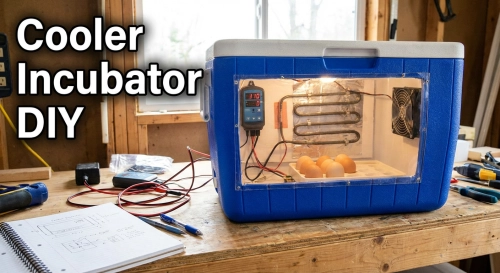 How to Make a Cooler Incubator That Holds Steady Heat and Humidity
Dec 16, 2025
-
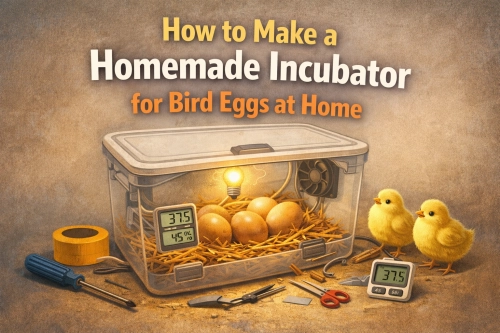 How to Make a Homemade Incubator for Bird Eggs at Home
Dec 15, 2025
-
 How Long Does It Take for Bird Eggs to Hatch? Timelines by Species
Sep 04, 2025
Bird incubation: why aren’t your eggs hatching on time?
Whether you’re incubating chicken, duck, quail, goose, or pet bird eggs, most Hatching Failures come from the same few variables: timing, temperature, humidity, turning, and airflow. Use this tag page like a guided map—find the problem you’re seeing, then jump into the articles that match it.
Best of (Start here first)
- Bird Egg Incubation Time Guide (by species + late/early hatch fixes)
- 2025 Incubation Cheat Sheet (times, temps, humidity, lockdown)
1) Plan the hatch window (species timelines)
If you’re asking “How long does it take?” start with timelines. Different birds hatch on different schedules, and even a good hatch can vary by a day or two. If your eggs are consistently early or late, that’s usually a clue your incubator conditions are drifting. Use the incubation-time guides below to confirm the target days and the normal hatch window for your species.
2) Dial in the three fundamentals: temp, humidity, turning
For most home setups, stable temperature is the priority, then humidity control, then a reliable turning routine. If development looks slow, weak, or uneven, check temperature first. If chicks pip but struggle to finish, humidity timing (especially during lockdown) is often the issue. If you’re seeing early quits, review turning frequency and egg handling.
3) Lockdown & hatch day decisions
Lockdown is where small mistakes feel big: opening the lid too often, chasing humidity, or changing airflow at the wrong time. If your problem happens at the very end (pips, zips, shrink-wrap), head straight to the lockdown-focused posts in this tag.
4) Incubation Troubleshooting: symptom → cause → fix
Need Incubation Troubleshooting? Use the articles here to match what you see (late hatch, no pip, weak chicks, stuck chicks) to likely causes (temp swings, low/high humidity, poor ventilation, turning errors) and quick corrections that improve your next hatch.
5) Egg Incubator Common Issues (equipment & environment)
When results don’t make sense, it’s often Egg Incubator Common Issues: inaccurate sensors, hot/cold spots, blocked vents, dirty fans, unstable room temperature, or power interruptions. The guides below help you verify readings, place probes correctly, and stabilize your setup so your hatch results become repeatable.