When you set that first tray of eggs in the incubator, you want one simple thing: to know when those tiny beaks should start working on the shell. You do not want vague answers. You want a clear timeline, a normal window, and a calm plan for the days that feel too quiet.
This guide walks you through real-world bird egg incubation time for the most common backyard and classroom species. We will start with a quick answer, then look at a simple chart by species, and then talk about why some hatches are early or late and what you can do about it.
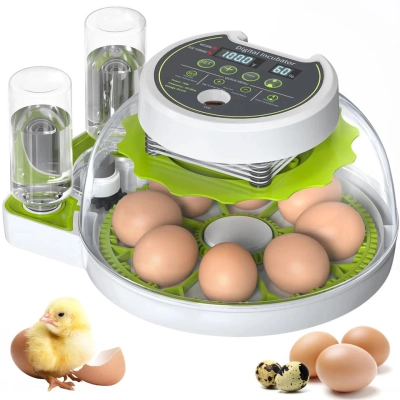
If you want your bird egg incubation time to stay close to the target days in this guide, a steady incubator helps a lot. You can look at our egg incubator collection when you are ready to choose or upgrade your setup.
A quick answer to bird egg incubation time
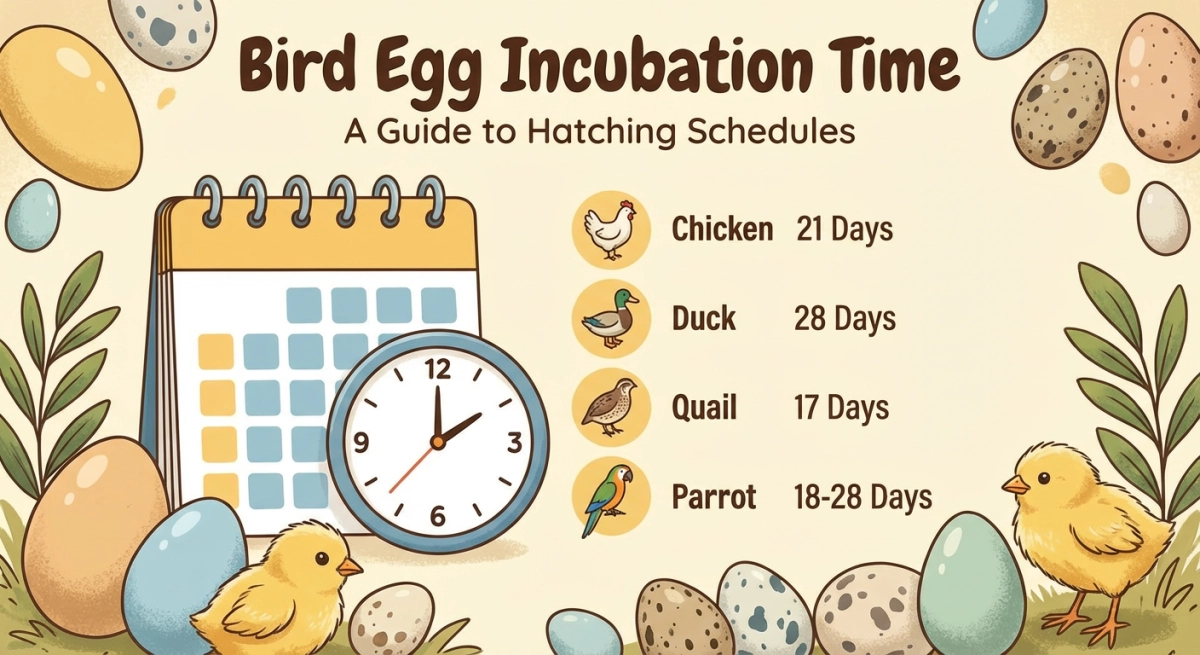
Most small wild birds hatch in about 10 to 14 days. Larger wild birds can take several weeks. For backyard poultry and common home-incubated birds, you will usually see hatch times between about 16 and 35 days, depending on the species.
In a well-set home incubator, typical targets look like this:
- Chicken eggs: about 21 days, with many chicks hatching between day 20 and day 22.
- Most domestic duck eggs: about 28 days.
- Muscovy duck eggs: about 35 days.
- Goose eggs: often 30 to 32 days, with a wider normal window from about 28 to 35 days.
- Turkey eggs: about 28 days.
- Coturnix quail eggs: about 17 to 18 days.
- Bobwhite quail eggs: about 23 to 24 days.
These numbers assume that your incubator holds the right temperature and humidity from start to finish. Small swings will not always ruin a hatch, but they can shift the timing. Slightly higher temperature can make chicks hatch early. Slightly lower temperature can push them a day or two late.
Who this guide is for
This guide is for people who actually have eggs in hand or on the way. You might be a backyard chicken keeper trying ducks for the first time, a small-scale farmer with a mixed tray of goose and chicken eggs, or a teacher running a classroom hatch.
We are not going to talk like a field guide for bird watchers. We will talk like someone standing next to your incubator, helping you decide when to wait, when to worry, and when to adjust your setup for the next batch.
Bird egg incubation time by species: quick reference chart
Use this chart as a starting point for planning. The “typical days” column assumes you are using a forced-air incubator set close to 99.5°F (37.5°C) with good air flow and correct humidity. The “common hatch window” shows the range where most healthy chicks will hatch when conditions have been mostly stable.
| Species | Typical days in incubator | Common hatch window | Notes for backyard hatchers |
|---|---|---|---|
| Chicken | 21 days | Day 20–22 (up to day 23–24 if temps ran cool) | Most home hatches will see pips late on day 20 or on day 21. |
| Domestic duck (not Muscovy) | 28 days | Day 27–29 | Common backyard breeds like Pekin and Rouen follow this pattern. |
| Muscovy duck | 35 days | Day 34–37 | Always the slowpoke. Do not panic at day 28. It still has a long way to go. |
| Goose | 30–32 days | Day 28–35 | Different breeds vary. Many backyard keepers see goslings closer to day 31–32. |
| Turkey | 28 days | Day 27–29 | Very similar timing to domestic duck eggs in a stable incubator. |
| Coturnix quail | 17–18 days | Day 16–18 | These tiny eggs move fast. Many batches start hatching late on day 16 or day 17. |
| Bobwhite quail | 23–24 days | Day 22–25 | Do not use Coturnix timing for Bobwhite. They belong in a slower group. |
| Pheasant | 24–25 days | Day 23–26 | Often close to turkey timing but a little shorter. |
| Pigeon or dove | 17–18 days | Day 16–19 | Common in school projects and small lofts, with a quick, tight window. |
| Small songbirds (wild nests) | 10–14 days | Varies by species | Usually under parents, not in a home incubator. |
Remember that this chart is a guide, not a promise. Your hatch can still turn out well if a few chicks are a little early or a little late, as long as the incubator stayed close to the right settings most of the time.
If you want a deeper duck-only breakdown with a day-by-day view, you can read our duck egg incubation time guide. For geese, our goose egg incubation guide walks through timing, humidity, and cooling in more detail. And if you keep quail, our quail hatching guide can help you weigh natural versus incubator hatches.
Why incubation time is not always exact, even for one species
If all eggs came from the same flock and sat in the same incubator, you might expect them to hatch like popcorn in a pan, all at once. In real life, they do not. Some pip early. Some wait. A few never hatch at all.
The biggest driver of timing is temperature. Most home incubators aim for about 99.5°F (37.5°C) in a forced-air unit. Still-air incubators often need the thermometer to read closer to 101–102°F at the top of the eggs to keep the embryo itself at the right warmth. When the true egg temperature runs a little high, chicks grow faster and can hatch early. When it runs a little low, development slows and hatch can lag by a day or two, sometimes more.
Humidity also plays a role. The chick loses water through the shell as it grows. If humidity is too low for too long, the air cell can grow too large, and the chick may be ready to hatch slightly early but can have trouble turning or zipping. If humidity is too high, the chick may carry extra fluid and hatch late or with more effort.
Turning and egg handling matter too. Eggs that are turned regularly during the early days tend to develop more evenly. Eggs that sat for a long time before setting, or that came from birds in poor condition, may lag behind their “on paper” due date.
In short, when you see an early or late hatch, it does not always mean you did something wrong. It is often a mix of small factors: storage time, temperature drift, humidity swings, and the natural variation between individual chicks.
Natural nest vs home incubator timing
In a natural nest, the parent bird does her best, but the environment changes. Rain comes through. Sun heats one side of the nest. She leaves to eat. Those little swings can push hatch time around more than a good incubator will.
A stable incubator can hold a tighter schedule. That is why your chicken eggs in a good incubator often cluster very close to day 21, while the same hen might see chicks under her on day 20 in one clutch and day 22 in another.
What to expect in the last week before hatch
The last week before hatch is when your heart moves up into your throat. The eggs look still. The calendar says “almost there.” You start counting hours. It helps to know what a normal last week looks like for each species.
Chicken eggs: days 18–23 in a home incubator
For chickens, day 21 is the classic number. Many backyard hatches go into “lockdown” at the end of day 18. That means you stop turning the eggs, raise humidity, and avoid opening the lid unless you have a true emergency.
- Around day 18: You stop turning. You fill water channels or add trays so humidity rises into roughly the 60–70% range. The air cell should be a good size now.
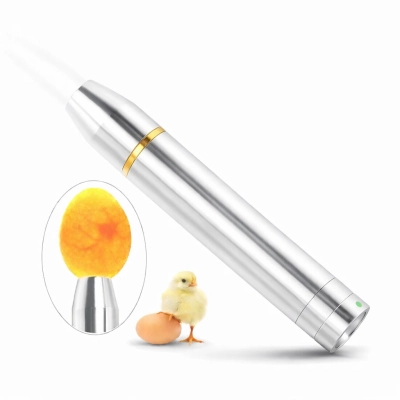
- Day 19–20: You may see eggs rock or wiggle. If you candle quickly in a dark room, you may see the chick pulled up into the air cell. This is when internal pipping happens.
- Day 20–21: Many chicks make their first external pip. You might see a tiny crack like a pencil line on the shell and hear faint peeps if the room is quiet.
- Day 22–23: Some slower chicks are still working. They may pip late or need more time to rest after pipping before they zip around the shell edge.
If the incubator has run a bit cool, do not be shocked if most chicks hatch on day 22 instead of day 21. That can be normal. We will talk about “how long to wait” in the next section.
Ducks, geese, and quail: slower and faster clocks
Duck and goose eggs usually take longer than chicken eggs. Many ducklings from standard domestic breeds choose day 28 as their big day, with movement and pipping starting a day or two before that. Geese often sit in the shell well into the 30s in days.
- Domestic ducks: Look for rocking and internal pipping around days 25–26, with external pips often on day 27 or 28.
- Geese: Many breeds show the most hatch action between days 30 and 32, but normal goslings can still hatch as early as day 28 or as late as day 35.
- Muscovy ducks: They test your patience. Pips may not appear until days 34–35.
- Coturnix quail: These little eggs often go from still to “full popcorn” very fast. Late day 16 or day 17 can be busy. Your incubator can sound like it is full of tiny marbles.
Knowing that your duck or goose eggs belong on a longer clock can keep you from opening the incubator too soon. A premature open during hatch week is one of the most common ways new hatchers lose humidity and shrink-wrap chicks.
When your hatch is “late”: a calm troubleshooting guide
There is a special kind of silence on the day you expected pips and saw none. Your brain goes straight to the worst case. Before you decide that everything is lost, walk through a simple, calm check.
Day 21 and no pips: chicken egg checklist
For chicken eggs, a quiet day 21 does not always mean failure. It does mean you should think about how the batch has been treated. Ask yourself a few questions.
- Has your incubator thermometer been checked against a trusted spare at least once?
- Did you ever see the temperature sit low for several hours, such as during a power cut?
- Did you open the incubator often during the last week, letting heat and humidity drop?
- Were the eggs old or held for many days before you set them?
If your answers point toward cooler temps or older eggs, it is reasonable to keep waiting through day 22 and day 23 while you leave the lid closed. Many cool-incubated batches hatch one full day late and still produce strong chicks.
If you are past day 24 with no pips, and candling shows no movement or clear signs of life, the odds of any chick hatching are very low. It is still your choice when to switch the incubator off, but you should know that success after that point is rare.
How long to wait after “due date” for different species
The safe waiting window depends on the species and on how confident you are in your temperature readings. As a simple rule of thumb, many hatchers use this guide:
- Chickens (21-day target): Often wait to day 23 or 24 if the incubator might have run cool.
- Domestic ducks and turkeys (28-day target): Often wait to day 30.
- Geese (30–32 day target): Often wait to day 35.
- Coturnix quail (17–18 day target): Often wait to day 19.
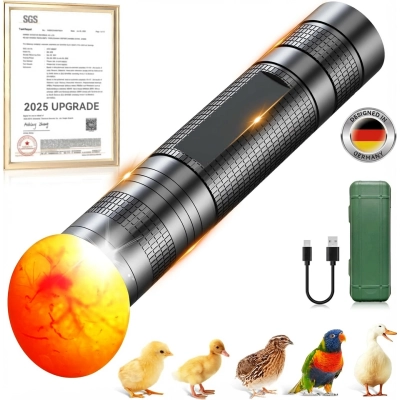
These are not hard rules. They are common ranges from many small hatchers. If you are unsure, a careful candle in a dark room can help you see if any chicks are still moving in the shell. If you do not see any veins, no shadows, and the egg looks clear or full of dark still mass with no life, it is likely no longer viable.
When to stop the incubator and open unhatched eggs
Many people want to open every unhatched egg to “see what happened.” That can teach you a lot, but it can also be hard to look at. If you choose to do this, only do it after you are sure the hatch is over and the eggs are cold. Never crack an egg that might still have a live chick inside.
When you do look, you may notice patterns over several batches: chicks that died early in development, chicks that made it to the air cell but never pipped, or chicks that pipped but never zipped. Those patterns can point toward issues like wrong humidity, poor turning, or temperature drift. That is how many experienced hatchers slowly tune their setup over time.
Keeping incubation time predictable: tools, habits, and next steps
You cannot force every egg to hatch on the same hour, but you can make your incubation time much more predictable. The trick is a mix of the right tools and simple habits that you repeat every batch.
Incubator features that help keep timing on track
- A reliable thermostat that can hold temperature close to 99.5°F (37.5°C) without big swings.
- A fan that moves air gently so the top and bottom trays stay close in temperature.
- Easy-to-fill water channels or external reservoirs, so you do not need to open the lid often.
- An automatic turning system, which keeps early development even and frees you from turning several times a day by hand.
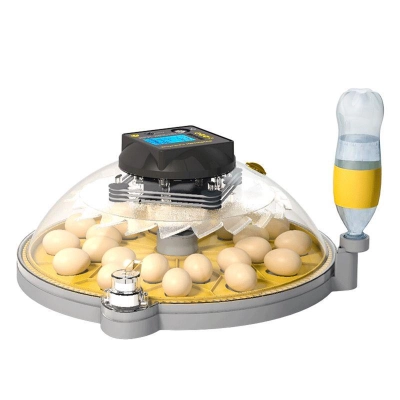
If you often hatch quail and other small bird eggs together, a unit with multiple trays makes life easier. Our Automatic Egg Incubator 3 Trays for Birds and Quail is designed for this kind of mixed, small-bird flock. It spreads heat and air across three shallow layers, which helps timing stay tighter across the whole batch.
Daily habits that reduce early or late hatches
- Use at least one extra thermometer and hygrometer, so you are not trusting a single built-in display.
- Check water levels on a regular schedule. Top up before you go to bed instead of letting channels run dry overnight.
- Avoid opening the incubator during hatch week unless you must. Each open door drop costs heat and humidity and can slow or stress late chicks.
- Write down what you do. Note set date, lockdown date, any power cuts, and when you saw the first pips and first chicks out.
No incubator and no human can give you flawless, on-the-dot hatches every time. There will always be a few eggs that were never meant to make it. Your goal is not perfection. Your goal is a healthy, repeatable pattern where most chicks hatch within a reasonable window and you understand why things turned out the way they did.
Treat this hatch as a lesson, not a final exam. With each batch, your eye for the air cell, your sense of timing, and your feel for your own machine will grow. We will be right here with you for the next round, with charts, calm words, and tools that make the waiting a little easier.



0 Comments