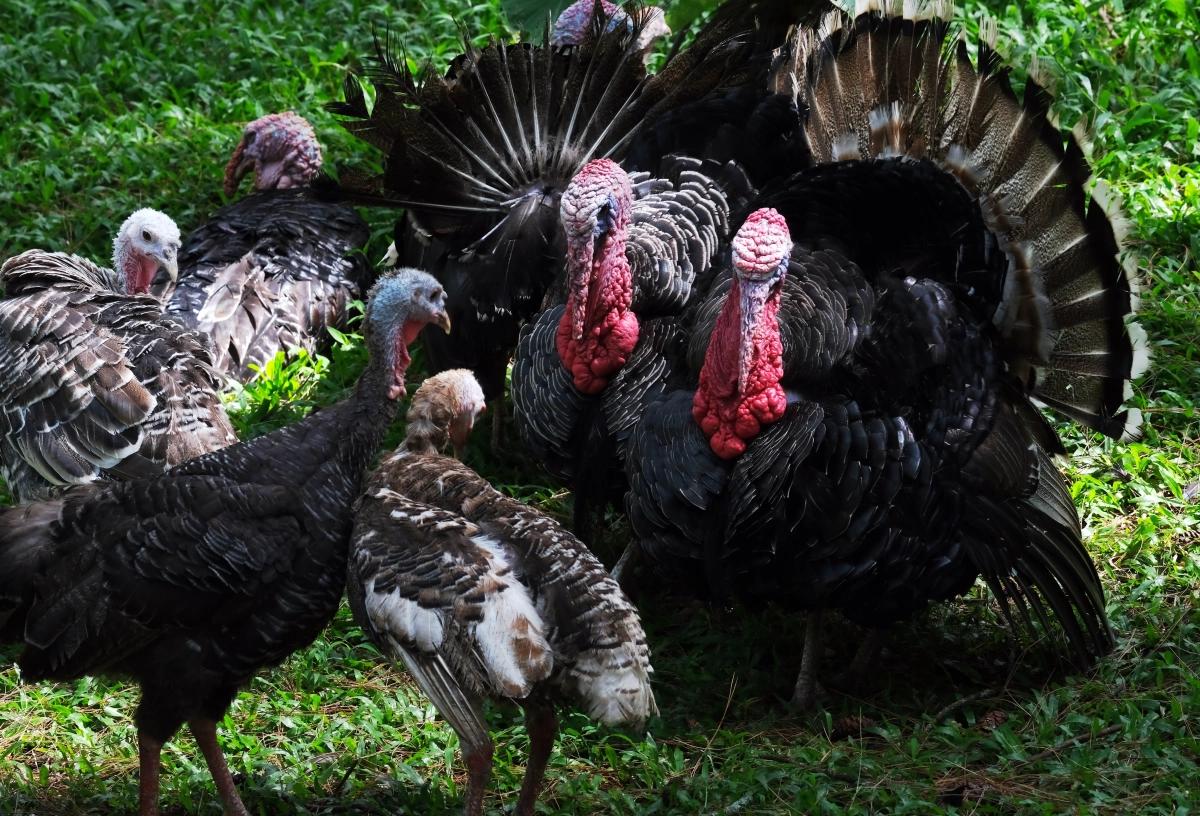
Turkey incubation usually takes about 28 days. You can expect most turkey eggs to hatch around this time, though breed and climate may cause small changes. Watch your broody hen’s daily rhythm, check the eggs by candling to track air cell growth, and look out for signs that hatching is near. Many people see over 90% of fertilized eggs hatch with natural methods. You can support your broody hen and manage the process with simple daily checks and a safe nest.
Key Takeaways
-
Turkey eggs usually hatch in about 28 days. Watch the incubation timeline so you know when poults will come.
-
Candle the eggs often, starting on day 7. This helps you check air cell growth and spot problems early.
-
Give your broody hen a safe, clean, and dry nest. This helps eggs grow well and lowers risks.
-
Look for broodiness in your hen, like staying on the nest or making low clucking sounds. Seeing these signs helps you get ready for incubation.
-
Keep the right humidity and temperature during incubation. Change them if needed, based on air cell growth, to help hatching go well.
Turkey Incubation Length
28-Day Average
Turkey eggs usually take about 28 days to hatch. This helps you know when to expect baby turkeys. Most eggs hatch after four weeks. Sometimes, the time changes a little because of breed or weather. Scientists found turkey eggs hatch in 27.5 to 28 days. That is between 660 and 672 hours. You can use this timeline to plan when to check the eggs and candle them.
Here is a quick reference table for the incubation period:
|
Evidence Type |
Description |
|---|---|
|
Incubation Period |
Turkey eggs generally hatch at 660-672 hours (27.5-28 days), depending on breed. |
|
Influencing Factors |
The growth rate and length of the incubation period depend mainly on temperature, flock age, and egg storage length. |
|
General Information |
The incubation period for turkey eggs is typically 28 days, or about four weeks. |
Start candling the eggs on day 7. Keep checking every few days. This lets you see how the air cell grows. You can find problems early and change your care if needed.
Factors Affecting Hatch
Many things can change how long turkey eggs take to hatch. Heritage breeds and commercial breeds are different. Heritage turkeys act more broody and need careful temperature and humidity. Their eggs have thicker shells. This makes them more sensitive to changes.
-
Heritage turkey eggs take about 28 days to hatch.
-
They need a steady temperature of 99.5°F and good humidity.
-
Thicker shells mean you must watch air cell growth closely.
The weather matters too. If it is humid, eggs lose weight slower. This can make hatching take longer. Use a scale or candle the eggs to check air cell size. Do not just look at humidity numbers. Eggs may hatch late if it is cold, very humid, or eggs are big. Sometimes, genetics make the hatch take longer.
Here is a table showing how temperature affects hatch rates:
|
Temperature Range (°F) |
Impact on Hatch Rates |
|---|---|
|
99.5 - 100.0 |
Optimal for incubation |
|
> 100.0 |
Can cause birth defects or no hatch |
|
< 99.5 |
Can cause birth defects or no hatch |
Keep the nest warm and dry. Check the temperature often. If eggs hatch late, wait 24–48 hours before worrying. Sometimes, hatching just takes longer, especially with big eggs or cool weather.
Tip: Watch your broody hen’s daily habits. Candle the eggs by day to check progress. This helps you see changes in the hatch timeline and act fast.
Broody Behavior
Signs of Broodiness
You can spot broody behavior in turkey hens by watching for several clear signs. When a hen becomes broody, she changes her actions and attitude around the nest. Look for these behaviors:
-
She stays on the nest most of the day and night, rarely leaving her eggs.
-
She flattens her body when you try to move her from the nest.
-
She makes a low clucking sound as she returns to her eggs.
-
She may try to nip at your hand if you get too close.
-
She fluffs up and fans her tail feathers, especially when other hens come near.
-
You might notice bald or nearly bald spots on her tummy and breast. These bare patches help her transfer body heat to the eggs.
These signs help you know when a hen is ready to start natural turkey hatch timeline. Recognizing broody turkey behavior early lets you prepare the nest and monitor her health.
Daily Routine
A broody hen follows a strict daily routine that helps her eggs develop well. Her actions keep the eggs safe and warm. Here is a table showing what she does and why it matters:
|
Behavior |
Importance for Incubation |
|---|---|
|
Maintains temperature |
Essential for embryo development |
|
Turns eggs regularly |
Ensures even heat distribution and prevents sticking |
|
Leaves nest daily |
Allows the hen to eat, drink, and relieve herself, maintaining her health and the health of the embryos |
You will see her leave the nest once a day, usually for a short time. She eats, drinks, and takes care of herself quickly, then returns to her eggs. She turns the eggs with her beak and feet to make sure they warm evenly. This routine supports healthy air cell growth in turkey eggs and helps avoid late turkey hatch problems.
Breed Differences
Not all turkey breeds show broodiness the same way. Heritage breeds, such as Bourbon Red or Narragansett, often show strong broody behavior. These hens can mate naturally and have kept their mothering instincts. You will notice that heritage hens are more likely to sit on their eggs and care for their poults.
Commercial breeds, especially broad-breasted types, rarely show broodiness. Breeders have selected these turkeys for fast growth and high meat yield. As a result, commercial hens often do not want to sit on eggs or raise young. If you want a natural turkey hatch timeline, heritage breeds give you the best chance for success.
Broody behavior usually starts after a hen has laid eggs for several weeks. On average, a turkey hen lays her first egg about 24 days after the days get longer in spring. She may lay eggs for about seven weeks, producing nearly 30 eggs. Most hens become broody and start nesting about 47 days after their first egg. Once she starts, she will nest for almost two months, caring for her eggs and, later, her poults.
Tip: Watch for changes in your hen’s routine. Early signs of broodiness help you act fast and set up a safe, quiet nest.
Nest Setup
Location & Bedding
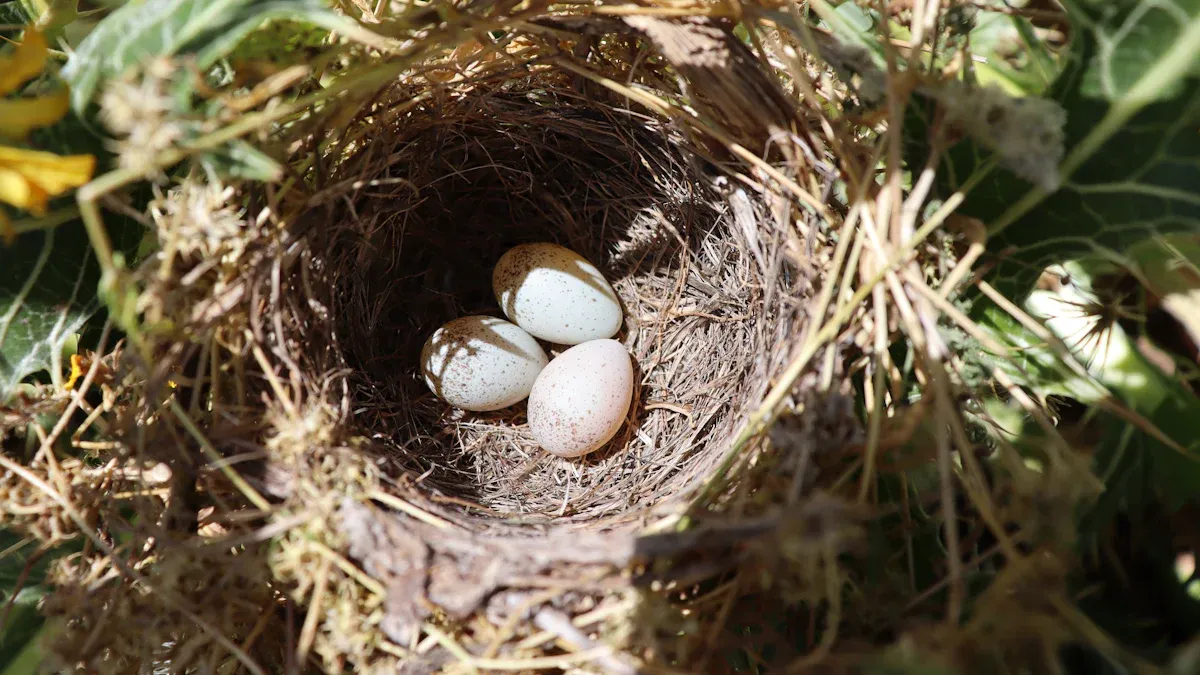
Choose a dry, sheltered spot for your turkey nest. A quiet corner of the coop or a protected area in a barn works well. You want your hen to feel safe while she sits on her clutch of eggs. Use clean straw, pine shavings, or soft hay for bedding. This helps keep the clutch of eggs warm and dry. Replace any wet or dirty bedding right away. A well-prepared nest supports healthy air cell growth turkey eggs and reduces the risk of late turkey hatch.
If you receive a clutch of eggs from another farm, let them rest upright with the small end down for 24–48 hours before setting them under your broody hen. This resting period helps stabilize the air cell and improves hatch rates.
Water & Feed Access
Always provide fresh water and feed close to the nest. Your broody hen needs easy access so she can leave her clutch of eggs for short breaks. Consistent access to water and feed keeps her healthy and strong. Without enough water, hens can suffer from health problems, including liver damage. Good nutrition and hydration help your hen maintain broody turkey behavior and care for her clutch of eggs throughout the natural turkey hatch timeline.
Tip: Place feed and water within a few steps of the nest, but not so close that it attracts pests.
Predator Safety
Protecting your clutch of eggs from predators is essential. Use sturdy nest boxes or wire enclosures to keep out raccoons, skunks, and snakes. You can also manage the area around the nest to make it less attractive to predators. Here are some effective strategies:
|
Strategy |
Description |
|---|---|
|
Trapping and removal of predators |
Reduce the number of raccoons, skunks, and coyotes before nesting season. |
|
Habitat management |
Clear brush and debris near the nest to limit hiding spots for predators. |
|
Behavioral strategies during incubation |
Encourage hens to stay alert and return quickly to their clutch of eggs after breaks. |
Reducing predator numbers by 30-50% before nesting can help more poults survive.
Egg Marking
Mark each egg in your clutch of eggs with a pencil before incubation. This prevents confusion if your hen lays more eggs or other hens join the nest. Marking helps you track which eggs belong to the original clutch of eggs and makes turkey egg candling by day much easier. If you add new eggs, mark them with a different symbol. This way, you always know which clutch of eggs is at the right stage in the turkey incubation days.
Daily Signs
Early Days
During the first week, you will notice your broody hen settles into a steady routine. She sits tightly on the nest, only leaving for short breaks. You may see her gently turning the eggs with her beak. This helps with even heat and supports air cell growth turkey eggs need for healthy development. In these early turkey incubation days, you want to check that the nest stays clean and dry. Avoid disturbing the hen too much. If you need to check the eggs, do it quickly and return them to the same position.
Candling Stages
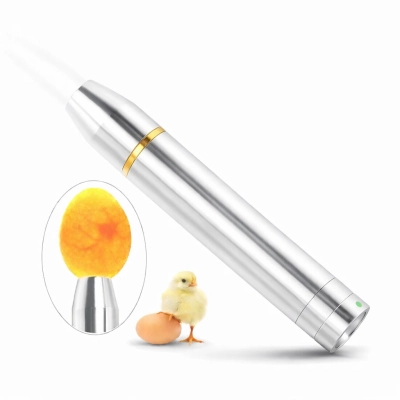
Candling lets you see what is happening inside the eggs. You should candle on day 7, day 14, and again around day 24–26. Each session should last under 60–90 seconds to avoid chilling the eggs. Use turkey egg candling by day to track progress and spot problems early. Here is a table to help you know what to look for:
|
Day |
What You See |
Air Cell Proportion |
What To Do |
|---|---|---|---|
|
7 |
Veins, small embryo |
10–15% |
Remove clear or sloshing eggs |
|
14 |
Larger embryo, clear veins |
20–25% |
Remove eggs with no growth |
|
24–26 |
Dark egg, large air cell |
30–33% |
Watch for internal pip, minimize handling |
When you candle, look for these indicators:
|
Indicator |
Description |
|---|---|
|
Presence of veins |
Clear veins show healthy embryo development. |
|
Appearance of embryo |
A visible embryo means the egg is viable. |
|
Condition of egg contents |
Sloshing or liquid movement means the egg is not viable. |
Tip: Always wash your hands before handling eggs. Candle in a dark room for best results.
Pre-Hatch Signs
As hatching time approaches, you will notice several signs that turkey eggs are almost ready. Look for these:
-
Internal pip appears, usually around day 24. You may hear faint peeping from inside the egg.
-
The hen becomes more restless and may talk softly to her eggs.
-
The air cell grows larger, taking up about one-third of the egg.
-
You might see tiny cracks or movement at the shell’s surface.
Proper humidity and temperature are very important during this stage. Avoid opening the nest too often. Let your broody turkey behavior guide you—hens know when to leave the eggs alone. If you see no progress after 24–48 hours past the expected hatch, you can check for late turkey hatch issues, but keep disturbance to a minimum. Trust the natural turkey hatch timeline and watch for these daily signs.
Air Cell & Weight
Tracking Air Cell
You can track air cell growth turkey eggs by candling at regular intervals. This simple step helps you understand if the humidity in your nest is right. When you candle, look for the air cell at the large end of the egg. Use a pencil to mark the edge of the air cell each time you check. This lets you see how much it grows over the turkey incubation days.
-
A small air cell means the humidity is too high. This can make hatching harder for the poults.
-
A large air cell shows that the humidity is lower, which is usually better for hatching.
-
The air cell must reach the right size so the embryo can move into position for hatching.
You want to see steady air cell growth as the days pass. Broody turkey behavior helps keep the eggs warm and supports proper air cell development. If you notice the air cell is not growing enough, you may need to adjust the nest environment. Always candle quickly and return the eggs to the same spot to avoid chilling.
Tip: Mark the air cell edge with a pencil each time you candle. This helps you spot changes and catch problems early.
Weight Loss Goals
You should also monitor the weight of your turkey eggs during incubation. Healthy eggs lose weight as moisture leaves through the shell. The ideal weight loss is between 11 and 13 percent of the egg’s starting weight. Most of this weight loss happens in the first 18 days of the natural turkey hatch timeline.
-
Proper weight loss helps the embryo develop and hatch successfully.
-
Too little weight loss often means the humidity is too high, which can cause late turkey hatch.
-
Too much weight loss may mean the nest is too dry, which can harm the embryo.
Use a small kitchen scale to weigh each egg before setting and again at day 18. Write down the numbers so you can compare. If you see weight loss outside the target range, check your nest setup and humidity. Combine weight checks with turkey egg candling by day for the best results. This routine supports healthy air cell growth turkey eggs and improves hatch rates.
Note: Tracking both air cell size and weight loss gives you a clear picture of egg health. These steps help you manage turkey incubation days and support your broody hen’s efforts.
Troubleshooting
Red Flags
You need to watch for warning signs during turkey incubation days. Spotting problems early helps you protect your clutch and support broody turkey behavior. Here is a quick-check table of red flags:
|
Warning Sign |
What It Means |
|---|---|
|
Blood rings |
Embryo died early; visible as a red circle inside the egg during candling |
|
Bad odor |
Possible rotten egg; remove to prevent contamination |
|
No movement |
Embryo may be inactive or dead |
|
Air cell issues |
Air cell too small or too large; signals humidity problems |
You can spot blood rings during turkey egg candling by day. If you see a blood ring, remove the egg. Eggs with a bad smell or leaking fluid also need to go. Air cell growth turkey eggs should be steady. If the air cell looks wrong, check your nest’s humidity.
Tip: Always candle quickly and return eggs to the same spot. This keeps the natural turkey hatch timeline on track.
Late Hatch Causes
Sometimes, you notice a late turkey hatch. Several factors can slow down hatching. Use this table to understand common causes:
|
Cause |
Description |
|---|---|
|
Weather |
Hot weather lowers hatch rates. Cold or humid weather can delay hatching. |
|
Nest conditions |
Roots or debris in the nest can cause high losses. Keep nests clean. |
|
Egg cap issues |
Poults may struggle to break the shell, especially in crowded nests. |
Improper humidity or temperature can also cause late hatching. Large eggs or genetic differences may play a role. Always check nest conditions and monitor air cell growth turkey eggs for clues.
When to Intervene
You should minimize disturbance during the last days of incubation. This period is called "lockdown." Keep the nest closed and only check quickly if you suspect a problem. Raise humidity to 60–65% to help poults hatch. Avoid opening the nest often, as this can cause humidity drops and harm the hatch.
If you see no progress 24–48 hours after the expected hatch date, candle the eggs. Look for movement or internal pipping. If you find no signs of life, remove the egg. Trust broody turkey behavior and the natural turkey hatch timeline. Only step in when you see clear red flags.
Climate Notes
Humidity Adjustments
You need to watch humidity levels closely during turkey incubation days. Humidity affects air cell growth in turkey eggs and can change how easily poults hatch. In areas with high humidity, eggs lose weight more slowly. This can lead to late turkey hatch problems. You should not rely only on a set humidity number. Instead, use turkey egg candling by day to check air cell size. If the air cell looks too small, lower the humidity by increasing ventilation or using drier bedding. If the air cell grows too quickly, add a shallow pan of water near the nest to raise humidity.
Here is a simple table to help you adjust:
|
Air Cell Growth |
What You See |
What To Do |
|---|---|---|
|
Too small |
Slow air cell growth |
Lower humidity |
|
Too large |
Fast air cell growth |
|
|
Just right |
Steady, gradual growth |
Keep current conditions |
Tip: Always candle eggs in a dark room and mark the air cell line with a pencil. This helps you track changes and make quick adjustments.
Seasonal Tips
Seasonal weather changes can affect broody turkey behavior and the natural turkey hatch timeline. Warmer temperatures during the incubation period often help turkey eggs survive better. You may notice higher nest survival rates in late spring or early summer. Cold snaps or sudden drops in temperature can slow embryo growth and cause late turkey hatch. Rain during the nesting phase does not usually lower hatch rates, even though many people worry about it. However, heavy rain in January, before nesting starts, may actually help nests later in the season.
You should keep the nest dry and sheltered, especially during wet months. Use extra bedding if needed. In hot weather, make sure the nest has shade and good airflow. Check water and feed more often, as hens may leave the nest more in the heat. Watch for changes in broody turkey behavior as the seasons shift. Adjust your care to match the weather, and always use turkey egg candling by day to monitor progress.
Note: Each season brings new challenges. Stay alert and flexible to support your hen and her clutch through every stage of the natural turkey hatch timeline.
Turkey Incubation Tips
Supporting Broody Hens
A broody momma turkey needs special care during turkey incubation days. You can help her succeed by following a few simple steps.
-
Give your broody momma turkey a few days to show she is truly broody before moving her to a new nest.
-
Place dummy eggs in the nest at first. This prevents her from starting incubation too early and helps you confirm her commitment.
-
Set up her nest in a safe, shaded spot, away from other poultry. A quiet area helps your broody momma turkey stay calm and focused on her clutch.
-
Lift your broody momma turkey gently once a day to make sure she eats and drinks. Sometimes, she may forget these needs while sitting tightly on her eggs.
-
Candle the eggs regularly to check for fertility and remove any that are rotten or not developing. This keeps the nest healthy and supports a smooth natural turkey hatch timeline.
Tip: Watch for changes in broody turkey behavior. If your broody momma turkey seems restless or leaves the nest too often, check the environment for stressors.
Integrating Poults
When your poults hatch, you want them to join the flock safely.
-
Start by keeping the poults in a separate area near the main flock. This lets everyone get used to each other without risk.
-
Introduce the poults slowly. Short, supervised visits help reduce aggression from adult birds.
-
Wait until the poults grow to about the same size as the adults before full integration.
-
Watch the flock closely during introductions. If you see pecking or chasing, separate the poults and try again later.
Note: Patience helps your poults adjust and keeps the flock peaceful. Always monitor turkey egg candling by day and air cell growth turkey eggs to support healthy development.
You can have a good natural turkey hatch timeline if you follow some important steps.
-
Get clean, fertile eggs from breeders you trust.
-
Make a safe nest or use an incubator with the right temperature and humidity.
-
Help broody turkey behavior and check eggs at key times using turkey egg candling by day.
-
Turn the eggs often and watch air cell growth turkey eggs.
-
Do not disturb the eggs much, especially during late turkey hatch.
Believe in your plan, watch your poults grow, and keep learning from each season’s experience.
FAQ
How many times should you candle turkey eggs during incubation?
You should candle turkey eggs three times: around day 7, day 14, and day 24. This helps you track air cell growth turkey eggs and spot problems early. Always candle quickly to avoid chilling the eggs.
What does broody turkey behavior look like?
A broody hen sits tightly on her nest, fluffs her feathers, and may peck if disturbed. She leaves the nest once daily to eat and drink. You will notice her focus on her clutch during the natural turkey hatch timeline.
Why do some turkey eggs hatch late?
Late turkey hatch often happens when the temperature runs low, humidity stays high, or eggs are larger than usual. Genetics and breed differences can also affect turkey incubation days. Wait 24–48 hours before taking action.
How do you know if humidity is right for turkey eggs?
Check air cell growth turkey eggs by candling. If the air cell grows slowly, lower humidity. If it grows too fast, raise humidity. Do not rely only on numbers—use turkey egg candling by day for best results.
Can you move a broody hen and her nest?
You can move a broody hen, but do it at night and keep her clutch together. Make sure the new nest is safe, dry, and quiet. Watch her closely to see if she resumes broody turkey behavior after the move.



0 Comments