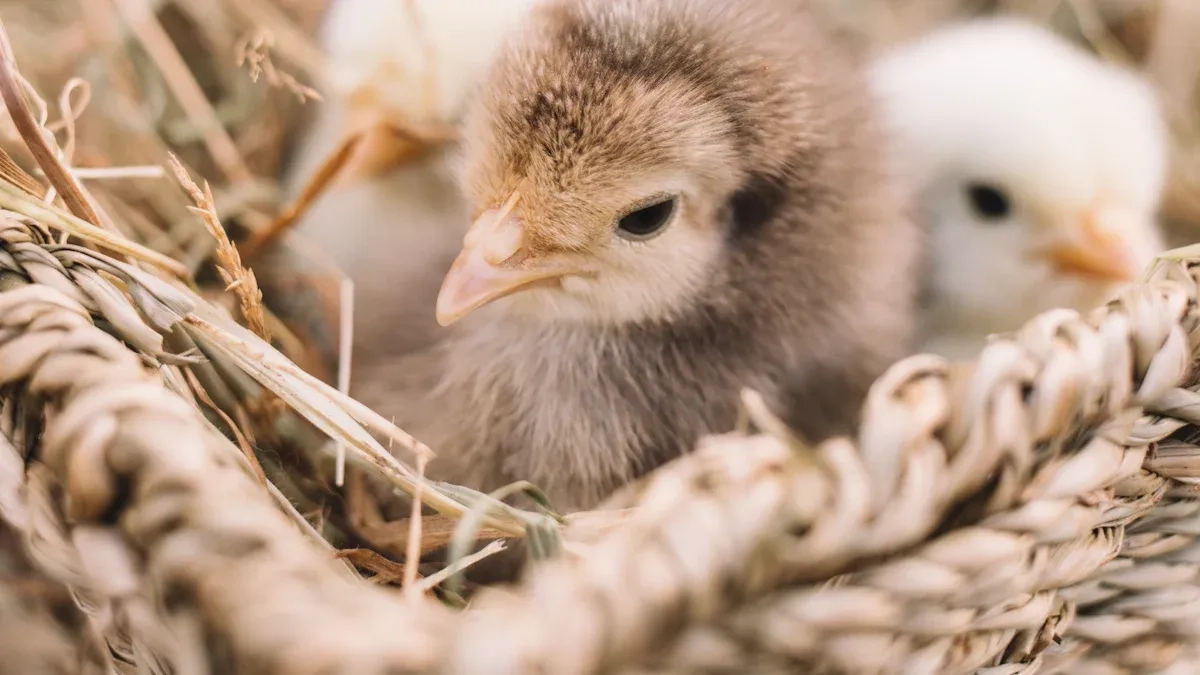
Most hens hatch their eggs in about 21 days. A cool spell or frequent disturbance can delay hatch by a day or two, while steady conditions keep the timeline on track. If you’re wondering how long for a hen to hatch eggs, focus on a quiet nest, gentle handling, and minimal checks, especially during the last three days.
Who this guide is for: You have a broody hen and you want a clear, low-stress plan for the full 21-day natural hatch.
- If you want a tight hatch window: keep one clutch, keep the nest quiet, and remove new eggs daily.
- If you want fewer setbacks: do only two candling checks and avoid handling in the final three days.
- If you want easier troubleshooting: track start date, clutch size, and a simple daily note.
Key Takeaways
-
Most hens hatch in about 21 days. Keep the nest calm and undisturbed for a tighter hatch window.
-
Broody signs include long nest sits, low clucking, puffed feathers, and plucked chest feathers.
-
Choose clean, crack-free eggs from healthy hens. Mark the batch so you avoid mixed hatch dates.
-
Set up a quiet, separate nest area with fresh bedding, plus food and water nearby so breaks stay short.
-
Limit candling to key checkpoints around day 7 and day 14. Avoid handling during the final three days before hatch.
Last updated: Dec 26, 2025
Broody Hen Basics

Signs of a Broody Hen
You may notice several clear signs when a broody hen starts her journey. She will sit in the nest for long periods, sometimes all day and night. You might see her fluff up her feathers and make low, defensive noises if you approach. She often stops laying eggs and becomes more territorial about her chosen spot. Many broody hens pluck feathers from their chest and belly to help warm the eggs. You may find her comb and wattles look pale. She usually leaves the nest only once or twice a day for a quick bite, drink, or sand bath. Her droppings become larger and smellier than usual. If you try to check under her, she may peck or bite your hand. These behaviors are common in backyard chickens and signal that your hen is ready to hatch eggs.
Tip: If you hear soft clucking near hatch day, your broody hen may be talking to her chicks before they hatch.
Choosing and Preparing the Nest
Some breeds show broody behavior more often. You will see this in Cochins, Buff Orpingtons, Light Brahmas, Dark Cornish, Buff Rocks, Turkens, Buff Brahmas, Cuckoo Marans, Cochin Bantams, and Silkies. Pick a spot away from busy areas and loud noises. Use fresh straw for bedding and replace it if it gets dirty. Place food and water close to the nest, so your hen can eat and drink during her short breaks. You can use a higher-protein feed during brooding. Always handle eggs gently and avoid washing them. Try not to disturb the nest, especially in the last three days before hatching. Follow local laws about keeping chickens and hatching eggs.
How Long for a Hen to Hatch Eggs
If a video does not load, use the day-by-day timeline below. It covers the same “what to expect” steps without extra checking.
How Long Does It Take for Chicken Eggs to Hatch
Most hens need about 21 days to hatch their eggs naturally. This timeline can shift by a day or two when the nest runs cooler, the hen leaves for long breaks, or the coop stays noisy. Natural incubation works because the hen keeps eggs warm, turns them, and protects them. Your role is to keep her environment stable and keep your hands off the nest as hatch day approaches.
Conclusion: A steady broody hen usually stays close to the 21-day schedule because eggs stay warm and undisturbed.
- What keeps timing tight: quiet nest, short breaks, and one clutch with no new eggs added.
- What delays hatch: drafts, repeated checks, and long absences from the nest.
- What helps you plan: mark the set date and treat the last three days as “hands off.”
Note: Always follow local laws when hatching eggs at home. Domestic chickens are the focus here. Do not disturb wild bird nests.
Natural Hatch Day-by-Day Timeline
Day 0 to Day 3: Set the clutch and protect stability
Conclusion: Early stability matters because the hen decides whether the nest feels “safe enough” to sit consistently.
- Do: set a single clutch, mark eggs with a pencil, and remove new eggs daily.
- Do: place food and water close so breaks stay short.
- Avoid: moving the hen, moving the nest, or “checking under her” more than needed.
Day 4 to Day 7: First candling window
Conclusion: One quick check helps you remove clears early and keep the nest cleaner.
- Do: candle once around day 7 and remove clearly infertile eggs.
- Do: work fast and return eggs gently to the same orientation.
- Avoid: repeated candling that keeps eggs out of the nest too long.
Day 8 to Day 14: Hold steady and candle once more
Conclusion: Mid-incubation success comes from consistency, not frequent interventions.
- Do: keep bedding clean and check for mites without disturbing eggs.
- Do: candle once around day 14 to confirm development and remove problem eggs.
- Avoid: changing nest location or letting other hens crowd the broody.
Day 15 to Day 18: Prepare for hatch without extra checking
Conclusion: Late incubation is where disturbance causes the biggest setbacks because eggs cool faster than you expect.
- Do: keep the area calm, dry, and draft-free.
- Do: refresh food and water quickly during normal breaks.
- Avoid: lifting the hen to “count eggs” and resetting bedding too often.
Day 19 to Day 21: Lockdown period for a broody hen
Conclusion: The last three days should be hands-off because pipping and hatching depend on a stable microclimate under the hen.
- Do: listen for peeping and watch from a distance.
- Do: let chicks hatch and dry before moving anyone.
- Avoid: opening eggs, pulling chicks, or repeated nest checks after pipping starts.
Egg Selection and Batch Management
How many eggs a hen can hatch depends on her size. Most medium hens can cover 8 to 12 eggs. Bantams usually handle 6 to 8 eggs. Choose clean, crack-free eggs from healthy hens. Do not wash hatching eggs. Handle them gently to avoid damage.
Conclusion: Good egg selection shortens your “unknowns” because cracked or dirty eggs raise contamination risk and confuse results.
- Pick: clean, unwashed eggs with smooth shells and no cracks.
- Skip: badly misshapen eggs and eggs with obvious dirt or manure.
- Manage: set one batch, mark eggs with pencil, and remove new eggs daily.
Tip: Place food and water close to the nest. This lets your hen take short breaks without leaving her eggs for long.
Naturally Incubate Chicken Eggs: Care and Hatching

Daily Care During Incubation
Place food and fresh water close to the nest. This encourages your hen to stay with her eggs and prevents dehydration. Let her leave the nest for short breaks, usually once or twice a day, to eat, drink, and take a sand bath. Dust bathing helps keep her feathers clean and reduces stress. Check the nest for red mites and keep bedding clean to avoid health problems. Remove any new eggs daily so your hen only sits on one batch.
Candling and Minimal Checks
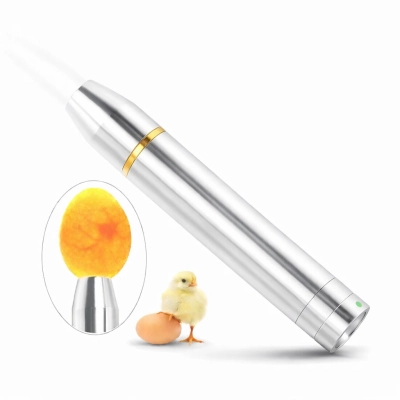
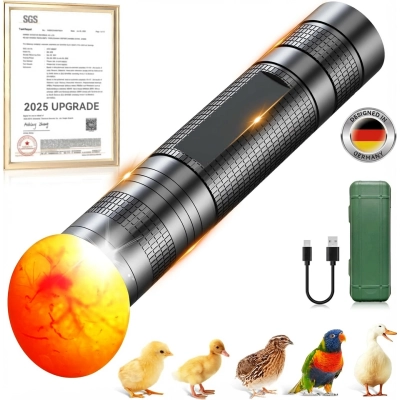
Candling helps you check embryo development without guessing. Candle the eggs around day 7 and again at day 14. Look for growing chicks and remove any infertile eggs to prevent odor and disease. Avoid disturbing your hen during the last three days. She will not leave the nest much, and disruption can cool the eggs and lower the chance of hatching.
Conclusion: Two quick candling checks are enough for most backyard hatches because they balance information with low disturbance.
- Day 7: remove clear eggs to reduce mess and smell.
- Day 14: confirm growth and remove obvious problem eggs.
- Final three days: stop handling and stop “quick looks.”
Hatching Signs and Chick Care
Watch for signs of hatching. You may hear soft peeping and see small cracks, called pipping, in the eggs. Chicks usually hatch within 24 to 48 hours after pipping begins. Wait until chicks dry off before offering water. After a short rest, provide chick starter feed. Keep the nest clean and make sure chicks have easy access to food and water.
Common Problems and What to Do
Natural hatching problems usually come from instability, hygiene issues, or a hen that gets stressed and stops sitting consistently. Use these quick cards so you act once, then let the nest return to calm.
Issue: Late hatching
Conclusion: Late hatching often happens when eggs cool repeatedly because the hen leaves too long or the nest is drafty.
- Most likely cause: drafts, frequent checks, long breaks off the nest.
- Do this now: reduce disturbances and move food and water closer so breaks are shorter.
- Record: how often she leaves and whether the coop has cold drafts at night.
Issue: Dirty nest, odor, or mite pressure
Conclusion: Hygiene problems reduce hatch success because bacteria and mites stress the hen and raise chick risk after hatch.
- Most likely cause: wet bedding, dirty eggs, or mites in the nest area.
- Do this now: refresh bedding quickly during a normal break and keep the area dry.
- Record: bedding changes and any signs of mites so you can fix the root issue.
Issue: Chicks pipped but slow progress
Conclusion: Slow hatches are common, and too much checking makes it worse because it breaks the warm, protected microclimate under the hen.
- Most likely cause: disturbance during the final days or a nest that dries out when the hen is repeatedly lifted.
- Do this now: stop handling and let the hen finish the hatch without interruptions.
- Record: first pip time and when the first chick is fully out, then wait before intervening.
What if your hen abandons the nest?
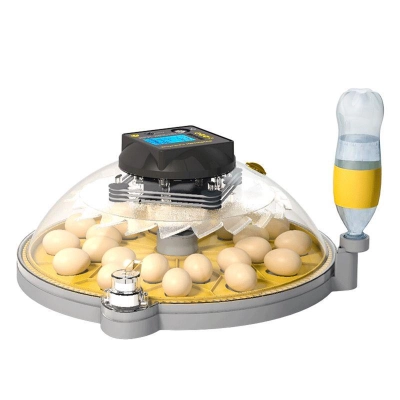
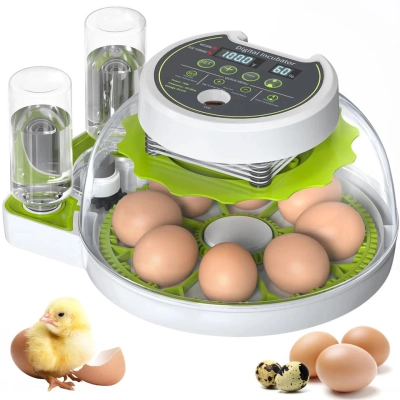
Check for stress, predators, and disturbance first. Move food and water closer. If she does not return, you may need a controlled backup plan. If you decide to switch to artificial incubation, use a reliable setup that reduces handling and keeps conditions steady. Consider an auto-turn dual-motor incubator that keeps eggs warm and turning consistently.
Simple Record Template for Natural Hatching
A short log helps you learn what changed. It also helps you avoid repeating the same mistake on the next clutch.
Conclusion: A simple log improves your next hatch because you can change one variable instead of guessing.
- Start: set date and clutch size.
- Daily note: breaks per day and anything unusual like drafts, fights, or nest crowding.
- Outcome: day of first pip, hatch window, and chick count that fully dries and stands.
Mini log template you can copy:
Set date:
Clutch size:
Hen breaks today, count and rough length:
Candled Day 7 result:
Candled Day 14 result:
First pip time and hatch notes:
Keep Learning on EggBloom
- Egg incubator vs broody hen: what hatches more chicks
- Incubation of chicken eggs: the complete 21-day journey
- Hatching chicken eggs in an incubator: day 0 to 21 guide
- Complete guide to hatching chicken eggs: temperature and humidity
FAQ
How can you tell if your hen is broody?
You see her sitting in the nest for long periods, making low clucking sounds, fluffing up, and plucking chest feathers. She may peck when you reach under her and she often leaves only once or twice per day.
How many eggs should you let your hen hatch at once?
Most medium hens cover 8 to 12 eggs. Bantams handle 6 to 8 eggs. Choose clean, unwashed eggs and mark each batch with a pencil so you avoid mixed hatch dates.
Tip: Remove new eggs daily to avoid mixed hatching times. One clutch keeps the hatch window tight.
What should you do if your hen leaves the nest before hatching?
Check for stress or disturbance and move food and water closer so breaks stay short. If she does not return, you may need a backup incubation plan that keeps eggs stable with minimal handling.
Data authenticity note: This article reflects general backyard chicken keeping practices for domestic hens. Hatch timing and outcomes vary with hen consistency, nest location, coop stress, hygiene, and weather swings.



0 Comments