
🐣 Introduction
You’ve done everything right — or so you thought. The incubator is running, the eggs are turning, and yet… nothing. The days pass, and your Muscovy duck eggs simply don’t hatch. It’s frustrating, especially when you’ve invested weeks of care and anticipation.
If you’ve found yourself wondering “Why won’t my Muscovy duck eggs hatch?” you’re not alone. Muscovy ducks have unique incubation needs. To understand them better, check out our Muscovy Duck Egg Incubation Guide— it covers the full process in detail.
In this guide, we’ll walk you through the top 10 reasons why Muscovy duck eggs fail to hatch, what those mistakes look like, and — most importantly — how to fix them. By the end, you’ll have a clear roadmap to achieve a higher hatch rate and healthier ducklings.
🦆 Understanding Muscovy Duck Incubation Basics
Muscovy eggs are unlike other domestic duck eggs — they require longer incubation (35–37 days) and precise humidity control.
Before troubleshooting, make sure you understand these fundamentals. For a day-by-day breakdown, see our Muscovy Incubation Chart.
Here’s a quick overview of ideal conditions:
| Factor | Ideal Range | Notes |
|---|---|---|
| Temperature | 37.2°C (99°F) | Slight drops are better than overheating |
| Humidity (Days 1–30) | 55–60% | Keep steady, avoid sudden spikes |
| Humidity (Days 31–35) | 65–70% | Increase for hatching phase |
| Turning Frequency | 3–5 times/day | Essential for embryo development |
| Ventilation | Moderate | Increase air exchange near hatch time |
Understanding these basics is the foundation of successful hatching. Now, let’s look at what commonly goes wrong.
❌ Top 10 Mistakes That Cause Muscovy Eggs to Fail
1. Incorrect Incubation Temperature
One of the biggest culprits behind failed to hatch Muscovy eggs is temperature inconsistency.
-
Too high (above 99.5°F / 37.5°C) → embryos may develop too fast and die mid-way.
-
Too low (below 98°F / 36.6°C) → embryos develop slowly or not at all.
Fix:
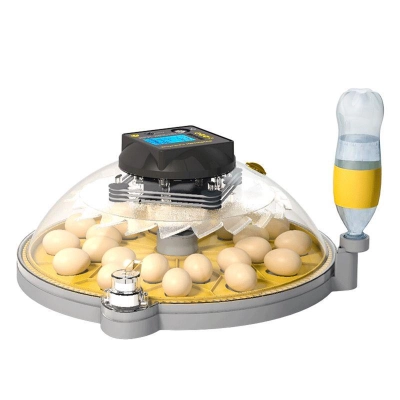
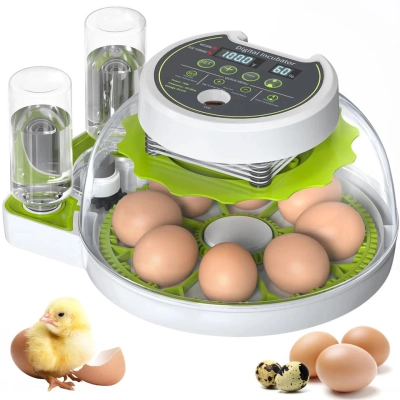
Use a high-quality incubator with accurate sensors, like our Chicken & Duck Egg Incubator Auto Turn Dual Motor, which maintains consistent temperature and turning. Always verify readings with a second thermometer.
2. Humidity Problems
Humidity affects how much moisture the egg loses. Too dry, and the duckling sticks to the shell. Too wet, and it can’t breathe properly during pipping.
Fix:
Monitor air cell size during candling. Gradually adjust humidity rather than making big jumps. If you need a reliable setup, explore our Duck Egg Incubator Collection designed for precise humidity control.
3. Not Turning Eggs Regularly
Turning keeps the embryo from sticking to the shell membrane and ensures even heat distribution.
Fix:
Turn eggs at least 3–5 times daily during the first 30 days. Stop turning on Day 31 when lockdown begins. If you’re using an automatic turner, check weekly that it’s functioning correctly.
4. Poor Fertility or Old Eggs
Sometimes the issue isn’t incubation — it’s the eggs themselves.
-
Low fertility in males due to age or poor nutrition
-
Eggs stored too long before incubation (more than 7 days)
-
Unbalanced drake-to-duck ratio (ideal: 1 male for 4–5 females)
Fix:
Collect fresh, clean eggs daily. Store at 13–16°C (55–60°F), blunt end up, and tilt daily. Improve duck egg fertility with a high-protein breeder diet.
5. Contamination or Dirty Eggs
Contaminated shells invite bacteria, causing embryos to die early or eggs to explode (literally).
Fix:
Never wash with cold water. Instead, gently wipe with a warm, damp cloth or use an approved incubator-safe disinfectant. Keep your hands clean and the incubator sanitized before each new batch.
6. Poor Ventilation
Oxygen is critical during incubation — especially after Day 25, when the embryo’s lungs begin functioning.
Fix:
Ensure air vents are open, and never seal the incubator completely. Lack of airflow leads to carbon dioxide buildup and low hatch rate. Near hatching, increase ventilation slightly to help ducklings breathe.
7. Handling Eggs Too Often
Frequent handling exposes eggs to bacteria, temperature shocks, and potential drops.
Fix:
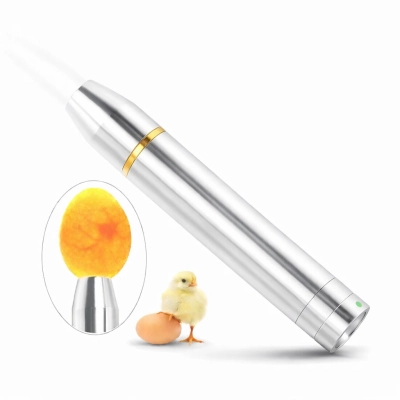
Limit candling to every 7–10 days. Always handle with warm, clean hands and avoid rotating eggs roughly. Remember: the embryo is delicate, especially during early development.
8. Incorrect Egg Position
Eggs positioned upside down (with the air cell down) often lead to dead embryos before pipping.
Fix:
Always set eggs large end up in incubators or on their sides at a slight angle. During the hatching phase, lay them flat — this mimics a natural nesting posture.
9. Opening the Incubator Too Often
This is a silent killer during lockdown. Every time you open the lid, temperature and humidity drop suddenly, drying the membrane and trapping the duckling.
Fix:
Keep the lid closed during lockdown. For a complete lockdown schedule and humidity guide, read our Muscovy Duck Egg Incubation Period & Hatching Time Guide.
10. Giving Up Too Early
Many people assume the eggs are dead after Day 35 — but Muscovy ducklings often take up to 38 days to hatch.
Fix:
Stay patient. Candle around Day 36 to check for movement or internal pipping (tiny beak holes). Give late bloomers a few more days before discarding any eggs.
💡 How to Improve Your Hatch Rate
Now that you know what can go wrong, here’s how to turn those lessons into results:
-
Calibrate your equipment regularly. Cheap incubators often have inaccurate sensors.
-
Keep a hatch log. Track humidity, temperature, and turning frequency daily.
-
Use fertile, clean eggs. A 90% fertile batch is far better than a random mix.
-
Practice patience. Muscovy incubation is slow but rewarding — consistency matters more than speed.
-
Test hatch a few eggs first. Before scaling up, perfect your setup with small batches.
With time and adjustment, your hatch rate can easily rise from 40% to 80%+.
📊 Example Hatch Schedule (Days 1–35)
| Phase | Days | Temperature | Humidity | Key Tasks |
|---|---|---|---|---|
| Early Incubation | 1–10 | 37.2°C / 99°F | 55% | Turn 4–5× daily |
| Mid Incubation | 11–25 | 37.2°C / 99°F | 55–60% | Candle weekly |
| Late Incubation | 26–30 | 37.0°C / 98.6°F | 60% | Increase ventilation |
| Lockdown | 31–35 | 36.8–37°C / 98–98.6°F | 65–70% | Stop turning; don’t open lid |
🪶 Conclusion
Hatching Muscovy duck eggs isn’t just about running an incubator — it’s about understanding nature’s rhythm and making small, consistent adjustments. Most failures come from just a handful of errors: wrong temperature, humidity swings, poor ventilation, or impatience.
Once you master these fundamentals, you’ll not only improve your hatch rate but also gain deeper respect for these incredible birds.
So the next time your Muscovy eggs fail to hatch, don’t give up — learn, adjust, and try again. Success is one careful incubation away.
📚 References & Data Sources
-
USDA Agricultural Research Service (ARS) – Incubation Parameters for Domestic Ducks, 2019.
-
University of Minnesota Extension – Poultry Incubation and Embryology Guidelines, 2020.
-
Storey’s Guide to Raising Ducks by Dave Holderread, 2018 Edition.
-
Backyard Poultry Magazine, “Common Duck Incubation Problems Explained,” Vol. 14, Issue 2, 2021.
-
British Waterfowl Association (BWA) – Muscovy Duck Breeding and Care Factsheet, 2022.



0 Comments