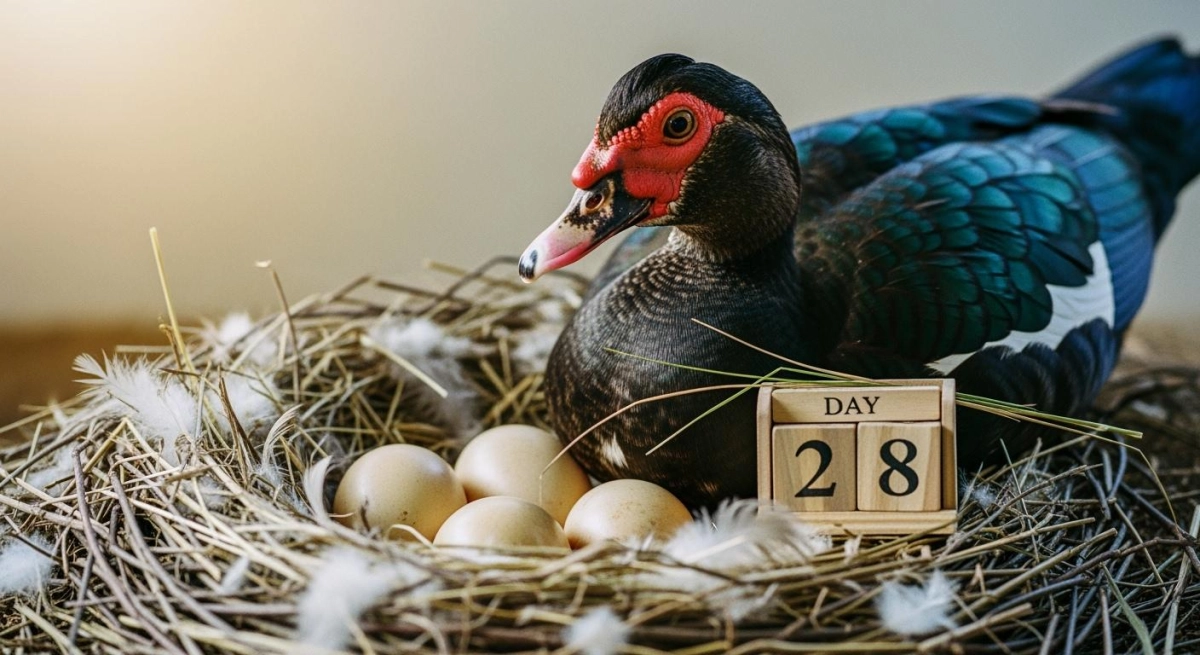
Muscovy duck eggs need more time to hatch than other duck breeds — usually 33 to 37 days, with most hatching around day 35.This longer process is due to their larger size and thicker shells, which protect the embryo but also slow its development.For a complete walkthrough, see our Beginner’s Full Muscovy Incubation Guide.
Key Takeaways
-
Muscovy duck eggs need 33 to 37 days to hatch. Most eggs hatch close to day 35. Knowing this helps you plan for hatching.
-
Keep the temperature and humidity correct during incubation. Set forced-air incubators to 99.5°F. Raise humidity to 70% in the last week. This helps more eggs hatch.
-
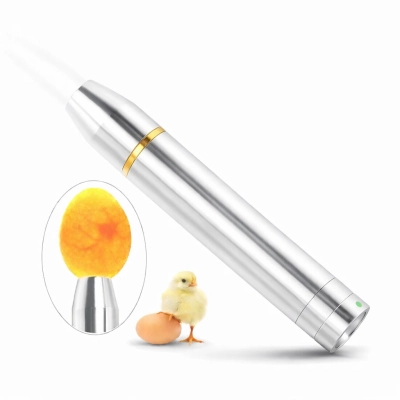
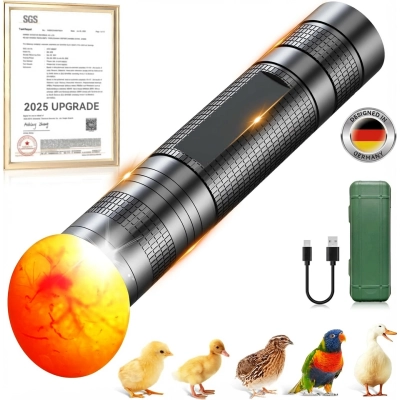
Candle the eggs often to check embryo growth. This helps you find fertile eggs. It also makes hatching more likely.
Incubation Period and Hatching Time
🕒 Incubation Period and Hatching Time
The incubation period is the number of days between laying and hatching. For Muscovy ducks, that’s roughly five weeks.For a quick reference during your hatching project, download the Day-by-Day Muscovy Incubation Chart (Printable) — it helps you track progress from Day 1 to Day 37.
Incubation Period Length
Muscovy duck eggs take 33–37 days to hatch, while other breeds take about 28 days.
Their larger size and tougher shell make them slower to develop but more resilient.
| Duck Type | Average Incubation Time |
|---|---|
| Muscovy Ducks | 35 Days |
| Common Ducks | 28 Days |
📝 Note: Embryo metabolism and shell membrane thickness also affect hatching time.
How Long Do Duck Eggs Take to Hatch?
-
Muscovy ducks: 33–37 days
-
Standard breeds: 28 days
-
Bantam breeds: 26 days
-
Mallards: 26–27 days
-
Runners: 28–29 days
Each duckling hatches at its own pace. After pipping (the first crack), it may rest for 12–24 hours before emerging fully.
⚖️ Factors Influencing Incubation
Temperature and Humidity
Temperature and humidity are crucial for healthy hatching.
Keep forced-air incubators at 99.5°F, or still-air incubators at 101–102°F.
Humidity should stay around 55% for the first 30 days, then increase to 70% for hatching.
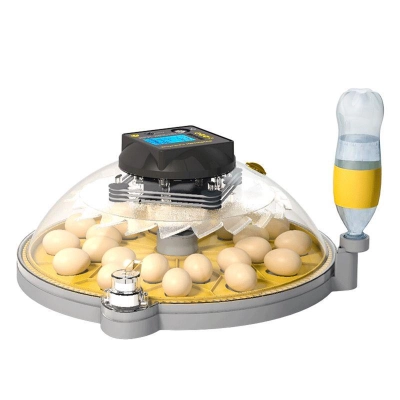
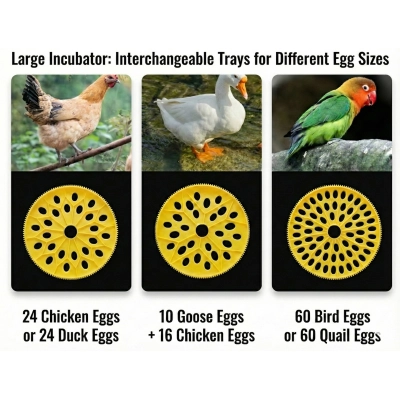
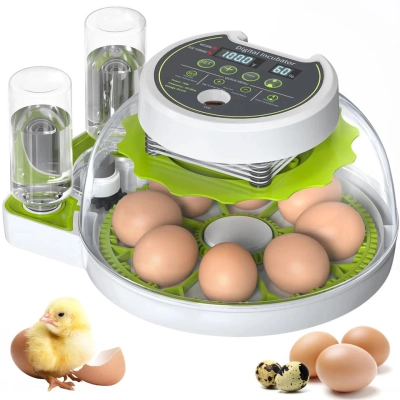
If your setup struggles to maintain stable conditions, consider using Reliable Duck Egg Incubators to automate airflow and humidity control.
Broody Duck vs. Incubator
Muscovy ducks are excellent natural mothers, but incubators allow more consistent control.
| Aspect | Natural Incubation | Artificial Incubation |
|---|---|---|
| Advantages | Natural care, cost-free | More eggs, steady conditions |
| Challenges | Fewer eggs, unreliable | Cost & attention needed |
Beginners often prefer incubators because they simplify the learning process.
Egg Handling and Turning
Turning eggs helps embryos absorb nutrients evenly and prevents sticking to the shell.
Turn eggs 3–5 times per day and stop three days before hatching.
Mark eggs lightly with a pencil to track positions and keep the large end facing up.
To stay consistent without manual effort, try an Auto-Turn Dual-Motor Incubator that rotates eggs automatically on schedule.
Delayed Hatching
Sometimes, ducklings take longer than expected.
If hatching goes beyond Day 37, check your temperature and humidity settings.
| Problem | Likely Cause | Suggested Action |
|---|---|---|
| Late hatching | Temperature too low | Recheck heat levels |
| Weak or stuck duckling | Low humidity | Mist with warm water and wait |
🐣 Incubation Tips and Hatching Signs
Consistency is key. Monitor your incubator daily and candle eggs regularly.
| Technique | Description |
|---|---|
| Candling | Shine a light at the egg’s large end to view embryo growth |
| Temperature Control | Keep 37.5°C (99.5°F) steady |
| Humidity Control | 50–60% until lockdown; 70%+ at pipping |
| Egg Turning | 3–5 times daily until lockdown |
As hatch day approaches, eggs may rock or peep. Don’t rush to assist; patience leads to higher success.
📊 Quick Reference Summary
-
Muscovy duck eggs: 33–37 days to hatch
-
Maintain 99.5°F and 70% humidity at the end
-
Candle eggs on Days 4, 7, 14, 21
-
Stop turning on Day 34
-
Most ducklings hatch by Day 37
❓ FAQ
How can I tell if a Muscovy duck egg is fertile?
Use candling — fertile eggs show veins and dark spots by Day 7.
What temperature works best for incubation?
Keep 99.5°F for forced-air incubators and 101–102°F for still-air types.
Why do some hatch later than others?
Shell thickness and embryo strength differ; a few ducklings may take extra time.



0 Comments