
How to use this guide: Start with the quick checks below. Then find your symptom and use the matching card to confirm a likely cause, apply one fix, and record what you changed. This page is designed to help you troubleshoot without chasing random adjustments.
Quick Reference: Baseline Targets
Conclusion: Most hatch problems trace back to one of three levers. Temperature accuracy, humidity trend, and airflow plus turning.
- Temperature: Forced-air 99.5°F / 37.5°C. Still-air measured at the top of the eggs 101–102°F / 38.3–38.9°C.
- Humidity: Days 1–18 usually 45–55% RH, adjusted by air-cell growth or about 11–13% weight loss by Day 18. Lockdown and hatch usually 65–70% RH.
- Turning + air: Turn 3–5 times per day or use auto-turning. Stop turning at Day 18. Keep vents open and airflow steady, especially after Day 18.
Related reading: Incubator Instructions · Temperature Guide · Humidity 3 Steps · Day 0–21 Guide
What are the common mistakes when incubating chicken eggs
Conclusion: Most failures come from unstable averages, not one bad moment.
- Temperature drift: running too hot, too cool, or swinging across the day.
- Humidity mistakes: the wrong trend for Days 1–18 or opening too much during lockdown.
- Process gaps: missed turning, weak ventilation, poor egg storage, and assisting too early.
3-step confirmation path: Use this before you change anything.
- Step 1: Verify temperature at egg level with a second thermometer. Do not trust one reading.
- Step 2: Confirm humidity trend by air-cell growth or weight loss. One RH number is not the full story.
- Step 3: Audit turning, ventilation, and lid openings. Consistency matters more than hero fixes.
A) Before Setting Eggs
Symptom: Temperature and humidity will not stabilize
Conclusion: If the incubator cannot hold steady, do not set eggs yet.
- Most likely cause: no pre-warm, drafts, or a sensor reading that is biased.
- Quick fix: check with two thermometers and a hygrometer, block drafts, adjust small, then wait 30 to 60 minutes.
- Prevent next time: pre-heat 24 hours, keep the room steady, and log the first day to confirm stability.
Symptom: High percent of clears or blood rings on Day 7 candling
Conclusion: Early losses often start before incubation begins.
- Most likely cause: eggs stored too long, rough handling, shipping shock, or contamination.
- Quick fix: remove clears, tighten sanitation, and stop opening the lid for extra checks.
- Prevent next time: set fresh, clean eggs and keep one clear set date for the whole batch.
B) Early Stage (Days 0–7)
Symptom: Early embryo death or blood rings
Conclusion: Early embryos fail when average temperature is wrong or swings are large.
- Most likely cause: overheating, repeated swings, contamination, or weak egg quality.
- Quick fix: stabilize temperature first, remove cracked or contaminated eggs, and reduce lid openings.
- Prevent next time: use the baseline targets and confirm readings at egg level before you set eggs.
Symptom: False cracks or candling misreads
Conclusion: Misreads cause unnecessary handling and handling causes problems.
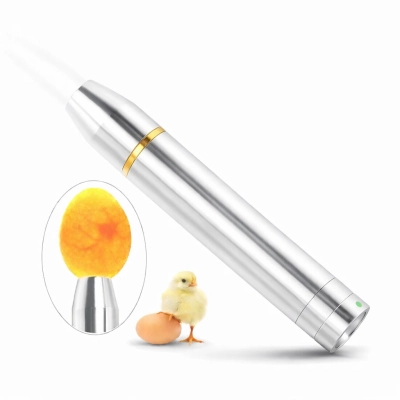
- Most likely cause: reflections, bright rooms, or inconsistent technique.
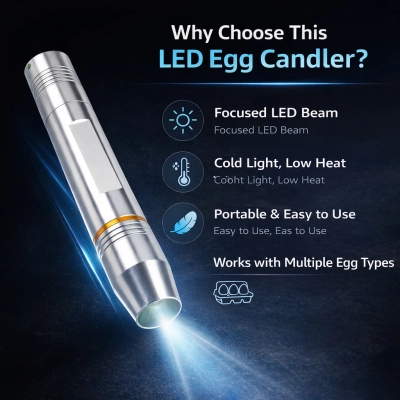
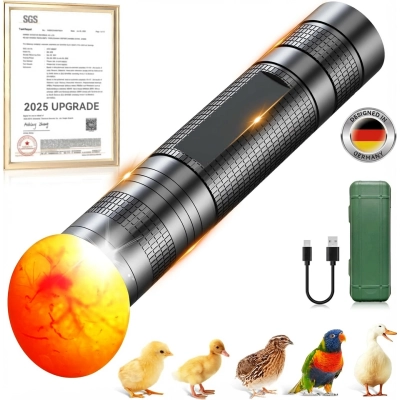
- Quick fix: candle in a dark room and compare eggs to each other, not to memory.
- Prevent next time: stick to planned checkpoints and keep each candling session short.
C) Mid Stage (Days 8–14)
Symptom: Mid-term embryo death
Conclusion: Mid-stage losses often come from process consistency.
- Most likely cause: missed turning, RH trend off, or weak airflow.
- Quick fix: normalize turning cadence and adjust RH using air-cell or weight checks.
- Prevent next time: use auto turning or a fixed schedule and avoid catch-up turns.
Symptom: Air cell too big or too small
Conclusion: Air cell size is the reality check for humidity trend.
- Most likely cause: RH too low causes excess moisture loss, RH too high causes low loss.
- Quick fix: adjust RH slowly and re-check trend after it stabilizes.
- Prevent next time: keep Days 1–18 steady and do not raise humidity early out of fear.
D) Lockdown & Hatch (Days 18–21)
Symptom: Fully formed chick dies before external pip
Conclusion: Late losses usually mean the late-stage environment is off.
- Most likely cause: average RH too low, temperature drift, poor ventilation, or earlier turning issues.
- Quick fix: verify temperature in more than one spot, open vents, and hold lockdown humidity steady.
- Prevent next time: stop turning at Day 18, keep vents open, and treat the last days as hands off.
Symptom: Pip but no zip for many hours
Conclusion: Most stalled hatches are humidity drops caused by openings.
- Most likely cause: low RH, frequent lid openings, weak ventilation, or malposition.
- Quick fix: stabilize humidity and airflow, then observe without repeated checking.
- Prevent next time: enter lockdown at Day 18 and avoid quick looks once pipping starts.
Symptom: Shrink wrap with tight, dry membranes
Conclusion: This is usually a rapid humidity crash, not a mystery defect.
- Most likely cause: low humidity and repeated openings late.
- Quick fix: increase water surface area and stop opening the incubator.
- Prevent next time: protect late humidity and do not open during hatch unless essential.
Symptom: Sticky chicks
Conclusion: Sticky chicks often point to a high average RH, low temperature, or low airflow.
- Most likely cause: fluids do not absorb well when air exchange is weak or averages are off.
- Quick fix: return to steady temperature, improve airflow, and avoid sudden RH swings.
- Prevent next time: control RH by air-cell or weight trend, not by one reading.
Symptom: Early hatch or late hatch
Conclusion: Hatch timing is a temperature truth test.
- Most likely cause: temperature bias that runs high or low across the full cycle.
- Quick fix: re-check thermometer accuracy and placement at egg level.
- Prevent next time: log daily readings so you see drift before hatch day.
Symptom: Unsure whether to assist
Conclusion: Assisting too early creates bleeding and infection risk.
- Most likely cause: confusing a slow normal hatch with a stuck hatch.
- Quick fix: stabilize the environment, then wait and observe instead of escalating.
- Prevent next time: reduce lid openings and keep late-stage humidity stable so fewer chicks get stuck.
Symptom: Power outage
Conclusion: The goal is to slow heat loss, then return gently to set points.
- Most likely cause: rapid temperature drop that also drops humidity.
- Quick fix: insulate the incubator and avoid opening. Add safe external warmth if needed.
- Prevent next time: prepare backup power and a simple outage plan before you start a batch.
E) After Hatch: Chick Issues
Symptom: Unhealed or bleeding navels
Conclusion: Late-stage conditions and rough handling show up after hatch.
- Most likely cause: high RH or low temperature late, early assisting, or hygiene issues.
- Quick fix: isolate, keep warm, and keep the area clean and dry.
- Prevent next time: stabilize late-stage averages and avoid unnecessary intervention.
Symptom: Mushy chicks or foul odor
Conclusion: This is often a late-stage airflow and temperature problem with hygiene risk.
- Most likely cause: low temperature late, poor ventilation, or infection risk at the navel.
- Quick fix: stabilize brooder warmth and keep the environment clean and dry.
- Prevent next time: keep vents open at the end and avoid wet, dirty hatch surfaces.
Symptom: Labored breathing
Conclusion: Chicks need clean air and a dry space.
- Most likely cause: poor ventilation, excessive moisture, or irritants.
- Quick fix: increase ventilation and move chicks to clean, dry air.
- Prevent next time: keep hatch and brooder areas dry and avoid harsh chemicals.
Symptom: Splayed legs or weak stance
Conclusion: Slippery footing and unstable heat create fast problems.
- Most likely cause: slick floor, brooder temperature off, or weaker incubation averages.
- Quick fix: add a non-slip liner and correct brooder heat.
- Prevent next time: prepare the brooder before hatch day and keep footing grippy.
Symptom: Deformities or weak chicks
Conclusion: Long-term bias is more damaging than one bad hour.
- Most likely cause: repeated temperature bias, missed turning, or breeder health issues.
- Quick fix: review your log and correct one variable at a time.
- Prevent next time: improve egg source quality and verify your readings early.
Symptom: Short down or yellowish down
Conclusion: This often points to stress from averages plus hygiene exposure.
- Most likely cause: temperature and humidity imbalance or contamination risk.
- Quick fix: return to stable conditions and improve cleaning.
- Prevent next time: standardize cleaning and keep airflow steady.
Sources & further reading
Conclusion: Troubleshooting improves when you stop guessing and start recording.
- Record: set date, egg count, room swings, and any changes you made.
- Track: temperature at egg level, humidity trend, and lid openings.
- Review: Day 7, Day 14, and Day 18 notes so you can pinpoint where timing shifted.
Mini hatch log template:
- Set date and egg count:
- Room temperature notes:
- Temp at egg level AM and PM:
- Humidity AM and PM:
- Lid openings today and why:
- Candling notes Day 7, Day 14, Day 18:
- First pip time and hatch window:
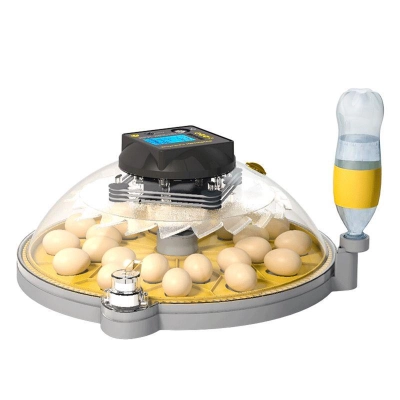
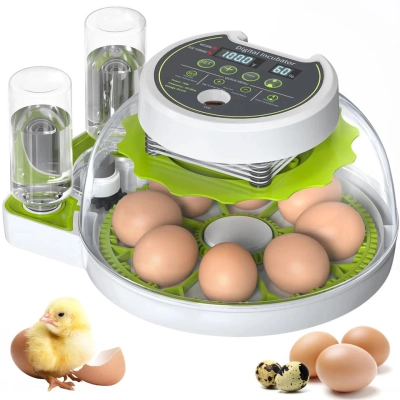
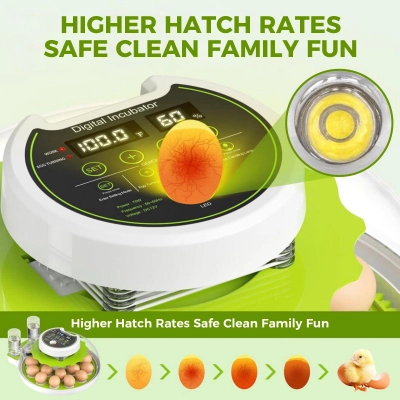
If you want a more consistent turning routine with less daily handling, consider an auto-turn dual-motor egg incubator that keeps turning consistent and reduces lid opening.
Data authenticity note: This troubleshooting guide reflects general at-home chicken incubation practices. Results vary with incubator airflow design, sensor placement, room temperature swings, egg source quality, storage conditions, and how often the incubator is opened. Use the cards to choose one fix at a time and track what changed.

0 Comments