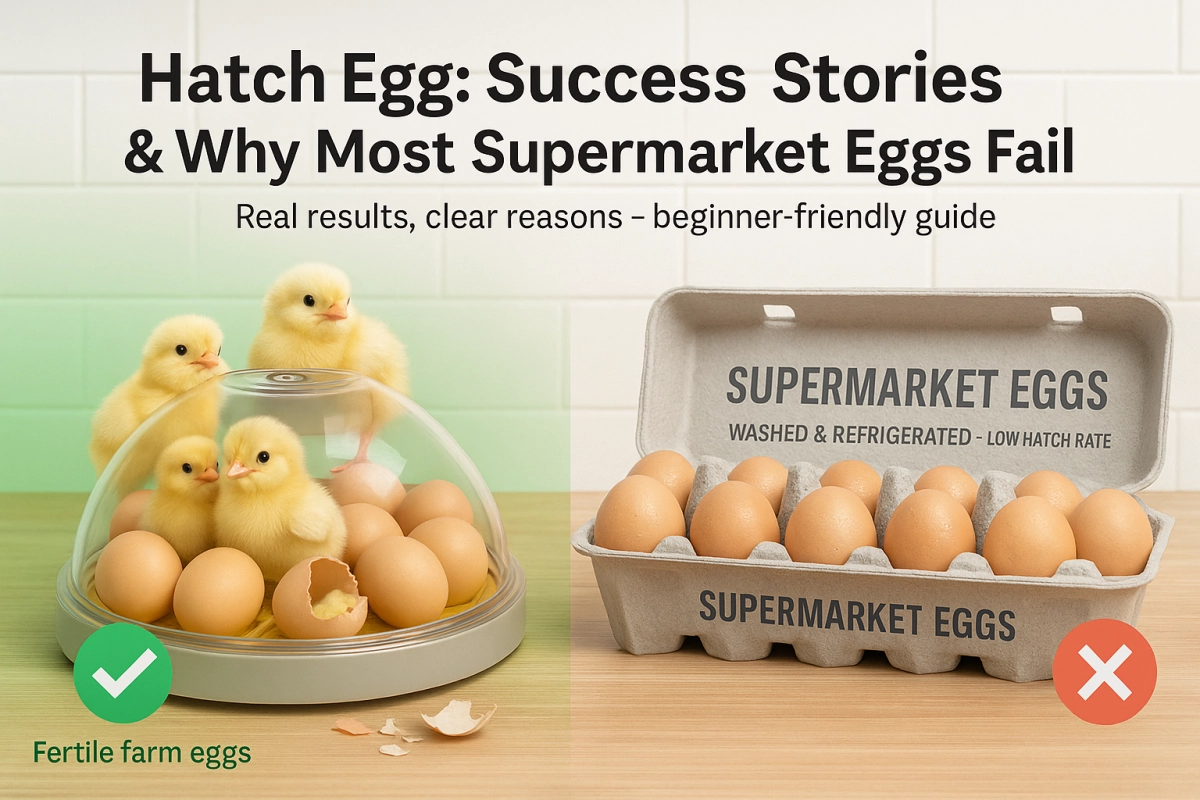
Most supermarket eggs will not hatch a chick, though a few widely shared stories say it can happen. If you have ever wondered about trying a hatch egg hatch at home with grocery-store eggs, here is the simple truth: commercial laying hens are usually kept away from roosters. That means nearly all retail eggs are unfertilized and cannot develop into chicks.
Ready to separate myth from reality and understand the rare successes? Let’s dive in!
Key Takeaways
-
Most supermarket eggs are not fertilized and cannot hatch. Only eggs laid where hens live with roosters can be fertilized.
-
Eggs must be fresh and handled gently to have any chance. For a step-by-step setup, see our beginner’s cabinet incubator setup guide.
-
If you want to hatch eggs at home, obtain fertilized eggs from local breeders for a much better chance of success.
-
Home hatching carries hygiene risks. Keep equipment clean and follow safe handling to reduce bacterial exposure.
-
Viral videos of chicks from store eggs are rare outliers. Manage expectations accordingly.
Hatch egg hatch stories
Viral success cases
You may have seen videos online about hatching chicks from store eggs. These posts drew huge attention and sparked interest. Two of the most talked-about examples are:
|
Source |
Description |
Views |
|---|---|---|
|
TikTok by Alice Bowie |
A kindergarten teacher hatches chicks from Trader Joe’s eggs, showing her students each step. |
1.5 million |
|
TikTok by Kate Vanden Bosch |
An artist and mom hatches eight chicks from Trader Joe’s eggs and shares her story. |
5 million |
These hatch success stories show that, while possible, success depends on unusual conditions and is not typical.
What made them possible
Why did these attempts work when most do not? Several factors likely helped:
|
Factor |
Description |
|---|---|
|
Freshness of the eggs |
The pack date on the carton and short storage duration matter for hatchability. |
|
Handling during shipping |
Gentle handling reduces damage that can impair development. |
|
Fertilization status |
Only fertilized eggs can develop into chicks. |
-
Eggs sold for eating are not managed to maximize hatchability.
-
Even eggs labeled as fertile can fail if storage and handling are sub-optimal.
Sometimes eggs originate from small flocks where hens live with roosters, or a carton is labeled “fertile.” If such eggs are both fresh and not kept cold for long, your odds improve—but most retail eggs travel far and are refrigerated, so hatching is unlikely.
Lessons from rare hatches
Here’s the takeaway from rare store-egg hatches: timing and luck matter. You might find a fertilized egg, but it also needs to be fresh and gently handled. Because retail eggs aren’t intended for incubation, outcomes vary widely. If you want a learning experience with better odds, buying from a breeder is the best path.
Why most eggs fail
No rooster, no chick
Not every egg can become a chick. On large farms, hens and roosters live apart, so most supermarket eggs are unfertilized. Hens lay eggs without roosters nearby, and those eggs can never develop. No amount of careful incubating can change that.
To get a fertilized egg, hens and roosters must live together. Most large producers separate them to optimize food safety and shelf stability. Consequently, the eggs you buy at stores are almost always unfertilized.
Storage and shelf life
Even if a rare fertilized egg makes it into a retail carton, hatching remains difficult. Supermarket eggs typically enter cold storage soon after laying—often to 45°F (7°C) within about 36 hours. Cold stops early embryonic growth, and the longer eggs remain chilled, the lower the odds of development. These figures summarize common U.S. retail-egg handling guidance and findings from hatchability research; sources are described here in text without external links.
Scientists have studied how storage changes eggs. Here is what they found:
|
Study Reference |
Findings |
|---|---|
|
Brake et al., 1997 |
Long storage lowers albumen quality and hurts embryos. |
|
Hamidu et al., 2018 |
Lower temperature means less egg weight loss. |
|
Özlü et al., 2021 |
Lower albumen pH at 12 or 15°C than at 18°C. |
|
Williams, 1992 |
Storage below 10°C helps maintain thick albumen. |
|
Pokhrel et al., 2018 |
About 12°C storage improves hatchability and reduces cell death versus warmer storage. |
Cold storage alters the internal environment of the egg. Albumen (egg white) quality declines, making development more difficult.
Shelf life matters too. The longer an egg sits, the less likely it will hatch. Here is a quick look at time versus hatchability:
|
Storage Duration |
Hatchability Rate |
Observations |
|---|---|---|
|
5 days |
Higher |
Albumen quality is better |
|
15 days |
Lower |
More embryo deaths |
|
7 days |
Better than 0 days |
Conditions improve |
|
21-28 days |
Decreased |
Albumen pH goes up and thickness goes down |
-
Longer storage generally means lower hatch rates due to albumen quality loss.
-
Eggs stored for only 5 days hatch better than those stored for 15 days.
Why supermarket eggs usually fail (5 common culprits): by the time most store eggs reach you, they’re often a week old or more, making success unlikely even if fertilized.
Commercial eggs are washed and sanitized, removing the shell’s natural coating. Without this barrier, moisture is lost faster and bacteria can enter more easily—further reducing viability.
Regional differences
Do eggs from some countries hatch better? Not really. While retail practices differ (e.g., some markets do not refrigerate), most retail eggs are still unfertilized because flocks are managed without roosters for food safety and quality.
In rural areas, households may use eggs from their own flocks. When roosters live with hens, those eggs can be fertilized. The table below summarizes practices and implications:
|
Region |
Egg Cleaning Practice |
Hatchability Percentage |
Egg Size Preference |
|---|---|---|---|
|
Highland |
Cleaned with water and dry materials |
Higher |
Medium-sized eggs |
|
Midland |
Not cleaned before hatching |
Lower |
Medium-sized eggs |
|
Lowland |
Not cleaned before hatching |
Lower |
Medium-sized eggs |
|
Wolaita |
Cleaned with a cloth |
N/A |
Large-sized eggs |
-
Indigenous chicken eggs hatch about 75% of the time.
-
Sasso chicken eggs hatch about 68% of the time.
-
Families often keep eggs for two to three weeks before hatching.
If you want to hatch eggs, you need fertilized eggs that are fresh and gently handled. Most supermarket eggs don’t meet these conditions.
Tip: If you want to see a chick hatch, find a local breeder or farm that sells fertilized eggs—you’ll have a much better chance!
How to hatch a supermarket egg
Want to try anyway? Here’s what to look for and how to proceed, so you can judge whether you have a real chance.
Identify fertilized eggs
First, determine whether an egg is fertilized. Most supermarket eggs are not, but occasionally you get lucky. Ways to check:
-
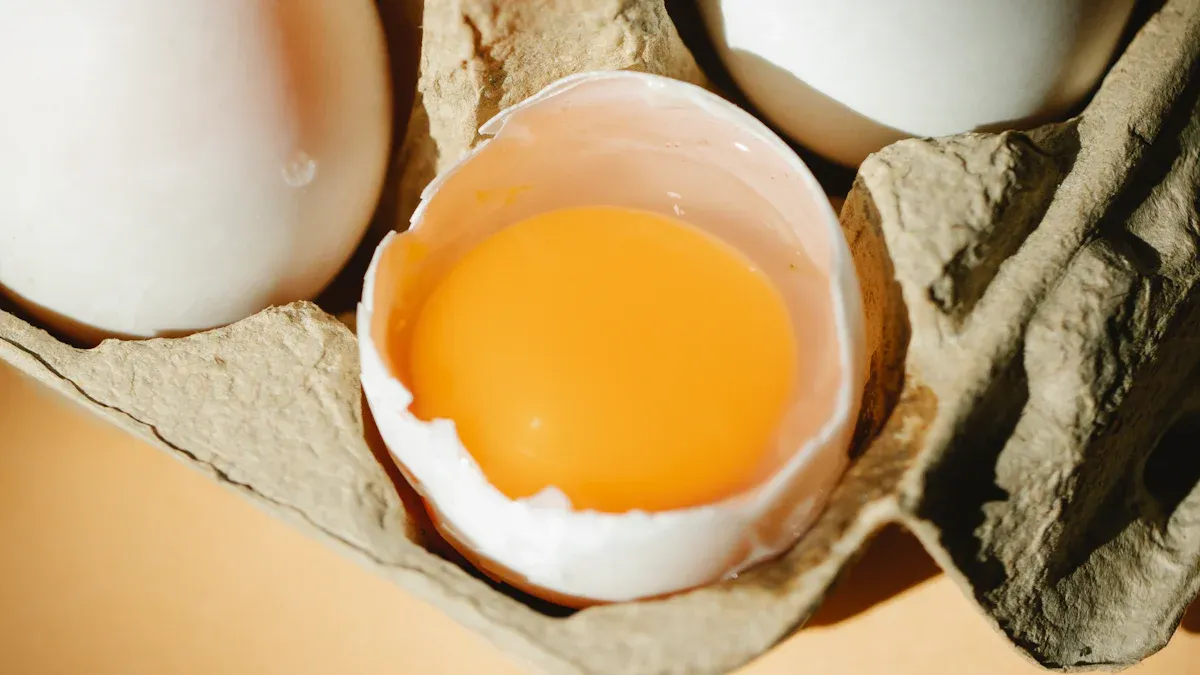
Crack an egg and inspect the yolk.
-
A small white dot with a clear ring (a tiny bullseye) is a blastoderm—fertilized.
-
A small, irregular white spot without a ring is a blastodisc—not fertilized.
-
-
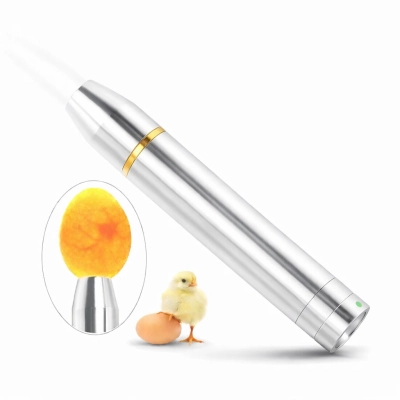
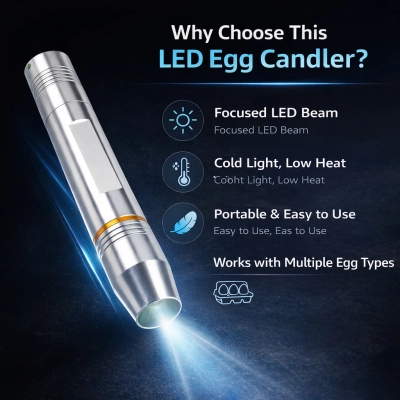
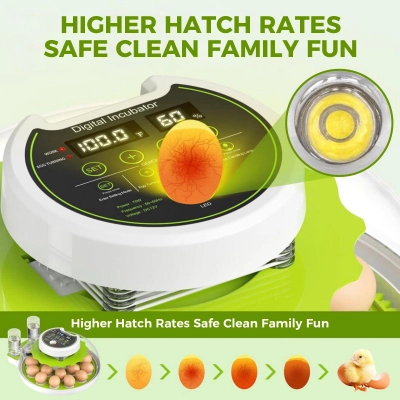
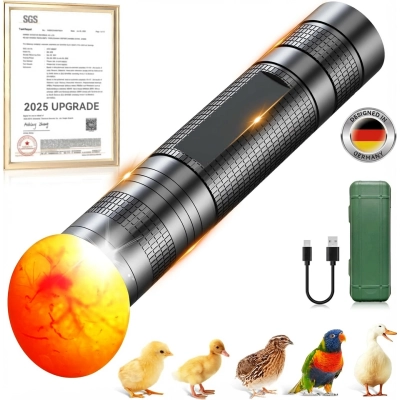
Use a bright flashlight in a dark room (candling) after a few days of incubation. If you see a dark spot or tiny vessels, development may be underway.
Tip: Most store eggs won’t show the white ring. You need unusual luck to hatch a supermarket egg.
Go/No-Go judgment table
Ask yourself these questions before starting. This checklist helps decide whether to attempt a hatch with a store egg.
|
Question |
Yes |
No |
What it means |
|---|---|---|---|
|
Does the egg have a white ring on yolk? |
✅ |
❌ |
Only fertilized eggs can hatch. |
|
Is the egg less than 7 days old? |
✅ |
❌ |
Fresher eggs have a better chance. |
|
Was the egg stored at room temperature? |
✅ |
❌ |
Cold storage lowers hatch chances. |
|
Was the egg handled gently? |
✅ |
❌ |
Cracks or rough handling hurt the embryo. |
|
Is the egg from a farm with roosters? |
✅ |
❌ |
Hens need roosters for fertilized eggs. |
If any answer is “No,” your chances drop a lot. Most people find that it’s almost impossible to hatch a supermarket egg, but you can still try if you want to learn.
21-day incubation steps
If you go ahead, hatching takes about 21 days. Create the right conditions for the embryo to grow:
-
Warm the egg before incubation
Let the egg sit at room temperature for a few hours to avoid thermal shock when placed in the incubator. -
Set up your incubator
-
Hold 99.5°F (37.5°C). Use a reliable thermometer; small swings can be harmful.
-
Keep 50–65% humidity for the first 18 days, then 70–90% for the final 3 days.
-
Ensure good airflow so the embryo receives oxygen.
-
-
Turn the eggs
-
Gently turn 3–6 times daily to prevent sticking.
-
Stop turning on day 18.
-
-
Watch for signs of life
-
Candle after about 7 days for a dark spot or tiny blood vessels.
-
No visible change may mean the egg wasn’t fertile or development stopped.
-
-
Wait and watch
-
Keep temperature and humidity steady.
-
Around day 21, listen for peeping or look for pips and zips.
-
Note: Even perfect technique cannot overcome unfertilized eggs or deep cold-storage effects. For classroom or family projects, fertilized eggs from a breeder give far better odds.
Trying to hatch a supermarket egg can be a memorable learning experiment. Just remember it’s uncommon. For reliable results, go with known fertile eggs.
Risks, myths, and alternatives
Common misconceptions
Viral clips can make store-egg hatching look easy. They rarely show the full context. Only fertilized eggs can develop, and most retail eggs are not fertilized. Some videos use eggs from small farms or cartons labeled “fertile.” Hatching at home is possible but uncommon and requires more than luck.
Risks of home hatching
Hatching store eggs at home carries risks, including bacteria like Salmonella and poultry diseases. Store eggs are not screened for incubation. Age and handling are unknowns. If you use an incubator, keep it clean and disinfected—germs spread fast in warm, humid environments. Safety tips:
-
Pick clean, normal-looking eggs and do not wash them.
-
Collect promptly and store large end up in a cool room.
-
Check for cracks or damage before starting.
-
Get your incubator instructions checklist ready and disinfect with quaternary ammonia.
-
Keep temperature steady and turn 4–6 times daily; stop in the last three days.
Safer alternatives
For a safer, more reliable experience, buy fertilized eggs from certified breeders or NPIP participants. For classrooms or families, you can also:
-
Watch a Wi-Fi camera in a bird box for natural hatching.
-
Explore wildlife camera streams to observe animal development.
-
Use augmented-reality apps to follow chick growth and learn.
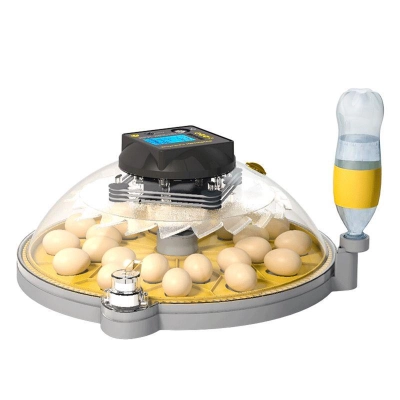
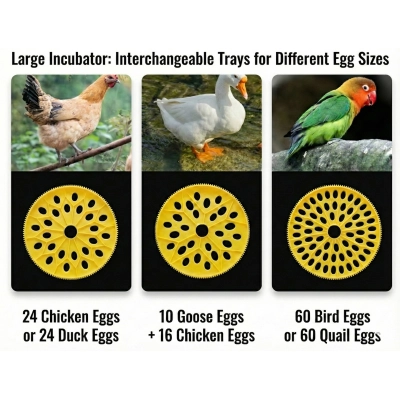
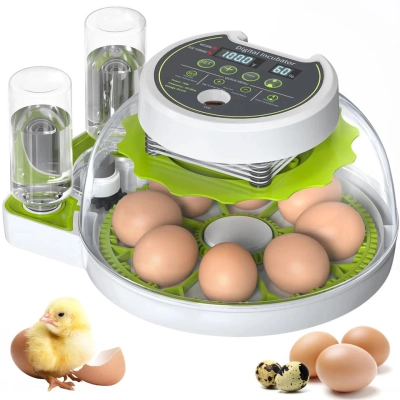
If you plan a classroom hatching project, check your materials and pick reliable sources for eggs. Ensure you have an incubator, thermometer, egg turning tray, and fertile eggs ready.
Here is a quick table for important incubation steps:
|
Parameter |
Recommended Value |
|---|---|
|
Temperature |
99.5°F (37.5°C) |
|
Humidity |
50-65% (first 18 days) |
|
Humidity (final 3 days) |
70-90% |
|
Turning Frequency |
4-6 times daily |
|
Egg Position |
Big end up |
It is very hard to hatch a chick from a supermarket egg. Most store eggs are not fertilized, and quality declines with storage. For better results: buy from NPIP-certified farms, use a dependable incubator, and remember that shipped eggs underperform. Data integrity note: temperatures, timelines, and hatchability effects summarized on this page reflect U.S. retail-egg handling guidance and peer-reviewed poultry science; to keep this article clean, we do not include external links—source details available on request.
Watching eggs hatch can teach patience and responsibility, and it’s a great window into chick development. Even if eggs do not hatch, you can still learn a lot. The resources below are examples to explore the topic further.
FAQ
Can you really hatch a chick from a supermarket egg?
You can try, but it almost never works. Most store eggs are not fertilized. Even if you find a fertilized one, storage and handling make success very unlikely.
How do you know if an egg is fertilized?
Crack the egg and look for a small white ring with a dot on the yolk (blastoderm). Most store eggs do not have this.
What is the best way to hatch chicks at home?
Buy fertilized eggs from a breeder or farm. Use a clean, well-regulated incubator. Keep temperature and humidity steady.
Are there any risks to hatching eggs at home?
Yes. You could get sick from bacteria like Salmonella. Always wash your hands, clean equipment, and watch for off smells or mold.
Why do some viral videos show chicks hatching from store eggs?
Those videos capture rare exceptions. Sometimes eggs come from flocks with roosters or cartons labeled “fertile.” Most store eggs will not hatch, so do not expect the same results.

0 Comments