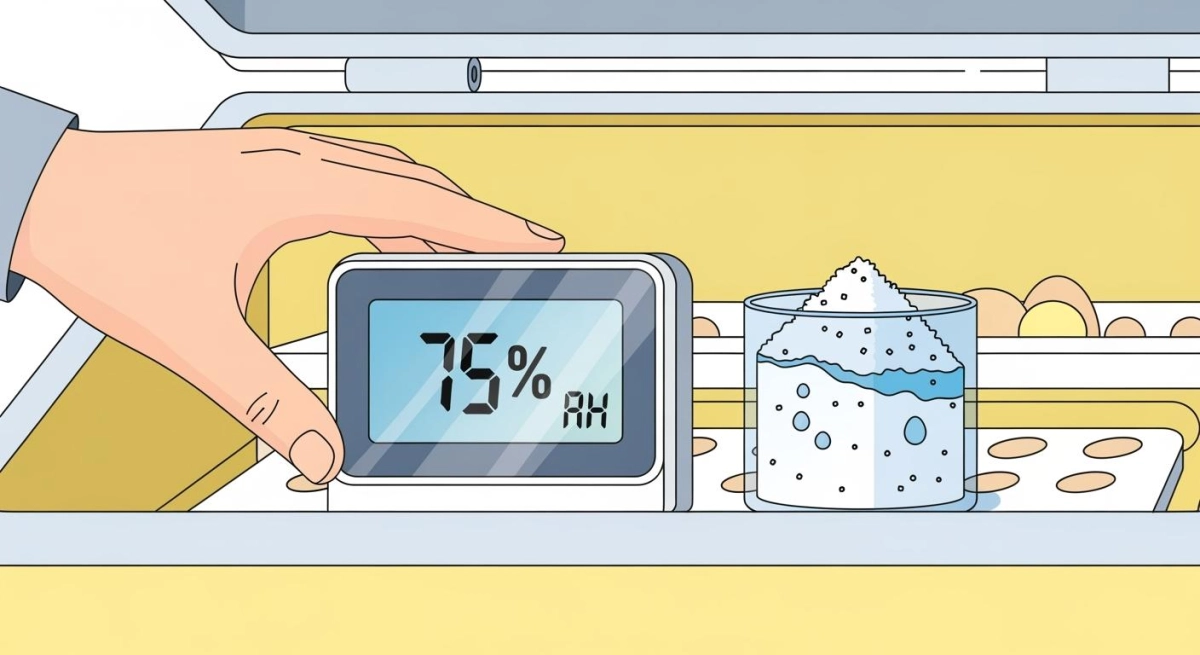
Quick Answer: Mix plain table salt with a little distilled water to make a thick, damp paste. Seal it in an airtight container with your hygrometer sitting above the paste (no contact). After 12–24 hours, the air inside should read about 75% RH (75.3%). Use the difference as your offset so you can set incubator humidity with more confidence—and keep the salt slurry away from kids, pets, and incubator electronics.
Key Takeaways
- Use a simple salt calibration check to see if your hygrometer is reading accurately before you rely on it for hatching.
- Mix regular table salt (sodium chloride) with distilled water until it looks like wet sand or a thick paste—not a liquid.
- Place the hygrometer above the slurry inside a sealed container so it measures the air, not the salt mixture.
- Wait 12–24 hours for the humidity to stabilize. A full 24 hours is often the most reliable.
- At room temperature, the container should be about 75% relative humidity (75.3%). The difference is your offset.
- Apply that offset when you read incubator humidity (or enter it if your model has a calibration setting).
- Recheck before each incubation cycle to reduce surprises during lockdown and hatch.
- Safety note: Wash hands after setup, supervise children, and keep salt water away from incubator electronics.
What the Salt Test Proves
Fixed-Point Humidity Explained
The salt method lets you check a hygrometer in a controlled space. When you mix table salt and water, you create a thick slurry. In a sealed container, that slurry naturally sets the air to a predictable humidity level at room temperature.
- Saturated salt solutions hold a stable humidity at a given temperature.
- Because the slurry stays saturated (with some undissolved salt present), the humidity stays steady.
- This gives you a reliable “reference point” to compare your hygrometer reading against.
After your hygrometer sits in that sealed air long enough, it will show a reading. If it matches what you expect, your hygrometer is likely accurate. If not, you can measure the difference and correct for it.
Why Humidity Accuracy Matters
Humidity helps eggs lose the right amount of moisture while the chick develops. If the air is too dry, eggs can lose too much water and chicks may become weak or “shrink-wrapped.” If the air is too wet, eggs may not lose enough water, and chicks can struggle near hatch.
A hygrometer that reads wrong can lead you to make the wrong adjustment. That’s why a quick calibration check is worth doing before every hatch.
Note: A salt calibration check verifies your hygrometer reading at about 75% RH. It does not prove accuracy at every humidity level.
Supplies for Hygrometer Calibration
Materials Checklist
You do not need special lab tools. Most families can do this with basic household items.
- Digital hygrometer (the one you use for your incubator)
- Plain table salt (sodium chloride)
- Distilled water (helps avoid mineral buildup)
- Small cup or bottle cap for the slurry
- Airtight container or zip-top bag (clear is helpful)
- Spoon for mixing
- Paper towel (optional, for cleanup)
Making a Saturated Salt Slurry
The goal is a saturated mixture—meaning some salt stays undissolved. That’s what keeps the humidity level steady.
- Add salt to a small cup.
- Add a few drops of distilled water at a time.
- Stir until the mixture looks like wet sand or thick paste.
- If all the salt dissolves, add more salt.
- If it becomes soupy, add more salt and remix.
Tip: The slurry should not be runny. You want damp salt with visible crystals, not saltwater.
Step-by-Step Hygrometer Calibration Salt Test
Prepare the Salt Slurry
Mix your slurry first, then place it into the airtight container. Keep the salt mixture in its own small cup so it doesn’t spill.
Set Up the Airtight Container
Put the slurry cup inside the container. Then position the hygrometer so it can measure the air inside without touching the mixture.
- Use a small stand, lid, or folded paper to raise the hygrometer if needed.
- Make sure the container seals completely.
- Do not add extra water to the container—only the slurry cup.
Place the Hygrometer Correctly
The hygrometer must measure the air, not the salt. If it touches the slurry, it can give a false reading or get damaged.
Safety: Keep the container stable and upright. If children are helping, an adult should handle the slurry and sealing step.
Pass/Fail + Next Action Table
| Salt Test Reading | What It Means | Next Step |
|---|---|---|
| About 72–78% RH | Usually close enough for most backyard hatching setups | Record the offset and correct future readings |
| Off by more than ~3% | Likely needs correction or recalibration setting | Use the offset or adjust the device if possible |
| Off by more than ~7% | May be unreliable or drifting | Repeat the test; consider replacing the hygrometer |
Worked Example
If the expected point is 75.3% and your hygrometer reads 71%, your offset is:
- 75.3 − 71 = 4.3%
In this example, your hygrometer reads low. You would add about 4% to your incubator readings to estimate the real humidity.
Wait for Stabilization (12–24 Hours)
Leave the sealed container closed and undisturbed. Opening it resets the humidity inside and slows the process.
- Wait at least 12 hours.
- 24 hours is often best for a stable reading.
- Keep it at steady room temperature, away from drafts and sunlight.
Record Reading and Calculate Offset
After the wait, check the humidity reading without opening the container. Compare it to 75.3% RH.
- Offset = 75.3 − your reading
- If your reading is low, you add the offset when interpreting incubator humidity.
- If your reading is high, you subtract the offset.
Reminder: Write down the date, room temperature, and your reading. Tracking helps you notice drift over time.
How to Test a Hygrometer in Practice
Using Calibration/Bias Settings
Some digital models let you enter a correction number (often called “calibration,” “offset,” or “bias”). If yours does, apply the offset you measured so the display matches the expected point.
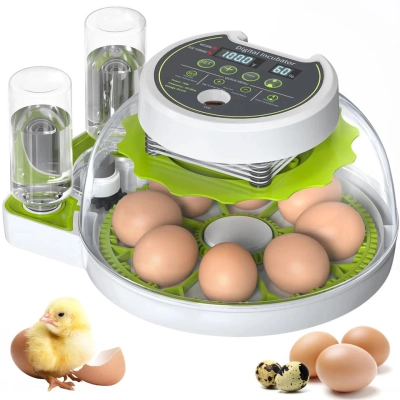
If you’re using a small digital incubator for beginners, check whether the included hygrometer supports an adjustment setting, or whether you need to correct readings manually.
Manual Correction for Non-Adjustable Models
If your hygrometer cannot be adjusted, you can still use it. Just apply your recorded offset each time you read incubator humidity.
- Write the offset on a small label near the screen.
- Keep a simple log of readings during each hatch.
- Use the corrected number when you make humidity changes.
When to Replace Your Hygrometer
If the offset changes a lot between tests, the sensor may be drifting. If repeated tests show the reading is off by more than about 7%, many keepers choose to replace it for peace of mind.
Good readings help you avoid unnecessary adjustments. That can make the hatch calmer and more consistent.
Troubleshooting the Salt Test
Slurry Too Wet or Dissolved
If your slurry is watery, the humidity point may not hold steady. Add more salt and remix until the mixture looks like wet sand.
- Do not use a clear liquid saltwater solution.
- Keep some undissolved salt visible.
- Use plain table salt, not specialty blends.
Leaks, Temperature Swings, or Airflow
A small leak or a big temperature swing can change the reading. Make sure the container seals well and stays in a stable spot.
- Keep it away from windows, vents, and heaters.
- Do not open the container during the wait time.
- Use a rigid container if a bag keeps collapsing and touching the device.
Hygrometer Contact or Blocked Vents
If the hygrometer touches the slurry or its vents are blocked, it may read incorrectly.
- Raise the hygrometer so air can circulate around it.
- Make sure it sits above the slurry, not beside it in a cramped corner.
- Keep the sensor area clear of paper towels or tape.
Validation and Confidence Checks
Repeat the Salt Test
If you get an unexpected result, repeat the test with fresh slurry. Small setup issues (like a leak) can throw off a first run.
Tip: Doing the test twice and getting similar results is a good sign your offset is trustworthy.
Cross-Check with a Second Hygrometer
If you have a second device, you can test both at the same time in the same container. If they disagree widely, one may be faulty.
Incubator Tips for Reliable Readings
Best Placement in Incubator
Hygrometer placement matters. For the most useful reading, place it at egg height near the center, not against a wall or directly over a water channel.
Many keepers using desktop egg incubators get steadier readings when the sensor is centered and shielded from direct fan airflow.
Limits of One-Point Calibration
A salt calibration check verifies accuracy around 75% RH. That is helpful for lockdown and hatch, but it does not guarantee perfect accuracy at lower humidity levels.
For general incubation humidity guidance, see incubation humidity start ranges and focus on steady trends rather than chasing tiny swings.
If your hatch space is very dry, the tips in raising humidity in a dry climate can help you plan safer adjustments without overcorrecting.
Quick Questions (Salt Test Setup)
Here are quick answers to common setup issues that can change your results.
- Keep the container sealed the whole time—opening it resets the humidity.
- Use plain table salt (sodium chloride). Specialty salts may not behave the same.
- Make the slurry thick. If it’s watery, add more salt.
- Keep the hygrometer above the slurry so it never touches the salt paste.
If your readings jump around, repeat the test with a new slurry and a different container. Consistent results matter more than a single run.
FAQ
How often should you calibrate your incubator hygrometer?
Check your hygrometer before every new batch of eggs. Regular calibration checks help you avoid surprises, especially during lockdown and hatch.
Can you use sea salt or kosher salt for the salt test?
Use regular table salt (sodium chloride). Sea salt and kosher salt may contain different crystal sizes or additives that can affect results.
What if your hygrometer does not have a calibration setting?
Write down the offset from your salt calibration check and apply it to every reading. If the device keeps drifting over time, replacing it may be the safest choice for consistent hatches.
Why does the salt test use 75.3% relative humidity?
A saturated table salt slurry creates about 75.3% relative humidity in a sealed container at typical room temperatures. That makes it a convenient reference point for checking your hygrometer.
What should you do if your readings change a lot between tests?
Repeat the test with fresh slurry. If the offset changes by more than about 7% across repeats, the sensor may be unreliable and many keepers choose to replace it.
Where should you place your hygrometer inside the incubator?
Place it at the same height as your eggs, near the center of the incubator. Avoid placing it against walls, right under vents, or directly over water channels.
How long should you wait for the salt test to stabilize?
Wait at least 12 hours. Waiting 24 hours usually gives the most reliable reading, especially if room temperature changes overnight.
What is the best way to record your salt test results?
You can use a simple table like this:
| Test Number | Reading (%) | Offset (75.3 − Reading) |
|---|---|---|
| 1 | ||
| 2 |
Tip: Write down your results each time. This helps you track changes and spot problems early.
If you want more beginner-friendly incubation help, browse beginner incubator tips so your settings and routines stay simple and consistent.
Data authenticity note: The temperatures, humidity ranges, hatch-rate discussions, and other figures in this article reflect typical equipment manuals, standard poultry practice, non-branded extension or training materials, and aggregated small-flock logs. Actual results vary with breed, incubator model, room conditions, and flock health. Always follow your incubator’s manual and consult local experts or an avian veterinarian for health concerns.


0 Comments