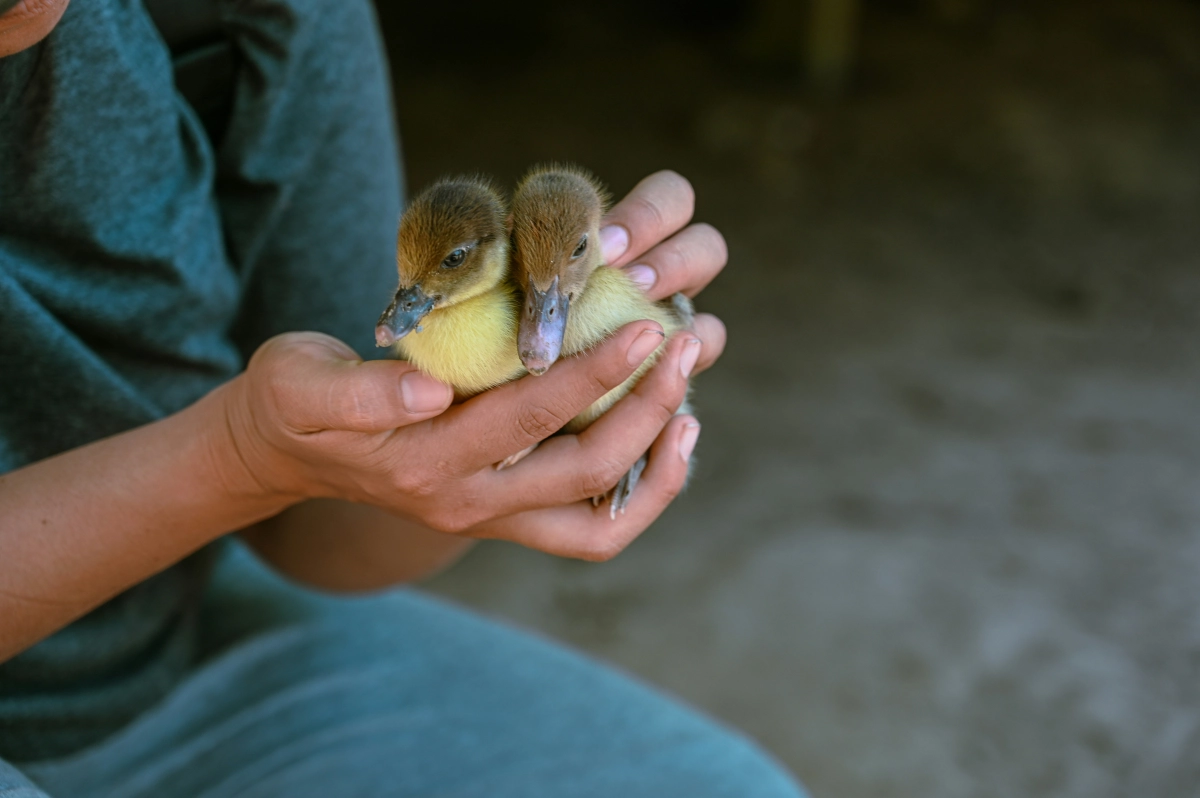
Introduction
Hatching duck eggs at home can be a fun and deeply rewarding project. Duck eggs usually take longer than chicken eggs and they react faster to humidity swings. This guide keeps the process simple and repeatable so you can raise healthy ducklings with confidence.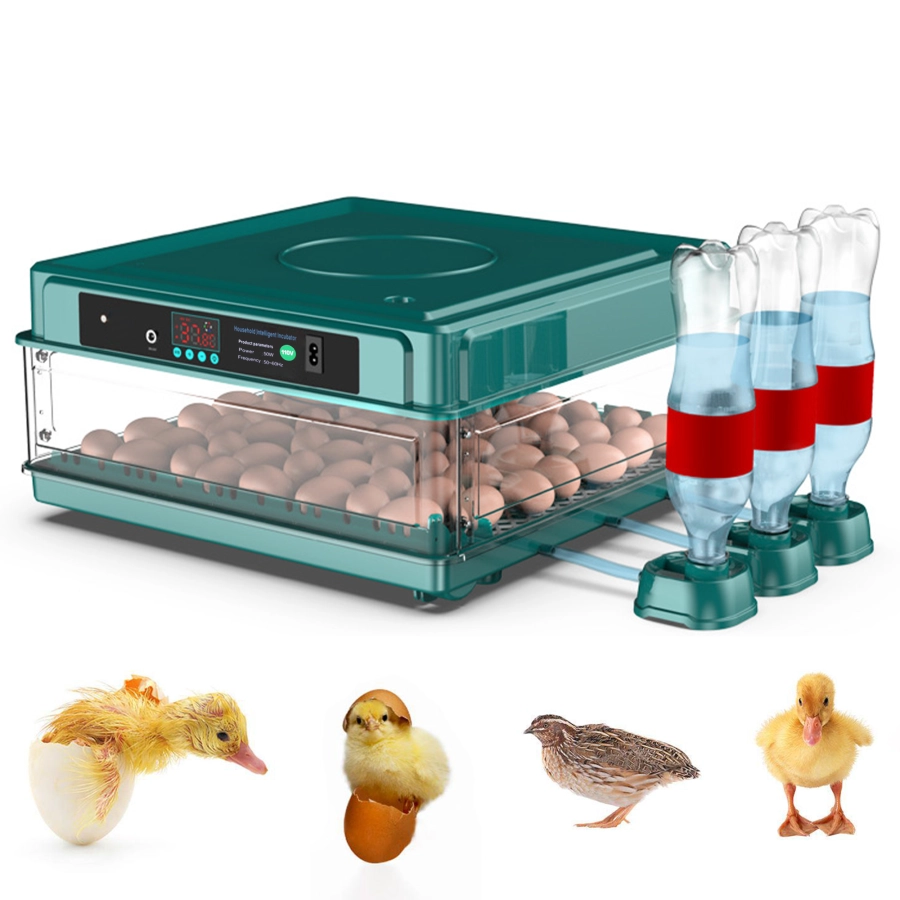
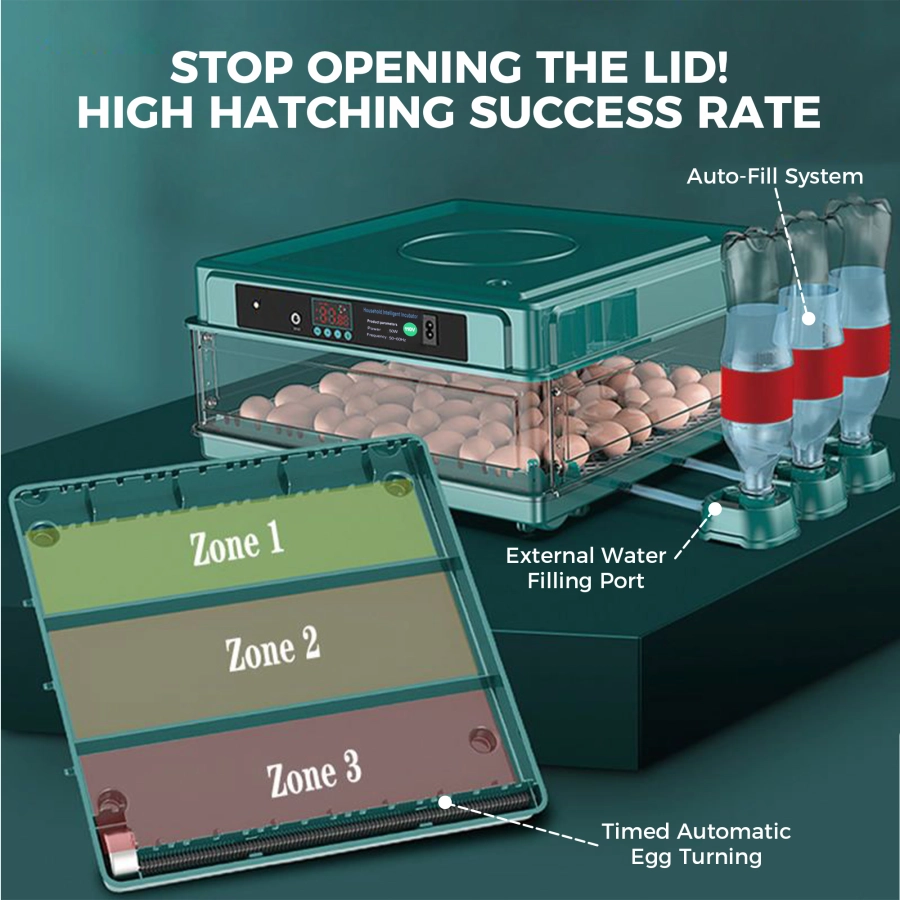
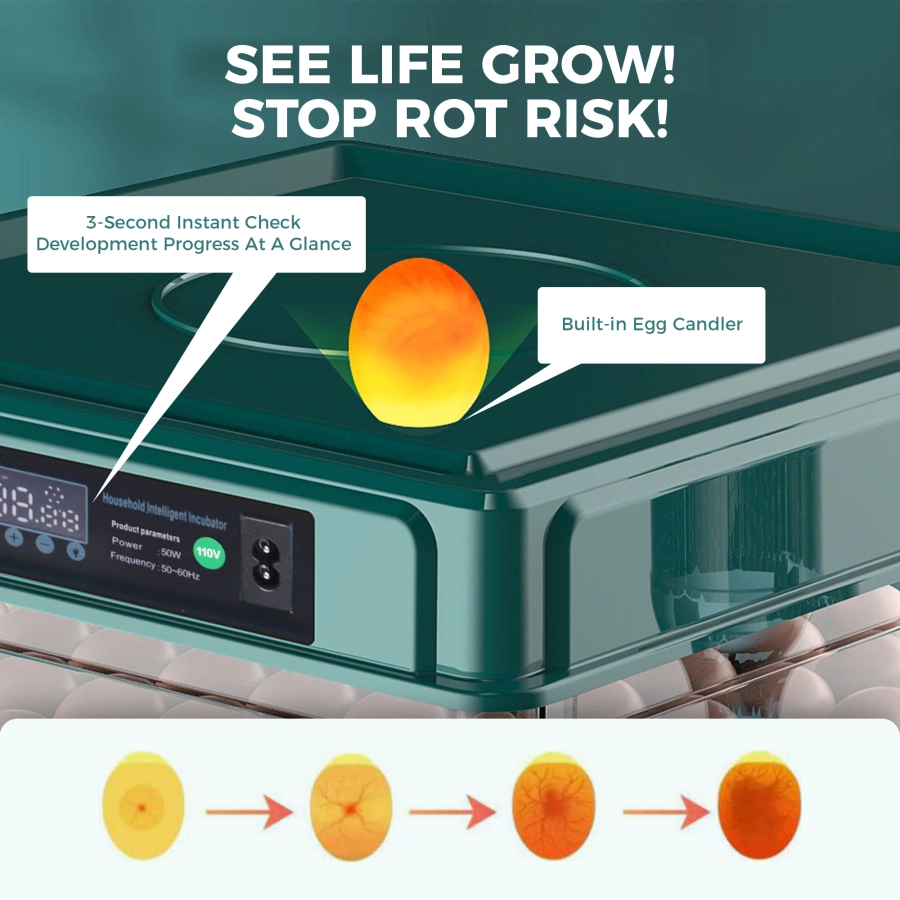
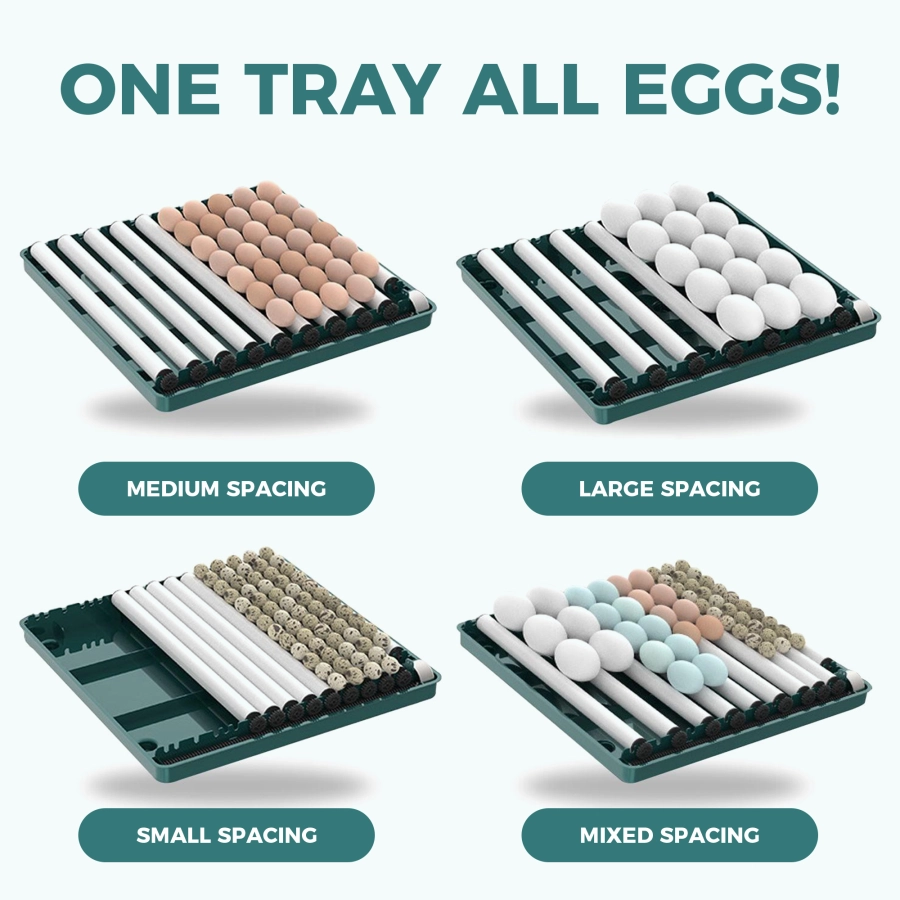
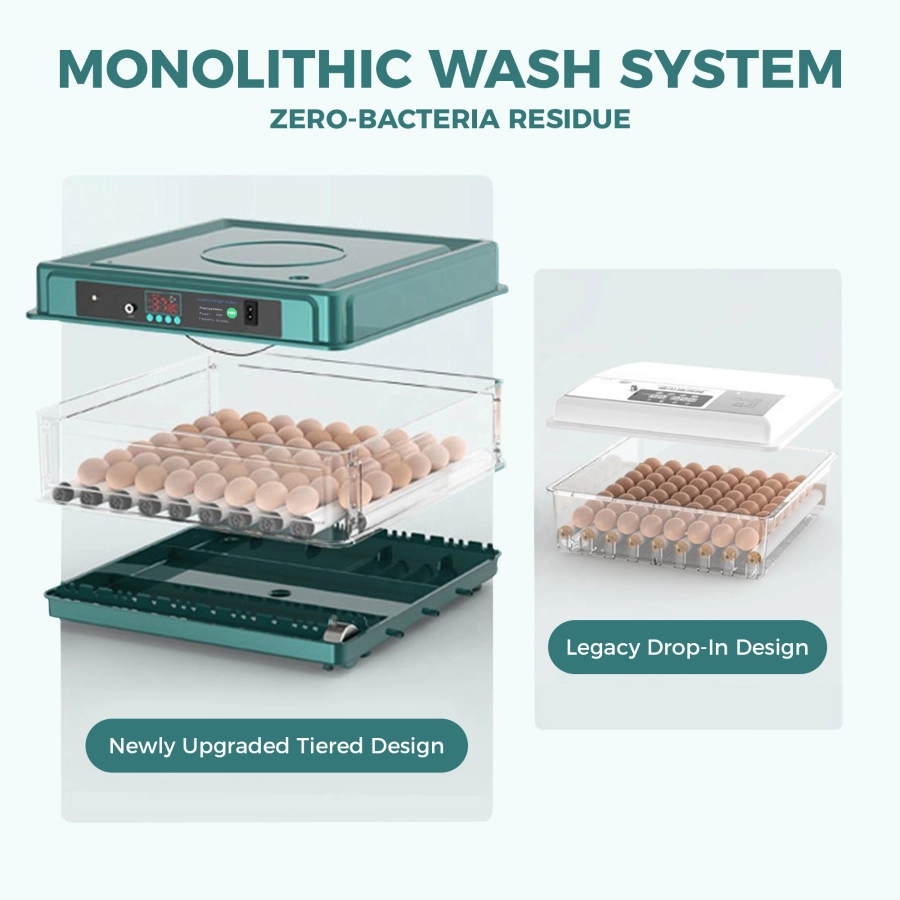
$134.50
Save $27.04
Quick Reference
Conclusion: Start with one steady baseline, then confirm your trend with notes and candling.
- Incubation length: commonly 28 days. Some breeds run longer, so track progress by observation and schedule.
- Temperature: 99.5°F at egg height for most forced-air incubators.
- Humidity: Days 1–25: 50–55% RH, then Days 26–28: 65–75% RH for lockdown and hatch.
Conclusion: Your daily routine matters more than perfect numbers for five minutes.
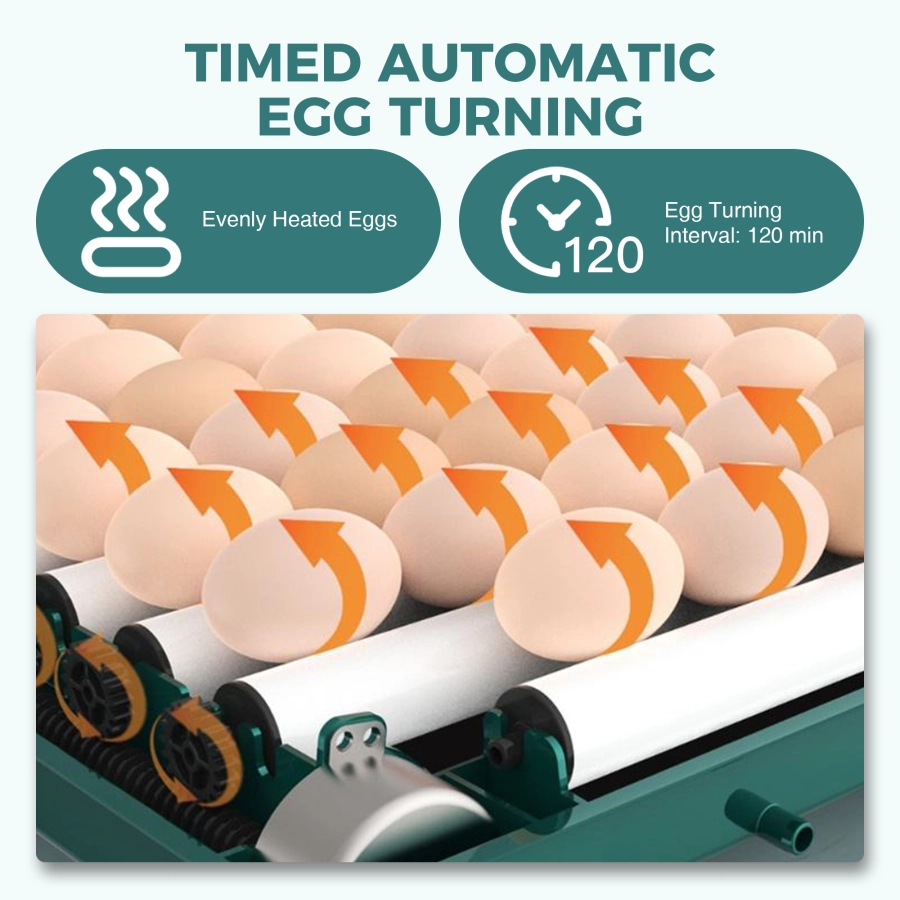
- Turning: 3–5 times daily until Day 25. A steady routine helps embryos position normally.
- Ventilation: keep airflow consistent, then increase fresh air gradually after Day 25 as embryos need more oxygen.
- Lid discipline: short checks beat frequent long openings. Lid time is the fastest way to crash humidity.
Step-by-Step Duck Egg Incubation Process
Before Day 1: A stable setup prevents most beginner problems.
- Egg selection: choose clean, evenly shaped eggs. Skip cracked eggs and heavily soiled eggs.
- Run a dry test: preheat the incubator and confirm temperature and humidity at egg height.
- Plan your routine: decide your turning schedule and keep notes from the start.
Days 1–7: Build stability and avoid over-handling.
- Hold temperature steady: stable heat supports normal early development.
- Keep humidity consistent: a stable 50–55% RH trend supports healthy moisture loss.
- Turn consistently: missed turns increase sticking risk, so make turning easy to repeat.
Days 8–14: Confirm development without stressing eggs.
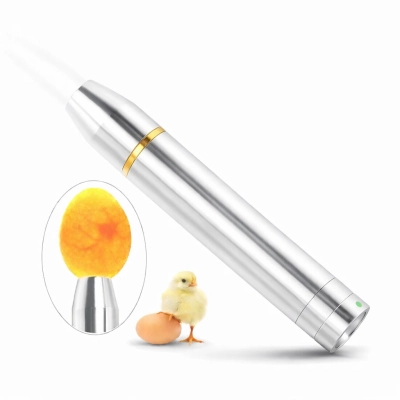
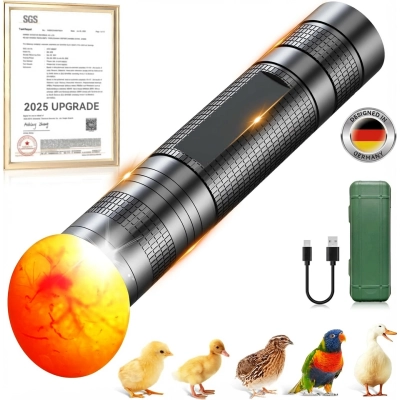
- Candle quickly: candle around Day 7 and again around Day 14 to check veins, growth, and air cell trend.
- Reduce lid time: long candling sessions drop humidity, which can dry membranes later.
- Record what you see: write down air cell size and any clear non-viable eggs you remove.
Days 15–25: Protect consistency as embryos grow fast.
- Keep turning: continue your 3–5 turns daily until Day 25.
- Watch trends: if humidity drifts, make one small change and wait. Big swings cost hatchability.
- Prepare for lockdown: set up your hatch liner and plan to stop turning on time.
Days 26–28: Lockdown and hatch
- Stop turning: stop turning after Day 25 so ducklings can position for hatch.
- Raise humidity: move to 65–75% RH to keep membranes soft and reduce stuck hatches.
- Keep the lid closed: humidity loss during hatch can delay or prevent successful zipping.
For a one-page “last 72 hours” checklist you can follow step by step, use: Egg Incubation Lockdown.
Duck vs Chicken: What’s Different
Conclusion: Duck eggs are more humidity-sensitive and often run longer.
- Timeline: duck eggs commonly run about 28 days, while chicken eggs are typically shorter.
- Humidity: duck hatches often benefit from careful humidity control, especially during lockdown.
- Handling: fewer lid openings matter more with duck eggs because membranes dry faster after drops.
Optional misting
Conclusion: Most domestic duck breeds do not need misting. If you are unsure, skip it.
- When it may apply: some keepers use light misting for Muscovy or wild-type ducks to mimic natural moisture.
- How to keep it safe: keep it occasional and brief, and avoid repeated lid openings that crash humidity.
- Record it: log every misting event and note humidity trend so you can learn what helped and what hurt.
Common Questions
Why do duck eggs stop developing?
The most common causes are temperature swings, inconsistent turning, and humidity drifting too far from your baseline. Fix stability first because stability directly drives embryo growth.
How can I tell if a duck egg is viable?
Candle around Day 7 and Day 14. You should see veins early and later see darker shadowing and movement. Candle quickly to protect humidity.
Simple daily hatch log
Conclusion: A one-line log makes your next hatch easier and more predictable.
- AM and PM: egg-height temperature and RH trend.
- Turning and lid time: number of turns and how many times you opened the lid.
- Notes: water added, vent position, candling results, outages, and any single change you made.
Equipment tips for beginners
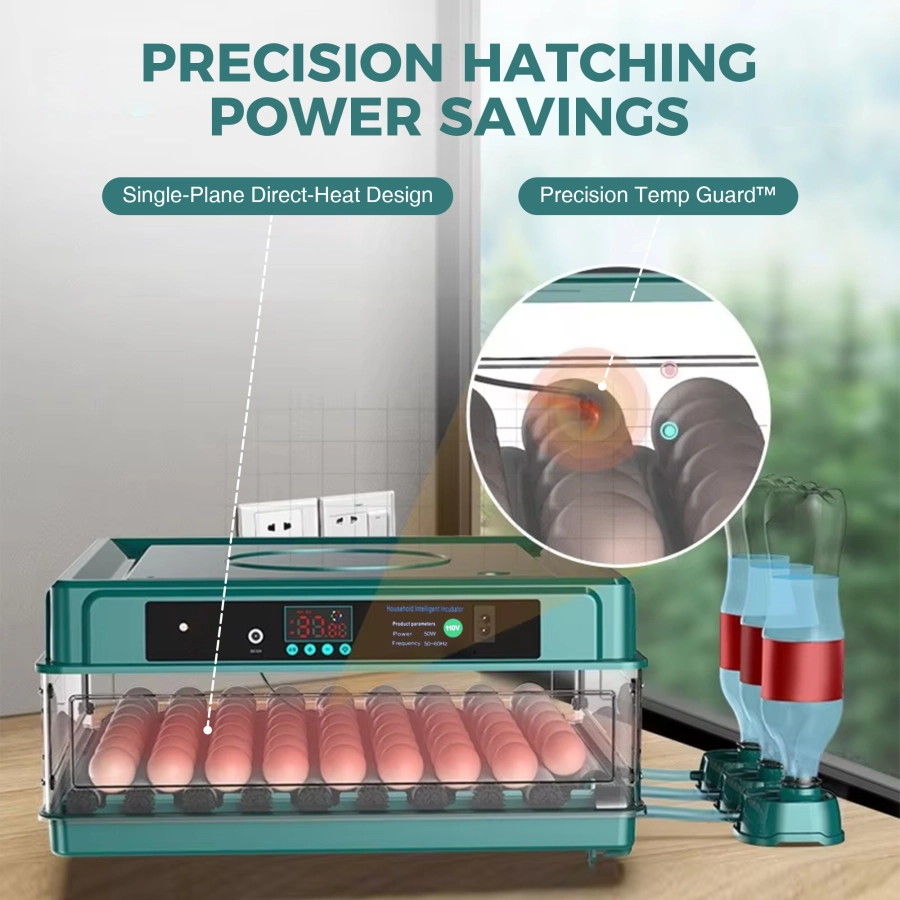
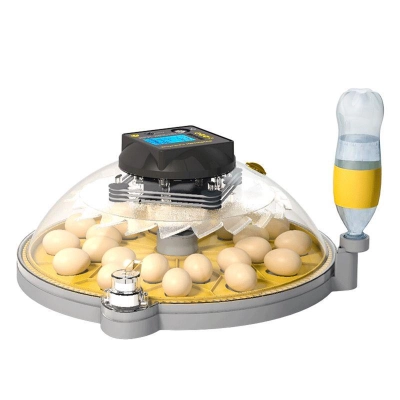
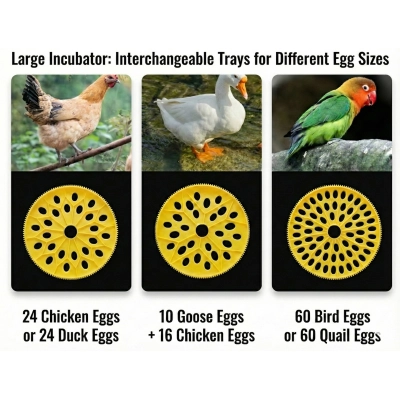
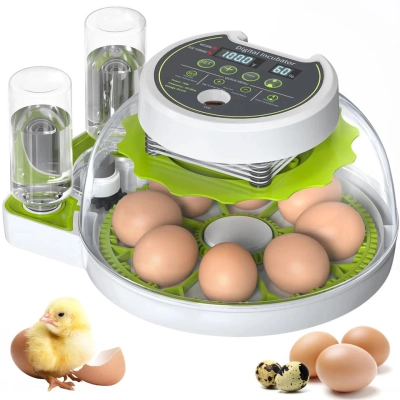
Duck eggs are larger than many chicken eggs, so tray fit matters. If you hatch mixed egg sizes, look for adjustable trays: Duck Egg Incubator with Adjustable Trays. If missed turns are your biggest risk, an Automatic Egg Incubator can help you keep turning consistent with less handling.
If you are comparing sizes and styles, browse the Egg Incubator Collection.
After hatch
Let ducklings dry fully before moving them. A warm, draft-free brooder supports strong starts: Creating the Ideal Environment for Newly Hatched Chicks. Use clean bedding and fresh water, and avoid slippery footing to protect legs.
Summary: Patience and consistency lead to success
Duck egg hatching takes more time and more humidity discipline than many first-timers expect. Stable temperature, steady humidity trends, consistent turning through Day 25, and a calm lockdown routine are the fastest path to better hatch rates.
Data authenticity note: This guide reflects practical at-home incubation routines. Results vary with egg fertility, storage age, incubator airflow design, sensor placement at egg height, room drafts, shell cleanliness, and lid-opening frequency. Change one variable at a time and keep a simple hatch log to verify what worked in your setup.



0 Comments