
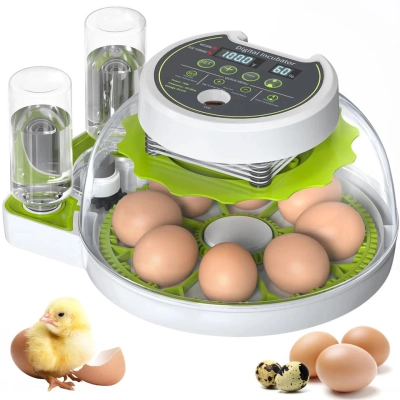
If you want reliable, repeatable hatching without babysitting eggs all day, an Automatic Egg Incubator can be a game-changer. It helps maintain stable temperature, humidity, and egg turning—three things that matter most for healthy embryo development. If you’re comparing models or looking for a trusted option, you can start here: EggBloom automatic incubator.
If you want to compare automatic vs. other options (still-air/forced-air, small tabletop vs. cabinet), see this egg incubator types overview first.
What Is an Automatic Egg Incubator?
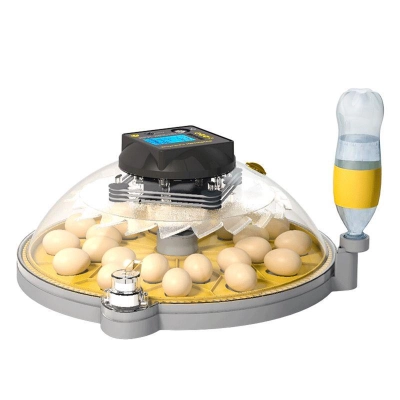
An Automatic Egg Incubator is a modern device designed to hatch eggs by maintaining the ideal environment without constant human intervention. Unlike traditional methods or manual incubators, this equipment can automatically control temperature, humidity, and egg turning, keeping conditions steady throughout the incubation period.
Definition and Core Function
At its core, an automatic incubator mimics the natural behavior of a brooding hen. It keeps eggs warm, rotates them on schedule, and helps maintain the right moisture levels. This reduces guesswork and creates a stable environment that embryos need to develop properly.
How Automation Improves Hatch Success
Automation improves hatch rates by eliminating common human errors such as forgetting to turn eggs or misjudging temperature levels. With sensors and digital controllers, consistency is maintained 24/7—which is critical for embryo survival.
How an Automatic Egg Incubator Works
Understanding how an Automatic Egg Incubator works helps you get better results and troubleshoot issues faster.
Temperature Regulation System
Temperature is the most important factor in incubation. Automatic incubators use built-in thermostats and heating elements to keep a steady temperature (commonly around 37.5°C / 99.5°F for chicken eggs). Even small fluctuations are corrected quickly to protect development.
Humidity Control Mechanism
Humidity affects how much moisture the egg loses during incubation. Many incubators manage humidity through water trays, vents, sensors, or add-on humidification features. Correct humidity supports proper membrane moisture and smoother hatching.
Automatic Egg Turning Explained
Eggs need turning several times a day to prevent the embryo from sticking to the shell membrane. An automatic turning system gently rotates eggs at regular intervals, closely simulating natural conditions and improving hatch consistency.
How many times a day should you turn eggs in an incubator?
Most poultry guides recommend that you turn eggs at least 2–3 times per day during the early incubation period.
Some Extension guidance suggests even more frequent turning, such as 4–6 times per day, especially when you turn by hand.
You should stop turning during the last 3 days before hatch. Many people call this period “lockdown.”
An automatic turning system helps because it turns on a steady rhythm. It also helps you open the lid less often, so temperature and humidity stay more stable.
Note: Different bird species can have different best practices. You should follow the guidance for your species when you have it.
Do I need an automatic egg turner?
You do not “need” an automatic egg turner in every setup. However, many poultry guides recommend it because eggs should be turned several times a day.
You will benefit from an automatic turner if you have a busy schedule. You will also benefit if you tend to forget a turning cycle. A turner can keep the routine more consistent.
You will also open the incubator less often. This habit helps protect stable temperature and humidity.
A manual setup can still work. A manual setup requires discipline. You need to turn often and on time, and you need to stop turning in the final days before hatch.
Benefits of Using an Automatic Egg Incubator
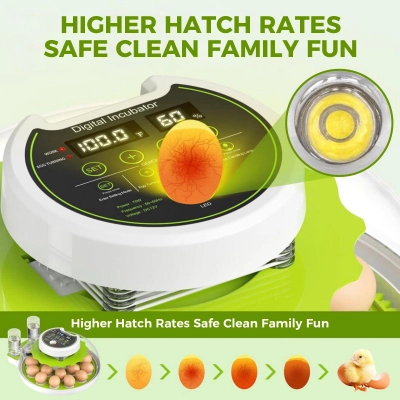
Higher Hatch Rates
Stable conditions usually lead to better hatch results than manual methods. Consistency is the secret sauce—especially for beginners who are still learning.
Reduced Human Error
Since the incubator handles key tasks automatically, you avoid common mistakes like irregular turning or temperature swings from frequent lid opening.
Time-Saving and Convenience
Once set up, the incubator does most of the work. You’ll still monitor occasionally, but you won’t need to hover over it all day.
Types of Automatic Egg Incubators
Small-Scale Home Incubators
Compact models are great for beginners, backyard flocks, and classroom projects. They typically hold 6–24 eggs and are easy to run.
Commercial and Industrial Incubators
Larger incubators can hatch hundreds or thousands of eggs, often with advanced monitoring and alarm systems designed for production environments.
Multi-Species Incubators
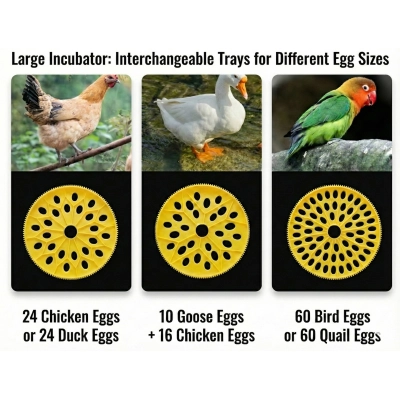
Some incubators support chicken, duck, quail, goose, and turkey eggs using adjustable trays and settings. Just remember: different species may require different humidity and timing.
Key Features to Look for When Buying
Digital Display and Sensors
A clear display and accurate sensors make it easier to confirm stable temperature and humidity at a glance.
Capacity and Egg Compatibility
Choose capacity based on your hatch goals and species. Overcrowding reduces airflow and can lower hatch success.
Power Backup and Safety Features
Power interruptions can ruin a hatch. Features like alarms, fault indicators, or backup solutions can help protect your batch.
Step-by-Step Guide to Using an Automatic Egg Incubator
If you want a deeper walkthrough with practical checkpoints, follow a full guide here: how to use an egg incubator (step-by-step).
Preparing the Incubator
Clean and disinfect the incubator before use. Run it empty for 24 hours to stabilize temperature and humidity before loading eggs.
Setting Temperature and Humidity
Set the incubator according to the species. For chicken eggs, common targets are ~37.5°C (99.5°F) with moderate humidity during most of incubation, then higher humidity at hatch time.
Monitoring and Maintenance
Check water levels, confirm vents aren’t blocked, and resist opening the lid too often—especially during the final days when chicks are hatching.
Common Mistakes to Avoid
Incorrect Temperature Settings
Temperature issues are one of the top reasons hatches fail. If you suspect inconsistencies, verify with a reliable secondary thermometer and recalibrate if needed.
Poor Ventilation
Embryos need oxygen to grow. Make sure air vents remain open and unobstructed so fresh air can circulate.
For quick fixes and symptom-based help (like “eggs stopped developing” or “late hatch”), use this resource: egg incubator troubleshooting tips.
Cleaning and Maintenance Tips
After each hatch, remove shells and debris. Wash trays with warm water and a mild disinfectant, and allow everything to dry fully before storage. For a dedicated checklist-style routine, see: egg incubator maintenance and cleaning.
Automatic Egg Incubator vs Manual Incubator
Automatic incubators usually win on convenience, accuracy, and consistency. Manual models can be cheaper, but they require frequent turning and closer monitoring, which increases the chance of mistakes.
If you’re still deciding, this comparison can help: automatic vs manual egg incubator.
Frequently Asked Questions (FAQs)
What is a 3-use incubator?
A 3-use incubator is an all-in-one machine that supports incubation, hatching, and brooding in one unit. Many sellers describe this as a “setter + hatcher + brooder” combo.
This design can help you keep your workflow simple. You can move from warm incubation, to hatch “lockdown,” and then to early chick care with fewer equipment changes.
Is an Automatic Egg Incubator suitable for beginners?
Yes. It’s beginner-friendly because it automates the most error-prone steps: temperature stability, turning, and often humidity support.
How many eggs can an Automatic Egg Incubator hold?
Capacity depends on the model—some are designed for a handful of eggs, while others support larger batches for farms and breeders.
Do automatic incubators need constant monitoring?
No. You’ll do periodic checks (water level, readings, ventilation), but you don’t need to manually turn eggs or constantly adjust settings.
Can I hatch different bird eggs together?
Only if they share similar incubation requirements (especially humidity and timing). Mixing species can be tricky because hatch days and needs may differ.
How long does incubation take?
It varies by species. Chicken eggs commonly hatch around day 21, while ducks, quail, and geese can differ.
What’s the biggest reason hatches fail?
Inconsistent temperature, incorrect humidity, poor ventilation, and opening the incubator too often near hatch time are common causes.
Conclusion
An Automatic Egg Incubator is a practical, reliable tool for hobbyists and serious breeders alike. With stable controls, less manual work, and fewer avoidable mistakes, it can dramatically improve your hatching experience. Choose a model that fits your egg capacity needs, keep your environment steady, and follow best practices for setup and sanitation.

0 Comments