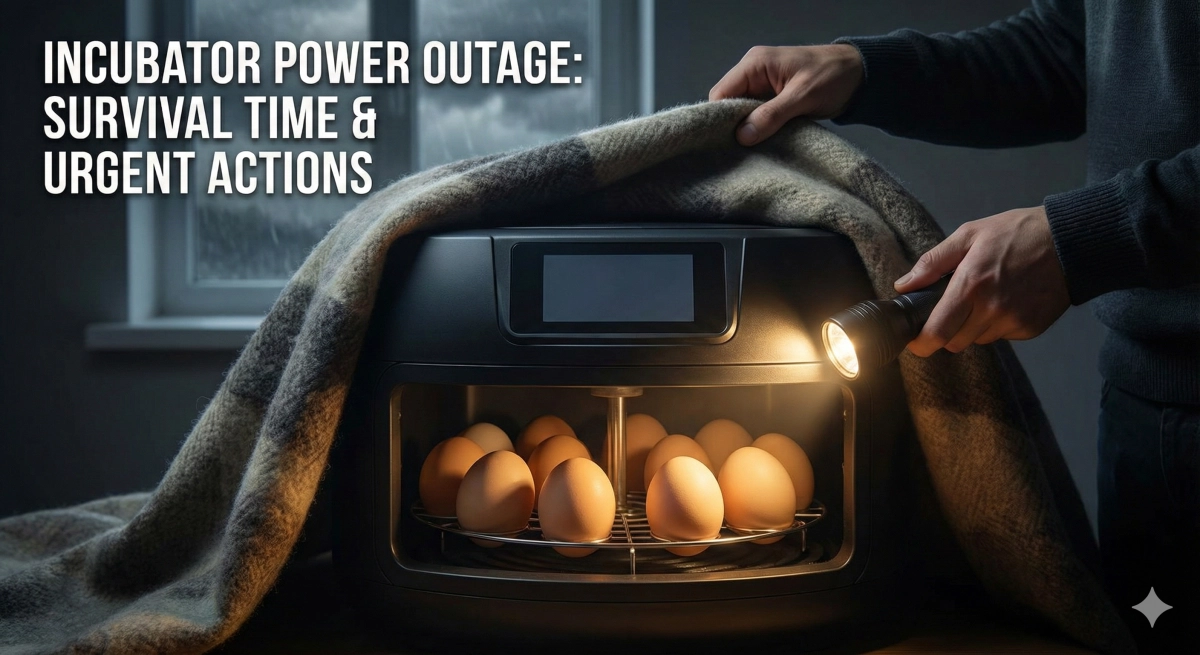
A sudden egg incubator power outage puts your eggs at risk, but you have a short window to act. In many home setups, eggs can survive with low risk for about 0–2 hours, face moderate risk for roughly 2–6 hours, and see significant risk if power stays off for 6–12 hours or longer. To protect your hatch, take these steps right away:
-
Keep the incubator closed to trap warmth.
-
Note the time the outage starts.
-
Wrap towels or blankets around the incubator, making sure not to block air vents or create a fire hazard.
-
Move the incubator to a warm room.
Quick action gives your eggs the best chance to survive until power returns.
Key Takeaways
-
Act fast if the power goes out. Keep the incubator shut to hold in heat.
-
Eggs are usually safe for a short outage of up to about 2 hours. Many eggs will be fine if you warm them up again soon.
-
If the power is out for 2–6 hours, use towels for insulation and add safe heat sources to help the eggs stay warm.
-
Do not open the incubator lid unless you must. This keeps the heat inside and protects the eggs.
-
Watch the temperature and humidity closely. Use a battery thermometer to check without opening the incubator.
-
Make an emergency kit with backup power and insulation. This helps you get ready for future outages.
-
When power comes back, slowly bring the temperature to 99.5°F. Check the humidity to help the eggs recover.
-
If chicks look weak after a long outage, call a poultry vet. They can tell you how to care for and help the chicks.
Egg Incubator Power Outage: Survival Facts
How Embryos Handle Cooling
It is normal to worry about an egg incubator power outage. Practical hatching experience and small-flock reports show many eggs can survive short cooling times. In some difficult conditions with repeated outages, hatchability has still reached roughly one-third of fertile eggs, although results vary widely. This means not every outage ruins your hatch. Eggs often pause development when they cool and start again when they warm back up. Broody hens leave their nests for short breaks, and their eggs usually survive these natural cooling periods.
Here’s a quick look at how broody hens compare to artificial incubation:
|
Aspect of Incubation |
Broody Hen Behavior |
Artificial Incubation |
|---|---|---|
|
Nesting Duration |
Stays on nest for days |
Depends on power availability |
|
Feeding Behavior |
Leaves nest mostly in last week |
Needs power to work |
|
Light Exposure |
Gets natural light |
Uses controlled light |
Your incubator tries to copy these natural conditions. Eggs need you to fix temperature and humidity fast after a power loss.
Cooling vs Overheating Risks
Cooling is usually less risky than overheating for hatching eggs. Eggs can survive short drops in temperature. Keep the incubator closed and insulated. Overheating can kill embryos quickly. Do not use unsafe heat sources. Do not set the incubator thermostat too high when power comes back. Keep the temperature steady at 99.5°F. Use towels or blankets for insulation. Make sure air vents stay clear to avoid fire.
Key Survival Factors: Time, Temperature, Egg Age
Many things affect egg survival during an egg incubator power outage. The most important are how long the outage lasts, the temperature inside, the age of the embryos, and humidity. Eggs early in incubation handle cooling better than eggs close to hatching. Humidity matters too. Low humidity can dry out eggs. High humidity helps eggs stay healthy.
Here’s a table showing the most critical factors:
|
Factor |
Description |
|---|---|
|
Duration of Outage |
Longer outages are riskier for embryos. |
|
Developmental Stage |
Early-stage eggs handle cooling better than late-stage eggs. |
|
Internal Temperature |
Keeping egg temperature as close as possible to normal incubation (around 99–100°F) and generally above about 80–86°F helps eggs survive. |
|
Humidity Levels |
Keep 50–60% RH (65–75% RH in lockdown) for best results. |
|
Short-term Power Loss |
Eggs can handle short outages with little harm. |
|
Extended Power Outage |
Risk goes up after several hours without power. |
|
Temperature Tolerance |
Many hatching logs suggest that eggs can handle short periods around typical room temperature and longer periods slightly below incubation temperature, but risk rises as temperatures fall and time passes. |
Watch for:
Write down when the outage starts.
Keep the incubator closed and insulated.
Check temperature and humidity with a battery-powered device.
Move the incubator to a warm, draft-free room.
Use safe heat sources like sealed hot water bottles if needed.
Only open the lid if you must.
Call a poultry vet or extension office if chicks seem weak after a long outage.
Smart choices during an egg incubator power outage help your hatching eggs survive. No plan is perfect, but quick and safe actions give your eggs the best chance.
How Long Can Eggs Survive Without Heat
0–2 Hours: Low Risk
You have a good chance to save your hatch if the egg incubator power outage lasts less than two hours. Most eggs can survive this short time without heat. The embryos pause their development when the temperature drops, but they usually start again once you restore warmth. Your main goal is to keep as much heat inside the incubator as possible.
Here are the best steps to protect your eggs:
|
Method |
Description |
|---|---|
|
Keep the lid closed |
Stops heat from escaping. |
|
Move to a warm room |
Warmer air helps slow heat loss. |
|
Wrap with towels or blankets |
Adds insulation, but keep air vents clear for safety. |
|
Avoid drafts and cold spots |
Place the incubator away from windows and doors. |
Do this:
Note the time the power went out.
Keep the incubator lid closed.
Wrap towels or blankets around the incubator, but do not block vents.
Move the incubator to the warmest room you have.
Avoid opening the lid to check temperature unless you have a battery-powered thermometer.
Do not use candles or open flames for heat.
You should check temperature with a battery-powered thermometer if possible. Most eggs will survive this short outage with little or no effect on hatch rate.
2–6 Hours: Moderate Risk
If the power stays off for two to six hours, the risk to your eggs increases. You can still save many embryos if you act quickly and use good insulation. The temperature inside the incubator will drop more during this time. You need to keep the eggs as warm as possible.
Try these methods to improve survival:
|
Method |
Description |
|---|---|
|
Add warm water bottles |
Place sealed bottles near, not on, the eggs to release heat slowly. |
|
Wrap with extra towels |
Add more layers for insulation, but keep vents clear. |
|
Close ventilation holes briefly |
Trap heat, but open them again once power returns. |
Watch for:
Check temperature every hour with a battery-powered device.
Add sealed hot water bottles or hand warmers wrapped in cloth if the room is cool.
Keep the incubator away from drafts and cold spots.
Do not open the lid unless you must add a heat source.
Write down any changes you make.
Eggs in early incubation (first week) handle cooling better than eggs close to hatching. If you can keep egg temperatures from dropping much below the mid-80s°F, you improve survival. If the room is cold, you may see a drop in hatch rate, but many eggs will still survive.
6–12 Hours: High Risk
A power outage lasting six to twelve hours puts your hatch at significant risk. The temperature inside the incubator may drop below the safe range. Embryos, especially those in the last week, become less able to survive long cooling periods. You need to use every safe method to keep your eggs warm.
Here are the most important actions:
|
Method |
Description |
|---|---|
|
Use all safe insulation |
Wrap the incubator with towels and blankets, but never block air vents. |
|
Add more warm water bottles |
Replace them as they cool, but avoid opening the lid too often. |
|
Move to a warmer location |
If possible, bring the incubator to a place with heat or restored power. |
Do this:
Check temperature every hour.
Keep the incubator as insulated as possible.
Add or replace warm water bottles as needed.
Move the incubator if you find a warmer spot or if power returns elsewhere.
Do not use unsafe heat sources like space heaters or open flames.
If the temperature drops below 80°F for many hours, survival drops sharply. Some eggs may not hatch, and survivors may hatch late or weak. You should still try to save the hatch. Many eggs can survive if you act quickly and keep conditions as stable as possible.
Beyond 12 Hours: Critical Survival Limits
If your egg incubator loses heat for more than twelve hours, your eggs are in danger. Embryos get weak when it is cold for a long time. If the temperature stays below 80°F, hatch rates drop fast. Some chicks may not make it. You can still help if you act fast and use care.
Try to keep the eggs warm. Use every safe way you know. Put towels or blankets around the incubator. Make sure air vents are open so there is no fire risk. Move the incubator to the warmest place you can find. If you have safe heat, like sealed hot water bottles or chemical hand warmers, put them near the incubator. Wrap them in cloth so they do not touch the eggs.
Egg age is important. Eggs in the first week do better with long cooling. Eggs close to hatching need steady warmth. If you cannot get power back, move the incubator to a place with electricity soon.
Watch for:
Write down when the outage starts and ends.
Keep the lid closed and insulated, but do not block air vents.
Only use safe heat sources. Never use open flames or space heaters.
Check temperature with a battery-powered thermometer if you can.
Move the incubator to the warmest room you have.
Change warm water bottles or hand warmers when they cool down.
Call a poultry vet or extension office if chicks seem weak after hatching.
Here is a simple table to show risks and what to do:
|
Outage Duration |
Risk Level |
Expected Effects |
Key Actions |
|---|---|---|---|
|
Over 12 hours |
High |
Many embryos may not live; survivors may hatch late or weak |
Insulate, use safe heat, move to power, watch closely |
No plan can promise every chick will hatch after a long outage. Smart choices help your eggs the most. Stay calm, act fast, and always be safe. 🐣
Immediate Actions During Incubator Power Loss
When you face an egg incubator power outage, your first steps matter most for survival. You can keep eggs safe if you act quickly and calmly. Follow this emergency checklist during the first five minutes of incubator power loss.
First 5 Minutes: Secure and Insulate
-
Note the time of power failure. Write down exactly when the outage starts. This helps you track how long your eggs go without heat.
-
Confirm the incubator is closed. Make sure the lid stays shut. Do not open it just to look at your eggs.
-
Check and record room temperature. Use a battery-powered thermometer if you have one. Write down the temperature near your incubator.
-
Move the incubator to a warm, draft-free room. Choose the warmest spot in your home or classroom. Avoid windows and doors.
-
Wrap towels or blankets around and under the incubator. Add layers for insulation, but always keep air vents clear for safety. Never block vents, as this can cause overheating or fire risk.
-
Consider backup power options. If you have a generator, UPS, or car power inverter, use it to restore power to your incubator. These tools help keep eggs safe during a longer emergency.
Tip:
You can use sealed hot water bottles or chemical hand warmers as safe heat sources. Wrap them in cloth and place them near, but not touching, the incubator. Always check for fire safety when adding insulation or heat.
Using Towels and Safe Heat Sources
You can keep eggs safe by using towels and blankets for insulation. Place them around and under the incubator, but never cover air vents. This traps warmth and slows heat loss. If the room feels cold, add more layers. Always check that nothing blocks airflow.
Safe heat sources help maintain survival during a power failure. Use sealed hot water bottles or chemical hand warmers. Wrap them in cloth and place them beside the incubator. Do not let them touch the eggs directly. Replace them as they cool down. If you have access to a generator or UPS, plug in your incubator to restore heat. These steps help keep eggs safe and improve survival chances.
Safety Alert:
Never use open flames, candles, or space heaters near your incubator. These can cause fire or damage your eggs.
What Not to Do
You can protect your eggs by avoiding common mistakes during an incubator power loss. Do not open the lid unless you must add a safe heat source. Opening the incubator lets heat escape and lowers survival rates. Try not to let the temperature drop too low or swing quickly, as this can stress embryos. Prevent big humidity swings by keeping the incubator closed. If your incubator has a manual turning option, it is usually better to pause turning during the outage than to open the lid over and over, especially late in incubation.
Here is a quick list of actions to avoid:
-
Do not use unsafe heat sources like candles or space heaters.
-
Do not block air vents with towels or blankets.
-
Do not open the incubator lid just to check on eggs.
-
Do not ignore changes in temperature or humidity.
-
Do not keep opening the incubator just to turn eggs during the outage, especially in the last week.
Note:
If you notice weak or sick chicks after a long outage, contact a local poultry vet or extension office for advice.
You can improve survival by following these emergency steps and avoiding risky actions. Your quick response helps keep eggs safe during an egg incubator power outage.
Response Plans for Short and Long Outages
When your incubator loses power, you need a plan that matches the age of your hatching eggs and the length of the outage. You can make smart choices to help your eggs survive, even if the situation feels stressful. Follow these steps for each stage of incubation.
Early Incubation (Days 1–7, 8–14)
During the first two weeks, your hatching eggs can handle short cooling periods better than later on. If your incubator loses power for less than six hours, most eggs will survive. You should focus on keeping the incubator closed and insulated. If the outage lasts longer than six hours, add safe heat sources like sealed hot water bottles wrapped in cloth. Move your incubator to the warmest room you have. Write down the time the outage starts and ends. Early embryos pause development when cool, but they often recover if you restore warmth soon.
Do this:
Keep the incubator lid closed.
Wrap towels or blankets around the incubator, but never block air vents.
Move the incubator to a warm, draft-free room.
Add safe heat sources if the outage lasts more than two hours.
Record the outage start and end times.
Late Incubation (Days 15–18, Lockdown)
In the final days, your hatching eggs become more sensitive to temperature changes. Embryos produce some heat, but they need steady warmth. If your incubator loses power, act quickly. Insulate the incubator with towels, keeping vents clear. Avoid moving or shaking the eggs. If the outage lasts more than two hours, use safe heat sources. Keep humidity between 65–75% RH during lockdown. Do not open the lid unless you must add heat. Longer outages can cause weak or late hatches.
Watch for:
Insulate the incubator, but keep air vents open.
Use safe heat sources if needed.
Avoid moving or turning eggs during lockdown.
Monitor temperature and humidity with a battery-powered device.
Contact a poultry vet or extension office if chicks seem weak after hatching.
When to Move Eggs or End the Hatch
If your incubator outage lasts more than twelve hours, you need to decide whether to move your eggs or continue. If you can reach a location with power, move the incubator carefully. Keep eggs stable and warm during transport. If eggs have cooled below 80°F for many hours, some may not hatch. You should still try to restore conditions and continue. If you see no signs of life after several days, you may need to end the hatch. Always set honest expectations. No plan can guarantee every chick will hatch, but your quick actions help survival.
|
Outage Length |
Early Incubation |
Late Incubation |
Action Needed |
|---|---|---|---|
|
0–2 hours |
Low risk |
Moderate risk |
Insulate, keep closed |
|
2–6 hours |
Moderate risk |
High risk |
Add safe heat, monitor |
|
6–12 hours |
Significant risk |
Critical risk |
Move to power, act quickly |
|
Over 12 hours |
High risk |
Very high risk |
Consider moving or ending |
Tip:
Always put safety first. Never use open flames or block air vents when insulating your incubator.
After Power Returns: Recovery Steps
When your egg incubator gets power again, you must be careful. You can help more eggs hatch if you follow some easy steps. Your main job is to fix the temperature and humidity. You also need to start turning eggs again or keep them still if it is lockdown. Watch your eggs to see if they are okay.
Restoring Temperature and Humidity
First, turn the egg incubator back on. Set the temperature to 99.5°F. Do not turn it up higher to warm faster. Let the incubator heat up slowly. Wait at least 30 to 60 minutes before doing anything else. Use a battery-powered thermometer if you have one. Check the temperature and keep it steady. Next, check the humidity. Add warm water to the incubator’s channels. This helps control humidity. Try to keep humidity at 50–60% during most of the time. If you are in lockdown, keep humidity at 65–75%. Keeping temperature and humidity steady helps eggs recover after a power outage.
Tip:
Always use warm water, not hot, to raise humidity. Make sure towels or blankets do not block air vents. Fire safety is very important.
Resuming Turning or Lockdown
After the temperature and humidity are steady, you can start turning eggs again. Only do this if you are not in the last three days. Turning helps the embryos grow right. If you are in lockdown, do not turn the eggs. Leave them still. Watch the incubator closely for a few hours. Write down any changes you make. If you used safe heat sources during the outage, take them out when the incubator is warm again.
Watch for:
Only start turning after temperature and humidity are steady.
Do not turn eggs during lockdown.
Take out extra heat sources when not needed.
Watch eggs for movement or signs of life.
Hatch Timing and Signs of Survival
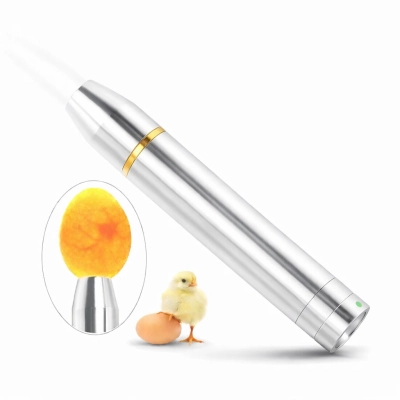
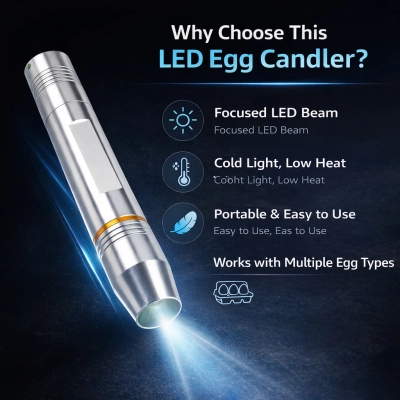
Your eggs might hatch later than normal. The delay is usually as long as the time they were cool. Check your eggs every day. Look for movement inside the eggs after they warm up. Candling can help you see if embryos are alive. Moving embryos are a good sign. Some chicks may hatch weak or late, especially after a long outage. Be honest with your hopes. Not every egg will hatch, but these steps help many survive.
Here is a checklist to help you:
Do this:
-
Set the incubator to 99.5°F and watch until it is steady.
-
Add warm water to get humidity to 50–60% (or 65–75% in lockdown).
-
Start turning eggs again if not in lockdown.
-
Take away towels, blankets, or heat sources when things are steady.
-
Watch eggs for movement or signs of life.
-
Candle eggs to check embryos if you know how.
-
Write down when eggs hatch and any delays.
You can help your eggs recover if you stay calm and follow these steps. If you see weak chicks after hatching, call a poultry vet or extension office for help.
Prepare for Future Egg Incubator Power Outages
You can keep your eggs safe from future power outages by planning ahead. A good emergency plan helps you act fast and keeps your hatch safe. Here are some ways to get ready for the next emergency.
Backup Power and Monitoring Tools
There are a few good ways to get backup power. A generator can run your incubator and other things in your house. If you want something you can move, use a car battery with a power inverter. This lets you move your incubator to a safe place and keep eggs warm if the power goes out.
To watch what happens inside your incubator, use good monitoring tools. The best monitors send alerts right away if the power goes out, even without WiFi. Some monitors have a battery that lasts three days, so you can still check temperature and humidity. You can set your own temperature limits for alerts. This helps you act fast if eggs get too cold or too dry.
|
Feature |
Description |
|---|---|
|
Instant Alerts |
Get notified right away if power fails—no WiFi needed. |
|
3-Day Backup |
Monitor keeps working for up to 3 days after a power outage. |
|
Temperature Monitoring |
Watch for drops to prevent freezing conditions for your eggs. |
|
Humidity Monitoring |
Prevent mold by tracking humidity levels. |
|
Custom Thresholds |
Set your own alert levels for temperature and humidity. |
Emergency Kit Essentials
You can make a simple emergency kit to get ready for any incubator power outage. Keep these things close to your incubator:
-
Power inverter for your car or a 12V battery.
-
UPS for short backup power.
-
Heating pads as a safe heat source.
-
Large towels or blankets for insulation (do not block air vents).
-
Sealed hot water bottles or chemical hand warmers.
-
Battery-powered thermometer and hygrometer.
-
Printed Quick Reference Card with emergency steps and a place to write outage times.
Tip:
Keep your emergency kit in a labeled box near your incubator. Check your supplies every month to make sure they work.
SOP for Home and Classroom
You can make a simple standard operating procedure (SOP) for your home or classroom. Put your Quick Reference Card next to the incubator so everyone knows what to do. Practice your emergency plan with your family or students. Give everyone a job, like writing down the outage time, adding insulation, or checking backup power.
Do this:
-
Keep your emergency kit ready and full.
-
Test your backup power before you need it.
-
Print and post the Quick Reference Card near your incubator.
-
Practice your emergency plan with everyone who helps with the eggs.
-
Always use safe heat and never block air vents.
-
Call a poultry vet or extension office if chicks seem weak after a long outage.
You cannot stop every emergency, but you can get ready for future power outages. Good planning and quick action help your eggs survive and give you the best chance for a healthy hatch.
Quick Reference Card: Survival Numbers
Time Windows and Risk Levels
It is important to know how long eggs last in an incubator during a power outage. The risk changes as time passes and depends on how well you keep the incubator warm. If you keep the lid closed and wrap the incubator, eggs stay alive longer. Taking eggs out of the incubator makes them less likely to survive.
|
Outage Duration |
Risk Level |
What Happens to Eggs |
What You Should Do |
|---|---|---|---|
|
0–2 hours |
Low |
Development stops, hatch might be late |
Keep incubator closed and warm |
|
2–6 hours |
Moderate |
Fewer eggs may hatch |
Add safe heat, check temperature |
|
6–12 hours |
Significant |
Some embryos may not live |
Use all safe insulation, move to warmth |
|
Over 12 hours |
High |
Many embryos may not hatch |
Move incubator to power, set expectations |
Safe Temperature Ranges
You need to keep the temperature inside your incubator close to 99.5°F. Eggs can handle short drops in temperature, but do not let it stay below about 80°F for a long time. Many embryos can survive periods cooler than normal incubation temperatures, but hatch rates usually fall as temperatures drop and time passes. Use towels, blankets, or a big cardboard box to keep heat in. Always keep air vents open so there is no fire risk. If you use heat, pick sealed hot water bottles or chemical hand warmers. Never use open flames near your incubator.
-
Keep eggs warm until power comes back.
-
Use blankets or a box for insulation, but keep vents open.
-
Eggs do best above 86–90°F.
-
Do not let temperature go below 80°F for many hours.
Do’s and Don’ts for Outages
You can help eggs survive by following these easy rules during a power outage:
Do:
-
Keep the incubator closed and warm.
-
Use safe heat like sealed hot water bottles.
-
Start the incubator as usual when power returns.
-
Get ready for outages with backup power and a printed emergency card.
Don’t:
-
Do not wrap the incubator so tight that vents are blocked.
-
Do not take eggs out unless you must move them to power.
-
Do not use candles, space heaters, or open flames near your incubator.
-
Do not set the thermostat higher than 99.5°F when power comes back.
Tip:
Fire safety is important. Always keep air vents open and use only safe heat.
Do this:
-
Write down when the outage starts and ends.
-
Keep the incubator closed and warm.
-
Check temperature with a battery-powered thermometer.
-
Use safe heat if the room is cold.
-
Move the incubator to the warmest place you have.
-
Never block air vents.
-
Call a poultry vet or extension office if chicks seem weak after hatching.
No plan can promise every chick will hatch, but smart choices help your eggs survive a power outage.
You can protect your hatching eggs during an egg incubator power outage by acting quickly. Most eggs survive a two-hour outage with no harm. Even after six hours, many hatching eggs stay safe if you keep the incubator insulated and in a warm room. Eggs with some development help their own survival by making heat. Always keep an emergency kit ready and print the Quick Reference Card. You give your hatching eggs the best chance when you follow these emergency steps. Share these tips with others who use an incubator so more eggs can hatch safely.
Stay calm during an emergency. Your quick actions make a big difference for your hatching eggs.
FAQ
How long can eggs survive in an incubator without power?
In many home setups, eggs can survive with low risk for around 0–2 hours. Between 2–6 hours, risk increases but many eggs still hatch if you keep them warm. After 6–12 hours, survival often drops. Over 12 hours, many embryos may not make it. Keep your incubator insulated and warm.
What is the safest way to insulate my incubator during a power outage?
Wrap towels or blankets around and under your incubator, but always keep air vents open. Never use materials that block airflow. Fire safety matters. Move your incubator to the warmest room you have.
Can I use a heating pad or hot water bottle to keep eggs warm?
Yes, you can use sealed hot water bottles or heating pads as safe heat sources. Wrap them in cloth and place them near, but not touching, the eggs. Never use open flames or space heaters.
Should I open the incubator to check on the eggs during an outage?
Keep the incubator closed. Opening the lid lets heat escape and lowers survival chances. Only open it if you must add a safe heat source. Use a battery-powered thermometer to check temperature without opening the lid.
What should I do if chicks seem weak after a long outage?
Contact a local poultry-experienced vet or extension office for advice. Weak chicks may need special care. Do not try to treat them yourself. Quick action from a professional helps your chicks recover.
Will a short power outage delay my hatch?
Yes, a short outage may delay your hatch by the same number of hours your eggs cooled. Most eggs will still hatch if you act quickly and keep conditions stable.
How do I know if my eggs survived the outage?
After power returns, candle your eggs to check for movement. Watch for signs of life as the eggs warm up. Some chicks may hatch late or seem weak, especially after a long outage.
What emergency supplies should I keep near my incubator?
Keep large towels or blankets, sealed hot water bottles, a battery-powered thermometer, and a printed Quick Reference Card nearby. A backup power source, like a UPS or car inverter, also helps protect your hatch.
Data authenticity note: The outage time windows, temperature and humidity ranges, and survival examples in this article are based on a mix of small-flock incubation guides, manufacturer manuals for home incubators, classroom and backyard outage case logs, and practical experience from home hatchers. They are working ranges meant to help with planning, not guarantees for any specific hatch or incubator model. Always follow the safety and operating instructions for your own unit and adjust for your local room temperature and conditions.
References (no external links)
-
Home and classroom incubation guides describing how hatching eggs respond to short and long cooling periods and outlining emergency procedures for power loss.
-
Manufacturer manuals and safety leaflets for small and medium home incubators, including recommended temperature and humidity ranges and warnings about power interruptions.
-
Backyard and small-flock case logs documenting real incubator power outages, room conditions, and observed hatch outcomes over multiple seasons.
-
Poultry education and extension materials on fire safety, biosecurity, and safe use of supplemental heat around incubators and brooding areas.
-
Example temperature and energy-use records from home incubators that track room temperature, outage duration, and hatch timing to build practical planning ranges.


0 Comments