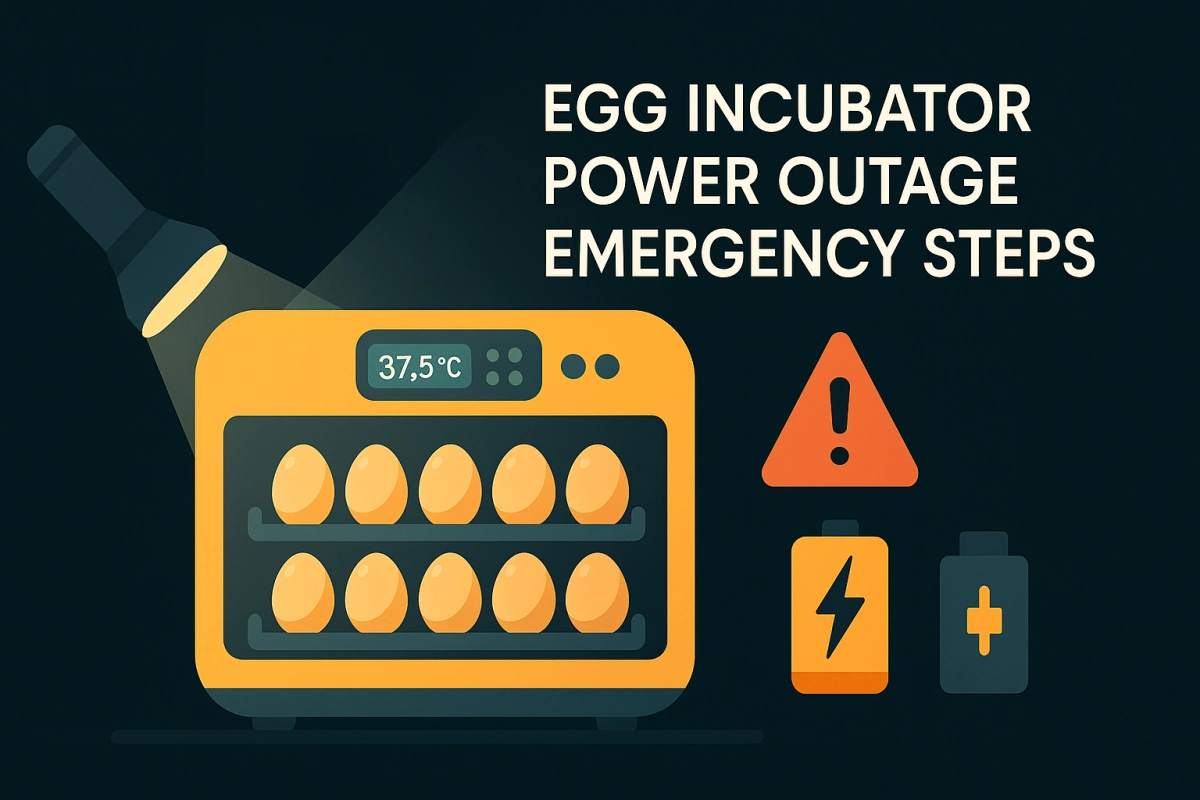
Imagine you are watching your eggs in the Multi-Purpose Automatic Egg Incubator. Suddenly, there is an egg incubator power outage. You feel worried about saving your hatching eggs. Acting quickly can help protect them. Eggs can survive for a short time without heat if you move fast. The table below shows how acting quickly helps:
|
Duration of Power Outage |
Outcome |
|---|---|
|
24 hours |
Incubator used battery power |
|
14 hours |
Hatching worked well |
|
2 hours |
Hatching worked with blankets |
You can keep eggs safe by wrapping the incubator with towels. You can also move it to a warm room. The EggBloom Egg Incubators Collection has helpful features to assist you during such emergencies. But your quick thinking is the most important factor in ensuring the success of your hatching process.
Key Takeaways
-
Move fast if the power goes out to keep eggs safe. Keep the incubator shut so heat stays inside.
-
Cover the incubator with towels or blankets. This keeps it warm and gives you more time to fix the power.
-
Put the incubator in a warmer room if you can. A warm room helps keep heat in and helps eggs survive.
-
Use safe heat like warm water bottles or chemical warming pads. Watch the temperature so it does not get too hot.
-
Make an emergency kit with backup power and insulation. Check your kit often to stop problems before they start.
Immediate Steps for Egg Incubator Power Outage
If the egg incubator loses power, you must act fast. These emergency steps help you save the hatching eggs. They also protect your hatch rate. Follow each step to keep eggs safe and help them hatch.
Keep the Incubator Closed
Close the incubator right away if the power goes out. This keeps heat inside the incubator. Warm air stays with the eggs longer. The temperature drops more slowly. If you open the lid, heat leaves quickly. The eggs get cold faster. Only open the incubator if you need to add warm water bottles or check safety. Keeping it closed is very important during a power outage.
Tip: If you wonder what to do if egg incubator loses power, remember to keep the lid shut first.
-
Closing the incubator helps keep heat inside.
-
Do not open the incubator unless you must.
-
Trapped heat slows cooling and helps save the hatching eggs.
Insulate to Save the Hatching Eggs
Insulation helps save the hatching eggs when the power goes out. Wrap towels or blankets around the incubator to keep heat in. Put the incubator on a thick towel to stop heat from leaving the bottom. You can add warm water bottles next to the incubator. Fill plastic bottles with hot water and put them by the sides. Marbles or river rocks in water trays help hold heat longer. These ideas keep the temperature steady and give you more time to fix the power.
-
Wrap towels or blankets around the incubator.
-
Put the incubator on a towel for extra insulation.
-
Add warm water bottles to the sides for more warmth.
-
Use marbles or river rocks in water trays to hold heat.
Note: Insulation is very important when you want to save the hatching eggs during an egg incubator power outage.
Move to a Warmer Room
Move the incubator to a warmer room if the power goes out. Pick a room that stays warm, like near a wood stove or in sunlight. A warm room slows down heat loss and helps save the hatching eggs. If you cannot fix the power soon, this step gives you more time. Carry the incubator gently so you do not shake the eggs.
-
Choose a room with higher temperature.
-
Stay away from cold or drafty places.
-
Put the incubator far from windows and doors.
Tip: Moving the incubator to a warm spot is a good way to help if egg incubator loses power.
Use Safe Alternative Heat Sources
You can use safe heat sources to save the hatching eggs during an egg incubator power outage. Add warm water bottles inside or next to the incubator. Hot water bottles keep heat from your water heater and help the eggs stay warm. You can use chemical warming pads, but watch them closely so they do not get too hot. Generators and power inverters hooked to a car or boat battery can give power to your incubator. Wrapping the incubator with a down jacket or blanket adds more insulation. Some people use candles in jars for short outages, but be careful and never leave them alone.
|
Alternative Heat Source |
How to Use |
Safety Tips |
|---|---|---|
|
Add warm water bottles |
Put bottles filled with hot water inside or next to incubator |
Check temperature often |
|
Chemical warming pads |
Place pads near eggs, watch closely |
Do not let them get too hot |
|
Generator or power inverter |
Connect incubator to generator or battery |
Follow instructions carefully |
|
Blankets and jackets |
Wrap incubator for more insulation |
Do not block air vents |
Alert: Always check the temperature when using other heat sources. You want to save the hatching eggs, not make them too hot.
You can use these steps together to help save the hatching eggs during a power outage. Acting fast and watching the eggs closely helps protect them until the power comes back.
Check Temperature and Humidity During Outage

Monitor and Maintain Temperature
You should check temperature and humidity often. Use a thermometer to see the temperature inside the incubator. If you do not have power, use a battery thermometer. Put the thermometer close to the eggs for a good reading. Wrap towels or blankets around the incubator to keep it warm. Move the incubator to a warm room if you can. Place warm water bottles next to the incubator for extra heat. These steps help slow cooling and give eggs a better chance.
Tip: Keep the incubator closed as much as you can. This keeps heat inside and stops the temperature from dropping fast.
Control Humidity Levels
Humidity matters for hatching eggs. You can add humidity by placing a pie tin or petri dish with water under the egg tray. If you choose to use an atomizer, spray gently and only inside the incubator chamber, avoiding any electrical parts or fans. Use a wet bulb thermometer to check humidity. Try to keep the wet bulb temperature between 85.3 and 87.3 degrees Fahrenheit. This keeps humidity at 55% to 60%. If there is too much moisture, open vents to let it out. Sponges can soak up extr...
|
Method |
Purpose |
|---|---|
|
Atomizer spray |
Raises humidity |
|
Pie tin or petri dish water |
Adds moisture |
|
Wet bulb thermometer |
Measures humidity accurately |
|
Increase ventilation |
Lowers humidity |
|
Sponges |
Absorbs excess moisture |
Resume Egg Turning After Power Returns
When power comes back, turn on the incubator. Wait for it to reach the right temperature. Let the eggs warm up. Start turning the eggs again when the incubator is stable. Many people find eggs can hatch after a power outage. Eggs can be strong if you act fast and follow these steps. Go back to your normal routine and keep checking the eggs for changes.
Note: Acting quickly and watching the eggs helps them recover after a power outage.
How Long Can Eggs Survive Without Heat?
When your incubator loses power, you may ask yourself, "how long can eggs survive without heat?" The answer depends on several factors. You need to act quickly to give your eggs the best chance of survival. Most hatching eggs can survive without heat for a short time if you keep them in a warm room and follow emergency steps. You should know that the length of time eggs can survive without electricity is not the same for every type of egg or every stage of incubation.
Survival Timeframes for Different Eggs
You want to know how long can eggs survive in incubator without electricity. Most chicken eggs can survive for 1 to 3 hours without heat if you keep the incubator closed and move it to a warm room. Duck and goose eggs may last a little longer because they have thicker shells. Quail eggs are smaller and cool down faster, so their survival time is shorter. If you keep the eggs warm and insulated, you increase their survival chances.
Here is a quick guide to survival timeframes:
|
Egg Type |
Early Stage Survival |
Late Stage Survival |
Notes |
|---|---|---|---|
|
Chicken |
1-3 hours |
3-4 hours |
Late stage embryos generate some heat |
|
Duck/Goose |
2-4 hours |
4-5 hours |
Thicker shells help retain warmth |
|
Quail |
1-2 hours |
2-3 hours |
Small size cools faster |
🕒 Tip: If you face a power outage, move your incubator to a warm room as soon as possible. This step helps extend the survival window for your eggs.
Factors Affecting Egg Viability
Egg survival during a power outage depends on more than just time. You need to consider the temperature of the room, the age of the eggs, and the actions you take. If you keep the incubator in a warm room, the eggs lose heat more slowly. Older embryos have a better chance of survival because they can generate some heat. If you wrap the incubator with towels or add warm water bottles, you help the eggs stay viable longer.
Here is a table showing the main factors that affect egg survival:
|
Factor |
Impact on Viability |
|---|---|
|
Duration of Power Outage |
Longer outages lead to greater risk of egg viability loss. |
|
Ambient Temperature |
Warmer temperatures during outages reduce negative impacts on eggs. |
|
Age of the Eggs |
Older embryos are less affected due to their ability to generate some heat. |
|
Mitigation Actions |
Closing vents, using hot water bottles, and insulating the incubator can help. |
🛡️ Alert: You can improve egg survival by acting fast. Move the incubator to a warm room, insulate it, and add safe heat sources.
Signs Eggs Are Still Viable
You may wonder how to tell if your eggs survived the outage. Look for these signs to check egg viability:
-
The eggs feel warm to the touch after you restore heat.
-
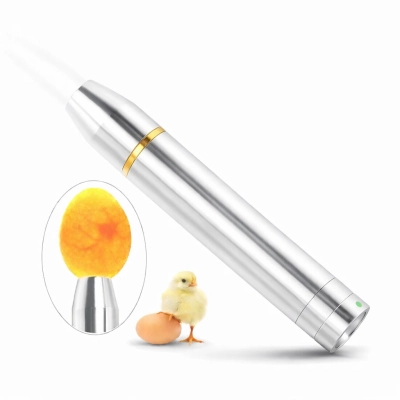
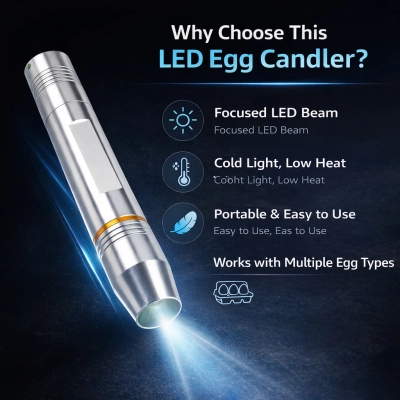
The embryos move when you candle the eggs.
-
The air cell inside the egg looks normal and not too large.
-
The eggs do not smell bad or show signs of spoilage.
If you see these signs, your eggs have a good chance of survival. You should continue to monitor them and keep the incubator in a warm room. If you notice any eggs that look cold or show no movement, remove them to protect the rest.
🔍 Note: Eggs are resilient. Quick action and a warm room can make a big difference in their survival during a power outage.
You now know how long can eggs survive without heat and what steps you can take to help them. Keep your incubator in a warm room, watch for signs of survival, and act quickly to protect your hatch.
Prolonged Power Outage Plan
When to Chill Eggs to Suspend Development
If the power goes out for more than two hours during the first days of incubation, you can chill your eggs to stop them from growing. This helps protect embryos when you cannot get heat back quickly. Place the eggs in a controlled cool environment between 50° and 65°F (10°–18°C). Avoid placing them in a regular refrigerator, which is usually colder and may harm embryos. You can use this method until day 14 of incubation. But older eggs may not do as well. Chilling slows down growth...
🧊 Tip: Chilling eggs works best early in incubation. Always put eggs back in the incubator and restore heat as soon as you can.
Relocating Eggs for Extended Outages
You can move your eggs to a safer place if the power will be out for many hours. Follow these steps to help eggs survive:
-
Connect a power inverter to your car or a 12V battery. This keeps the incubator running and warm.
-
Use a UPS for backup power. You can turn the incubator on and off to save power.
-
Put chemical warming pads, like Hot Hands, near the eggs. Watch the temperature so the eggs do not get too hot.
🚗 Alert: Always check the temperature when using other power or heat sources. Eggs need steady heat to stay safe.
Emergency Checklist for Home Farms
You can get ready for future outages by making an emergency kit. Here are important things to include:
-
Wrap your incubator with blankets or put it in a strong box to keep heat inside.
-
If using candles in jars, place them in fire-safe containers, never leave them unattended, and keep them away from flammable materials. Use only as a last resort for short outages.
-
Check egg temperature and keep it above 90°F to protect embryos.
|
Emergency Item |
Purpose |
|---|---|
|
Blankets/Box |
Insulation for heat |
|
Candles in jars |
Temporary warmth |
|
Thermometer |
Monitor egg temperature |
📝 Note: A checklist helps you act fast and keep eggs safe during any power outage.
Restore Egg Incubator After Power Returns
When the power comes back, you need to help your eggs recover. The right steps can help more eggs hatch. Here is what you should do to get your incubator and eggs back to normal.
Gradually Normalize Temperature
You should warm up the incubator slowly. If you heat it too fast, the eggs can get hurt. Follow these steps:
-
Keep the incubator closed so heat does not escape.
-
Make the room warmer if you can. This helps the incubator heat up faster.
-
Wait until the incubator is at the right temperature before you open it.
-
The embryos can give off some warmth for a short time.
🕒 Tip: Take your time. Let the temperature rise slowly so the eggs can adjust.
Check Egg Health and Development
After a power outage, you need to see if your eggs are still healthy. Losing power can slow down or stop embryo growth. It can also cause problems with humidity and turning eggs. These problems can make fewer eggs hatch.
-
Candle the eggs to see if there is movement inside. Living embryos move or show blood vessels.
-
Look for eggs that smell bad or leak. Remove these eggs right away.
-
Make sure the eggs feel warm after the incubator heats up.
-
Start turning the eggs again if your incubator does this.
🧐 Note: If you see normal growth and no spoilage, your eggs still have a good chance.
Adjust Humidity and Ventilation
Getting the right humidity and airflow helps eggs hatch well. Fill the water trays to make more humidity. You can use a small humidifier for bigger incubators. Good airflow helps control humidity and temperature. Open the vents to let in fresh air, but do not let the incubator get too cold.
|
Adjustment |
Purpose |
|---|---|
|
Fill water trays |
Raise humidity |
|
Use humidifier |
Add moisture for large units |
|
Open vents |
Improve airflow and balance |
💧 Alert: Watch humidity and temperature closely. Both need to stay in the right range for the best hatching.
Preventing Future Egg Incubator Power Outage Risks
Backup Power Solutions
You can stop future outages from ruining your hatch. Prepare the best backup power solutions for egg incubator use. A battery backup is a reliable choice. Connect a battery clip to a 12V battery. This works well for remote farms or solar setups. A power inverter lets you use a car or battery. It keeps your incubator running during an emergency power outage. This method is easy and does not cost much. If you want less work, use an uninterruptible power supply (UPS). It keeps your incubator warm for 2-3 hours. You can turn the incubator on and off to make backup last longer. For longer outages, use a generator or battery powered generators. They give steady power. Always keep your egg incubator backup power ready before you need it.
🛠️ Tip: Put the incubator away from drafts. This helps keep heat inside during an outage.
Equipment Maintenance and Upgrades
Check your incubator often to prevent problems. Look at wires, plugs, and thermostats every month. Clean the incubator and remove dust from vents. Change old parts before they break. Get a new model if your incubator is old or does not work well. Teach your family how to use backup plans and emergency tools. Practice switching to battery backup or generator power. Make sure everyone knows what to do.
-
Check all connections and power cords.
-
Clean and test the incubator often.
-
Train family members on emergency steps.
Emergency Preparedness Plan
A strong plan helps you act fast during an outage. Keep backup power close to the incubator. Store extra batteries and fuel for your generator. Make a checklist for what to do if the power goes out. Review your plan every season.
|
Element |
Description |
|---|---|
|
Power Outages |
Have a backup power source to keep temperature and humidity right during important times. |
|
Mechanical Failures |
Make a plan for regular checks and spare parts to fix equipment problems. |
📋 Note: A good emergency plan and the best backup power solutions for egg incubator use will protect your hatch and help you feel calm.
Special Considerations for Poultry Eggs
Chicken Eggs
Chicken eggs need steady care during a power outage. You want to keep them warm and safe inside the incubator. If you lose power, you have several ways to help your eggs:
-
Use a power inverter. Connect it to your car or a 12V battery. This keeps the incubator running and the eggs warm.
-
Try a UPS (Uninterruptible Power Supply). It gives backup power for 2-3 hours. This helps you control the temperature and keep the eggs warm.
-
Place Hot Hands or chemical warming pads near the eggs. Watch the temperature closely. You do not want the eggs to get too warm.
You should always check the eggs and make sure they stay warm. If you act fast, you can protect the embryos and keep the hatch rate high.
Tip: Keep extra batteries and warming pads ready before you start using the incubator.
Duck and Goose Eggs
Duck and goose eggs have thicker shells. They hold warmth better than chicken eggs. You still need to keep them warm if the incubator loses power. Move the incubator to the warmest room in your house. Wrap it with towels or blankets. Place bottles filled with warm water around the incubator. This helps the eggs stay warm longer. Duck and goose eggs can survive a little longer without heat, but you should not wait too long. Always check the temperature and add more warm water bottles if needed.
|
Egg Type |
Shell Thickness |
Holds Warmth |
Needs Extra Warmth? |
|---|---|---|---|
|
Chicken |
Thin |
Less |
Yes |
|
Duck/Goose |
Thick |
More |
Sometimes |
Quail and Small Eggs
Quail and other small eggs cool down very fast. Their small size means they lose warmth quickly. You must act right away if the incubator stops working. Keep the incubator closed. Add warm water bottles or warming pads as soon as possible. Move the incubator to a warm spot in your home. Check the eggs often to make sure they feel warm. If you have a battery backup, use it to keep the incubator running. Quail eggs need steady warmth to survive a power outage.
Alert: Small eggs need more attention. Quick action and extra warmth can save your hatch.
You need to act quickly during an egg incubator power outage. Fast action helps you save hatching eggs and keeps hatch rates high. You can use these tools to protect your eggs:
-
Power inverter for car battery backup
-
UPS for short-term power
-
Hot Hands for emergency warmth
Regular checks and backup plans make you ready for any outage. Eggs are strong. With good preparation, you give them the best chance to hatch.
FAQ
Can eggs still hatch after 6 hours without power?
Eggs may hatch after 6 hours without power if you keep them warm and insulated. Survival chances drop as time increases. You should act quickly to protect the eggs.
What size UPS do I need for a small 24-egg incubator?
|
Incubator Size |
Recommended UPS (VA) |
Backup Time |
|---|---|---|
|
24 eggs |
600 VA |
2–3 hours |
Choose a UPS with at least 600 VA for a 24-egg incubator.
Is it better to let eggs cool down or try to keep heat?
You should always try to keep heat. Insulate the incubator and use safe warming methods. Cooling eggs may harm embryos, especially during the first week.
How can I keep humidity stable during a power outage?
Place a shallow dish of water inside the incubator. Use a wet sponge for extra moisture. Check humidity with a battery-powered hygrometer.
Can duck or goose eggs survive longer than chicken eggs during an outage?
Duck and goose eggs have thicker shells. They hold warmth longer than chicken eggs. You still need to act fast to protect all types of eggs.


0 Comments