Pigeon Assisted Hatching: When To Help A Stuck Squab Safely

Oct 05, 2025 30 0
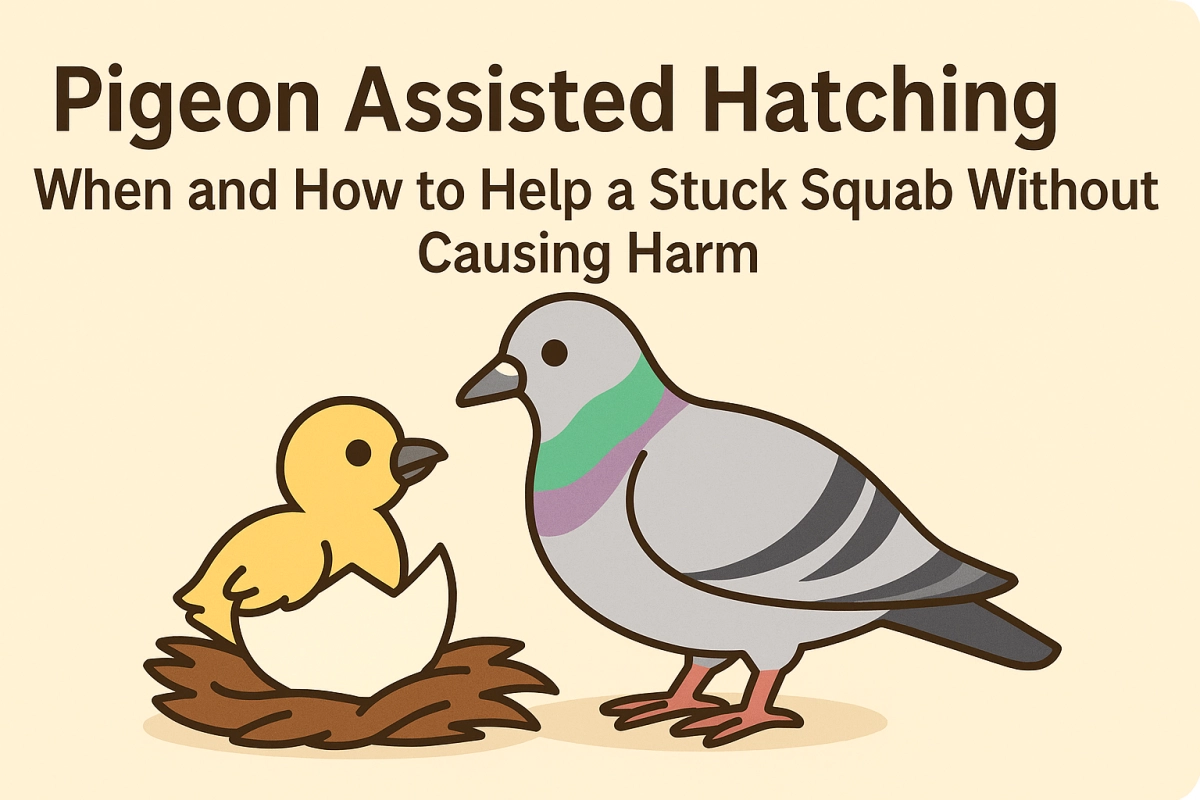
Minimalist cartoon illustration showing a gray mother pigeon gently helping her fluffy squab hatch from an egg in a nest, representing safe and gentle assisted hatching without causing harm.

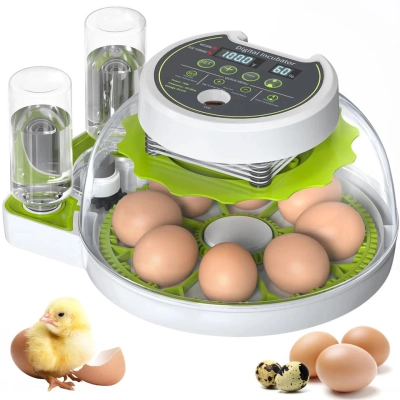
You might ask when a squab really needs help hatching. Most young pigeons get out of the egg by themselves. But sometimes, they need help. Look for dry membranes, blood vessels you can see, or yolk that is not all gone. > Patience is very important in pigeon assisted hatching—wait, watch, and then help gently. If you do the right things, you can help without hurting the squab. For small eggs and steadier humidity, consider a pigeon egg incubator.

Key Takeaways

  • Wait at least 12 to 24 hours after the first pip before helping a squab. This allows the chick to absorb vital nutrients and reduces the risk of harm.

  • Look for signs of distress, such as dry membranes or lack of movement. Only assist if the membrane is dry and the chick shows no progress after 24 hours.

  • Always check blood vessels and yolk before assisting. Fresh, bright red blood vessels mean the chick is not ready for help; wait until they darken.

  • Gather essential tools like cotton swabs and warm saline before starting. Being prepared helps you act quickly and safely during the hatching process.

  • Practice patience and gentle observation. Many squabs can hatch on their own, and your calm actions can make a significant difference.

Hatching Timeline

Normal Hatch Stages

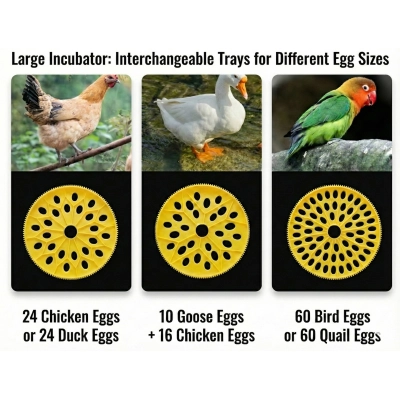
Pigeon eggs usually take about 17 to 19 days to hatch. For mixed species or varied egg sizes, a universal egg incubator with adjustable trays helps hold pigeon eggs securely. During this time, the embryo grows and prepares for life outside the shell. Most pigeons start to pip, or break the shell, around day 18. The chick uses a small, sharp egg tooth to make the first crack. This process is called "external pipping." After the first pip, the squab will rest, peck, and pause in cycles. This stage can last 12 to 24 hours. It is normal for the chick to take breaks as it absorbs the yolk and blood vessels inside the egg.

Here is a simple table showing the main stages:

Stage

Duration

Egg Stage

17 to 19 days

Hatchling to Fledgling

4 to 6 weeks

Adulthood

6 to 8 weeks

During hatching, the chick’s body changes quickly. The intestines grow deeper and wider. The chick’s digestive system starts to get ready for food and crop milk. Enzyme activity also changes to help the chick use nutrients better.

When to Wait

You should wait before helping a squab. After the first external pip, give the chick at least 12 to 24 hours. This time lets the squab absorb the yolk and blood vessels. Early help can cause bleeding or harm. Watch for normal signs like movement, peeping, and moist membranes. If you see fresh, bright red blood vessels, stop any intervention right away.

Tip: In pigeon assisted hatching, patience is your best tool. Most chicks need time to finish hatching on their own.

Wait if you see:

  • The membrane is still moist.

  • The chick is moving or making noise.

  • Blood vessels look fresh and red.

Act only if the membrane dries out, the chick stops moving, or breathing looks hard. Always remember, waiting helps most squabs hatch safely.

Signs a Squab Needs Help

Stuck vs. Delayed

You need to know the difference between a squab that is just taking its time and one that is truly stuck. Most squabs hatch on their own, but sometimes problems happen. If you see no progress 24 hours after the first pip, you should start to watch more closely.

Look for these signs that a squab might be stuck:

  • The membrane looks dry or tight around the chick. This is called shrink-wrapping.

  • The chick pecks at the same spot but cannot make a zipper line around the shell.

  • You notice the chick has trouble moving or seems weak.

  • Breathing looks hard or slow.

  • The chick stops making noise or moving for a long time.

Tip: If you see these signs, you can begin a "partial assistance" check. Do not rush. Wait, look, and act only if needed.

If you only see a small hole and the chick is still active, you should wait. Many squabs need extra time to finish hatching. Patience is a key part of pigeon assisted hatching.

Blood Vessel and Yolk Check

Before you help, always check the blood vessels and yolk. These two things tell you if it is safe to assist.

  • Fresh, bright red blood vessels mean the chick is still using them. If you see these, stop right away. Wait until the vessels turn dark or stop pulsing.

  • The yolk sac gives the chick nutrients and helps form blood cells. The chick must absorb the yolk before hatching. If you see any yolk outside the chick, do not help further.

Here is what you should look for:

What to Check

What It Means

What to Do

Fresh red blood vessels

Chick is not ready, still needs time

Wait, do not assist

Dark or no blood vessels

Chick may be ready, safe to help in small steps

Proceed with caution

Yolk visible outside chick

Chick is not ready, yolk not absorbed

Stop, wait longer

  • The yolk sac is crucial for providing nutrients and supporting blood cell formation.

  • Successful yolk absorption is essential for the chick's health after hatching. It gives the squab the resources it needs to thrive.

  • Incomplete yolk absorption can cause nutritional problems and slow growth.

Remember: If you see blood or yolk, stop helping right away. Only assist when the blood vessels are dark and the yolk is fully absorbed.

Pigeon Assisted Hatching Steps

Pigeon Assisted Hatching Steps

Tool Checklist

Before you start pigeon assisted hatching, gather all the tools you need. Having the right items ready helps you act quickly and safely. Here is a table of beginner-friendly tools and best practices:

Recommended Tool/Practice

Description

Why It Matters

Cotton Swab

For moistening dry membranes gently.

Prevents membrane from sticking to the chick.

Warm Saline or Unscented Oil

Keeps the membrane soft and flexible.

Reduces risk of shrink-wrapping.

Small Scissors/Tweezers

For removing small shell pieces.

Allows precise, gentle shell removal.

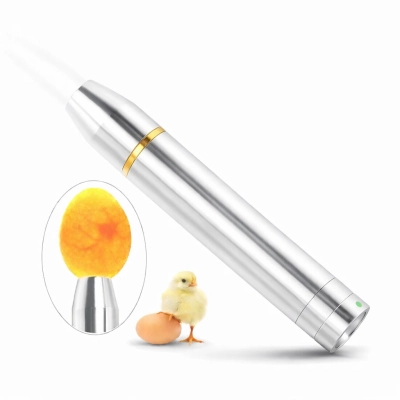
Flashlight/Headlamp

Helps you see blood vessels and the air cell clearly.

Prevents accidental injury to the chick.

Thermometer/Hygrometer

Monitors temperature (99.5°F) and humidity (≥65% RH).

Maintains safe environment for hatching.

Warm Damp Cloth

Keeps the egg warm and moist during handling.

Prevents chilling and drying out.

Tip: Always disinfect your hands and tools before you begin. Clean tools lower the risk of infection for the squab.

You can also use a nanny pigeon, regular egg turning, humidity control, and good ventilation to improve hatch rates. These practices help the embryo develop well and make pigeon assisted hatching safer.

Air Cell Window

When you see signs that a squab is stuck, you may need to help by making an air cell window. Follow these steps:

  1. Wash your hands and disinfect all tools.

  2. Check that an automatic egg incubator with temp and humidity control stays at 99.5°F and humidity is at least 65%.

  3. Use a flashlight or headlamp to find the air cell at the blunt end of the egg.

  4. Gently tap a 1–2 cm window in the shell above the air cell. Only remove the shell, not the membrane.

  5. Look at the membrane. If you see fresh, bright red blood vessels or any bleeding, stop right away. Put the egg back in the incubator and raise the humidity.

  6. If the membrane looks dry, use a cotton swab to dab a small amount of warm saline or unscented oil on the membrane. This keeps it soft and helps the chick move.

  7. Wait 10–15 minutes between each step. Give the chick time to adjust and absorb more yolk and blood.

Remember: Wait, look, act. Only help if the blood vessels are dark or not pulsing, and the yolk is absorbed. If you see blood or yolk, stop and wait longer.

Safe Release

When the blood vessels have faded and the yolk is gone, you can help the squab finish hatching. Here is how you do it safely:

  • Gently free the beak and neck first. Remove small shell pieces along the natural "zip" line.

  • Work slowly. Pause for 10–15 minutes after each small step.

  • If you see any blood or yolk, stop and return the egg to the incubator.

  • Only complete the opening when all blood vessels have retracted and the yolk is fully absorbed.

  • After the squab is out, keep it in the incubator for 4–8 hours. This helps the chick fluff up and lets the navel close.

🐣 Note: Most squabs need less than six feedings per day. They get crop milk from their parents, which is vital for their first days. If you must feed the chick, use a mix of hard-boiled egg yolk, baby cereal, oatmeal, and cornmeal.

Good pigeon assisted hatching means you act gently and only when needed. Always use the "wait, look, act" mantra. This keeps the squab safe and healthy.

Lockdown and Aftercare

Temperature and Humidity

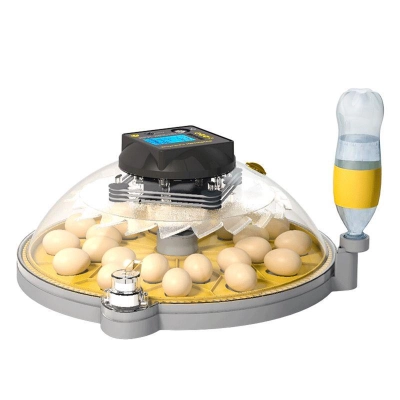
You need to stop turning pigeon eggs about 3 days before hatching (around day 15). This period is called "lockdown." During lockdown, keep the temperature steady at 99.5°F (37.5°C). Humidity should stay at about 58–60% RH during most of incubation. Raise it to at least 65% RH (best range: 65–75% RH) for the final days. High humidity helps prevent the membrane from drying out and sticking to the squab.For home or classroom projects, a desktop egg incubator offers stable settings with minimal babysitting

Here is a quick guide:

Stage

Temperature (°F)

Humidity (%)

Days 1-18

99–102

45–50

Last few days

99.5

65–75

To keep humidity stable, use a larger water pan or place wet sponges inside the incubator. Avoid opening the lid unless necessary. If you must open it, use a warm, moist cloth to cover the eggs and work quickly.

Ventilation

As hatching nears, the squab needs more oxygen. Start to increase ventilation slowly in the last days. Open air vents a little more each day, but do not let cold drafts or dry air hit the eggs. Good airflow helps the chick breathe but keeps humidity from dropping too fast. If you live in a dry area or have small eggs, focus on raising humidity instead of opening the lid for long periods.

🕊️ Tip: Gradual changes in ventilation protect the squab and keep the hatching environment safe.

Post-Hatch Care

After hatching, keep the squab warm and in a humid space. Place the chick back in the incubator for 4–8 hours so it can dry and rest. Make sure the temperature stays near 99.5°F. Offer gentle handling and avoid sudden movements.

For feeding, parent pigeons provide crop milk, but if you must feed the squab, use a soft mix of whole grains or baby cereal. The Free-Choice Feeding system with whole grains supports better growth and gut health. Early care also helps the chick’s immune system develop and lowers the risk of infection.

Here are some key aftercare steps:

  • Keep the chick warm and dry.

  • Offer clean water for hydration.

  • Handle gently and only when needed.

  • Use a balanced diet if hand-feeding.

Aspect

Result in Healthy Squabs

Importance

Hatchability

Higher

Better survival

Hatching Time

Shorter

Less stress

Gut Development

Improved

Stronger immunity

Good aftercare is the last step in safe pigeon assisted hatching. Careful attention now helps your squab grow strong and healthy.

Common Mistakes

Early Intervention

It is easy to want to help a squab right away. But helping too soon can be dangerous. If you help before the chick absorbs its yolk or blood vessels, it can bleed. The chick may not grow well and could even die. Early help often makes chicks smaller and weaker. They do not gain weight as fast. Their chance of living goes down. The small intestine might not grow enough, which hurts the chick’s health.

Metric

Early Intervention

Normal Hatch

Impact on Squab

Body Weight at 25 Days

Lower

Higher

Poor growth

Average Daily Gain

Lower

Higher

Slower development

Survival Rate

Lower

Higher

Higher risk of death

Intestine Length/Weight Index

Decreased

Increased

Weak digestion

Tip: Wait at least 18–24 hours after the first pip. Look for signs of trouble, not just slow hatching.

Membrane Issues

Problems with the membrane happen if humidity drops or you open the lid too much. Dry membranes can wrap tightly around the squab. This makes it hard for the chick to move or breathe. Removing too much shell or letting cold air in can chill the egg. These mistakes can hurt the embryo or cause cell loss. Sometimes, touching the membrane can cause rare problems like twinning or tissue damage.

  • Damage to the embryo can kill important cells.

  • Shrink-wrapping stops the chick from turning or zipping.

  • Cold air can make the squab too cold.

  • Artificial help can cause hatching to fail.

🛑 Always keep humidity above 65% during lockdown. Use gentle and small steps when you help.

When to Stop

It is important to know when to stop helping. Only help after a clear external pip and no progress for about 18–24 hours. Look for signs like a dry or white membrane, no movement, or no peeping. Work slowly and in small steps. If you see fresh blood in the vessels, stop and put the egg back. Check again after a few hours. Bright red vessels mean the chick still needs time.

  • Stop if you see fresh blood or yolk.

  • Pause and check again if the chick looks stressed.

  • Never hurry; patience helps the squab survive.

Remember: Opening the lid too much, taking off too much shell, cold drafts, and low humidity are common mistakes. Watching closely and being gentle helps your squab hatch safely.

You can help squabs safely by following a few key steps. Always wait at least 12–24 hours after the first pip, check for dry membranes, and use your tool checklist. Watch for signs of distress and act gently. Remember, patience and careful observation matter most in pigeon assisted hatching. Many experts highlight the value of proper temperature, humidity, and gentle care. Stories like Peepers and Dylan show that your calm actions can save lives. Sometimes, the best help is knowing when not to assist.

FAQ

How long should you wait before helping a stuck squab?

You should wait at least 12–24 hours after the first pip. Most squabs need this time to absorb the yolk and blood vessels. Early help can cause harm.

What does a dry membrane mean for the squab?

A dry membrane can trap the squab. This is called shrink-wrapping. If you see a tight, white membrane and no progress after 24 hours, you may need to help.

How do you know if it is safe to assist?

Check the blood vessels. If you see fresh, bright red vessels, wait. If the vessels look dark or have no pulse and the yolk is absorbed, you can help gently.

What should you do if you see blood or yolk during assistance?

Stop right away if you see blood or yolk. Put the egg back in the incubator. Wait and check again later. This keeps the squab safe.

Can you use oil or saline on the membrane?

Yes, you can use warm saline or unscented oil with a cotton swab. This keeps the membrane soft and helps the squab move. Always use gentle touches.

0 Comments

Leave a Reply

Nickname is required

Comments is required

Related Products

Automatic Egg Incubator 3 Trays for Chicken Quail Duck Goose Bird  01 Automatic Egg Incubator 3 Trays for Chicken Quail Duck Goose Bird  02
Automatic Egg Incubator 3 Trays for Chicken Quail Duck Goose Bird

Hatch healthier chicks with intelligent humidity control, 360° air circulation, and dual-power reliability. Designed for effortless, high-success incubation at home.

$59
Automatic Duck Egg Incubator with Auto Turn and Dual Motors 01 Automatic Duck Egg Incubator with Auto Turn and Dual Motors 02
Automatic Duck Egg Incubator with Auto Turn and Dual Motors

Precise Control for Duck/Goose Eggs | Backyard & Homestead Ready | Dual Motor Silence Tech

$107.46
Chicken Egg Incubator Auto Turning 360 Degree Visibility 01 Chicken Egg Incubator Auto Turning 360 Degree Visibility 02
Chicken Egg Incubator Auto Turning 360 Degree Visibility

Precise Thermostat & High Hatch Rate Backyard & School Use Energy-Saving 8-18 Egg Hatcher

$108.7
USB-Powered Egg Incubator  6-Egg Auto Roller Silent  01 USB-Powered Egg Incubator  6-Egg Auto Roller Silent  02
USB-Powered Egg Incubator 6-Egg Auto Roller Silent

Perfect for Science Class & Home Labs Auto-Turning, Quiet & Safe Egg Incubation

$56.98