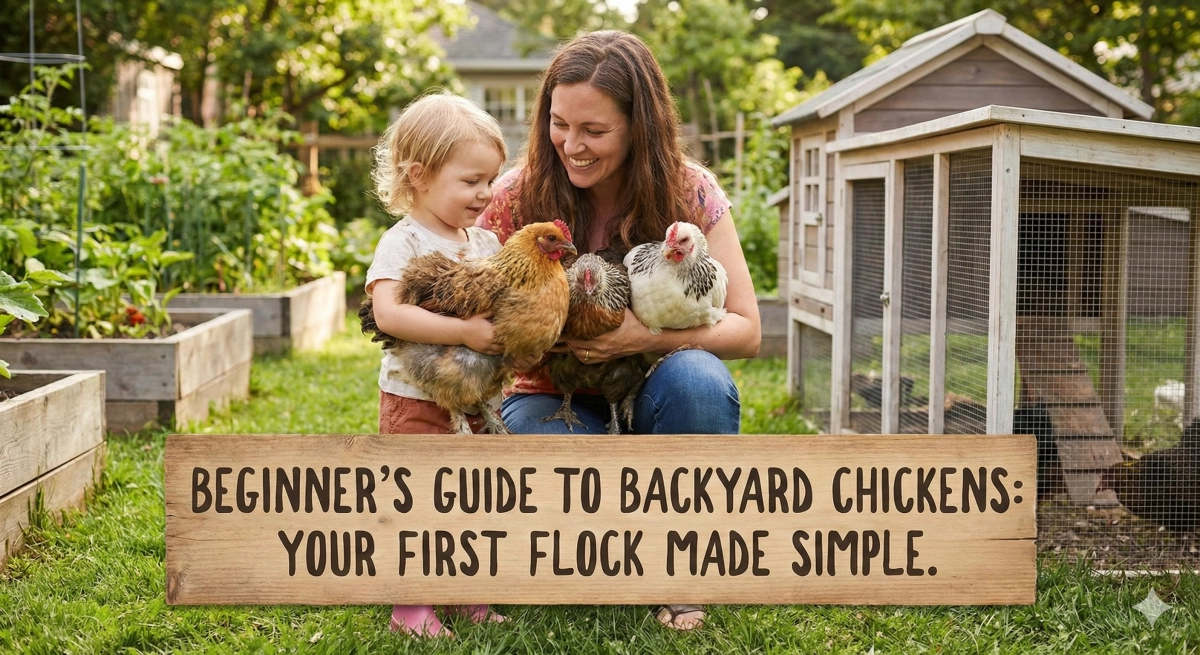
Yes, you can easily start backyard chickens. You do not need a big yard or special experience. Today, an estimated 10–12 million U.S. households enjoy keeping chickens at home. You get fresh eggs, friendly pets, and fun learning moments with your family. You will find simple steps and practical tips in this guide. Starting your flock feels simple and exciting when you know what to expect.

Key Takeaways
-
Raising backyard chickens is simple and does not need much space. You can have chickens in small yards too.
-
You get fresh eggs and friendly pets. Most hens lay 4 to 6 eggs each week. This gives your family eggs often.
-
Let your kids help with chicken care. They learn to be responsible. They also get to work with animals.
-
Look at local laws and HOA rules before you get chickens. Rules are different in each area. They tell you how many chickens you can have and what your coop needs.
-
Pick breeds that are good for beginners like Australorps or Plymouth Rocks. These breeds are calm and lay many eggs.
-
Make a budget before you start. You will spend $300 to $1,000 at first. You will also spend $25 to $60 each month for feed and supplies.
-
Clean your coop often to stop bad smells and health problems. Cleaning helps your chickens stay happy.
-
Watch kids when they are near chickens. Teach them to wash their hands after touching chickens. This keeps everyone safe.
Why Backyard Chickens Are Popular
Backyard Chickens in the U.S.
You see backyard chickens in more neighborhoods every year. Recent estimates suggest that roughly 10–12 million U.S. households keep backyard chickens, and that number has climbed steadily over the last decade. Families in cities and suburbs join this trend for many reasons. You do not need a large property or farming experience. Many people start with just a few hens in a small yard. You can enjoy fresh eggs and friendly pets right at home.
Fun Fact: Most backyard chicken keepers live in regular neighborhoods, not on farms. You can absolutely do this, even if you live in a city or suburb.
Top Reasons to Start
You may wonder why so many people choose backyard chickens. Here are the top benefits you can expect:
-
Fresh Eggs: You collect eggs from your own hens. Most hens lay 4–6 eggs each week. You know exactly where your food comes from.
-
Friendly Pets: Chickens have personalities. You can watch them scratch, peck, and interact. Many families name their hens and treat them like pets.
-
Family Learning: Kids learn responsibility and science. You teach them how to care for animals and understand where food comes from.
-
Garden Helpers: Chickens eat bugs and help turn compost. Your garden can benefit from their natural behavior.
-
Cost Savings: Over time, you save money on eggs. You also reduce food waste by giving chickens kitchen scraps.
Action List: How to Get Started with Backyard Chickens
-
Check your local rules and HOA guidelines.
-
Decide how many hens fit your space (3–6 hens work for most families).
-
Plan your coop and run size using simple measurements.
-
Choose beginner-friendly breeds.
-
Set a budget for startup and monthly costs.
Common Myths
You may hear some myths about backyard chickens. Let’s clear up the most common ones:
-
You need a rooster for hens to lay eggs. Hens lay eggs without a rooster. Roosters are only needed if you want chicks.
-
Chickens attract pests and diseases. Clean coops and regular care keep your flock healthy. Secure housing prevents most problems.
-
Chickens are noisy and disruptive. Many breeds stay quiet. Silkies and Australorps are known for gentle sounds.
-
Chickens will destroy your garden. You can manage their time in the garden. Chickens help by eating pests and turning soil.
-
Raising backyard chickens is expensive. You pay for setup, but eggs and compost save money over time.
Tip: You can keep your coop clean and odor-free with weekly cleaning and dry bedding. Good habits make chicken keeping easy and pleasant.
|
Myth |
The Truth |
|---|---|
|
Need a rooster |
Hens lay eggs without a rooster |
|
Attracts pests |
Clean coops prevent most issues |
|
Too noisy |
Many breeds are quiet |
|
Destroys garden |
Chickens help if managed well |
|
Too expensive |
Long-term savings on eggs and compost |
You can feel confident starting your own flock. Most worries have simple solutions. With a little planning, you enjoy all the benefits of backyard chickens.
Backyard Chickens Laws & Neighbors
Starting backyard chickens feels exciting, but you need to check a few rules before you bring home your flock. You want to keep things friendly with neighbors and avoid surprises. Here’s how you can get started with confidence.
Local Rules & HOA
Every city and neighborhood has its own rules for keeping chickens. Some places allow chickens with few restrictions. Others have limits or require permits. If you live in a neighborhood with a Homeowners Association (HOA), you need to check their guidelines too. HOAs sometimes set extra rules about coop size, location, or noise.
Tip: Call your city’s animal control office or visit their website. Ask about chicken permits, coop placement, and noise rules. If you have an HOA, read their handbook or talk to the board.
Common rules to check:
-
Maximum number of hens allowed
-
Rooster bans (most cities do not allow roosters)
-
Minimum distance from property lines or homes
-
Coop size and appearance requirements
-
Noise and odor limits
Action List: Check Your Local Rules
-
Search your city’s website for “urban chickens” or “backyard poultry.”
-
Contact your HOA for written guidelines.
-
Write down the main rules before you buy supplies or birds.
Flock Size Limits
Most cities set a limit on how many hens you can keep. For small yards, you usually see a limit of 3–4 hens. Many families choose 4–6 hens, which fits most city rules and gives you plenty of eggs. You do not need a rooster for eggs. Hens lay eggs without one.
|
Flock Size |
Yard Size |
Typical City Limit |
|---|---|---|
|
3–4 hens |
Small |
Allowed in most cities |
|
4–6 hens |
Medium |
Allowed with permit or extra space |
|
7+ hens |
Large |
Rare in cities, check local rules |
If you want more hens, check if you need a special permit. Always plan your flock size based on your space and local laws.
Time Commitment
Caring for chickens takes less time than you might think. You spend about 10–20 minutes each day feeding, watering, collecting eggs, and checking your flock’s health. Each week, you clean dirty bedding and check for messes. Once a month, you do a deeper clean and check the coop for safety.
Note: Kids can help with daily chores. This teaches responsibility and makes chicken care easier for your family.
Weekly Routine Table:
|
Task |
Time Needed |
How Often |
|---|---|---|
|
Feed & water |
10–20 min/day |
Daily |
|
Collect eggs |
5 min/day |
Daily |
|
Quick health check |
5 min/day |
Daily |
|
Clean bedding |
15 min/week |
Weekly |
|
Deep clean coop |
30 min/month |
Monthly |
You can fit chicken care into your daily routine. If you travel, ask a neighbor or friend to help for a few days.
Checklist: Laws & Neighbors
-
Check city and HOA rules before buying chickens
-
Plan flock size to match local limits (3–6 hens for most families)
-
Keep coop clean to avoid odor and pests
-
Talk to neighbors about your plans
-
Set a daily and weekly routine for care
You can absolutely keep backyard chickens in most neighborhoods. With a little planning, you avoid problems and enjoy fresh eggs and happy hens.
Plan Your Flock
Choosing the right flock size, breeds, and budget sets you up for success with backyard chickens. You want enough hens for fresh eggs, friendly personalities, and a routine that fits your family. Let’s break down each step so you can plan with confidence.
Starter Flock Size
You might wonder how many chickens you need to start. For most families, a flock of four to six hens works best. This size gives you a steady supply of eggs and keeps chores manageable. If you have a small yard, three to four hens fit well and still provide plenty of eggs.
-
Four to six hens supply enough eggs for a family of four.
-
Three to four hens work well for smaller yards or if you want fewer eggs.
-
You do not need a rooster for hens to lay eggs. Roosters are only needed if you want to hatch chicks.
Tip: Start with a small flock. You can always add more hens later if you want extra eggs or more variety.
Best Breeds for Beginners
Some chicken breeds make life easier for first-time keepers. You want hens that lay well, stay healthy, and have calm personalities. These breeds adapt to city or suburban life and handle different weather.
Here is a quick guide to beginner-friendly breeds:
|
Chicken Breed |
Key Characteristics |
|---|---|
|
Australorps |
Docile, excellent egg layers, cold hardy, adapt to small spaces or free-range. |
|
Plymouth Rock |
Friendly, reliable egg layers, good for both eggs and meat, cold hardy. |
|
Wyandotte |
Calm, steady egg layers, good for eggs and meat, very cold hardy. |
|
Rhode Island Red |
Hardy, top egg layers, calm, good for eggs and meat, easy to care for. |
|
Sussex |
Gentle, good egg layers, cold hardy, adjust well to different setups. |
You can mix breeds in your flock. This gives you a colorful group and a variety of egg colors. Most of these breeds lay four to six eggs per week and handle both hot summers and cold winters.
Note: Choose breeds known for calm temperaments if you have children. Friendly hens make great pets and are easier to handle.
Budget Snapshot
Planning your budget helps you avoid surprises. You need to think about both startup costs and monthly expenses. Most families find that backyard chickens are affordable, especially compared to buying specialty eggs at the store.
Typical Startup Costs (for 4–6 hens):
-
Chicks or young hens: $20–60
-
Coop and run materials: $200–800 (DIY options cost less; ready-made coops cost more)
-
Feeders and waterers: $30–100
-
Bedding and supplies: $20–50
Total suggested startup budget: $300–1,000
Monthly Ongoing Costs (for 4–6 hens):
-
Feed: $15–40
-
Bedding and coop supplies: $10–30
-
Extras (treats, repairs): $5–10
Total monthly cost: $25–60
Callout: You can save money by building your own coop or using recycled materials. Many families find that the cost per egg drops over time.
Action List: Plan Your Flock
-
Decide how many hens fit your space and egg needs.
-
Choose beginner-friendly breeds for easy care and good egg production.
-
Set a realistic budget for startup and monthly costs.
-
Sketch your coop and run layout before buying supplies.
-
Ask your family what they want from your flock—eggs, pets, or both.
-
Check local rules again before you buy birds or build your coop.
You can absolutely start your own flock, even if you have never raised chickens before. Careful planning makes the experience fun, affordable, and rewarding for your whole family.
Coop & Run Setup

Setting up your coop and run is one of the most important steps for keeping backyard chickens happy and healthy. You want to give your flock enough space, keep them safe from predators, and make daily care easy for your family. Let’s break down what you need to know.
Space Per Hen
You need to plan for both indoor and outdoor space for each chicken. Experts recommend at least 3–4 square feet of indoor coop space per hen. For the outdoor run, you should provide at least 10 square feet per hen. More space helps reduce stress, keeps your flock active, and makes cleaning easier.
-
Minimum indoor coop space: 3–4 sq ft per hen
-
Minimum outdoor run space: 10 sq ft per hen
If you have extra room, your chickens will enjoy it. Crowding can lead to pecking and health problems. You can use these numbers to sketch your coop and run before you build.
|
Number of Hens |
Coop Size Needed |
Run Size Needed |
|---|---|---|
|
3 |
9–12 sq ft |
30 sq ft |
|
4 |
12–16 sq ft |
40 sq ft |
|
6 |
18–24 sq ft |
60 sq ft |
Tip: If you want to give your chickens even more space, you can add a larger run or let them roam in a fenced yard for part of the day.
Coop Essentials
Your coop needs several key features to keep your chickens safe and comfortable. You want to make sure your hens stay healthy, lay eggs regularly, and avoid stress.
-
Ventilation: Fresh air keeps your coop dry and prevents ammonia buildup from droppings. You can add vents near the roof or windows with screens.
-
Security: Strong walls, locks, and wire mesh protect your flock from raccoons, dogs, and other predators. You should check for gaps or weak spots.
-
Shade: Chickens need shade to avoid heat stress in summer. You can use a roof, tarp, or plant bushes nearby.
-
Roosting Bars: Chickens sleep on perches called roosts. Each hen needs about 8–10 inches of space on a sturdy bar.
-
Nesting Boxes: Hens lay eggs in cozy boxes. One box for every four to five hens works well. You can use straw or wood shavings for bedding.
-
Easy Cleaning: Removable trays or doors help you clean out droppings and old bedding quickly.
Note: You do not need fancy equipment. Simple, sturdy materials work best. You can build your own coop or buy a ready-made one.
Gear Checklist
You need a few basic items to care for your flock every day. These tools make feeding, watering, and cleaning easy.
Essential Gear:
-
Feeder: Holds chicken feed and keeps it dry.
-
Waterer: Provides clean water all day. Choose a style that prevents spills.
-
Bedding: Use straw, wood shavings, or sand for comfort and odor control.
-
Nesting box liners: Help keep eggs clean and make cleaning easier.
-
Coop door lock: Keeps predators out at night.
-
Roosting bars: Give chickens a safe place to sleep.
-
Rake or scoop: Helps you clean bedding and droppings.
Optional Extras:
-
Dust bath area: Chickens clean themselves by rolling in dry dirt or sand.
-
Shade cloth: Adds extra protection from sun.
-
Automatic feeder or waterer: Useful if you travel or want less daily work.
-
Thermometer: Helps you monitor coop temperature in summer and winter.
|
Item |
Purpose |
How Often Used |
|---|---|---|
|
Feeder |
Holds chicken feed |
Daily |
|
Waterer |
Provides fresh water |
Daily |
|
Bedding |
Comfort, odor control |
Weekly/Monthly |
|
Nesting box liner |
Keeps eggs clean |
Weekly |
|
Rake/Scoop |
Cleaning bedding |
Weekly |
Action List: Setting Up Your Coop & Run
-
Measure your yard and sketch a coop and run layout.
-
Plan for at least 3–4 sq ft per hen inside, 10 sq ft per hen outside.
-
Build or buy a coop with good ventilation, strong walls, and locks.
-
Install roosting bars and nesting boxes before bringing chickens home.
-
Set up feeders, waterers, and bedding for easy daily care.
-
Check for shade and add extra if your yard gets hot.
-
Walk around your coop and run to look for gaps or weak spots.
You can absolutely set up a safe and comfortable home for your backyard chickens. Careful planning and simple gear make daily care easy. Your flock will reward you with fresh eggs and fun moments every day.
Bringing Chickens Home
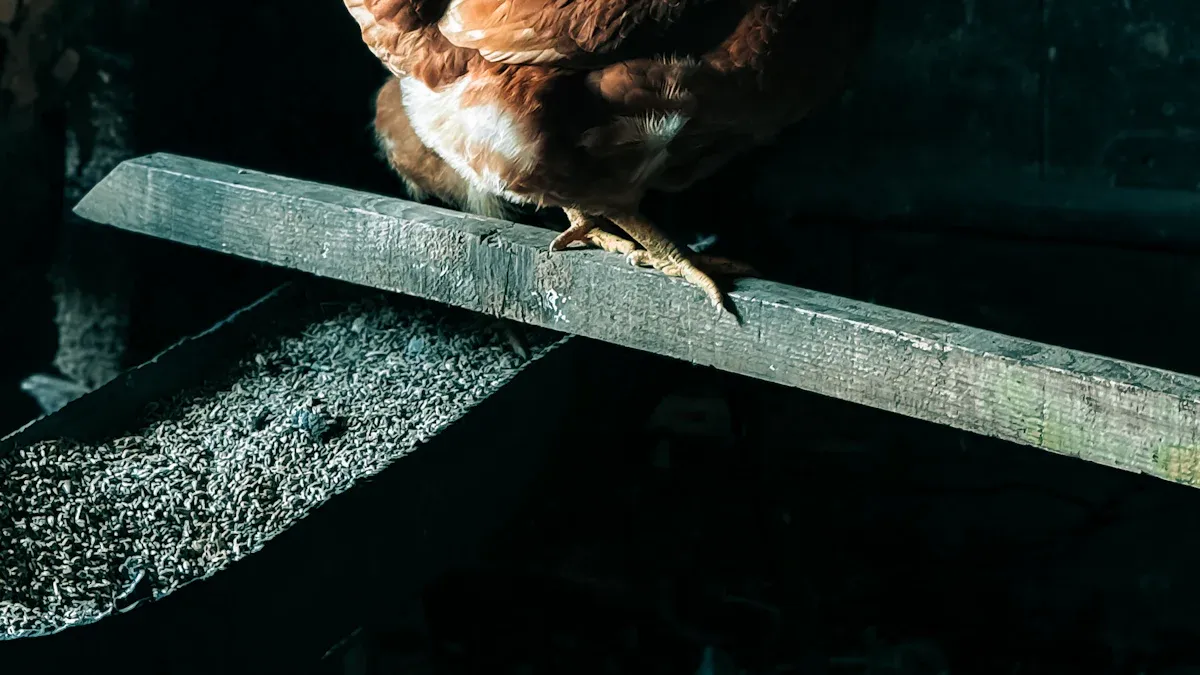
Bringing your first flock home marks an exciting step in your backyard chickens journey. You can choose to start with baby chicks or pullets (young hens). Each option fits different lifestyles and learning goals. Let’s walk through what you need to know so you feel confident and prepared.
Starting with Chicks
Chicks are newly hatched birds, usually just a few days old. You raise them in a brooder, which is a warm, safe box with bedding, a heat lamp, food, and water. Chicks need extra care for the first six weeks. You check their temperature, keep bedding clean, and watch for signs of health. Kids love watching chicks grow, and you get to see every stage of development.
-
Chicks need a brooder for weeks 1–6.
-
You must check their warmth and food daily.
-
Chicks cost less up front, but you wait longer for eggs.
-
You can teach your family about animal care from the very beginning.
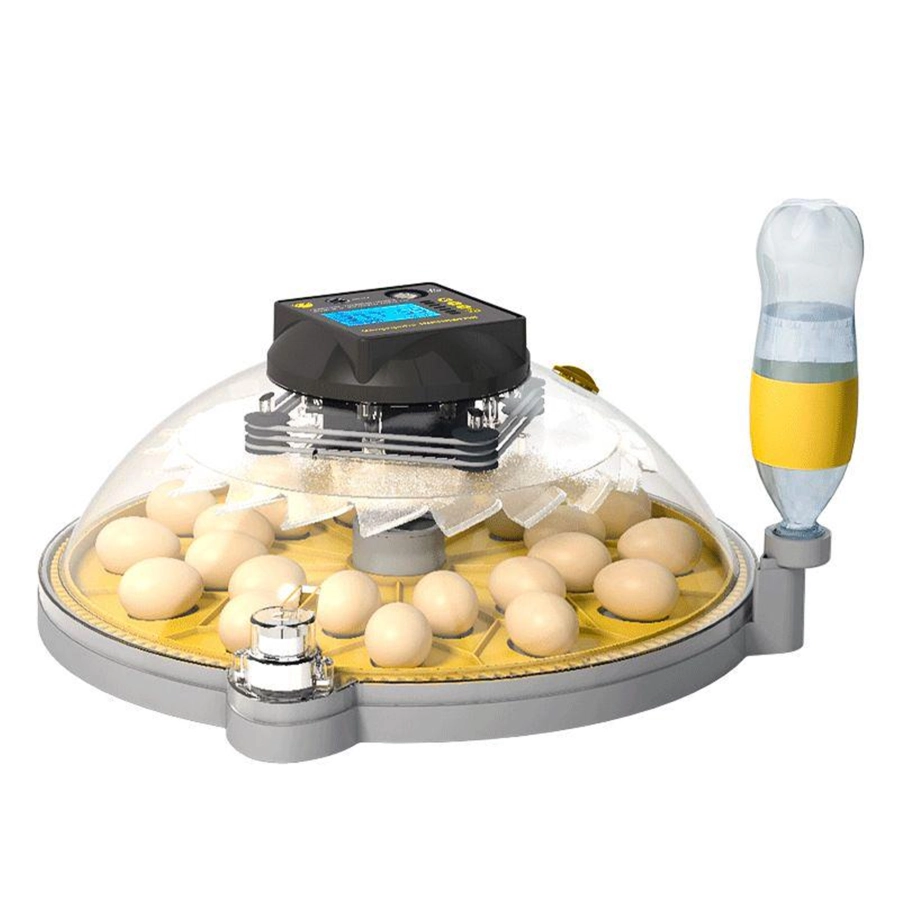
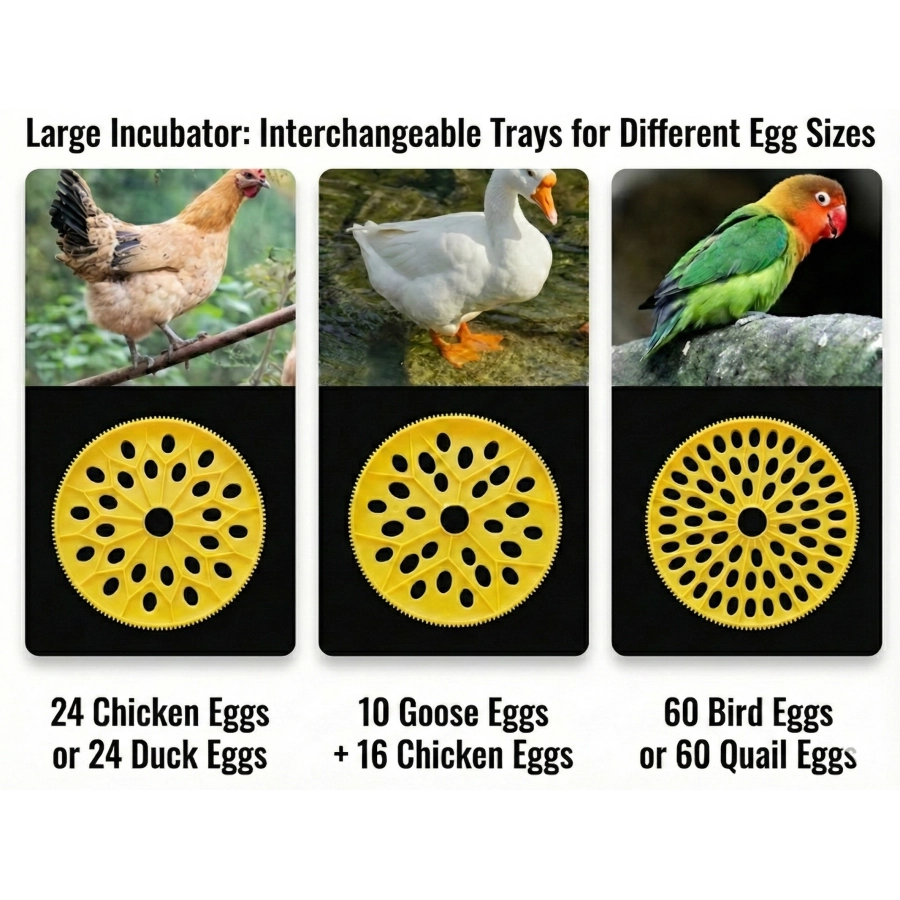
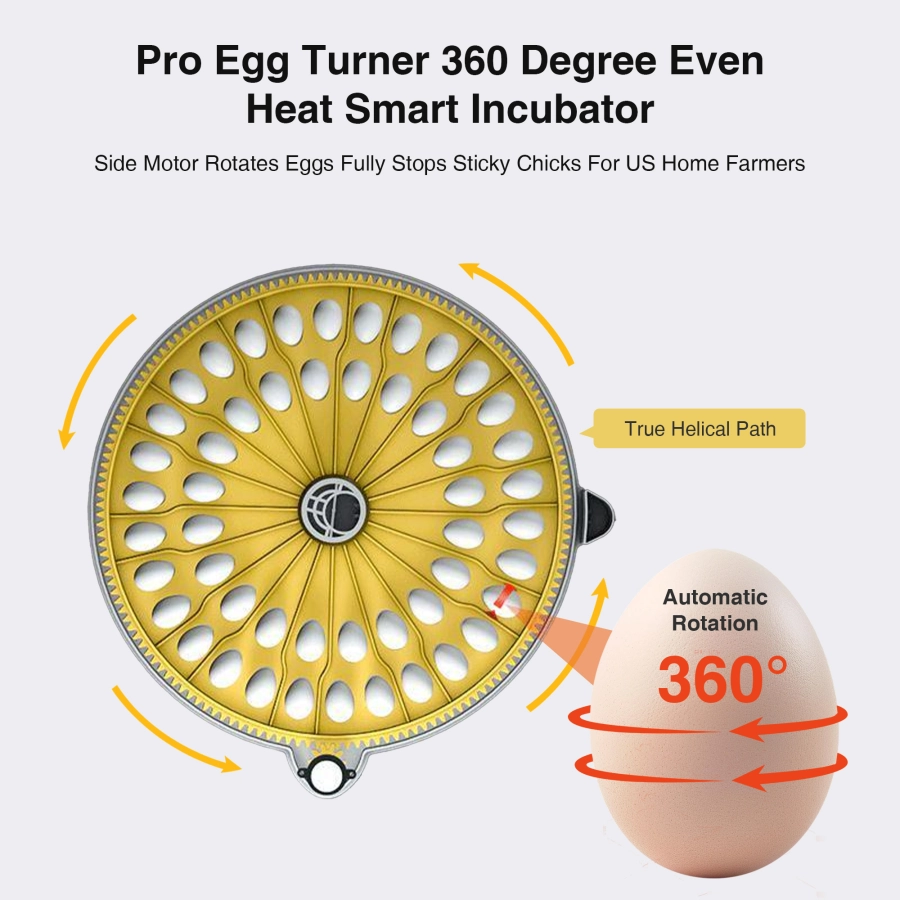
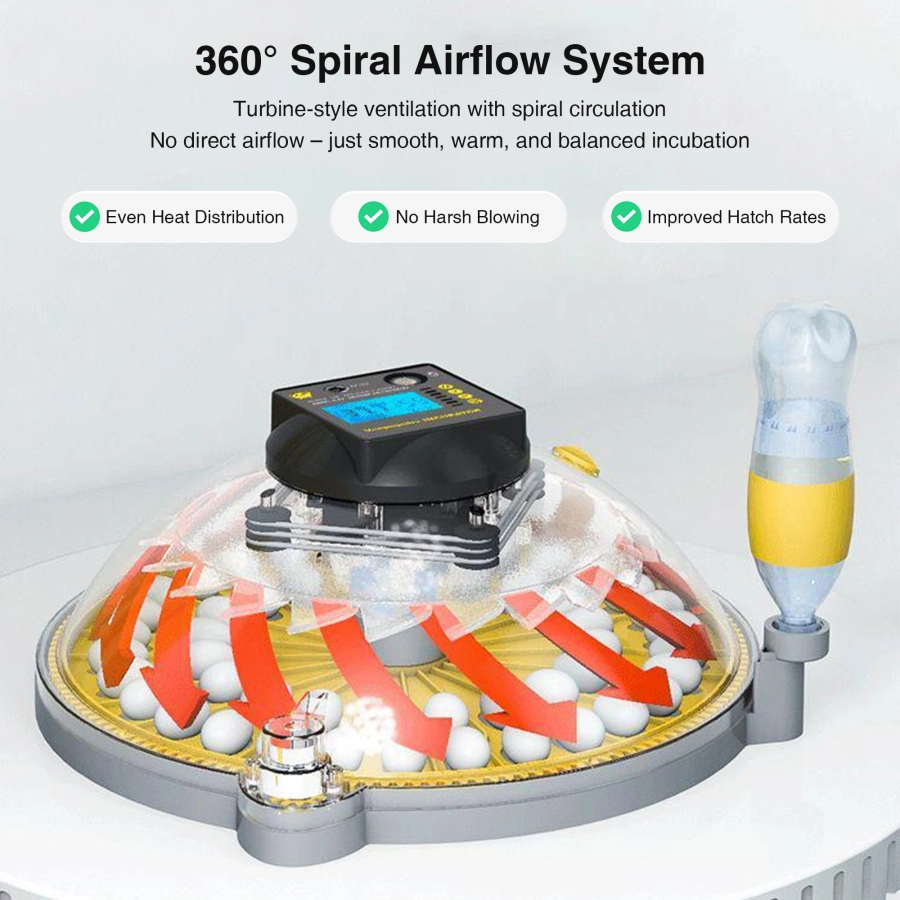
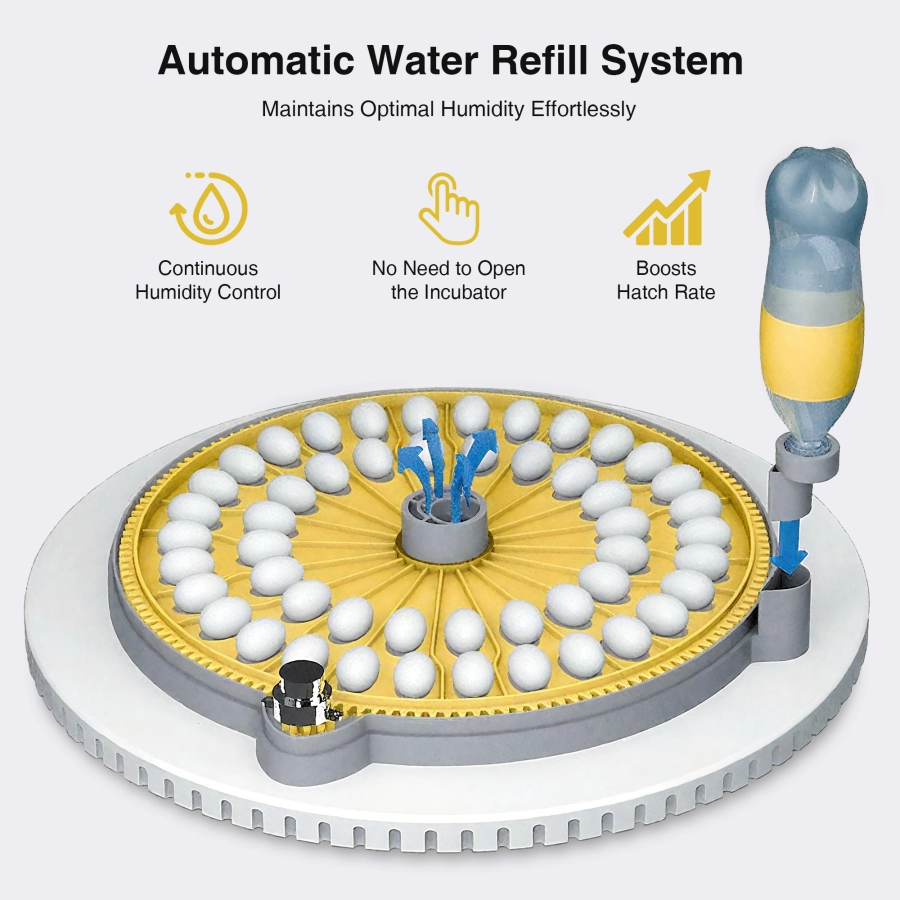
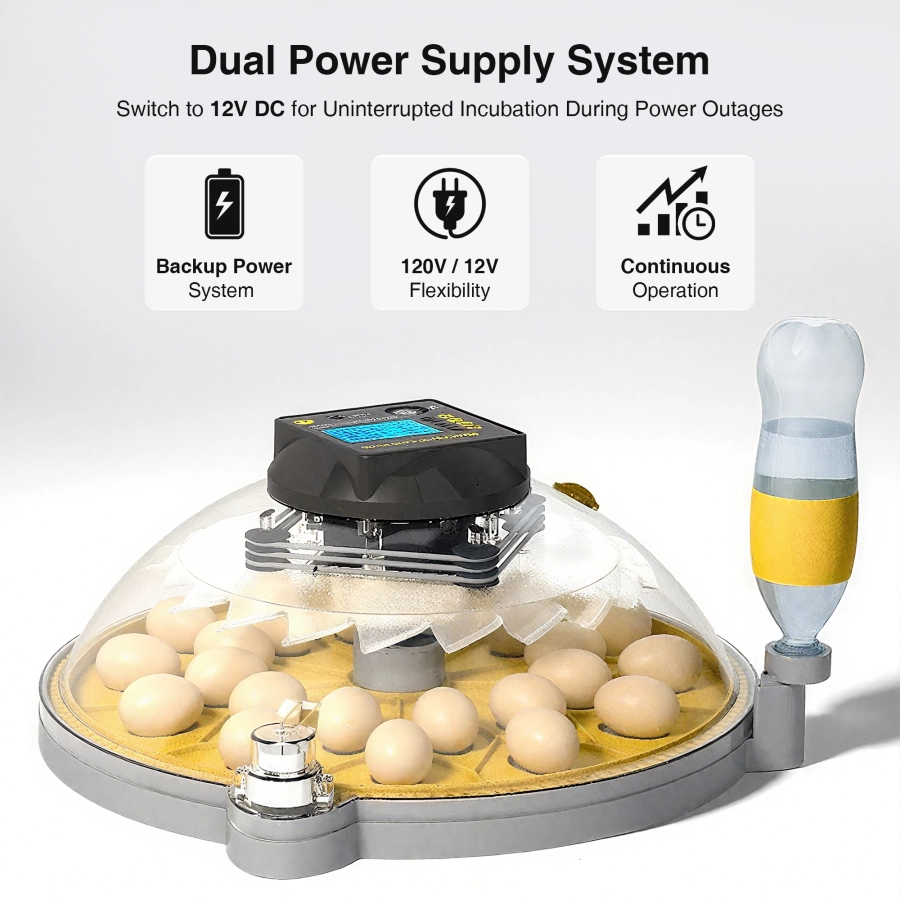
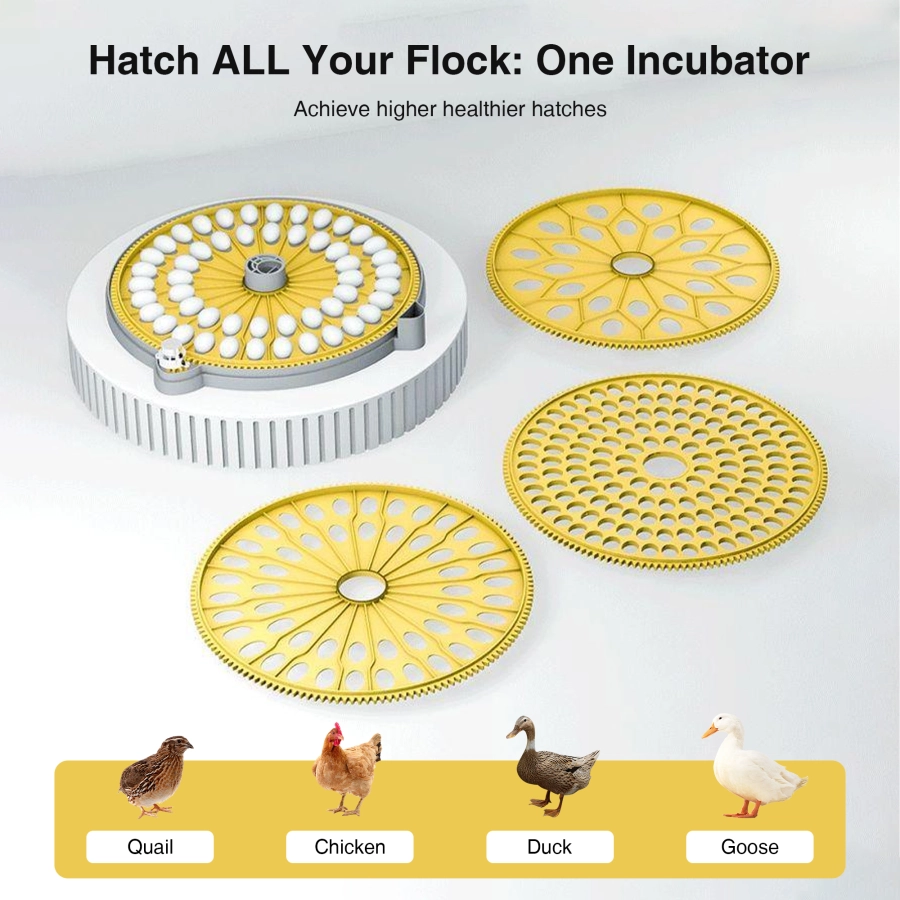
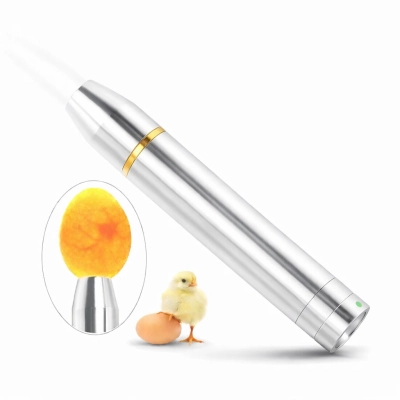
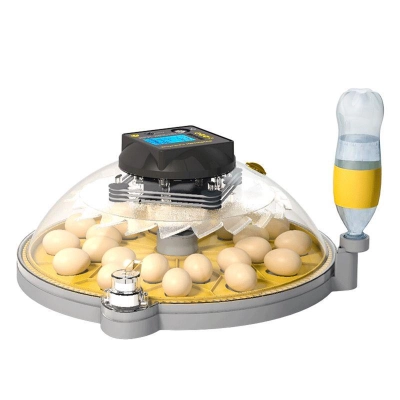
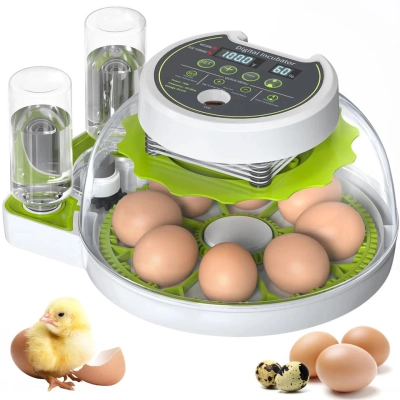
Tip: If you ever decide to hatch your own chicks, a small automatic incubator can make the process much easier. This device keeps eggs warm and turns them gently, helping chicks develop safely. Before you plug in an incubator, you can also read about common incubator mistakes to avoid so your first hatch goes smoothly.
Starting with Pullets
Pullets are young hens, usually 16–20 weeks old. They are almost ready to lay eggs. You skip the brooder stage and bring them straight to your coop. Pullets settle in quickly and start laying within a few weeks. This option works well if you want eggs sooner or have a busy schedule.
-
Pullets need less hands-on care than chicks.
-
You get eggs faster, often within 2–8 weeks.
-
Pullets cost more up front, but you save time and effort.
-
You avoid the mess and extra equipment needed for brooding.
|
Age Range (weeks) |
Egg Production (per week) |
|---|---|
|
16 - 24 |
5 - 7 |
First Eggs Timeline
You might wonder when you will collect your first eggs. Most hens start laying between 18 and 24 weeks old. Early layers may begin as soon as 16 weeks. Once your hens reach point of lay, you can expect 4–6 eggs per hen each week. Over a year, a healthy hen can produce up to 250 eggs.
|
Age (weeks) |
Expected Eggs (per week) |
Expected Eggs (per year) |
|---|---|---|
|
18 |
6 - 7 |
Up to 250 |
Note: Egg production depends on breed, daylight hours, and nutrition. Make sure your hens have fresh water, balanced feed, and at least 14 hours of light each day.
Decision Table: Chicks vs. Pullets
Choosing between chicks and pullets depends on your lifestyle and goals. Use this simple table to help you decide:
|
Option |
Best For |
Wait for Eggs |
Daily Care Needed |
Mess Level |
Cost Up Front |
|---|---|---|---|---|---|
|
Chicks |
Families with time, kids |
4–6 months |
High (brooder) |
More |
Lower |
|
Pullets |
Busy schedules, quick eggs |
2–8 weeks |
Low (coop only) |
Less |
Higher |
Action List: Bringing Chickens Home
-
Decide if you want to start with chicks or pullets.
-
Prepare your brooder or coop before bringing birds home.
-
Set up feeders, waterers, and bedding in advance.
-
Check your local rules for age and flock size limits.
-
Teach kids safe handling and handwashing after contact.
-
Plan for daily care and egg collection.
-
Talk to neighbors about your new flock to ease concerns.
You can absolutely do this. Whether you choose chicks or pullets, you will enjoy fresh eggs, fun learning, and the joy of backyard chickens.
Care Routine & Seasons
Daily Care
You need to check your chickens every day. This routine keeps your flock healthy and your eggs clean. You spend about 10–20 minutes each morning and evening. You feed your hens, give them fresh water, and collect eggs. You also look for signs of illness or injury. If you see a problem, you can act quickly.
Here is a simple table showing daily and regular tasks:
|
Task Description |
Frequency |
Estimated Time |
|---|---|---|
|
Morning feeding and watering |
Daily |
5–20 minutes |
|
Evening feeding and egg gathering |
Daily |
5–10 minutes |
|
Stir bedding and add shavings |
Every three days |
5–30 minutes |
|
Clean pasture waterer |
Once a week |
10 minutes |
|
Purchase feed and supplies |
Every two weeks |
45 minutes |
|
Total clean out of hen and pullet house |
Every six months |
1.5 hours |
|
Deworming and wing clipping |
Every six months |
2 hours |
|
Miscellaneous cleaning tasks |
As needed |
10–30 minutes |
|
Watching chickens |
Daily |
Variable |
Tip: You can involve your kids in daily chores. This teaches responsibility and helps them learn about animal care.
Weekly & Monthly Cleaning
You keep your coop clean to prevent odors and keep your flock healthy. Each week, you remove dirty bedding and add fresh shavings. You check for wet spots and stir the bedding to keep it dry. Once a month, you do a deeper clean. You replace most of the bedding, scrub waterers, and check for drafts or leaks.
Weekly Cleaning Checklist:
-
Remove dirty bedding from coop and nesting boxes
-
Add fresh shavings or straw
-
Clean waterers and feeders
-
Check for signs of pests or damage
Monthly Cleaning Checklist:
-
Replace most bedding in coop and run
-
Scrub waterers and feeders with soap and water
-
Inspect ventilation and repair any gaps
-
Check locks and wire mesh for predator safety
Note: Clean coops help prevent complaints from neighbors and keep your chickens happy.
Seasonal Tips
You face different challenges in each season. You can keep your flock comfortable with a few simple changes.
-
Spring: Prevent muddy runs by adding extra litter. Fill dips in the ground with wood shavings or straw. Move feeders and waterers outside to keep the coop cleaner.
-
Summer: Give your chickens extra water to prevent heat stress. Clean the coop more often to reduce odors. Offer cool treats like watermelon. Add shade with tarps or bushes.
-
Winter: Protect your flock from frostbite by checking combs and wattles. Use boredom busters like hanging cabbage to prevent pecking. Remove frozen droppings and keep bedding dry.
Callout: You can absolutely manage seasonal changes. Simple steps keep your flock safe and comfortable all year.
Action List: Care Routine & Seasons
-
Set a daily schedule for feeding, watering, and egg collection.
-
Clean bedding weekly and replace it monthly.
-
Check your coop for drafts, leaks, and pests every month.
-
Add extra litter in spring to prevent mud.
-
Increase water and shade in summer.
-
Use dry bedding and boredom busters in winter.
-
Teach your family safe handling and handwashing after chores.
You can keep your chickens healthy and happy with a simple routine. Regular care prevents problems and makes chicken keeping easy for your whole family.
Health & Safety
Keeping your flock healthy and your family safe is simple when you know what to look for and follow a few easy habits. You can absolutely do this, even if you are new to chickens. Here’s how you can spot healthy hens, prevent illness, and know when to get expert help.
Healthy Hen Signs
You want to see active, alert hens with smooth, shiny feathers. Healthy chickens eat and drink well, move around the coop, and show curiosity. Their combs and wattles (the red parts on their heads and under their beaks) should look bright red, not pale or shriveled. Droppings should be well-formed, not runny or discolored. You should not hear coughing, wheezing, or see any discharge from eyes or nostrils.
Quick Healthy Hen Checklist:
-
Bright, alert eyes
-
Smooth, glossy feathers
-
Red combs and wattles
-
Normal appetite and drinking
-
Well-formed droppings
-
No coughing or wheezing
If you notice a sudden change in behavior or appearance, check your flock closely each day. Early action keeps your hens healthy.
Salmonella Safety
Chickens can carry germs like salmonella, even if they look healthy. You can keep your family safe with a few simple steps. Always wash your hands with soap and water for at least 20 seconds after touching chickens or anything in the coop. Keep chicken shoes and clothing outside. Children under 5 and people with weak immune systems should avoid close contact with chickens.
|
Safety Practice |
Description |
|---|---|
|
Hand Hygiene |
Place handwashing stations or sanitizer near the coop exit. |
|
Supervision of Children |
Always watch children with chickens. Teach them not to kiss or snuggle birds. |
|
Separation of Areas |
Keep chicken areas away from play or eating spaces. |
|
Clean Clothing |
Change out of chicken shoes and clothes before entering your home. |
Family Safety Checklist:
-
Keep chickens and their housing outdoors
-
Wash hands with soap and water for 20 seconds after contact
-
Use separate shoes for the coop
-
Do not let young children kiss or snuggle chickens
-
Change out of soiled clothes before entering the house
Tip: Set up a handwashing station near your coop. Make it easy for everyone to stay safe.
When to Call a Vet
Most chicken health issues are easy to handle at home, but sometimes you need expert help. You should call a veterinarian or your local extension office if you see signs of disease or serious injury. Watch for chickens that stop eating or drinking for more than 24 hours, have trouble breathing, or show wounds that bleed or look infected. If several birds get sick at once, call for help right away.
When to Contact a Vet or Extension Office:
-
You notice signs of disease in your birds
-
A chicken stops eating or drinking for over 24 hours
-
You hear rattling or wheezing when they breathe
-
You see serious wounds, swelling, or bad smells
-
Multiple birds get sick or die suddenly
If you see serious symptoms or several birds becoming ill at once, contact a poultry veterinarian or your local extension or animal health office for advice.
Decision Table: Handle at Home or Call for Help
|
Situation |
Handle at Home |
Call a Vet/Extension Office |
|---|---|---|
|
Minor scrape or peck |
✅ |
|
|
Chicken not eating for 1 day |
✅ |
|
|
Mild sneezing, no other symptoms |
✅ |
|
|
Trouble breathing or wheezing |
✅ |
|
|
Multiple birds sick at once |
✅ |
Action List: Health & Safety
-
Check your flock daily for signs of illness.
-
Wash hands after every chicken chore.
-
Keep chicken gear and shoes outside.
-
Supervise children and teach safe handling.
-
Call a vet or extension office if you see serious symptoms.
You can keep your chickens and family safe with these simple steps. With daily care and quick action, you will enjoy a healthy, happy flock.
Mistakes to Avoid
Overcrowding
You might feel tempted to add more chickens than your space allows. Overcrowding causes many problems for your flock and your family. Chickens need enough room to move, stretch, and rest. If you crowd them, you increase stress and fighting. You also raise the risk of disease spreading among your birds and even to people.
Here are some risks you face with overcrowding:
-
Chickens can spread diseases like Mycoplasma, Salmonella, and Campylobacter more easily.
-
Close contact between birds and humans increases the chance of germs passing to your family.
-
Urban chickens may pick up lead from soil, which can harm both birds and children.
-
Too many chickens may lead you to give away unwanted birds, putting pressure on animal shelters.
You should follow the space guidelines: at least 3–4 square feet per hen inside the coop and 8–10 square feet per hen in the run. More space keeps your flock healthy and happy.
Tip: If you notice pecking, missing feathers, or dirty eggs, check your flock size and space. You can solve many problems by reducing crowding.
Action List: Prevent Overcrowding
-
Count your hens and measure your coop and run.
-
Use the space guidelines for each bird.
-
Add more space if you want more chickens.
-
Rehome extra birds if your flock grows too large.
-
Watch for signs of stress or illness.
Underestimating Costs
You may think chickens cost very little after you set up your coop. Many beginners forget about ongoing expenses. Feed, bedding, and repairs add up each month. You also need to budget for health supplies and occasional vet visits.
Here is a simple table showing typical costs for a flock of 4–6 hens:
|
Item |
Startup Cost |
Monthly Cost |
|---|---|---|
|
Coop & Run |
$200–800 |
— |
|
Feed |
$20–60 |
$15–40 |
|
Bedding |
$20–50 |
$10–30 |
|
Health Supplies |
$20–50 |
$5–10 |
You should plan for a startup budget of $300–1,000 and monthly costs of $25–60. If you build your own coop, you can save money. If you buy a ready-made coop, costs go up.
Note: Set aside extra funds for emergencies. Chickens sometimes need medicine or repairs after storms.
Action List: Manage Costs
-
Write down all expected expenses before you buy chickens.
-
Track your spending each month.
-
Choose budget-friendly supplies when possible.
-
Save a small emergency fund for health or repairs.
-
Ask local chicken keepers for tips on saving money.
Poor Coop Safety
You want your chickens to stay safe from predators and bad weather. A weak coop puts your flock at risk. Raccoons, dogs, and even hawks can break into coops that lack strong locks or wire mesh. Wet bedding and poor ventilation can make chickens sick.
You should check your coop for these safety features:
-
Strong walls and roof
-
Secure locks on doors and windows
-
Wire mesh buried around the run to stop digging animals
-
Good airflow to prevent moisture buildup
-
Dry bedding to keep chickens comfortable
Callout: You can absolutely build a safe coop with simple materials. Regular checks help you spot problems early.
Action List: Improve Coop Safety
-
Inspect your coop for gaps or weak spots.
-
Add locks and wire mesh where needed.
-
Check ventilation and airflow each week.
-
Replace wet bedding right away.
-
Walk around your coop after storms or windy days.
You can avoid common mistakes by planning ahead and checking your setup often. Your chickens will thank you with healthy eggs and happy clucks.
Kids & Hygiene
You want your children to enjoy backyard chickens, but you also need to keep them safe and healthy. Chickens can carry germs like salmonella, which may cause illness if you do not follow good hygiene. You can absolutely create a safe environment for your family with a few simple habits.
Children often feel excited to help with chickens. You should supervise them closely when they visit the coop or collect eggs. Young kids sometimes forget not to put their hands or objects in their mouths after touching birds. You can remind them to wash their hands every time they finish chicken chores. Use soap and water, and scrub for at least 20 seconds. This step removes bacteria and keeps everyone healthy.
Teach your kids how to handle chicks gently. Chicks are fragile and need careful support. You should always supervise children when they hold or feed young birds. If your child is under five years old, encourage them to watch chickens from a safe distance instead of touching them. Babies and toddlers should not play in areas where chickens roam. This reduces the chance of exposure to germs.
You may want to let your children feed chickens by hand. It feels fun, but it can lead to accidental bites or dirty hands. You can use a scoop or cup to pour feed into the dish instead. Encourage your kids to observe chickens as they scratch and peck. Watching from outside the run or through a fence gives them a close look without direct contact.
Here are some simple hygiene practices for families with chickens:
-
Supervise children near chickens to prevent hand-to-mouth contact.
-
Wash hands thoroughly with soap and water after touching chickens or eggs.
-
Teach gentle handling, especially with chicks, and always supervise.
-
Keep chickens away from play areas for babies and young children.
-
Discourage hand-feeding to avoid bites and keep hands clean.
-
Encourage safe observation from outside the coop or run.
Tip: Set up a handwashing station near your coop. You make it easy for kids to clean up right after chores.
You can keep your chicken area separate from play spaces. Use a small fence or gate to mark the chicken zone. Change shoes and clothes after working with chickens, especially before coming inside. These habits help prevent germs from spreading in your home.
Action List: Kids & Hygiene
-
Supervise children during all chicken chores and visits.
-
Teach proper handwashing after every contact with chickens or eggs.
-
Keep chicken areas separate from play spaces for young children.
-
Use tools for feeding instead of hands.
-
Encourage observation and learning from a safe distance.
-
Change shoes and clothes after chicken chores.
-
Remind kids not to touch their faces until they wash their hands.
You can absolutely enjoy backyard chickens with your family. Simple hygiene steps keep everyone safe and healthy. With good habits, your kids learn responsibility and have fun while staying protected.
Quick Reference Card
You want a simple guide that covers all the basics for starting backyard chickens. This Quick Reference Card gives you the key numbers and steps you need. You can print this out and keep it handy as you set up your flock.
Key Numbers for Beginners
|
Category |
What You Need to Know |
|---|---|
|
Starter Flock Size |
3–6 hens for most families |
|
Coop Space |
3–4 sq ft per hen inside |
|
Run Space |
8–10 sq ft per hen outside |
|
Brooder Space |
0.5 sq ft per chick (first 6–8 weeks) |
|
Egg Production |
4–6 eggs per hen per week |
|
First Eggs |
18–24 weeks old (point of lay) |
|
Startup Costs |
$300–1,000 for coop, birds, gear |
|
Monthly Costs |
$25–60 for feed, bedding, extras |
|
Daily Care Time |
10–20 minutes |
|
Safety Steps |
Wash hands 20 seconds after contact |
Tip: You can absolutely start with a small flock. This keeps chores easy and lets you learn as you go.
Print-Friendly Checklist for New Chicken Keepers
-
🐔 Choose Your Flock Size: Start with 3–6 hens. This fits most yards and gives you plenty of eggs.
-
🏠 Plan Coop and Run: Measure at least 3–4 sq ft per hen inside the coop and 8–10 sq ft per hen outside.
-
🐣 Set Up Brooder: If you start with chicks, prepare a warm box with 0.5 sq ft per chick for the first 6–8 weeks.
-
💡 Power Source: Make sure you have power nearby for winter heating or lighting.
-
🔦 LED Light: Use a hanging LED light in cold months to help hens lay more eggs.
-
🔌 Extension Cords: Keep cords handy for heaters or lights in winter.
-
🌱 Outdoor Space: Give chickens about 500 sq ft to roam if possible.
-
🛖 Insulated Coop: Build or buy a coop that keeps hens warm in winter and cool in summer.
-
🪶 Roosts: Install sturdy bars for chickens to perch and sleep.
-
🥚 Nesting Boxes: Provide one box for every 3–4 hens for easy egg collection.
-
🛏️ Bedding: Use straw or wood shavings to keep the coop clean and warm.
-
♻️ Compost Area: Set up a pile for bedding and droppings. This makes great garden compost.
-
📦 Egg Cartons: Save used cartons for storing your fresh eggs.
-
🧼 Safety: Wash hands with soap for 20 seconds after touching chickens or eggs. Supervise kids and keep chicken shoes outside.
Action List: Your First Steps
-
Check local rules and talk to neighbors before you buy chickens.
-
Decide on flock size and choose beginner-friendly breeds.
-
Sketch your coop and run layout using the space guidelines.
-
Gather gear and supplies from the checklist.
-
Set up a daily care routine and handwashing station.
-
Track your costs and keep a small emergency fund.
-
Watch your flock for healthy signs and call a vet if needed.
You can absolutely succeed with backyard chickens. Use this card to guide each step. Enjoy fresh eggs, happy hens, and fun family moments.
You can start raising backyard chickens and get fresh eggs, learn new things, and have happy pets. Just follow the steps in this guide. Keep your Quick Reference Card on your fridge or near your coop. It helps you remember what to do. If you run into problems, most are easy to fix. For more help, check out these resources:
-
How To Raise Chickens
-
Getting Started Raising Chickens
-
Maintain A Healthy Flock
Tip: Stay positive, ask for help, and enjoy each part. You can do this!
FAQ
How many chickens should you start with?
Most families begin with 4–6 hens. This number gives you enough eggs and keeps chores simple. If your yard is small, you can start with 3–4 hens. You do not need a rooster for eggs.
How much time does daily care take?
You spend about 10–20 minutes each day. You feed your chickens, give them water, collect eggs, and check their health. Kids can help with these tasks.
What do you need for a chicken coop?
You need a sturdy coop with about 3–4 square feet per hen. Add roosting bars, nesting boxes, good ventilation, and secure locks. Use straw or wood shavings for bedding.
Can you keep chickens in a city or suburb?
Yes, you can absolutely keep chickens in most cities and suburbs. Check your local rules and HOA guidelines first. Many places allow 3–6 hens and ban roosters.
How soon will you get eggs?
Hens start laying eggs at 18–24 weeks old. You can expect 4–6 eggs per hen each week once they begin. Pullets lay sooner than chicks.
Are chickens safe for kids?
Chickens are safe for kids with supervision. Teach children to wash hands for 20 seconds after touching chickens or eggs. Young kids should not kiss or snuggle chickens.
How much does it cost to keep chickens?
Startup costs range from $300–1,000 for coop, birds, and gear. Monthly costs are $25–60 for feed, bedding, and extras. You can save money by building your own coop.
What if neighbors complain about noise or smell?
Keep your coop clean and choose quiet breeds. Talk to neighbors before you start. Weekly cleaning and dry bedding prevent odors. Most hens stay quiet without a rooster.
Data authenticity note: The flock-size ranges, housing space guidelines, egg production estimates, cost ranges, time-commitment tables, and basic health and safety advice in this guide are drawn from small-flock poultry handbooks, backyard chicken management guides, city and county zoning summaries, hatchery and breed catalogues, and aggregated experience reports from home chicken keepers. Figures are rounded into practical working ranges for family use rather than strict legal, medical, or laboratory standards. Always confirm local ordinances before you build a coop, and consult a poultry veterinarian or local extension service for location-specific disease or welfare concerns.
References (no external links)
-
Backyard and small-flock poultry management handbooks outlining housing, nutrition, stocking density, and daily-care recommendations for laying hens.
-
Urban and suburban chicken-keeping ordinances and zoning summaries describing flock-size limits, coop placement rules, and nuisance (noise/odor) guidelines.
-
Public-health style guidance on backyard poultry hygiene, including handwashing, children’s safety around birds, and household biosecurity basics.
-
Hatchery and breed catalogues detailing breed temperaments, hardiness, age at first lay, and typical annual egg production ranges.
-
Aggregated logs and case notes from home chicken keepers tracking coop sizes, costs, egg output, time use, and seasonal challenges across multiple years.


0 Comments