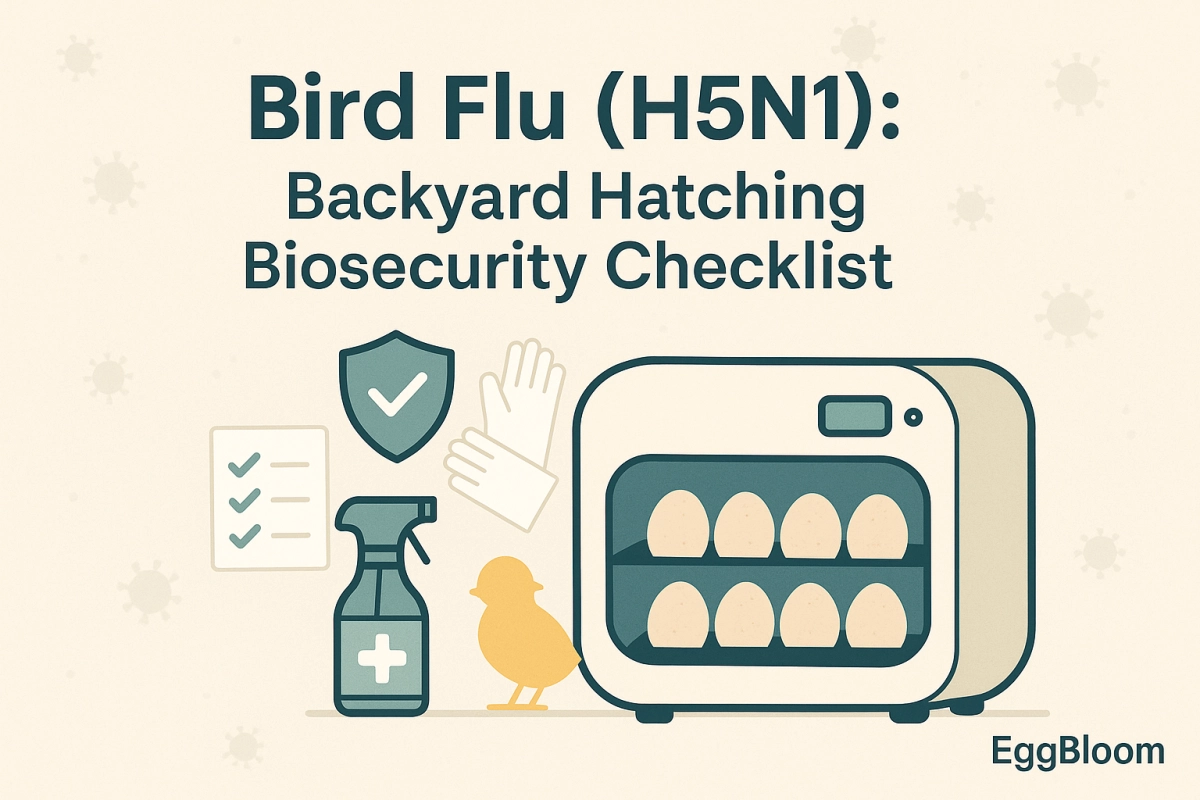
- A simple, step-by-step incubation biosecurity workflow you can copy today.
- Exactly how to clean & disinfect incubators/trays between hatches (with authoritative options).
- Fast rules for safer egg sourcing, storage, and handling to keep hatch rates high.
- Clear triggers for when to call for help if birds look off.
Why this matters right now
H5N1 remains active in U.S. domestic and wild birds with periodic backyard detections. Public-health risk remains low for most people, but flock owners should tighten biosecurity—especially in migration season.
The 5-Zone Incubation Workflow (copy/paste)
Zone A: Clean hands in, clean tools in
- Wash hands before handling eggs; keep dedicated shoes/clothes for the hatch area.
- Keep feed sealed; block wild-bird access to runs/coops (netting/top cover).
Zone B: Intake & candling station
- Only set clean, intact eggs from healthy flocks—do not set cracked/dirty eggs.
- Prefer NPIP-participating sources when buying hatching eggs (ask sellers to provide status).
Zone C: Incubator (days 1–18 for chickens)
- Avoid unnecessary opening; log temp/humidity checks.
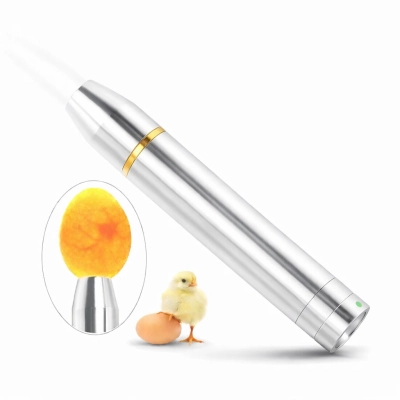
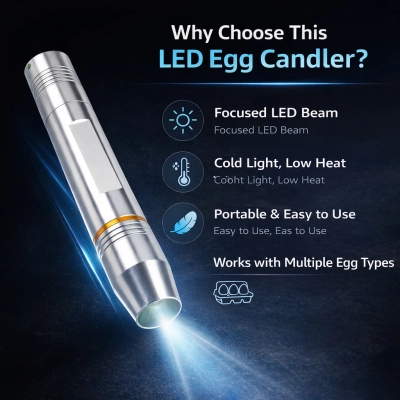
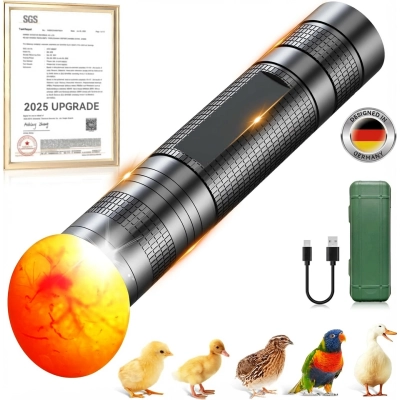
- Keep a small bin of clean-only tools (thermo-hygrometer, candling light).
Zone D: Hatcher/lockdown
- Separate from the main incubator to limit fluff/dander spread.
- No misting/sprays on chicks; keep hands/gloves clean.
Zone E: Brooder exit
- Move chicks to a clean brooder; sanitize trays/turners immediately after the hatch.
Cleaning & Disinfection (between every hatch)
Best practice for avian influenza-level disinfection: use an EPA-registered disinfectant labeled for Avian Influenza and follow the product label for dilution and contact time (often 5–10 minutes).
If using household bleach on hard non-porous equipment, the CDC’s general-use ratio is 5 tablespoons (1/3 cup) per gallon of water (≈1000 ppm available chlorine). Always defer to the product label; keep the surface visibly wet for the full contact time.
Equipment-friendly option (lower corrosion, short contact): some university extensions suggest 1 teaspoon per gallon bleach with ~2 minutes contact for incubator metal parts—useful for cleaning/light disinfection and reducing corrosion; not equivalent to AI-level disinfection.
- Dry clean: remove shells, fluff, droppings.
- Wash: warm water + detergent + scrubbing (disinfectants work best on already-clean surfaces).
- Disinfect: use an EPA-registered product or the ratios above; maintain label contact time.
- Air-dry fully before storage or reset.
Egg sourcing, handling & storage (to protect hatch rate)
- Source smart: buy from healthy flocks (ask for NPIP participation/testing history).
- Set only clean eggs; frequent collection cuts contamination.
- Storage: 55–60°F (13–16°C) when holding for more than 5 days; avoid condensation when moving to a warmer room; turn stored eggs daily if holding >7 days.
Keep pathogens out of your yard
- Block wild birds: enclosed runs with top netting; fix gaps; shut birds in at night.
- Traffic control: limit visitors; don’t share equipment; dedicated boots/clothing for the coop.
- Quarantine newcomers: isolate any new or returning birds for ~30 days before mixing (follow your state’s rules).
If your birds look “off”, act fast
Sudden deaths, lethargy, drop in feed/water, nasal discharge, swollen heads/combs—report immediately to your State Vet or USDA: 1-866-536-7593. Wear basic PPE if you must enter contaminated areas.
FAQ (quick answers)
Q1. Is it okay to incubate right now?
Yes—with solid biosecurity. Keep wild birds out, clean between hatches, and source clean eggs. Public risk is low, but backyard flocks remain vulnerable.
Q2. Should I wash hatching eggs?
For small setups, it’s often better to set clean eggs ASAP than wash. If you must sanitize, use methods suitable for hatching eggs and follow temperature/contact-time guidance precisely.
Q3. What ratio & contact time should I use?
For avian-influenza-level disinfection, prefer an EPA-registered product and follow its label (often 5–10 minutes). Household bleach reference: 1/3 cup per gallon ≈ 1000 ppm (CDC). The MU Extension 1 tsp/gal, ~2 min option helps reduce corrosion for equipment but is not equivalent to AI-level disinfection.
Q4. How long do I quarantine new birds?
Plan for ~30 days and handle quarantined birds last each day.
Q5. Are eggs and poultry safe to eat during bird-flu season?
Food safety is separate from incubation; proper cooking to safe internal temperatures inactivates viruses. Follow CDC food safety guidance.
What to buy (keep your setup clean with less work)
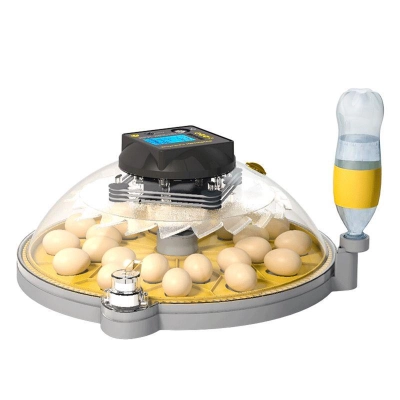
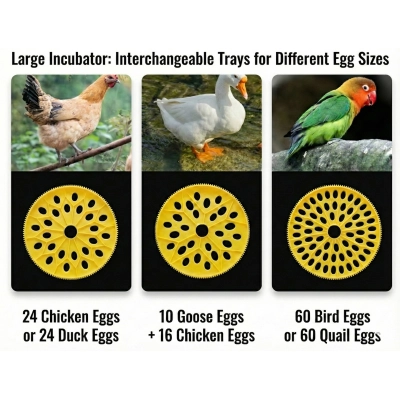
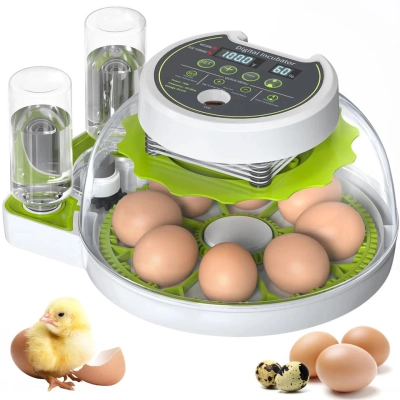
- Easy-to-disassemble incubator design (smooth interiors, removable trays/turners).
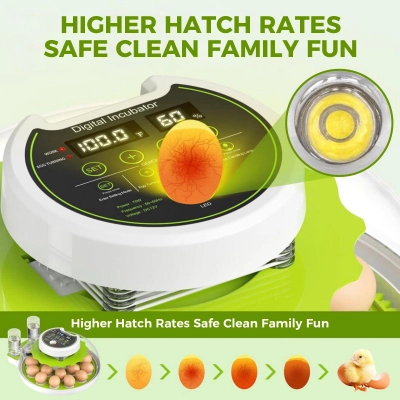
- Stable temp/humidity control with reliable sensors (fewer openings = fewer contaminants).
- Spare racks & liners to swap while others dry.
- Dedicated cleaning kit (soft brushes, detergent, measuring cup, labeled spray bottle, gloves, drying rack).
Ready to go? Explore EggBloom and pick the capacity that matches your next hatch window.

0 Comments