You might read that chicken egg incubation time by breed is very different. One person says bantams hatch on day 19. Another says big heritage breeds need 23 days. It is no surprise you feel confused when you plan your first hatch.
In real life, most backyard chicken breeds still follow the same basic plan. The standard incubation time is about 21 days. Breed can shift things a little inside that window, but it does not change the whole schedule. Temperature, humidity, egg age, and how steady your incubator runs will shape your results much more than the name of the breed.
In this guide, we will look at what chicken egg incubation time by breed really means for you. We will talk through what you can expect with standard breeds, bantams, and large breeds. We will also walk through normal early and late hatches, and how to handle a mixed tray in one incubator.
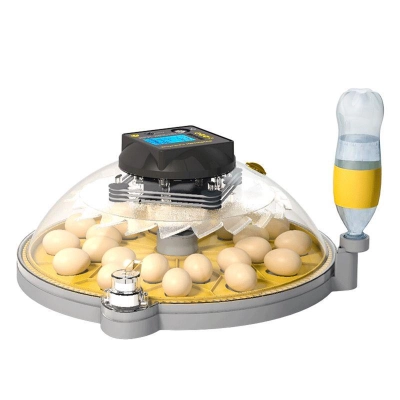
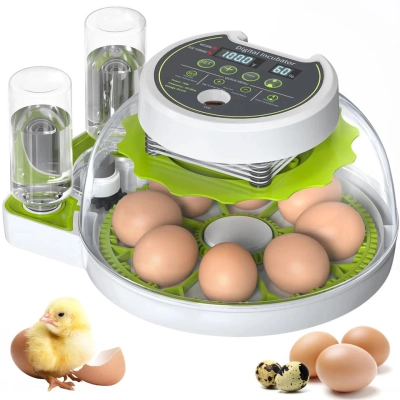
If you already know that you want a steady incubator that can hold a mixed batch of eggs, you can take a look at the EggBloom egg incubator collection while you read. A stable machine makes every other choice much easier.
Key Takeaways
- Most common chicken breeds still hatch in about 21 days when you keep temperature and humidity steady.
- Breed usually changes hatch timing by less than a day. Egg size, egg age, and small temperature shifts make a bigger difference.
- You do not need special incubator settings for different chicken breeds. One good setup works for mixed trays.
- Early or late hatches often point to temperature, humidity, or storage issues, not “the wrong breed”.
- A calm, simple plan will help you hatch more strong chicks than chasing tiny breed differences.
Common Myths About Breed and Hatch Time
The 21-Day Rule Explained
People often say that every chicken egg hatches in exactly 21 days. There is a reason this rule is so common. When you keep eggs at the right temperature and humidity, most chicks from most breeds really do hatch close to day 21.
But the 21-day rule is a guide, not a hard law. Embryos are living things. They do not all run like a clock. Tiny shifts in egg temperature, how long the eggs were stored, and how old the hens are can all move the hatch a little earlier or a little later.
Why Breed Differences Are Usually Small
You might see people online say that one breed “always hatches on day 19” and another “always hatches on day 23”. That sounds dramatic, but it is not how most home hatches work.
For backyard flocks, chicken egg incubation time by breed usually changes only a little. Small eggs warm and cool faster. Big eggs change more slowly. Some bloodlines grow a bit quicker or slower. These things can nudge the hatch inside a normal window. They do not turn a 21-day egg into a 28-day egg.
So when you see big claims about breed and hatch time, remember this: in most home incubators, what really changes is how steady the heat is and how well the eggs were stored before you set them.
Here are some common myths you might hear:
- “All breeds should hatch at the exact same hour.”
- “Bantams always hatch much earlier than large breeds.”
- “You need special settings for every single breed.”
- “Breed is the main reason for poor hatch rates.”
In real life, hatch results depend on temperature, humidity, and egg care. When those are close to right, you can see healthy chicks from many different breeds in the same machine.
Chicken Egg Incubation Time by Breed
Standard Breeds and Their Hatch Window
For most standard backyard breeds, you can plan on a 21-day hatch. This includes common birds like Rhode Island Reds, Plymouth Rocks, Sussex, and many mixed-breed backyard hens. When you keep the incubator steady, you will often see the first external pips late on day 20 or early on day 21, and many chicks out by day 21 or day 22.
Think of this as a normal hatch window, not a single “deadline” day. It is normal for some chicks to be a little faster and some to be a little slower inside this window.
Bantams and Early Hatching
Bantam chickens lay smaller eggs. Smaller eggs warm up and cool down faster than large eggs. Because of this, you may see bantam chicks pip and hatch a little earlier than standard breeds when they share the same incubator.
Many keepers notice that their bantam eggs start to pip near the end of day 19 or during day 20, while the larger eggs wait closer to day 21. This does not mean bantams “need” a shorter incubation time. It just means the smaller egg reacts to the heat a little faster.
You can still plan a 21-day hatch for bantams. Use the same target temperature and humidity as you do for standard breeds. Let the chicks come when they are ready inside that window.
Large Breeds and Slight Delays
Large heritage breeds, such as big Orpingtons or other heavy dual-purpose birds, can sometimes lean toward the slower side of the normal window. Their eggs are often bigger and thicker, so it can take a little longer for heat to move through the shell and for the chick to finish its work.
You might see more of these chicks hatching late on day 21 or on day 22. As long as your incubator temperature is correct and the chicks look lively and strong when they hatch, this is still normal.
You do not need a special timeline for large breeds. You still set the eggs on the same day and follow the same schedule. You just give the late side of the window a bit more patience.
When you look at chicken egg incubation time by breed as a whole, you will see one clear pattern: almost all backyard breeds still sit around a 21-day plan. The “fast” or “slow” feel mostly comes from egg size and small changes in heat and storage, not from the breed label on the egg.
What Really Affects Hatching Results
Temperature and Humidity
Temperature is the main driver of how fast the embryo develops. When the egg is a little too warm across the whole hatch, chicks tend to come early. When it is a little too cool, chicks tend to come late. This is true across almost all breeds.
For a forced-air incubator, most home hatchers aim for about 99.5°F (37.5°C). For a still-air incubator, the air is not moving, so you measure at the top of the eggs and aim for about 100–101°F. Small swings for a short time will not ruin a hatch, but steady errors will stretch or squeeze your hatch window.
Humidity does not change the embryo’s clock as much as temperature does, but it shapes how easy it is for the chick to get out of the shell. Many keepers aim for about 45–55% humidity for the first 18 days and then raise it to around 65–75% for the last few days. This helps the egg lose the right amount of moisture and keeps the membranes soft when the chick is ready to push out.
If you want to dig deeper into the numbers for temperature, humidity, and egg turning, you can read our complete guide to hatching chicken eggs, including temperature, humidity, and turning .
Egg Age and Storage
Eggs are not like dry seeds. They change while they sit. Fresh eggs from the last few days almost always give the best chance. As eggs age, the air cell gets larger and the inner parts dry and shift.
Many hatchers try to set eggs that are less than seven days old. Some still have good hatches with eggs up to ten days old, but hatch rates usually start to drop after that. Long storage times or very warm storage can slow development at first and then lead to weaker chicks at the end.
Store hatching eggs with the big end up, in a cool room out of direct sun. Tilt the eggs a few times each day if you can. This keeps the yolk from sticking to one side and helps the embryo later.
Incubator Stability
You can have the “right” temperature setting and still get early or late hatches if the incubator itself swings a lot. Drafts in the room, direct sun on the lid, and weak heating elements can all make the real egg temperature drift away from what the display shows.
This is why many keepers like to use a reliable digital incubator and a simple backup thermometer they trust. When your machine holds steady, breed differences in hatch time stay small. When your machine swings, even the best breeds struggle.
Hatching Mixed Breeds Together
Do You Need Different Settings?
Many first-time hatchers ask if they should run one setting for bantams, another for standard birds, and a third for large heritage breeds. The short answer is no. You do not need separate programs for normal backyard breeds.
You can set your incubator once and hatch mixed trays of Leghorns, Orpingtons, barnyard mixes, and bantams together. The key is to keep temperature and humidity steady and to stop turning at the right time. The eggs will “choose” their own exact hatch time inside the window.
What to Do When Bantams Hatch First
It is very common for bantam chicks to pip and hatch before the larger eggs in the same hatch. This can feel stressful the first time, because you worry about the older chicks while you wait for the rest.
The good news is that healthy chicks can stay in the incubator for many hours after they hatch. They are born with a full yolk reserve inside, like a packed lunch. As long as the temperature is warm and the humidity is high, they can rest, fluff up, and wait for their hatch mates without harm.
The worst thing you can do in this moment is lift the lid over and over. Every time you open the incubator, you let heat and moisture out. That drop can chill and dry the eggs that are still trying to zip. It is often better to leave the early bantams where they are until more chicks are out.
Planning for a Mixed Hatch
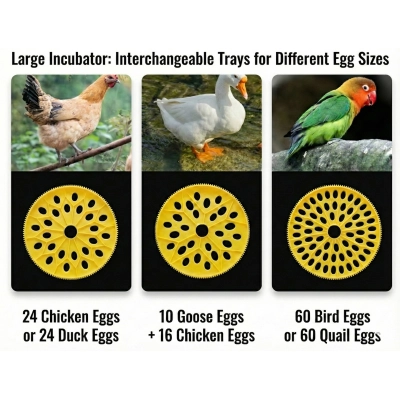
When you know you will set eggs of different sizes, you can plan a little. Place larger eggs in the spots that tend to run a touch warmer if your incubator has known cool corners. Place very small eggs in the more stable center area.
If you want a machine that makes this easier, you can look at an automatic egg incubator with three trays. A design like this lets you group eggs by size or source but still use one simple temperature and humidity setting for all of them.
If you would like a full, simple walkthrough from unboxing to hatch day before you try a mixed batch, take a look at our step-by-step guide to hatching chicken eggs in an incubator. You can use that as your basic plan and then add these mixed-breed tips on top.
Troubleshooting Late or Early Hatches
When Early Hatching Is Normal
A few chicks hatching late on day 20 or very early on day 21 is usually not a problem. This often happens with smaller eggs, slightly higher average temperatures, or very fresh eggs that started strong.
If the chicks look bright, stand well, and dry quickly, you can count that as a normal part of your hatch window. Make a note in your journal, but you do not need to change everything for the next round.
When to Worry About Late Hatching
Late hatches can feel much more stressful. Day 21 comes and goes, and the shells are still quiet. Your stomach drops and you start to think the whole batch failed.
A quiet incubator on day 21 does not always mean disaster. If your real egg temperature ran a little low, your whole hatch may simply be pushed back a day. In that case, chicks can still start to pip on day 22 and hatch by day 23 and be just fine.
Simple Checks on Day 21
When you reach day 21 and see no action, take a slow breath and make a few calm checks instead of panicking.
- Check your thermometer against a simple backup to see if your temperature has been running low.
- Think back to egg storage. Were the eggs older than a week when you set them? Were they stored too warm or too cold?
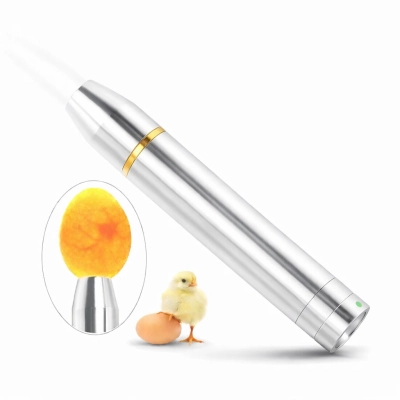
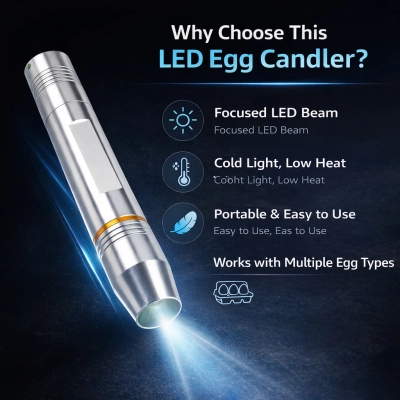
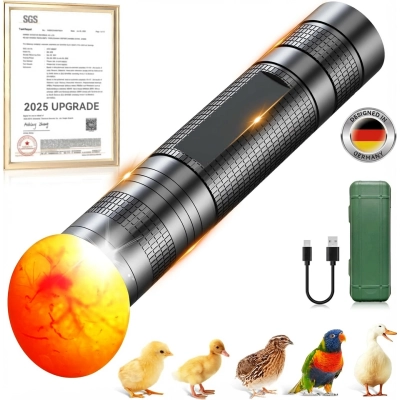
- If you are past day 21 and the air cells look large and the embryo still looks alive when you candle quickly, there is still a chance for a late hatch.
- Give the eggs until day 23 before you call the hatch finished, unless you see clear signs that the embryos have stopped.
No hatch is perfect. Some eggs will not make it, even when you do everything right. Use what you see in a late or early hatch as feedback, not as a verdict on you as a keeper.
FAQ
How long does it take for most chicken breeds to hatch?
For almost all common backyard breeds, you can plan on about 21 days from set to hatch when you keep the incubator steady. Some chicks may arrive a little early or a little late inside a normal window, but the basic plan is the same.
Do I need to change incubator settings for different breeds?
No, you do not need special settings for normal chicken breeds. Use a target of about 99.5°F in a forced-air incubator or about 100–101°F at the top of the eggs in a still-air incubator, with roughly 45–55% humidity for the first 18 days and 65–75% in the last few days.
Why do some chicks hatch earlier or later than others?
Early or late chicks most often come from small temperature shifts, egg size, and egg age. Smaller eggs and slightly warm temperatures tend to bring earlier hatches. Larger eggs and slightly cool temperatures tend to push hatches later. Breed plays a smaller role than many people think.
Can I hatch bantam and standard eggs together?
Yes, you can hatch bantam and standard eggs in the same incubator. Bantams often pip and hatch a little earlier because their eggs are smaller, but they still fit into the same 21-day plan. Focus on steady settings and resist the urge to open the lid too often.
What should I do if my eggs have not hatched by day 21?
Stay calm. Check your temperature with a backup thermometer, think about egg age and storage, and give the eggs more time. Many normal hatches do not finish until day 22 or even day 23. Use what you see to adjust for next time, and remember that every experienced hatcher has had slow batches too.


0 Comments