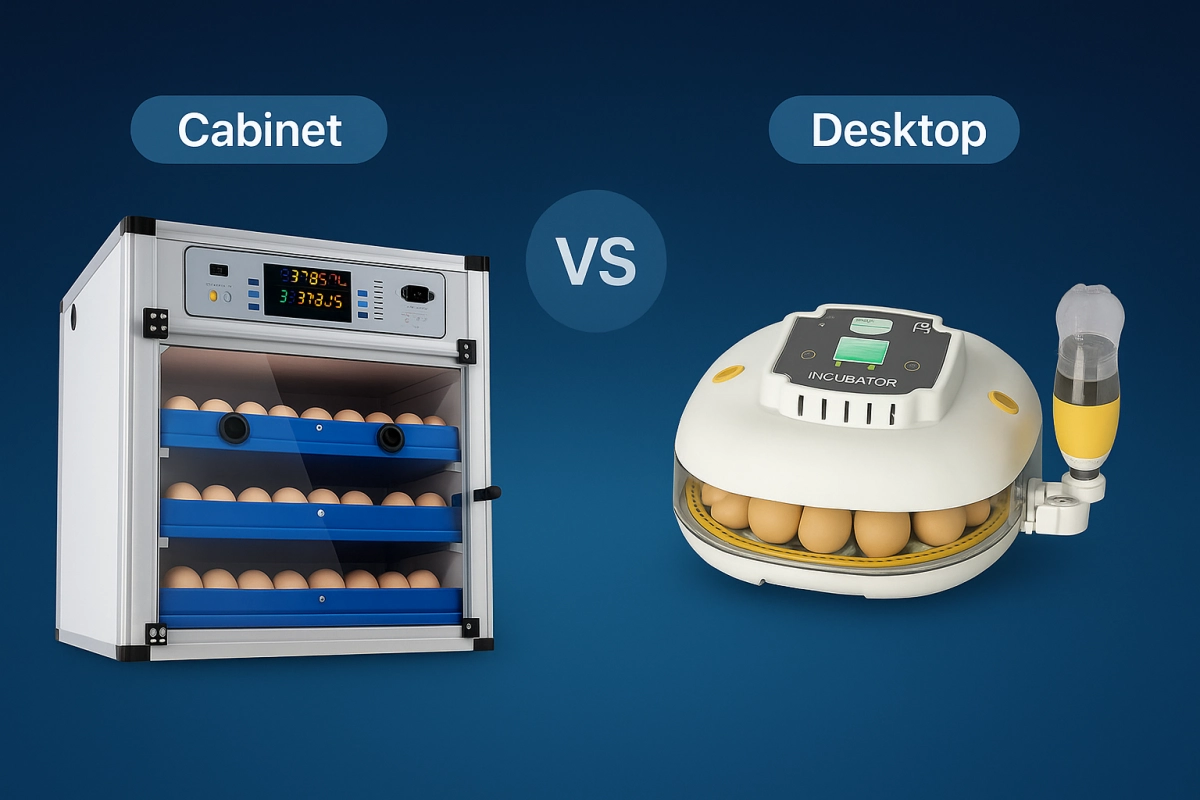
A clear, quick guide for first-time hatchers and growers.
TL;DR
-
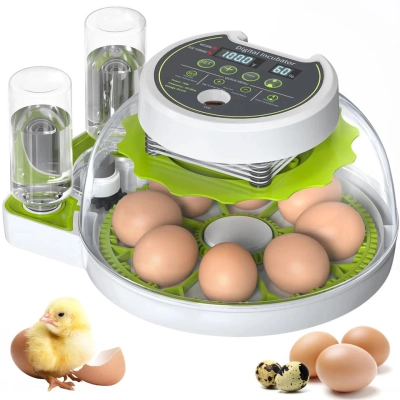
Pick a desktop egg incubator if you’re new, short on space, or hatching 6–18 eggs at a time.
→ Explore desktop egg incubators (compact, classroom-friendly). -
Pick a cabinet egg incubator if you want high capacity and steady results for continuous batches.
→ Explore cabinet egg incubators (48–300+ eggs, stable for scaling). -
Not sure yet? Start at the main category page:
→ Shop Chicken Egg Incubators.
Comparison at a Glance
| Feature | Desktop Egg Incubator | Cabinet Egg Incubator |
|---|---|---|
| Typical capacity | ~6–18 chicken eggs | ~48–300+ eggs |
| Footprint | Countertop, light, portable | Larger body, needs floor space |
| Temp/humidity stability | Good for small batches | More stable for large, continuous hatches |
| Egg turning | Roller/tray/tilt on small rigs | Tray/tilt systems for many eggs |
| Visibility | Clear lid, easy to watch chicks | Windowed doors; visibility varies |
| Noise & cleaning | Low–medium; easy to wipe | Medium; deeper clean cycles |
| Who it fits | Families, classrooms, beginners | Small farms, breeders, scale-up use |
| Cost & TCO | Lower upfront and running cost | Higher upfront; efficient per egg at scale |
Note: exact specs vary by model. Always check capacity, turning method, and maintenance before you buy.
Capacity & Space: Start with Your Real Goal
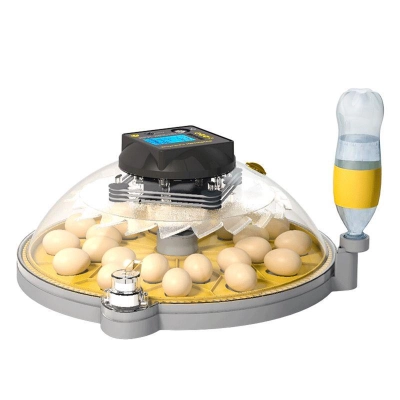
Desktop incubators shine in small spaces and short runs. They sit on a counter or desk and are easy to move and store.
Cabinet incubators suit users who plan multiple batches or larger flocks. The bigger chamber helps temperature and humidity recover faster after you open the door.
-
If you’ll hatch a few times a year for family or class projects, start desktop:
-
If you’ll hatch often or manage several breeds/sets at once, cabinet pays off:
Temperature & Humidity: Stability vs. Convenience
Both types can hold a steady environment. The difference is recovery and consistency:
-
Desktop: great for learning and small loads; quick to set up; minimal water use.
-
Cabinet: larger air volume and airflow design usually mean faster recovery after you open the door, which helps in late hatch days.
If your room air is dry or changes a lot, look for easy water refill and clear humidity controls—on either type.
Egg Turning: What Matters Most
Turning keeps embryos from sticking and supports healthy development.
-
Desktop units often use roller or small tray/tilt systems. They’re simple and easy to monitor.
-
Cabinet units use tray/tilt systems that move many eggs at once and keep timing consistent across shelves.
Whatever you choose, check:
-
Turning interval (consistent, automated)
-
Stop-turn timing for “lockdown” (the final days before hatch)
-
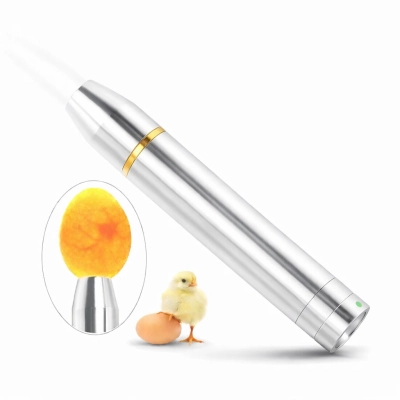
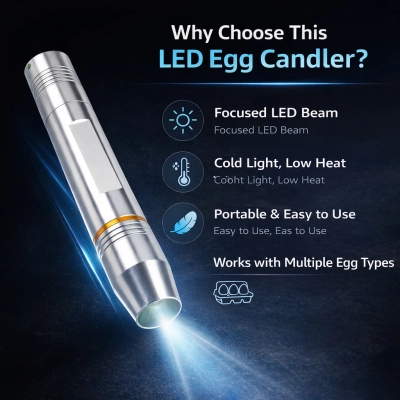
Access for candling and refilling water without big heat loss
Visibility, Noise & Cleaning
-
Visibility: Desktops usually have clear lids—great for kids and first-timers. Cabinets typically have a viewing window; you still see plenty, just not the full chamber.
-
Noise: Fans and motors vary. Desktop is often quieter; cabinet noise depends on fan size and number.
-
Cleaning: Smaller trays and lids are quick to wipe. Cabinets need scheduled deep cleans but many have smooth surfaces and removable trays.
Cost & Total Cost of Ownership (TCO)
-
Desktop: Lower purchase price and power draw; ideal when you hatch a few dozen eggs per year.
-
Cabinet: Higher upfront, but lower cost per chick when you hatch often and at higher volume.
If your plan is “try hatching, see how it goes,” start with a desktop. If your plan is “grow a flock and sell chicks or eggs,” a cabinet becomes cost-effective.
Who Should Buy What?
Buy a Desktop Incubator if you:
-
Are a first-time hatcher (family or classroom)
-
Have limited space or need a portable setup
-
Plan single small batches (holiday, science fair, spring chicks)
Buy a Cabinet Incubator if you:
-
Want consistent, repeatable hatches month after month
-
Need capacity for several breeds or staggered sets
-
Are building a side business or scaling a homestead
Decision Checklist (Print-friendly)
Tick what matches you:
-
I’ll hatch 6–18 eggs per run, a few times a year
-
I have counter space only
-
I want kids/students to see the hatch up close
-
I’ll hatch 48+ eggs per run or maintain overlapping batches
-
I need fast recovery after opening for water/candling
-
I’m building a breeding plan and want repeatable results
If you checked mostly the top items → Desktop.
Mostly the bottom items → Cabinet.
Common Mistakes to Avoid
-
Buying too big or too small for your real plan
-
Ignoring room conditions (drafts, direct sun, AC vents)
-
Opening too often in the last days before hatch
-
Skipping cleaning between batches (bacteria hurts hatch rates)
FAQs
Q1: Which is better for beginners?
A desktop unit. It’s small, simple, and easy to learn on. When you need more capacity, step up to a cabinet.
Q2: Do I need automatic turning?
Yes, for most users. It saves time and keeps timing consistent, which supports better outcomes.
Q3: Can I use a cabinet for small batches?
You can, but it’s not efficient unless you plan to scale or run frequent cycles.
Q4: What about power cuts?
Have a plan: a backup power option and a “no unnecessary opening” rule to hold heat and humidity.
Conclusion: Pick the Form That Fits Your Plan
-
For learning, families, and classrooms, go desktop.
-
For scaling, stability, and repeat cycles, go cabinet.
Start browsing here: Chicken Egg Incubators.
Or jump straight to desktop or cabinet models.
Editor Notes (for your CMS)
-
Reading level: middle school; short sentences; clear subheads.
-
Place the main CTA (link to the chicken-egg-incubator category) near the top and again before FAQs.
-
Keep 3–5 internal links total in the article (as shown).
-
Add image alts like: “desktop chicken egg incubator on a countertop”, “cabinet egg incubator with viewing window”.

0 Comments