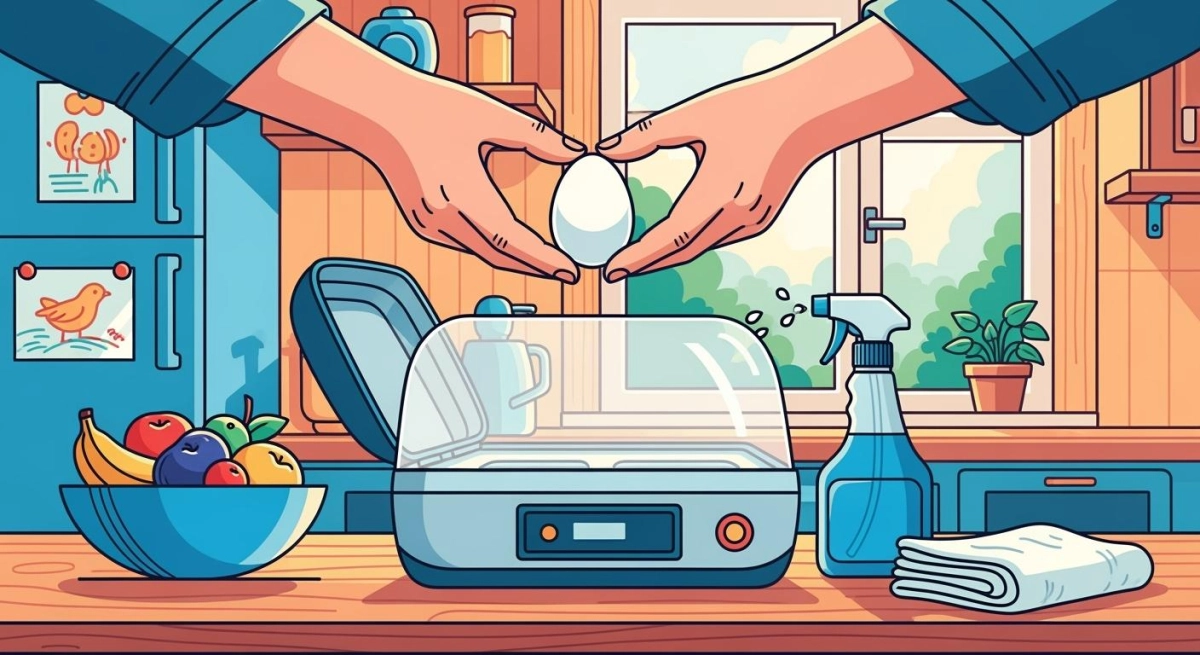
If you hatch eggs at home, you can lower risk during avian flu seasons with simple, repeatable routines. This guide is for backyard chicken keepers, families, and teachers running a classroom hatch. It focuses on what you can control: clean eggs, clean hands, clean tools, and a clean incubator. Outbreak numbers can change quickly, so treat every hatch like a “clean zone” project. Small, steady steps help reduce cross-contamination and make your hatch easier to manage.
Key Takeaways
-
Wash your hands for 20 seconds after touching eggs. This helps stop germs from spreading.
-
Always pick clean eggs with no cracks for incubation. Throw away eggs that are dirty or broken. This lowers the chance of contamination.
-
Put your incubator in a different place, not near food. This helps keep germs from mixing with food.
-
Make simple routines for handling and cleaning eggs. Doing the same steps each time helps you stay safe.
-
Use special tools just for handling eggs. Keep these tools in a clean bin. This stops germs from spreading.
Why Routine Matters for Egg Safety
Risk Reduction, Not Zero Risk
You want to keep your family safe from avian flu. You can lower the risk by following simple routines for egg handling and incubator cleaning. No routine can remove all risk, but you can make your home safer with steady habits. When you set only clean, intact eggs and wash your hands for at least 20 seconds, you help stop germs from spreading. For food safety, many kitchen guidelines use 165°F as a target for fully cooked egg dishes. For hatching projects, the bigger goal is reducing cross-contamination in your home. You can borrow simple biosecurity ideas: separate spaces, clean hands, clean tools, and clear routines you can repeat.
Tip: Do not set cracked or dirty eggs. This lowers the chance of germs entering your incubator.
Calm, Repeatable Habits Over Extreme Measures
You do not need extreme actions to protect your family. Calm, repeatable habits work best for poultry disease prevention. Simple routines are easier to keep up with than strict or complicated rules. When you repeat the same steps each time, they become automatic. You do not have to think about every detail. These habits help you stay calm during a bird flu outbreak. If you ever face another outbreak, you can use these routines again. Habits start with small cues, like washing your hands after touching eggs. They help you avoid mistakes when you feel stressed.
-
Calm routines lower stress and help you remember important steps.
-
Habits can fill in when you feel tired or busy.
-
You can teach your family these routines so everyone helps keep your home safe.
Note: Focus on what you can control. Follow local animal health guidance if you hear about an outbreak in your area.
Setting Up a Clean Zone for Incubator Safety
You can make avian flu less likely by making a clean zone for your incubator. This routine keeps germs away from your eggs and chicks.
Incubator Placement Away from Food Areas
Do this:
Put your incubator in a room that is not near kitchens, dining tables, or food storage. Pick a place with good air and easy cleaning.
Why it helps:
If you keep the incubator away from food, germs do not spread to places where you eat or cook. You make a “line of separation” between poultry equipment and your kitchen.
Common mistake:
Some people put incubators on kitchen counters or near food. This makes cross-contamination more likely.
Safer alternative:
Use a spare room, laundry area, or garage shelf. Mark the spot as “clean zone” with a sign or tape.
Tip: Never keep hatch tools or eggs in kitchens or food prep spaces.
Dedicated Tools and Clean-Only Bin
Do this:
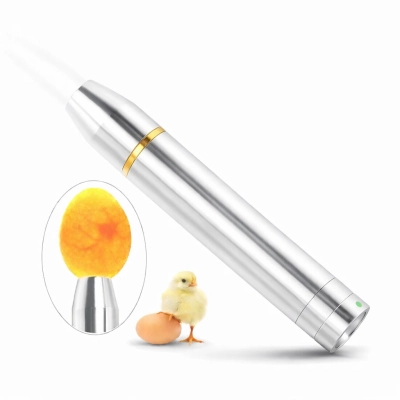
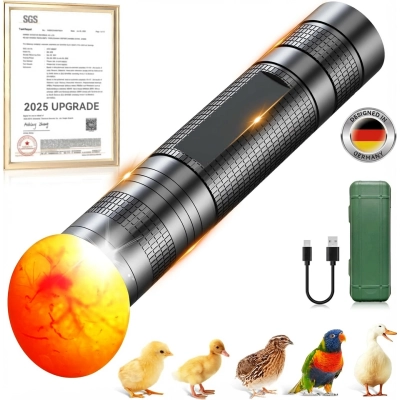
Keep hatch tools like candling light, thermometer, and gloves in a clean-only bin. Use these tools just for egg handling and incubator jobs.
Why it helps:
Dedicated tools stop germs from moving between poultry equipment and other things in your house. This lowers the chance of spreading viruses.
Common mistake:
If you use the same tools for the incubator and other chores, germs can get into clean areas.
Safer alternative:
Label your bin “clean-only.” Store it away from food and busy spots. Wash and disinfect tools after every use.
Note: Clean first, then disinfect. Always follow the label for how much to use and how long to wait. Never mix chemicals.
Table A: Risk Pathway to Barrier
|
Risk Pathway |
Barrier You Create |
Safer Routine Example |
|---|---|---|
|
Germs from eggs to kitchen |
Incubator in separate room |
Set up incubator away from food |
|
Dirty tools spread germs |
Clean-only bin for tools |
Use dedicated hatch tools only |
|
Hands carry viruses |
Handwashing station nearby |
Wash hands for 20 seconds after use |
You can block risk pathways by making a clean zone and using dedicated tools. Always listen to local animal health guidance during outbreaks.
Egg Handling Safety Routine
A good egg handling routine helps stop germs from spreading. It keeps your family safer during avian flu outbreaks. Always follow these steps when you work with eggs or your incubator.
Accept or Reject Eggs
Do this:
Look at each egg before you put it in the incubator. Only use eggs that are clean and not cracked. Do not use eggs that are dirty or broken.
Why it helps:
Dirty or cracked eggs can bring germs into your incubator. Clean eggs help stop viruses from spreading to chicks and tools.
Common mistake:
Some people use eggs with small cracks or dirt. They think it is not a big deal. This can make cross-contamination more likely.
Safer alternative:
Sort eggs right after you collect them. Put only the best eggs in your clean-only bin for hatching.
Egg Handling Checklist (Before Setting Eggs):
Check every egg for cracks or dirt.
Use only clean, whole eggs.
Throw away any cracked or dirty eggs.
Put good eggs in a clean container, not old cartons.
Handwashing and Surface Order
Do this:
Wash your hands with soap and water for 20 seconds after touching eggs or poultry equipment. Scrub between your fingers and under your nails. Dry your hands with a clean towel or paper towel.
Why it helps:
Washing your hands gets rid of germs that can make you sick. Good handwashing is one of the best ways to lower the risk of avian flu and other diseases.
Common mistake:
Some people skip washing their hands or use the same towel as others. This can spread germs to other people and things.
Safer alternative:
Set up a handwashing spot near where you handle eggs. Use paper towels and do not share cloth towels.
Handwashing Routine:
Wet your hands with water.
Use soap and scrub for 20 seconds.
Rinse your hands well.
Dry with a clean towel or paper towel.
Use hand sanitizer if you do not have soap and water.
Table B: Clean vs Disinfect
|
Step |
Clean First |
Disinfect Second |
|---|---|---|
|
Purpose |
Remove dirt, debris, and germs |
Kill remaining germs and viruses |
|
How |
Soap and water, scrubbing surfaces |
Use EPA-registered disinfectant, follow label |
|
When |
After each egg handling session |
After cleaning, before next use |
Handling Cartons and Packaging
Do this:
Use new or single-use cartons for eggs. Do not use old egg cartons or foam trays again. Throw away packaging after you use it.
Why it helps:
Old cartons can move germs like Salmonella or avian flu viruses from one batch of eggs to another. Using new packaging lowers the chance of spreading germs.
Common mistake:
Some people keep and use old egg cartons to save money or cut down on trash. This can bring germs back into your clean area.
Safer alternative:
Always use a clean container for each batch of eggs. Throw away used cartons and trays right after you use them.
|
Source |
Evidence |
|---|---|
|
Egg Safety Center |
Cartons should not be reused to store eggs due to potential cross-contamination. |
|
USDA FSIS |
Foam meat trays and egg cartons should be treated as one-time-use packaging to prevent contamination. |
|
Research |
Salmonella can transfer from contaminated cartons to eggs, highlighting the risk of reuse. |
Tip: If you need to move eggs, use a clean basket or tray. Wash and disinfect it after each use.
Remember:
Most cross-contamination happens when people do not handle poultry the right way or forget to wash their hands. Poor hand hygiene is a common reason germs spread in kitchens and family spaces. You can lower your risk by following these steps every time you handle eggs.
Always listen to local animal health guidance during outbreaks. Calm, repeatable routines help keep your home safer.
Incubator Cleaning Steps
Keeping your incubator clean is very important. It helps keep your chicks healthy and safe. These routines lower the risk of germs. Always unplug your incubator before cleaning. Let it cool for at least 30 minutes. This keeps you and your incubator safe.
Clean First, Then Disinfect
Do this:
Take out all the parts you can remove, like the tray, turner, and water pan. Wipe off eggshells, fluff, and dirt you see. Wash these parts with warm soapy water. Rinse them well. Dry them with a clean towel. After cleaning, use an EPA-registered disinfectant or bleach solution. Read the label to know how much to use and how long to leave it on. Never mix chemicals together.
Why it helps:
Cleaning gets rid of dirt and germs. Disinfecting kills viruses that might still be there. Doing both steps makes your incubator safer for every batch.
Common mistake:
Some people skip cleaning and only spray disinfectant. This leaves dirt and germs behind that disinfectant cannot reach.
Safer alternative:
Always clean first, then disinfect. Follow the label for how much to use and how long to wait. You can read more in the deep-clean guide.
Tip: Wear gloves when you use disinfectants. Wash your hands for 20 seconds after you finish and after you take off your gloves.
Table B: Clean vs Disinfect
|
Step |
Clean First |
Disinfect Second |
|---|---|---|
|
Purpose |
Remove dirt, debris, and germs |
Kill remaining germs and viruses |
|
How |
Soap and water, scrubbing surfaces |
Use EPA-registered disinfectant, follow label |
|
When |
After each egg handling session |
After cleaning, before next use |
Washable, Wipe-Only, and No-Wet Zones
EggBloom incubators have different parts. Some parts are safe to wash. Some parts should only be wiped. Some parts should never get wet.
Do this:
Sort your incubator into three groups:
-
Washable parts: Tray, turner, and water pan. Wash these with soap and water.
-
Wipe-only parts: The shell, fan cover, and control panel. Wipe these with a damp cloth and disinfectant.
-
No-wet zones: Vents, openings, and any area near electronics. Do not let water or cleaner touch these spots.
Why it helps:
Washing the right parts removes germs from where eggs and chicks touch. Wiping protects the parts that could break if wet. Keeping water away from electronics helps your incubator last longer.
Common mistake:
Some people wash the whole incubator under running water. This can break the fan or control panel.
Safer alternative:
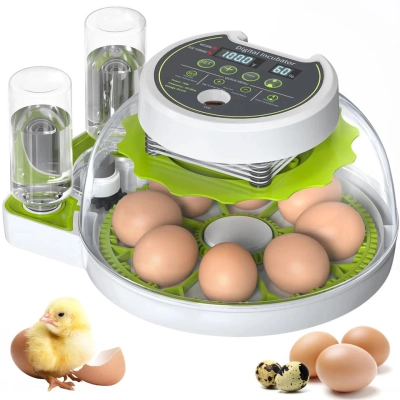
Check your EggBloom manual or the Automatic Egg Incubator product page for details. If you are not sure, just wipe instead of washing.
Note: Keep hatch tools away from kitchens and food areas. Store them in a clean-only bin.
Drying and Reassembly
Do this:
Let all parts air-dry until they are fully dry. Put the parts on a clean towel in a safe place. Wait until everything feels dry before putting your incubator back together. Follow your manual to reassemble your incubator.
Why it helps:
Dry parts stop mold and bacteria from growing. Wet parts can hurt electronics and make incubation less safe.
Common mistake:
Some people rush and put parts back while they are still damp. This can cause problems during incubation.
Safer alternative:
Give yourself extra time. If you need to start a new batch soon, plan ahead so everything dries fully.
Checklist 2: Cleaning Checklist (After Hatch, Before Next Batch)
Unplug and cool incubator for 30 minutes.
Remove tray, turner, and water pan.
Wash washable parts with soap and water.
Wipe shell, fan cover, and control panel.
Keep water away from vents and electronics.
Disinfect all surfaces, following the label.
Air-dry all parts completely.
Reassemble only when everything is dry.
Wash your hands after cleaning.
You can find more tips on the Egg Incubator category page. These routines help you keep your incubation safe and easy to repeat. Always follow local animal health guidance during outbreaks.
Remember: Clean hands, clean tools, and clean eggs make incubation safer for your family and your flock.
Disinfection Choices for Bird Flu Outbreaks
You need to pick the right disinfectant to help stop avian influenza at home. The right steps remove germs from your incubator and tools. Always read the label for how much to use and how long to leave it on. Never mix chemicals together.
EPA-Registered Disinfectants
Do this:
Choose an EPA-registered disinfectant that lists avian influenza (or influenza A viruses) on the product label, and use it on hard, non-porous surfaces after cleaning. Follow the label for dilution, contact time, and safe-use steps. The goal is not a “magic ingredient.” The goal is using the right product and keeping the surface wet for the full contact time.
|
Example disinfectant type |
Use guidance |
What makes it reliable |
|---|---|---|
|
Hydrogen peroxide–based disinfectant (example category) |
Use per product label (EPA-registered) |
More reliable when the surface is cleaned first and kept visibly wet for the full label contact time. |
|
Quaternary ammonium–based disinfectant (example category) |
Use per product label (EPA-registered) |
More reliable when measured accurately, used on hard surfaces, and left wet for the full contact time before wiping. |
Why it helps:
Because disinfectants only work when used correctly, label instructions matter. Measuring dilution and using a timer for contact time makes your routine more consistent and easier to verify in your own log.
Common mistake:
Using a cleaner that does not disinfect, guessing dilution, or wiping the surface before the label contact time is finished.
Safer alternative:
Pick an EPA-registered product that lists avian influenza (or influenza A) on the label, measure carefully, and set a timer for contact time. If you are unsure, prioritize thorough cleaning first and follow your incubator manual for what can be safely wiped.
Minimum Disinfection Log (Fill In):
Disinfectant product name (label-registered): ________
Dilution used (per label): ________
Contact time (timer set to): ________
Cleaned first? (Y/N): ________
Date + notes (odor, residue, issues): ________
Bleach Dilution and Contact Time
Do this:
If you use bleach, mix 5 tablespoons (1/3 cup) of plain bleach with 1 gallon of water. Put it on surfaces after you clean them. Keep the surface wet for the contact time listed on the bleach label or your local guidance, and use a timer so you do not wipe it off early. This step helps kill avian influenza and other germs.
Why it helps:
The right bleach mix and enough time kill germs that cleaning alone cannot.
Common mistake:
Some people use too little bleach or wipe it off too soon. This does not kill all germs.
Safer alternative:
Measure bleach and water carefully. Set a timer for how long to leave it on. Never mix bleach with other chemicals.
Note: Always clean first, then disinfect. Follow the label for safety.
You can lower the risk of avian influenza by using the right disinfectant and following these steps every time. Always check local animal health guidance during outbreaks.
Lower-Touch Habits During Hatch
Reduce Openings and Contact Points
Open your incubator only when you need to. Always use clean hands and clean tools. Try not to touch the incubator, trays, or eggs too much. Fewer openings mean fewer chances for germs to get inside. Every time you open the lid or touch things, you might spread viruses. Keeping contact points low helps protect chicks. It also makes your routine easier.
Some people open the incubator many times. They want to check progress or change settings. This can let in dust, germs, or cold air. Plan your checks ahead of time. Write hatch times in a notebook. Only open the incubator when you must. If you need to change humidity or temperature, do it fast and with clean hands.
Tip: Set reminders for hatch milestones. This helps you remember steps and keeps you from opening the incubator too much.
Quick Pre-Touch Checklist
Look at this safety checklist before you touch the incubator or eggs. It helps you avoid mistakes and keeps your hatch area safe.
|
Safety Measure |
Description |
|---|---|
|
Wear PPE |
Always wear the right personal protective equipment. |
|
Check Room Air |
Make sure the room is comfortable and ventilated before opening the incubator. |
|
Secure the Lid |
Keep the lid steady so it does not slip or bump eggs. |
|
Keep Fingers Clear |
Keep fingers clear of hinges and edges when opening and closing. |
|
Close Latches Carefully |
Make sure the lid closes fully before you walk away. |
|
Clear the Workspace |
Wipe spills, move clutter, and keep kids’ hands away unless supervised. |
|
Use Tools, Not Fingers |
Use clean tools for adjustments when possible, and wash hands after. |
|
Secure During Transport |
If you move the incubator, secure the lid and carry it level. |
Read the checklist before each hatch session. Make sure you have gloves, clean tools, and a safe workspace. A checklist helps you remember every safety step. You lower the risk of accidents and cross-contamination.
Skipping steps or rushing can cause problems or unsafe conditions. Keep the checklist printed and post it near your hatch zone. Review it with family members who help with hatching.
Note: Calm routines and safety checks make hatching easier and safer for everyone. Always follow local animal health guidance during outbreaks.
After Hatch Cleanup and Waste Safety
Safe Disposal and Kitchen Separation
Do this:
Remove all used eggshells, fluff, and hatch waste from your incubator right after the hatch. Place these items in a sealed trash bag. Take the bag outside to your main garbage bin. Keep all hatch waste away from your kitchen and food prep areas. Clean and disinfect any surfaces or tools that touched hatch waste.
Why it helps:
You lower the risk of spreading germs when you keep hatch waste out of your kitchen. Sealing waste in a bag stops dust and fluff from moving through your home. Cleaning tools and surfaces right away keeps your next hatch safer.
Common mistake:
Some people throw eggshells or fluff in the kitchen trash. This can spread germs to food and counters. Others leave waste in open bins or forget to clean tools.
Safer alternative:
Always use a dedicated trash bag for hatch waste. Store it outside your living space. Wipe down any surfaces that touched waste with a disinfectant. Keep hatch tools in a clean-only bin, away from kitchens and food storage.
Tip: Never compost hatch waste during an avian flu outbreak. Use your regular trash service for disposal.
Laundry and Hand Hygiene Reset
Do this:
Change your clothes after hatch cleanup. Wash any towels, gloves, or aprons used during cleaning. Use hot water and detergent. Wash your hands with soap and running water for at least 20 seconds after handling poultry, eggs, or contaminated surfaces. Use hand sanitizer if you do not have soap and water.
Why it helps:
Clean clothes and hands remove germs that could spread to your family or other surfaces. Washing laundry on hot helps kill viruses and bacteria. Good hand hygiene is one of the best ways to lower the risk of avian flu.
Common mistake:
Some people skip changing clothes or forget to wash their hands after cleaning. Others reuse towels without washing them.
Safer alternative:
Keep a laundry basket near your hatch area for dirty clothes and towels. Wash these items after each hatch. Remind everyone in your home to wash hands after touching eggs, chicks, or cleaning tools.
Hand Hygiene Quick List:
-
Wash hands with soap and water for 20 seconds after handling poultry or cleaning.
-
Use hand sanitizer if soap and water are not available.
-
Avoid touching sick or dead birds without gloves or PPE.
Note: Calm, repeatable routines keep your home safer. Always follow local animal health guidance during outbreaks.
Bird Flu Outbreak Response
If you see sick or dead birds during a bird flu outbreak, you must act fast and stay calm. A clear routine helps keep your flock and family safe.
Sick or Dead Birds: Stop and Isolate
Do this:
Move any sick or dead birds away from the rest of your flock right away. Do not let people or birds move in or out of the poultry area. Wear gloves and use tools that are only for handling these birds.
Why it helps:
Keeping sick birds alone stops the virus from spreading to healthy birds. This lowers the chance of germs moving around your home and yard.
Common mistake:
Some people move sick birds to other pens or touch them without gloves. This spreads germs and can make the outbreak worse.
Safer alternative:
Keep sick or dead birds in their own space. Do not touch healthy birds until you wash your hands and change your clothes. Always use a clean-only bin for tools.
Tip: If you find sick or dying birds, tell someone right away. Animal health experts say you should act fast to stop HPAI from spreading.
|
Step |
Action |
Contact Information |
|---|---|---|
|
1 |
Report sick or dying birds right away to help stop HPAI. |
Your local veterinarian and your state animal health office (look up the current contact number for your state). |
|
2 |
Wait for a Federal or State animal health official to contact you with more steps. |
N/A |
Reporting and Contacts
Do this:
Call your state animal health office or local vet if you think your birds have avian flu. Use the right phone number or form for your state.
Why it helps:
Reporting helps experts act fast and control the outbreak. You will get advice on what to do next and how to keep your flock safe.
Common mistake:
Some people wait too long to report or try to fix things themselves. This can slow down help and put more birds at risk.
Safer alternative:
Report any sudden deaths or signs of flu as soon as you see them. Use the right contact for your state.
|
State |
Reporting Procedure |
Contact Number |
|---|---|---|
|
Massachusetts |
Tell the Division of Animal Health about sudden deaths or flu signs. |
Check your state’s current number |
|
Colorado |
Call the State Veterinarian’s Office if you think your birds have HPAI. |
Check your state’s current number |
-
Massachusetts: Use your state’s current poultry disease reporting form and follow the instructions for your area.
-
Colorado: Call your State Veterinarian’s Office (use the current number for your state).
Note: Always listen to local animal health guidance during an outbreak. Quick reporting and keeping sick birds alone help protect your flock and your community.
You keep your family and birds safe with good routines. When you handle eggs and clean the incubator the right way, you lower the risk of avian flu. This is even more important during an outbreak. You should do these things:
-
Always wash your hands and follow biosecurity rules
-
Do not let your birds near wild animals
-
Throw away dead birds the right way and tell someone if you see anything strange
-
Use simple steps for your daily chores
Look for news from animal health groups often. Change your routines if you need to. By doing this, you help keep your home safe and help others in your community.
FAQ
What is the simplest routine for reducing avian flu risk at home?
Do this:
-
Wash your hands for 20 seconds after touching eggs or poultry.
-
Set only clean, intact eggs.
-
Keep your incubator away from the kitchen.
-
Clean and disinfect tools after each use.
Why it helps:
You lower the chance of disease and public health risk.
Tip: Follow local animal health guidance during outbreaks.
How do I safely handle eggs if I have kids or high-risk family members?
Checklist 3: Family Safety Checklist
-
Kids wash hands before and after touching eggs or chicks.
-
Adults supervise all poultry handling.
-
High-risk members avoid direct contact with poultry or waste.
-
Use gloves for cleaning.
-
Change clothes after handling birds.
You protect your family from infection and bacteria.
What should I do if I feel overwhelmed by all the steps?
Start with the minimum-viable routine:
-
Clean hands, clean tools, clean eggs only.
-
Store hatch tools in a clean-only bin.
-
Disinfect between hatches.
Optional add-ons:
-
Wear gloves.
-
Use single-use towels.
-
Keep poultry and chicken areas separate.
You can add more steps as you feel comfortable.
Can I reuse egg cartons or trays?
No. You should use new or single-use cartons for each batch. Old cartons can carry disease, bacteria, and infection. Throw away used packaging right after use. This step supports biosecurity and productivity.
Who should I contact if I see signs of disease in my flock?
You should call your local veterinarian or state animal health office. Quick reporting helps control disease and lowers public health risk. Always follow local guidance for poultry and chicken health.
Note: Reporting helps protect your flock and your community. Guidance framework: This article uses widely accepted hygiene and animal-health habits—separate a clean hatch zone from food areas, wash hands after contact, clean before disinfecting, and use disinfectants according to label instructions. Data authenticity note: Any temperatures, hygiene steps, disinfectant guidance, and example routines in this article are compiled from equipment manuals, standard poultry practice, non-branded training materials, and aggregated small-flock logs. Real-world results vary by equipment, flock health, and local conditions, so follow your incubator manual and consult local experts or an avian veterinarian for health concerns.


0 Comments