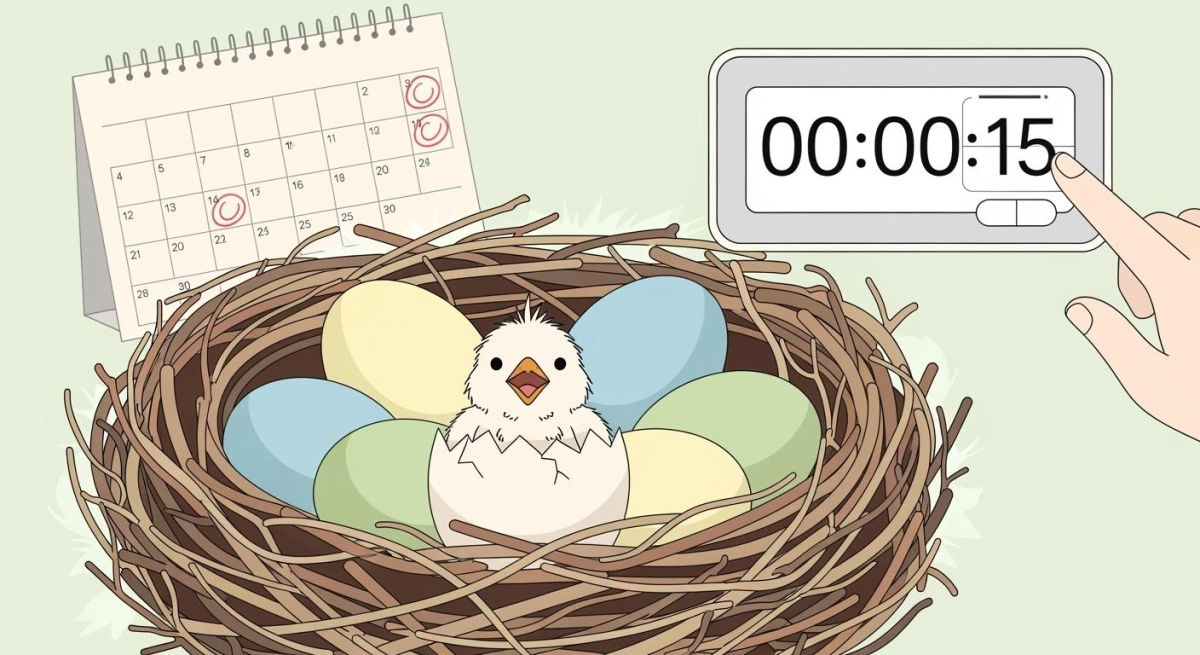
Egg incubation times vary widely by species. When you know the right timetable, you can plan care, avoid unnecessary opening, and support consistent hatches. Here is a quick table for common birds:
|
Bird Species |
Average Incubation Period |
|---|---|
|
Chickens |
21 days |
|
Turkeys |
28 days |
|
Ducks |
28 days |
|
Muscovy Ducks |
35–37 days |
|
Geese |
28–33 days |
|
16–23 days |
-
Clear timelines help you schedule turning, lockdown, and hatch checks.
-
Stable temperature and humidity protect embryo development.
Key Takeaways
-
Know each species’ incubation period and stop turning about 2–3 days before hatch (lockdown). Maintain steady temperature near 99.5°F (37.5°C) in forced-air setups, and target 45–55% RH during incubation, rising to 65–75% RH for lockdown.
Quick Guide: Egg Incubation Times
Common Backyard Birds
Popular backyard species follow predictable schedules. The table shows typical periods and when to stop turning (lockdown).
|
Species |
Incubation Period |
Stop Turning Day |
Lockdown Day |
|---|---|---|---|
|
Chicken |
21 days |
Day 18 |
Day 18 |
|
Turkey |
28 days |
Day 25 |
Day 25 |
|
Duck |
28 days |
Day 25 |
Day 25 |
|
Muscovy Duck |
35–37 days |
Day 32 |
Day 32 |
Tip: Stop turning 2–3 days before hatch. Lockdown means you increase humidity and avoid opening the incubator.
Waterfowl and Game Birds
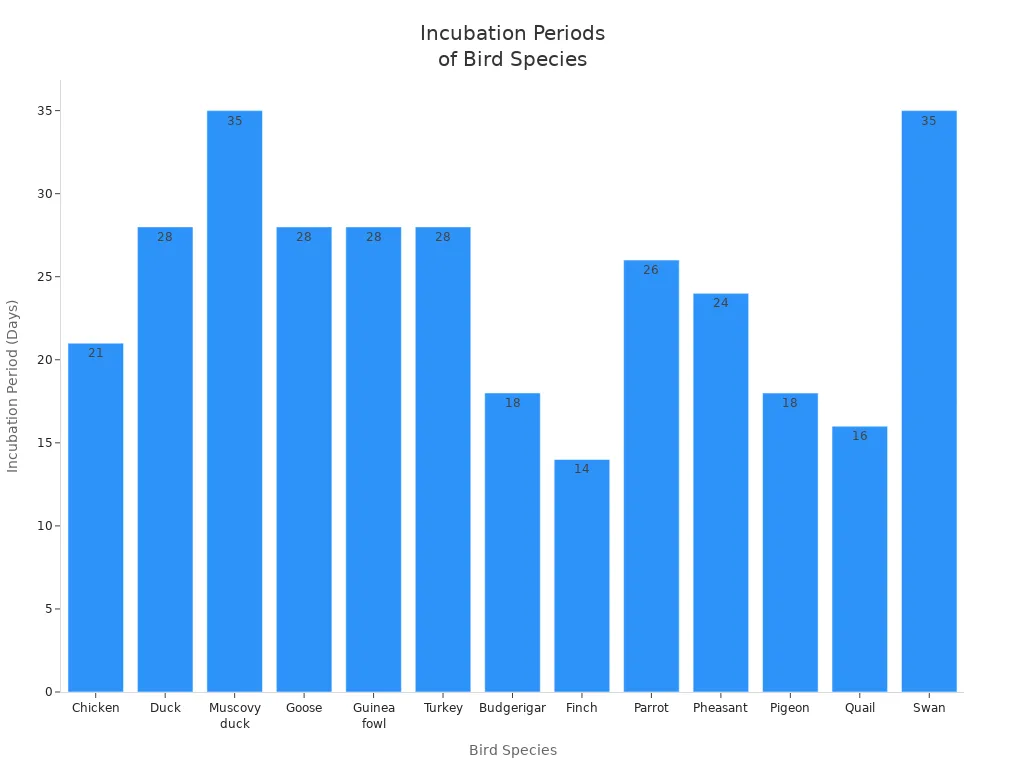
Waterfowl and game birds span wider ranges. Examples include:
-
Ducks: 28 days
-
Geese: 28–33 days
-
Ring-necked Pheasant: 23–24 days
-
Guinea Fowl: 26–28 days
Confirm the needs for your species. During the final days, raise humidity and keep the lid closed to prevent moisture loss.
Large and Exotic Birds
Emus and ostriches take much longer due to egg size and shell structure.
-
Emu: 48–52 days (stop turning ~3 days before hatch)
-
Ostrich: 42–45 days (stop turning ~3 days before hatch)
Because emu shells are dark, candling is limited. Keep temperature and humidity stable throughout.
Why Incubation Times Vary
Species and Egg Size
Egg size strongly influences duration—larger eggs take longer, smaller eggs hatch sooner. Some seabirds have notably longer periods that extend well beyond a month. Always check the recommended timetable for your species before setting eggs.
|
Findings |
Description |
|---|---|
|
Longer developmental periods |
Some species hatch later due to advanced development or environmental pressures. |
|
Temperature and duration |
Cooler eggs take longer; warmer eggs shorten the timeline within safe limits. |
Environmental Factors
Ambient conditions shift hatch timing. For domesticated poultry in a forced-air incubator, aim for about 99.5°F (37.5°C). Keep relative humidity around 45–55% RH during incubation and 65–75% RH for lockdown. Larger deviations can reduce hatch quality.
|
Factor |
Description |
|---|---|
|
Parental Strategies |
Different birds use unique behaviors to manage incubation time. |
|
Embryo Growth Rates |
Faster growth shortens incubation within species-specific limits. |
|
Temperature Control |
Stable, species-appropriate setpoints support healthy development. |
|
External Mortality Risks |
Predators and severe weather can affect timing in the wild. |
Typical Ranges and Outliers
Most birds hatch within well-known windows—from about two weeks for some game birds to several weeks or more for large or pelagic species. Outliers exist, so verify the range for your bird before setting eggs.
Egg Incubation Times by Bird Group
Chickens, Turkeys, Ducks
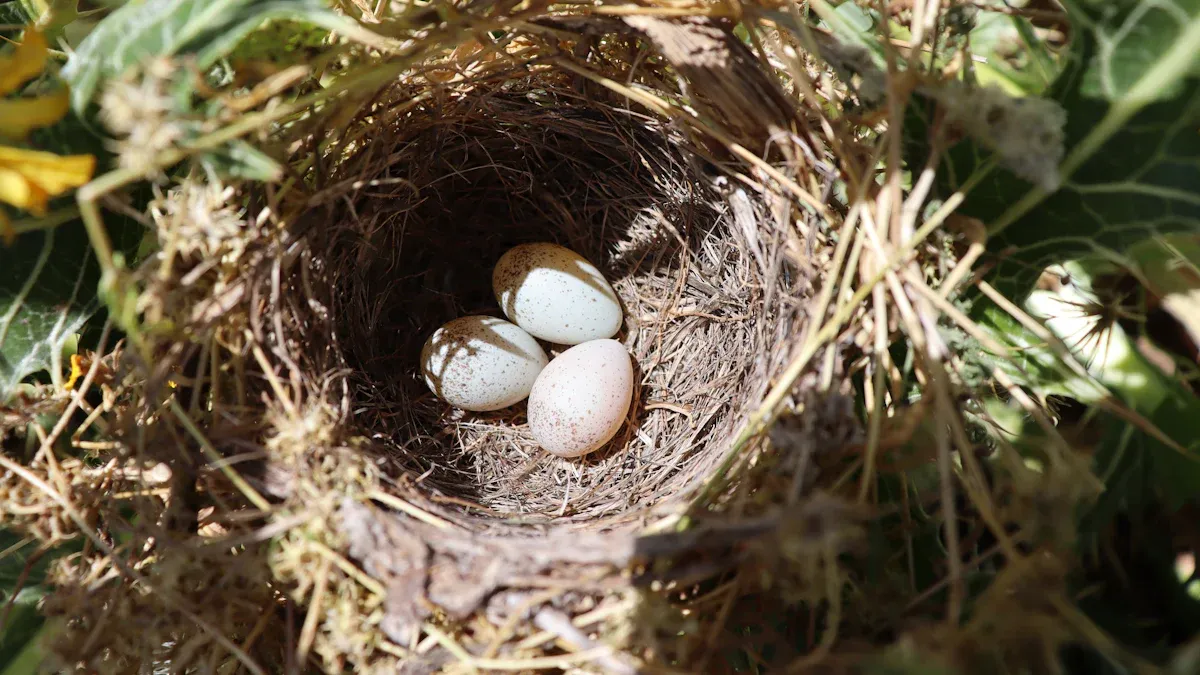
Beginners often start with chickens, turkeys, or ducks because schedules are predictable. Use the table for quick reference.
|
Bird |
Incubation Period (days) |
|---|---|
|
Chicken |
21 |
|
Turkey |
28 |
|
Duck |
28 |
|
Muscovy Duck |
35–37 |
Stop turning chicken eggs on day 18; for turkeys and ducks, stop on day 25; for Muscovy, stop around day 32. Keep humidity higher during lockdown and avoid opening the lid.
Tip: Mark the stop-turning date on your calendar and verify settings at egg height.
Quail, Pheasants, Partridges
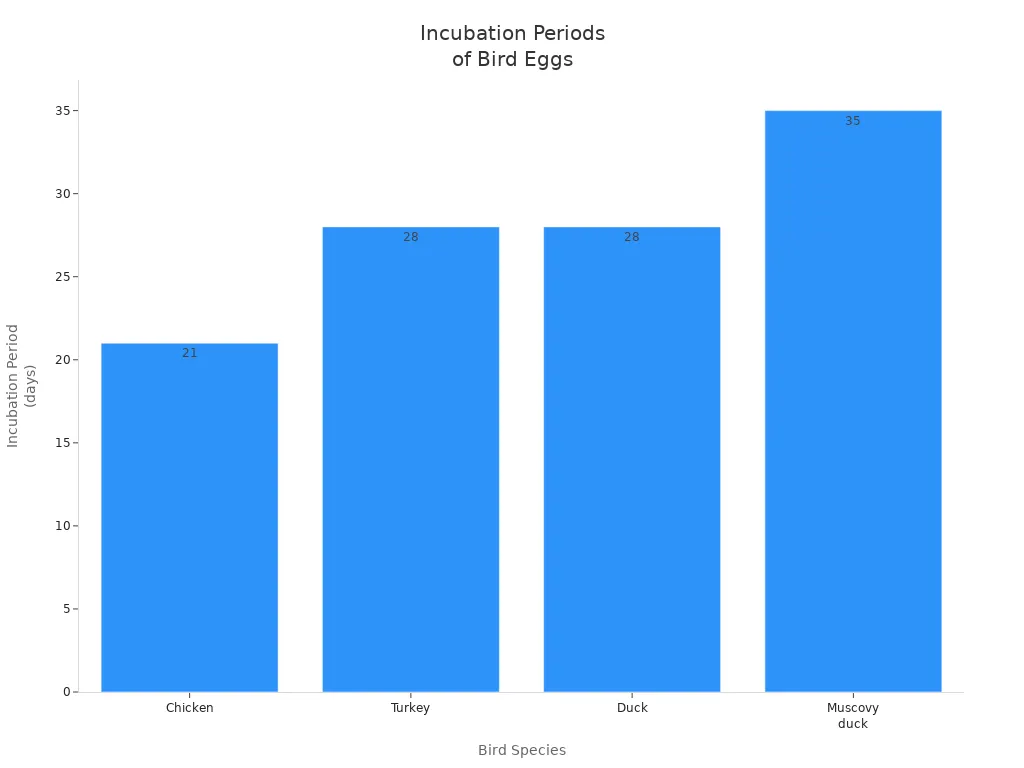
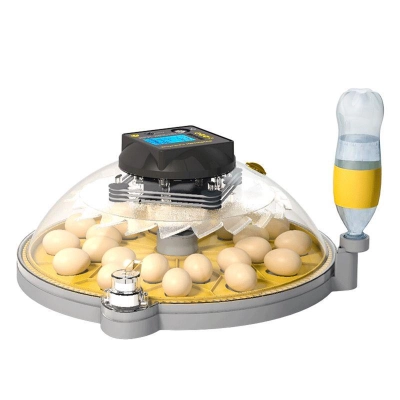
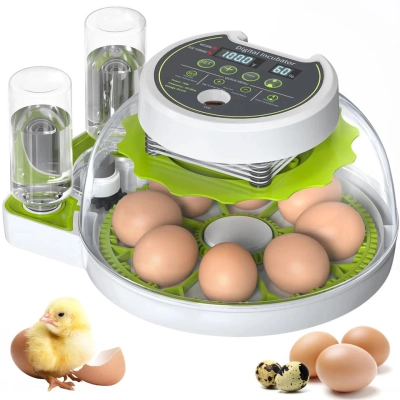
These smaller eggs develop quickly. Quail can hatch in as little as 16 days, while pheasants and partridges usually take about 23–24 days. For small batches, a compact desktop incubator keeps routines simple.
|
Bird Species |
Incubation Period |
Notes |
|---|---|---|
|
Quail |
16–18 days |
Fast hatch among common game birds |
|
Chukar |
23 days |
Store eggs only within appropriate pre-set windows |
|
Hungarian Partridge |
24 days |
Handle gently; chicks can be fragile |
|
Ring-necked Pheasant |
23–24 days |
Similar care to partridges |
Higher humidity during the last few days supports cleaner hatches. Keep the lid closed to prevent rapid moisture loss.
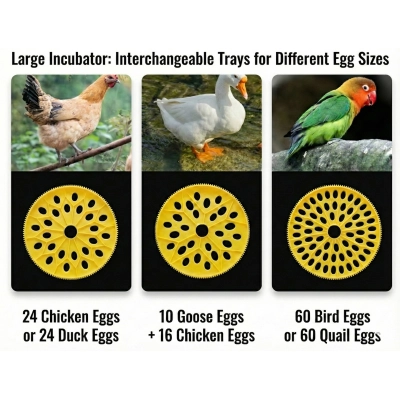
Note: For frequent, larger hatches, a higher-capacity cabinet incubator provides more trays and steadier airflow.
Geese, Guinea Fowl
These birds take longer than chickens or quail. Maintain stable temperature and humidity throughout, and raise humidity during the final three days.
|
Fowl |
Goose |
Guinea Fowl |
|---|---|---|
|
Incubation Period (days) |
28–35 |
26–28 |
|
Incubation Temperature (°C) |
37.5 |
37.6 |
|
Wet Bulb Temperature (°C) |
28.8–30 |
30–31.1 |
|
Relative Humidity (%) |
53–60 |
60–65 |
|
No of Daily Turning |
3–6 |
3–6 |
|
Incubation Temperature last 3 days (°C) |
37.3 |
37.4 |
|
Wet Bulb Temperature last 3 Days (°C) |
32.2–34.4 |
33.3–35 |
|
Relative Humidity last 3 days (%) |
70–83 |
76–90 |
Turn consistently during days 1–18 (or species equivalent), then stop for lockdown. Record results after each hatch to fine-tune your routine.
Tip: Consistent turning and steady humidity support even development and cleaner hatches.
Emu, Ostrich, Exotics
Large and exotic eggs need stable conditions for extended periods. Because some shells are hard to candle, rely on weight-loss tracking and timing.
|
Bird Species |
Incubation Period |
Unique Challenges |
|---|---|---|
|
Emu |
~50 days |
Dark shells limit candling; track weight loss |
|
Ostrich |
~42–45 days |
Requires stable temperature and humidity |
|
Rhea |
32–42 days |
Needs species-specific practices |
Adjust ventilation and humidity gradually. Avoid frequent lid openings, especially near hatch.
Alert: Exotic bird eggs can be sensitive to small environmental changes. Monitor settings closely, especially late in the cycle.
Each group follows its own timetable. Use the ranges above to plan hatch dates and set reminders for stop-turning and lockdown.
Tracking Egg Incubation and Hatch Dates
Recording and Calculating Dates
Improve success by keeping simple records: laying date, set date, expected hatch date, and actual outcomes. Mark the calendar and check progress with candling at safe intervals.
-
Write the laying date for each egg.
-
Count eggs daily to track new additions.
-
Mark the expected hatch date using the incubation period.
-
Check nests or trays for hatched eggs and record results.
Using Incubation Charts
Charts help track turning, candling, and hatch progress. Label eggs clearly to ensure even turning. Keep a chart near your digital automatic incubator to log temperature, humidity, and turning.
|
Step |
Description |
|---|---|
|
1 |
Find the hatch date using the incubation period. |
|
2 |
Write down the first day of incubation. |
|
3 |
Turn eggs 3–6 times per day or use an automatic turner. |
|
4 |
Mark eggs for even turning. |
|
5 |
Stop turning ~3 days before hatch and raise humidity for lockdown. |
Tip: Test your incubator before placing eggs. Record adjustments so your routine stays consistent.
Signs of Viable Eggs
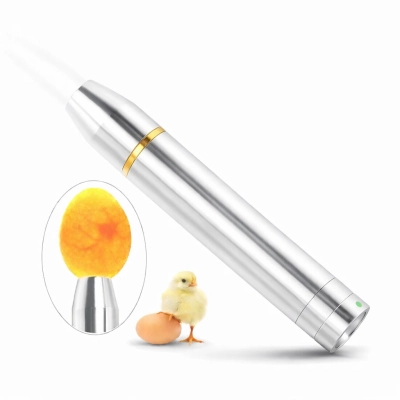
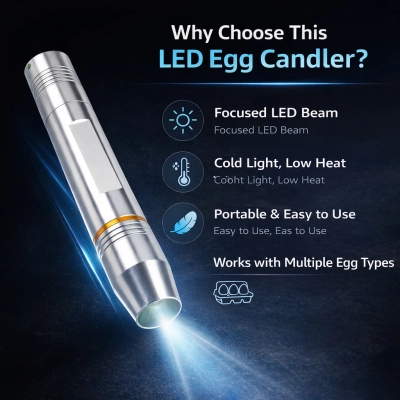
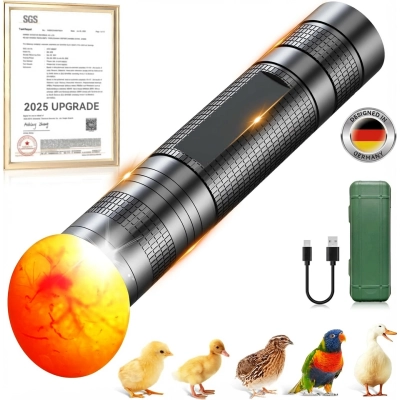
Use candling to assess development. Look for a growing network of blood vessels and appropriate movement as days progress. Avoid risky float tests that can introduce contamination or cause temperature shocks.
-
Look for blood vessels and movement with candling.
-
Use clear labeling so you can track turning angles.
-
Keep temperature near 99.5°F (37.5°C) and adjust humidity by stage.
Alert: Most poultry eggs do best at ~99.5°F (37.5°C). Aim for 45–55% RH through incubation and 65–75% RH during lockdown.
Plan your schedule around proven ranges, set reminders for lockdown, and keep notes after each hatch. This turns guesswork into a simple routine you can repeat with confidence.
FAQ
How do you know when to stop turning eggs?
Stop turning about three days before the expected hatch date (lockdown). Set a reminder to avoid missing it.
What temperature should you keep during incubation?
For most domesticated poultry, hold about 99.5°F (37.5°C) in a forced-air incubator and verify at egg height.
Can you use a regular household thermometer for incubation?
Tip: Use instruments designed for incubators and verify with a second thermometer or hygrometer for accuracy.
Data authenticity note: Timings and settings reflect industry practice, equipment manuals, and aggregated hatch logs from routine use. Species, equipment, and room conditions vary, so adjust within safe ranges for your setup. No external links are provided.
References:
1. Industry practice and field logs (multi-batch observations).
2. Equipment manuals for forced-air and still-air incubators (various models and revisions).
3. Hatchery SOPs and incubation checklists.
4. Poultry incubation texts and training materials (2015–2025 editions).


0 Comments