
You want to protect your parrot and her eggs, and to use your incubator in the safest way possible. Watch for these four urgent warning signs in your hen:
-
The hen sits at the cage bottom and will not move
-
She shows trouble breathing or gasps for air
-
Bleeding or swelling appears near the vent
-
She refuses food and water for more than 24 hours
If you see any of these, call your avian vet right away. Use your egg incubator as a tool, but always let a qualified avian vet lead the way. Prevention, daily checks, and early phone calls keep your birds safe.
Key Takeaways
-
Watch your parrot hen closely for emergency signs like severe tiredness, breathing trouble, or collapse. Call your bird vet right away if you notice them.
-
Build a long-term relationship with a trusted avian vet. Regular checkups catch health problems early and keep your parrot safer before any breeding or incubation.
-
Use your egg incubator to control the environment, but never treat it as a substitute for vet care. The incubator cannot fix health problems in your birds.
-
Keep clear notes about your incubation process and your hen’s health. These records help your vet give better advice and spot hidden risks.
-
Check your egg incubator every day for safety. Monitor temperature, humidity, and egg condition to keep a healthy environment.
-
If you see any red- or yellow-light symptoms in your hen or in the incubator, pause or stop incubation and talk to your bird vet before doing anything else.
-
Prepare for vet visits by bringing health history and incubation records. Good information helps your vet make the safest decisions.
-
Always put your parrot’s health and your family’s safety first. Acting quickly and getting expert help can prevent serious problems during incubation.
Vet-First Safety for Parrot Egg Incubators
Safety Disclaimer:
This article is not a substitute for avian vet care. If your parrot seems sick, in pain, or unusually quiet, call your avian vet right away. Waiting to get help can be dangerous for your birds and your family. This guide is provided by Eggbloom as an incubator supplier and is compiled from avian veterinary and breeding references to help home users match their incubator use with vet-first care.
Why Build a Relationship with an Avian Vet
You should find a trusted avian vet before starting any parrot egg incubator project. Regular checkups help you spot health problems early. Birds often hide when they are sick, so you might not see problems until they get worse. Your avian vet can give your parrot a full health check, including screening blood work and checking for parasites. These steps help keep your bird healthy before you use the incubator. During visits, your vet can also trim wings, beaks, and nails. This helps prevent injuries and keeps your parrot safe and comfortable during incubation.
Benefits of regular avian vet checkups:
-
Find hidden health problems early
-
Prevent sickness with vaccinations and parasite checks when appropriate
-
Trim wings, beaks, and nails safely
-
Get tailored advice about food, housing, and breeding plans
Whenever possible, ask an avian vet with experience in psittacine birds to look over your parrot egg incubator plans. This helps protect your birds and gives you a better chance for success.
Early Signs of Parrot Health Issues
Some parrot diseases are hard to see and can hurt egg safety. Egg binding is a common problem, especially for budgerigars and cockatiels. This can cause pain, swelling, and even death if not treated fast. Soft-shelled eggs and other problems can also hurt your parrot and your parrot egg incubator project.
Look for these warning signs:
-
The hen sits at the cage bottom and does not perch
-
She has trouble breathing or gasps for air
-
There is swelling, bleeding, or straining near the vent
-
She will not eat or drink for more than a day
If you see any of these, stop your incubation plan and call your avian vet. Only a vet can find and treat these problems. Do not try to fix medical issues at home. Your parrot is a patient, not just part of the incubation process.
What Egg Incubators Can and Cannot Fix
A parrot egg incubator helps control the environment for your eggs. It keeps the temperature, humidity, air flow steady and can turn the eggs. This makes good conditions for incubation. But a parrot egg incubator cannot treat sickness, pain, or internal problems in your birds. If your parrot seems sick, you must treat her as a patient and get help from a vet.
|
What a Parrot Egg Incubator Can Do |
What a Parrot Egg Incubator Cannot Do |
|---|---|
|
Keep eggs warm and humid |
Find or treat sickness |
|
Turn eggs on a schedule |
Fix egg binding or other internal problems |
|
Give steady air flow |
Take the place of a vet |
|
Help you track incubation |
Stop or cure infections |
Use your parrot egg incubator as a tool, not as a replacement for expert care. Always keep notes about your incubation and share them with your avian vet. If you have problems during incubation, pause and call your vet for help. Your vet can tell you if you should keep going or stop your parrot egg incubator project for now.
Parrot Hen Red Flags: When to Call Your Vet

When you look after a parrot hen and her eggs, you need to watch for warning signs. Some symptoms mean you should call your avian vet right away. Other signs mean you should plan a checkup soon. Never try to fix health problems at home. Your egg incubator helps with the environment, but only a qualified avian vet can treat health issues.
Acute Emergency Signs
Some symptoms show your parrot hen needs help fast. If you see these signs, stop your incubation plan and call your avian vet right away. Do not wait or try to fix the problem yourself.
Emergency symptoms include:
-
Seizures
-
Trouble breathing or gasping for air
-
Weakness or collapse
-
Bleeding or swelling near the vent
-
Sitting at the cage bottom and not moving
-
Vomiting or diarrhea
-
Ataxia (loss of balance)
-
Melena (dark, tarry stool)
-
Hematuria (blood in urine)
-
Yellow or green urine
Alert:
If your parrot hen shows any emergency signs, stop using the egg incubator and call your avian vet. Only your vet can decide if you can keep incubating.
Chronic Warning Signs
Some problems are not emergencies, but they still hurt your hen’s health and the eggs. Watch for these signs and plan a vet visit soon. Chronic problems can make it harder for eggs to hatch.
Chronic warning signs include:
-
Weight loss
-
Poor feather condition
-
Laying soft-shelled or misshapen eggs
-
Paralysis or broken bones
-
Peritonitis (infection in the belly)
-
Internal adhesions
-
Weakness, anorexia, or depression
If you see these signs, pause your incubation plan. Ask your avian vet to check your hen before you start again. Chronic health problems can cause failed incubation or sick chicks. Your egg incubator cannot fix these problems.
History of Egg Binding or Illness
If your parrot hen has had egg binding or other sickness before, you need to be extra careful. Egg binding means the hen cannot lay her egg. This can cause pain, swelling, and even death. Past problems with egg binding, infections, or not enough nutrients make future incubation risky.
What to do:
-
Write down any history of egg binding, infections, or long-term illness.
-
Share this with your avian vet before you start a new incubation cycle.
-
Ask your vet if your hen is healthy enough for breeding and incubation.
Tip:
Always keep notes about your hen’s health and past problems. Your avian vet needs this information to help you make safe choices about using your egg incubator.
Decision Table: What Should You Do Next?
You can use this table to help you decide what to do if you see symptoms in your parrot hen. Always follow your avian vet’s advice.
|
Symptom Category |
Examples (Not All) |
What to Do |
Incubation Status |
|---|---|---|---|
|
🚨 Red Light |
Seizures, breathing trouble, bleeding, collapse |
Call avian vet immediately |
Stop incubation |
|
⚠️ Yellow Light |
Weight loss, poor feathers, soft eggs, chronic weakness |
Schedule vet visit soon |
Pause incubation |
|
✅ Green Light |
Minor changes, no emergency or chronic signs |
Consult vet by phone, keep records |
Continue with routine checks |
Note:
If you are not sure, always ask an avian vet you trust. Only your vet can tell you if you should keep going, pause, or stop using your egg incubator.
Remember, your egg incubator is just a tool for safe incubation. It cannot take the place of expert care. You should check your birds every day, keep good records, and get ready for vet visits. If you see any red or yellow light symptoms, stop or pause incubation until your avian vet says it is safe.
Egg Incubator Plans That Need Vet Approval
Disease Risks Before Incubation
You must check for disease risks before starting any egg incubator project. Some diseases, like Psittacosis or Polyoma, spread fast and can hurt birds and people. Even if your parrot looks fine, she might still have germs that can affect incubation. Always ask an avian vet to check your birds for infections before you begin. This step keeps your flock and your family safe.
Checklist for your vet visit:
-
Recent weight changes in your birds
-
Diet and supplement details
-
Lighting schedule and changes
-
Last disease screening date
-
Past incubation records
Tip:
Bring all your notes and records to your avian vet. This helps your vet know if your birds are ready for safe incubation.
High-Risk or Rare Parrot Eggs
Some parrot eggs need extra care and vet approval before using an egg incubator. High-risk eggs come from old, weak, or rare birds. Rare species, like the Mauritius parakeet (Psittacula eques) and the Orange-bellied parrot (Neophema chrysogaster), need special attention. These eggs often need very exact incubation conditions and the best environment to survive.
High-risk egg incubation plans include:
-
Eggs from rare or endangered species
-
Eggs from elderly or underweight hens
-
Eggs from birds with a history of illness
-
Eggs from pairs with past failed incubation
If you want to incubate these eggs, call your avian vet first. Only your vet can set the right incubation conditions and help you make the best environment. Never try to change the egg incubator settings for rare eggs without expert advice.
Information to prepare for your vet:
-
Age and health history of parent birds
-
Weight and diet changes
-
Lighting and housing details
-
Previous incubation outcomes
Repeated Incubation Failures
If you have tried incubation more than once and failed, you need vet approval before trying again. Repeated failures can mean hidden health problems, bad incubation conditions, or problems with the egg incubator. Your avian vet can look at your records and help you find the cause.
What to bring to your vet:
-
All past incubation records
-
Details about temperature and humidity settings
-
Notes on egg turning and air flow
-
Any signs of embryo death or weak chicks
Alert:
Your avian vet should decide if you should try incubation again. Do not change your egg incubator or incubation conditions without professional help when failures keep happening.
Decision Table: When to Call Your Avian Vet
|
Situation |
What You Should Do |
Next Step |
|---|---|---|
|
Disease risk or unknown health status |
Call your avian vet |
Wait for vet approval |
|
High-risk or rare parrot eggs |
Ask an avian vet for guidance |
Follow vet instructions |
|
Repeated incubation failures |
Bring records to your avian vet |
Get a full assessment |
You keep your birds safe and improve your chances when you follow a vet-first plan. Always keep your records up to date and share them with your avian vet before starting any high-risk egg incubator plan.
Manual Egg Removal or Older Hens
If you want to incubate eggs from older hens or think about taking eggs out by hand, there are more risks. You should always talk to an avian vet before you begin. Older hens might have health problems you cannot see. Taking eggs out by hand can hurt or stress your bird. Only your avian vet can say if your hen is healthy enough for incubation or if it is safe to remove eggs by hand.
You might believe that taking eggs out by hand will help with difficult eggs, but it can cause big problems. Older hens often have weaker muscles and less calcium in their bodies. These things make egg binding and other problems more likely. If you try to take eggs out yourself, you could injure your hen or cause an infection. Never try to remove eggs by hand at home.
Trying to incubate eggs from older hens or using manual egg removal can also put chicks in danger. Parent birds might hurt or eat their chicks if they feel scared or stressed. Birds that are too young or have laid eggs too many times may act in harmful ways. If the parents do not get enough good food, both they and the chicks can become weak or sick. This makes it more likely that chicks will die or that incubation will not work.
Alert:
If you see your hen having trouble laying eggs, sitting at the bottom of the cage, or looking upset, stop your incubation plan. Call your avian vet right away. Only your vet can check what is wrong and tell you what to do next.
You should write down details for every time you incubate eggs. Keep track of your hens’ ages, their health, and any problems during egg laying. Share these notes with your avian vet before you start a new incubation project. Good records help your vet find risks and help you have better results.
Here is a simple checklist for high-risk incubation:
-
Is your hen older than most breeding hens?
-
Has she had problems laying eggs before?
-
Are you thinking about taking eggs out by hand?
-
Have you seen your hen stressed or sick?
-
Do you have an avian vet to help you?
If you answer yes to any question, stop your incubation plan. Ask your avian vet for a full health check and advice. Never try to take eggs out by hand or do risky incubation without a vet’s help.
|
Situation |
What You Should Do |
Next Step |
|---|---|---|
|
Older hen or manual egg removal |
Call your avian vet |
Wait for vet assessment |
|
Signs of stress or illness |
Stop incubation, call vet |
Follow vet instructions |
|
No vet supervision |
Do not proceed |
Find an avian vet |
Incubating eggs can be fun and rewarding, but safety comes first. Always let your avian vet guide you. Careful planning and listening to your vet give you the best chance for healthy chicks.
Parrot Egg Incubator Setup and Monitoring
Choosing the Right Egg Incubator
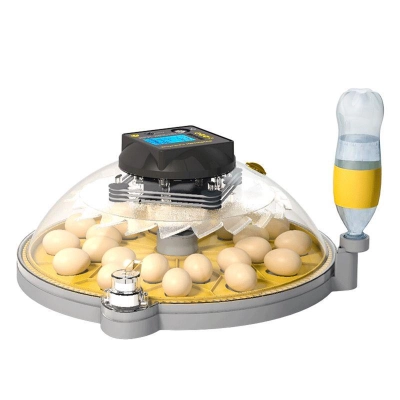
You want your parrot eggs to have the best chance. Pick an egg incubator with features that help eggs grow well. For most home keepers, a small desktop egg incubator designed for pet birds and parrot eggs is easier to manage and monitor. Look for these important things:
-
The egg incubator should keep the temperature steady at about 37.3°C to 37.5°C (around 99–99.5°F). This helps embryos grow safely.
-
The egg incubator needs to turn eggs many times each day. Frequent, gentle turning stops embryos from sticking to the shell.
-
Choose an egg incubator that is simple to clean and disinfect. Smooth, easy-to-wipe surfaces help stop germs from spreading.
-
A water tray helps control humidity. This keeps the air moist enough for the eggs.
-
The egg incubator should have a fan for good air flow. Air flow helps prevent hot or cold spots from forming.
-
A reliable thermometer and humidity gauge let you check the conditions any time you want.
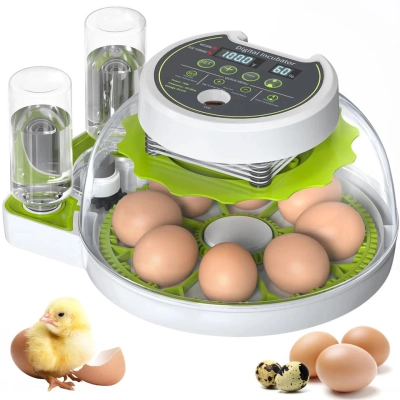
If you are not sure which egg incubator to buy, ask your avian vet and consider a compact automatic model such as a digital egg incubator that can hold around two dozen small eggs. Your vet can help you pick the right one for your birds and your home.
Temperature and Humidity Control
You must check temperature and humidity every day. Parrot eggs need stable conditions to hatch well. Use these guiding ranges and always compare them with your incubator manual and vet’s advice; they are summarized from avian incubation and poultry embryology references and are meant as broad safety ranges, not strict rules for every species:
-
Forced-air egg incubators usually work best around 99–99.5°F (about 37.2–37.5°C).
-
Still-air egg incubators often need a slightly warmer zone, close to 100–101°F.
-
As hatching starts, some keepers make a small drop to about 98.5–99°F if the vet and equipment instructions recommend it.
-
Some technical guides use wet-bulb values around 82°F. In practice, aim for relative humidity in the mid-60% range unless your vet says otherwise.
-
Rain forest parrots often do well around 65%–70% relative humidity.
-
Parrots from drier regions may be more comfortable at about 60%–65% relative humidity.
Check the temperature and humidity at least two times a day and write down the numbers in your incubation log. If you see large or repeated changes that you cannot explain, call your avian vet for help instead of making big adjustments on your own.
Tip:
Put the thermometer and humidity gauge at egg level. This gives you the most accurate readings for your eggs.
Daily Safety Checks
You must check your egg incubator every day to keep eggs safe. Follow these steps:
-
Handle eggs gently so you do not crack or break them.
-
Clean the egg incubator after each hatch. Take out shells and membranes, wipe all surfaces, and let it dry.
-
Calibrate sensors often. Correct readings help you find problems early.
-
Disinfect the egg incubator after every hatch. This keeps germs away from new chicks.
-
Wipe down the egg incubator and let it dry before starting again.
Use a checklist to keep track of your daily safety checks. Share your notes with your avian vet during visits. If you see anything strange, like mold, bad smells, or broken sensors, stop incubation and call your avian vet. Only your vet can check for risks and tell you what to do next.
|
Daily Safety Check |
Action Needed |
When to Call Your Vet |
|---|---|---|
|
Temperature or humidity out of range |
Write it down and correct gently |
If changes are large, repeat, or you are unsure |
|
Cracked or leaking eggs |
Remove affected eggs, note details |
Right away |
|
Sensor errors |
Calibrate and compare with backup tools |
If readings stay wrong |
|
Signs of mold or odor |
Clean and disinfect the incubator |
Before starting or continuing incubation |
You help your birds and get better results when you follow these steps and talk to your avian vet.
Record-Keeping for Incubation
Good record-keeping helps you and your avian vet keep your parrot eggs safe. When you write down what happens each day, you spot problems early. You also give your vet the facts they need to help you make the best choices.
Why keep incubation records?
-
You track changes in temperature and humidity.
-
You notice patterns in egg turning and hatching.
-
You catch problems before they get worse.
-
You help your avian vet find the cause of any issues.
Tip:
Bring your records to every vet visit. Your avian vet can use your notes to check for risks and give you better advice.
What Should You Record?
You should keep a daily log. Write down the most important details. Use a notebook, a spreadsheet, or a printed chart. Here are the key things to track:
-
Date and time of each check
-
Temperature and humidity readings
-
Egg turning schedule and method
-
Any changes in egg appearance (cracks, color, leaks)
-
Signs of mold, odor, or other problems
-
Notes about the hen’s health or behavior
-
Any advice or instructions from your avian vet
Sample Incubation Record Table
|
Date |
Temp (°C) |
Humidity (%) |
Egg Turning |
Egg Condition |
Hen Health |
Vet Contacted? |
Notes |
|---|---|---|---|---|---|---|---|
|
2024-06-01 |
37.4 |
65 |
Yes |
Normal |
Active |
No |
All normal |
|
2024-06-02 |
37.3 |
66 |
Yes |
Small crack |
Eating |
Yes |
Called vet, advice given |
You can print a table like this or make your own. Fill it out every day. If you see a problem, write it down and call your avian vet.
How Records Help Your Vet
Your avian vet uses your records to:
-
Check if the egg incubator settings stay safe
-
Find out if problems happen at the same time each day
-
Decide if you need to change your plan or stop incubation
-
Give you advice based on real data, not guesses
Alert:
If you see sudden changes in temperature, humidity, or egg condition, stop and call your avian vet. Your vet can decide with you what to do next.
Decision Table: When to Call Your Vet
|
Situation |
What to Do |
|---|---|
|
Sudden drop in temperature |
Call your avian vet |
|
Mold or bad odor in incubator |
Call your avian vet |
|
Cracked or leaking eggs |
Call your avian vet |
|
Hen stops eating or looks sick |
Call your avian vet |
Keep your records up to date. Share them with your avian vet at every visit. Good records help you protect your birds and improve your chances for healthy chicks.
At-Home Egg Incubator Safety Checklist
Ten Daily Checks for Parrot Owners
You want your parrot eggs to stay safe. Use this checklist every day to help your egg incubator work well and keep your eggs healthy:
-
Make sure the egg incubator power is steady.
-
Check that backup power is ready if the power goes out.
-
Write down the temperature and humidity two times each day.
-
Look for cracks, leaks, or broken parts on the egg incubator.
-
Check that the egg incubator is clean and does not smell bad or have mold.
-
Make sure the egg turning part works right.
-
The room should have fresh air and not be too hot or cold.
-
Keep the egg incubator away from the kitchen, pets, and kids.
-
Look at your incubation log for anything strange or different.
-
Keep your avian vet’s phone number and last checkup dates close by.
Tip:
Before you start, fill out a pre-incubation checklist. Write down if the power is working, if backup power is ready, and if you have temperature and humidity tools. Check if the room has good air and if your avian vet has checked your birds for sickness. If you cannot answer any question, call your avian vet before you begin.
When to Observe, When to Call
Some problems with your egg incubator can be watched at home. Others need a vet’s help right away. Use this table to help you decide what to do:
|
Issue |
Can be Monitored at Home |
Requires Immediate Veterinary Attention |
|---|---|---|
|
General incubation issues |
Yes |
No |
|
Egg binding |
No |
Yes |
If you see small changes in temperature or humidity, you can watch and write them down. If you think your hen has egg binding or see her sitting at the cage bottom, straining, or looking upset, stop incubation and call your avian vet right away.
Alert:
Your avian vet should decide if you should keep going or stop incubation when you see warning signs.
What Not to Do at Home
Never try risky things at home. Stay away from these mistakes:
-
Do not try to take eggs out of the hen by yourself.
-
Do not give medicine or supplements unless your avian vet says it is okay.
-
Do not change the egg incubator settings a lot without asking your vet.
-
Do not ignore signs that your birds are sick or upset.
-
Do not try any medical procedures or home cures.
Note:
Your job is to make a safe place, keep good records, and follow the best steps for incubation. Always call your avian vet if you have questions or see something strange. Your egg incubator is just a tool, but your avian vet is the best person to help you keep your eggs and birds safe.
Incubation Problems: Stop and Call Your Vet
When you use an egg incubator for parrot eggs, you want every chick to hatch healthy. Sometimes, problems happen during incubation that you cannot fix at home. If you see embryo deaths, deformities, weak chicks, or high chick mortality, you must stop your DIY efforts and call your avian vet. Only an avian vet can find the cause and help you protect your birds.
Embryo Deaths and Deformities
Embryo deaths and deformities are serious warning signs during incubation. You may notice that some eggs stop developing, or you might see chicks with abnormal shapes after hatching. These problems often point to hidden issues with nutrition, temperature, or the health of the parent birds.
Common causes of embryo deaths and deformities include:
-
Not enough vitamin A can hurt the heart and blood vessels. This can cause chicks to die in the first three days.
-
If there is not enough vitamin D, bones can twist or chicks get stuck. They often die around day 18 or 19.
-
Without enough vitamin E, chicks may bleed or have heart failure. This usually happens in the first four days.
-
Low thiamin (vitamin B1) can cause many chicks to die early. Sometimes, there are no clear signs.
-
Not enough biotin can cause chicks to die at the end of incubation. They may have bone problems and bleeding.
You may also see physical deformities, such as:
-
Beak problems can happen from bad nutrition or genetics.
-
Small or missing eyes often come from high temperatures in the egg incubator.
-
Exposed brain or intestines are usually caused by heat spikes during incubation.
-
Crooked necks may be from genetics or poor nutrition.
Alert:
If you see any of these problems, stop your incubation project and call your avian vet. Do not try to fix these issues at home. Only your vet can find the real cause and help you decide what to do next.
Weak Chicks and High Mortality
Weak chicks and lots of deaths after hatching mean something is wrong. Many things can cause these problems, like poor nutrition, temperature changes, or sick parent birds.
The table below summarizes how different nutrients are reported to affect chick health during incubation in avian veterinary and poultry nutrition references; it is a high-level risk guide, not a dosing chart:
|
Nutrient |
Effects on Chicks |
|---|---|
|
Thiamine (B1) |
High embryo death, chicks born without eyes, nerve problems |
|
Riboflavin (B2) |
Death at certain days, stunted growth, poor feathers |
|
Niacin (B3) |
Weak muscles, nerve issues, deaths at days 8-14 |
|
Pantothenic acid |
Deaths at certain days, twisted legs, poor feathers |
|
Pyridoxine (B6) |
Poor growth, deaths at days 8-14 |
|
Biotin (B7) |
High death rate, bone deformities, slipped tendon |
|
Folic acid (B9) |
Death at day 20, bent legs, beak problems |
|
B12 |
Death at days 16-18, leg weakness, bleeding |
|
Vitamin D |
Death at days 18-19, soft bones, rickets |
|
Vitamin E |
Early death, heart failure, eye problems |
|
Vitamin K |
Bleeding in embryos and membranes |
|
Calcium |
Thin shells, stunted growth |
|
Copper |
Blood problems, deaths at day 3 |
|
Fatty acids |
Slow growth, chicks in wrong position in egg |
|
Iodine |
Late hatch, belly not closed |
|
Iron |
Low red blood cells, poor blood flow |
|
Manganese |
Death before hatch, dwarfism, head problems |
|
Phosphorus |
Bad bone growth, stunted chicks |
|
Protein |
Beak and limb deformities |
|
Zinc |
Weak chicks, spine problems |
Other important factors include:
-
Keep the right temperature in your egg incubator at all times.
-
Use healthy parent birds with good genetics.
-
Make sure the parent birds eat a balanced diet before and during incubation.
Tip:
If you see many weak chicks or a high number of deaths, stop using your egg incubator and call your avian vet. Do not try to fix this by adding random supplements or making big diet changes on your own. Only your vet can check your records and help you find the cause, including reviewing nutrition, housing, and incubator settings.
Reporting Issues to Your Vet
When you call your avian vet about incubation problems, you help them by sharing clear and complete information. Good records make it easier for your vet to find the cause and give you the best advice.
Checklist: What to Prepare for Your Vet
-
Dates when you put eggs in the egg incubator
-
Expected hatch dates for each batch
-
Daily temperature and humidity records from your egg incubator
-
Number and timing of failed embryos or deformed chicks
-
Notes about the health and diet of the parent birds
-
Any changes in the egg incubator settings or environment
Note:
Never try to open eggs, give medicine, or do any medical procedures at home. Only your avian vet can do these safely.
Decision Table: What Should You Do Next?
|
Problem Observed |
What You Should Do |
Next Step |
|---|---|---|
|
Embryo deaths or deformities |
Call your avian vet |
Stop incubation, prepare records |
|
Weak chicks or high mortality |
Call your avian vet |
Stop incubation, prepare records |
|
Unsure about cause of problem |
Call your avian vet |
Wait for vet instructions |
You play a big part in keeping your birds safe by using your egg incubator the right way and keeping good records. When you see major problems during incubation, always stop and call your avian vet. Your vet will guide you through the next steps and help you protect your birds and future chicks.
Quick Reference: Parrot Egg Incubator Vet-First Checklist
Red, Yellow, Green Safety Chart
This chart helps you know when to call your avian vet. Always pick safety for your parrot and her eggs.
|
Status |
What You See |
What You Should Do |
|---|---|---|
|
🟥 Red |
The hen sits at the bottom, has trouble breathing, is bleeding, will not eat or drink for over a day, eggs are cracked or leaking, temperature or humidity drops fast, or you see mold or smell something bad |
Stop incubation. Call your avian vet right away. |
|
🟨 Yellow |
Your parrot is losing weight, has messy feathers, lays soft eggs, there are small changes in temperature or humidity, she had egg binding before, or she seems weak for a long time |
Pause incubation. Plan a vet visit soon. |
|
🟩 Green |
There are no warning signs, the incubator works well, your hen looks healthy, the area is clean, and your records are up to date |
Keep checking every day. Have your vet’s number ready. |
Tip:
If you are not sure what to do, call your avian vet. Your vet can tell you if you should keep going or stop.
Zoonotic Disease Alerts
Some diseases can move from birds or eggs to people. Keep your family safe by cleaning the incubator and using good hygiene.
|
Disease |
How It Spreads |
What You Should Watch For |
|---|---|---|
|
Chlamydiosis |
Breathing in dust from droppings or nose fluids |
Feeling like you have the flu, cough, fever |
|
Salmonellosis |
Touching chicks or eggs, or droppings |
Stomach pain, diarrhea, throwing up |
|
Colibacillosis |
Touching dirty surfaces or animal skin |
Fever, upset stomach, signs of infection |
Alert:
Wash your hands after touching eggs, chicks, or the incubator. Wear a mask and gloves when you clean. If anyone feels sick after being near birds, tell your doctor about your birds and call your avian vet for help.
Emergency Contacts and Records
Keep these phone numbers and records where you can find them. Update them often.
-
Your avian vet’s phone number (for example: 03 9808 9011)
-
Local vet clinic number
-
Emergency center number for nights or weekends
-
Date of your bird’s last health check
-
Date of last disease screening
-
Start and end dates for each batch of incubation
-
Notes about any problems or advice from your vet
Reminder:
Put this information close to your incubator. Bring your records to every vet visit. Good records help your avian vet keep your birds safe.
Watch for these four urgent signs that mean you should call your avian vet right away:
-
Lethargy
-
Sitting at the bottom of the cage
-
Straining or trouble laying eggs
-
Swollen vent area
You protect your birds best when you follow vet-first protocols and check your incubator every day. Keep emergency contacts and records close. Share updates with your avian vet.
Always put your parrot’s health and your family’s safety first. Your avian vet is your best partner for a safe and successful incubation. As your flock grows or you start managing several clutches at once, you may decide to move from a small desktop unit to a larger cabinet-style incubator designed for higher-capacity hatching so you can keep conditions stable without constant adjustments.
FAQ
What should you do if your parrot egg incubator alarm goes off?
Check the temperature and humidity right away. Write down any changes in your log. If you cannot fix the problem or the alarm keeps sounding, call your avian vet for advice.
Can you use a chicken egg incubator for parrot eggs?
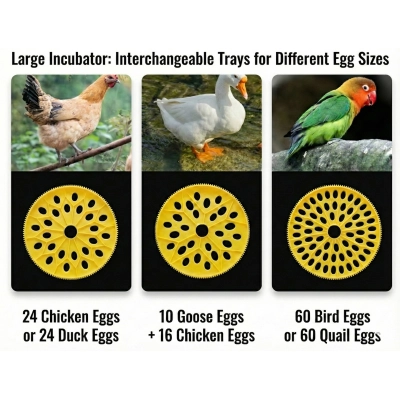
You should not use a chicken egg incubator for parrot eggs. Parrot eggs often need different temperature and humidity settings. Ask an avian vet to help you choose the right incubator, such as a multi-tray automatic incubator that can handle small bird and quail eggs safely.
How often should you check parrot eggs in the incubator?
Check your parrot eggs at least twice a day. Record temperature, humidity, and egg condition each time. If you see anything unusual, call your avian vet.
What if you see mold or a bad smell in the incubator?
Stop incubation and clean the incubator. Mold or bad smells can harm eggs and chicks. Call your avian vet before starting a new batch.
When should you call your avian vet during incubation?
Call your avian vet if you see any red flag signs: the hen sits at the bottom, has trouble breathing, bleeds, or refuses food and water. Also call if you notice cracked eggs, sudden temperature drops, or weak chicks.
Can you help a chick hatch if it is struggling?
Do not try to help a chick hatch at home. Helping can cause harm or infection. Your avian vet can decide if intervention is safe or needed.
Data authenticity note: The safety guidance, symptom lists, incubation ranges, and nutrient effects in this article are drawn from avian veterinary practice; companion bird medicine texts that cover psittacine reproduction and incubation; psittacine breeding and incubation handbooks; poultry embryology and nutrition guidelines from animal-science organizations; modern egg-incubator equipment manuals; and long-term breeder and rescue case logs. They are meant to support, not replace, the individual advice of your own avian veterinarian and the instructions for your specific incubator model.
References
-
Companion bird and avian medicine reference handbooks that discuss psittacine reproductive disorders and incubation management
-
Parrot and small psittacine egg incubation, hatchery management, and brooder equipment manuals supplied with professional and home incubators
-
Poultry and psittacine breeder incubation logs, hatch-rate summaries, and post-mortem case reviews collected over multiple breeding seasons
-
Zoonotic disease and biosecurity guidance issued by veterinary and public health organizations for people working with birds, eggs, and chicks


0 Comments