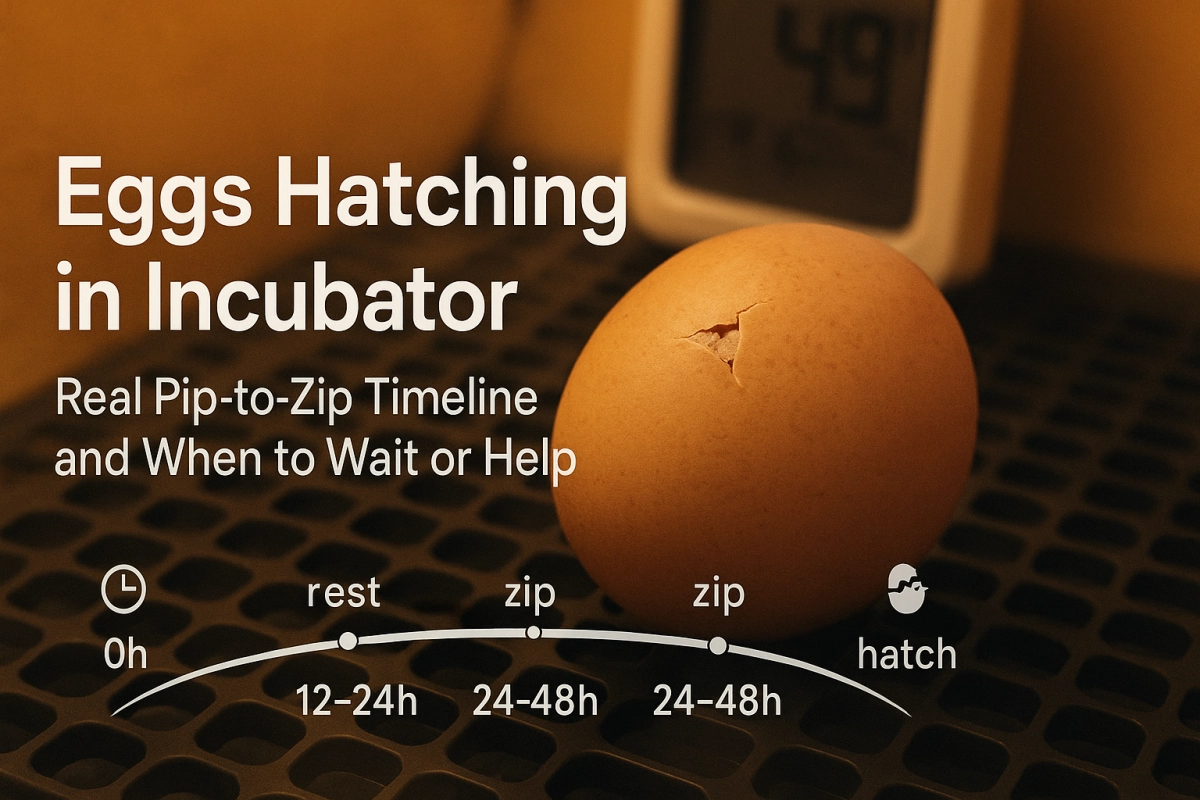
Watching eggs hatching in incubator brings both excitement and nerves. You may notice that most chicks hatch without help. From the first external pip to zip, common timelines are about 6–24 hours, with occasional fast cases (≈3–6 hours) and slow cases (≈36–48 hours) depending on conditions and chick position. Hatch rates often reach 50% to 80% under good conditions, and careful settings plus patience usually lead to better outcomes.
Key Takeaways
-
Learn about the 21-day incubation timeline. Each week is important for chick growth.
-
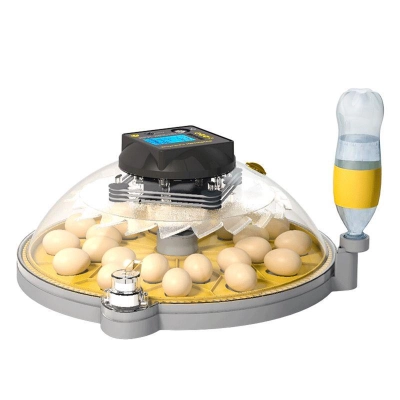
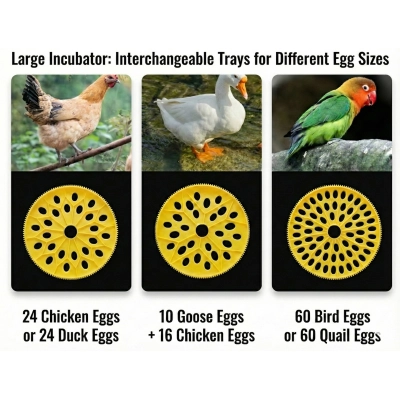
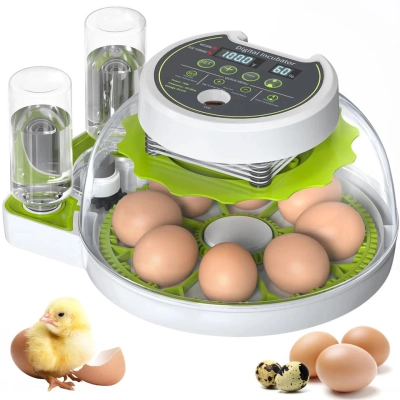
Keep the temperature and humidity steady. For small eggs and mixed clutches, an automatic egg incubator — 3 trays for birds and quail keeps spacing even and humidity stable. A typical target is 99.5°F (forced-air). During lockdown, hold ≈65–75% RH and avoid sudden drops.
-
Be patient while chicks hatch. Most chicks can hatch alone if conditions are good.
-
Know when to help a chick. Wait at least 12 hours after an external pip before considering assistance.
-
Watch the environment carefully. Changes in temperature, humidity, or ventilation can hurt hatching.
21-Day Hatching Eggs Timeline
Standard Incubation Period
When you incubate hatching eggs, you follow a timeline that lasts about 21 days. Each stage brings important changes for the developing chick. Here are the key milestones:
-
Days 1-7: The embryo starts to grow. Essential organs begin to form.
-
Days 8-14: The chick grows quickly. You can see features that look like a chick.
-
Days 15-18: The chick finishes developing bones, feathers, and organs. You stop turning the eggs.
-
Days 19-21: The hatching phase begins. Chicks break through their shells and emerge.
Most breeds follow this 21 days schedule. Silkies, bantams, and standard eggs often hatch at the same time. Serama eggs may hatch a little earlier because they are smaller. You can expect similar timing for most hatching eggs.
Day 18 Lockdown
Lockdown starts on day 18. You need to make several changes to help the chicks hatch safely:
-
Make the incubator base non-slip so chicks do not hurt themselves.
-
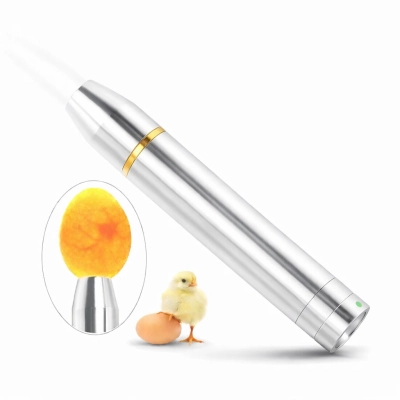
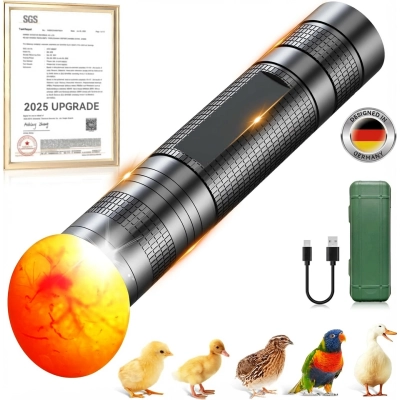
Candle all eggs. Remove any that are cracked or leaking.
-
Lay eggs on their sides. Stop turning them so chicks can position themselves for hatching.
-
Raise humidity to about 65–75%. This keeps the membrane moist and helps prevent shrink-wrapping.
-
Ensure fresh air. Optimize oxygen by opening vents as needed—do not reduce ventilation just to raise humidity.
-
Close the incubator lid. Do not open it until hatch day. Opening the lid can cause humidity to drop quickly. For small eggs and mixed clutches, an automatic egg incubator — 3 trays for birds and quail helps maintain steady ≥65% RH without crowding. Low humidity may dry out the membrane and trap the chick inside.
During lockdown, the chick absorbs the yolk and grows larger. The albumen disappears. The chick turns toward the blunt end of the egg and gets ready to hatch. You must keep the environment stable. Patience and careful observation help you achieve a successful hatch.
Eggs Hatching in Incubator Stages
Internal Pip
You will notice the first major change during the internal pip stage. The chick moves its head toward the air cell at the blunt end of the egg. It starts to break through the inner membrane, which lets it breathe air for the first time. This process helps the chick strengthen its lungs and absorb the yolk for energy. You may hear faint peeping sounds and see rhythmic movements inside the egg. The oxygen level drops slightly, and carbon dioxide rises, which triggers the chick’s muscles to push against the membrane.
Tip: The internal pip often happens around Day 20. You may notice gentle chirping as the chick prepares for the next step.
External Pip
The external pip stage begins when the chick uses its beak to crack the shell from inside. You will see a small hole, usually near the blunt end. The chick has now reached fresh air and continues to breathe. The time from external pip to hatch commonly ranges 6–24 hours, but some chicks may take only 3–4 hours or as long as about a day Avoid opening the incubator: sudden humidity drops can cause membrane drying.
Zipping
Zipping is the next exciting step in pipping and hatching. The chick rotates inside the shell, using its egg tooth to break a line around the shell’s circumference. This movement creates a “zipper” effect. You may see the crack widen as the chick turns and pushes. The process can take several minutes to a few hours.
Hatch
You will know the chick is ready to hatch when you see these signs:
-
The chick’s beak starts pecking through the shell.
-
A hole appears as the chick uses its egg tooth.
-
The chick breaks through using its legs and wings.
-
The first pip lets the chick breathe fresh air.
-
The chick “unzips” the shell by turning and breaking around the blunt end.
Once the chick emerges, let it rest inside the incubator until its feathers dry and fluff up. You have now witnessed the full journey of external pip to hatch.
Incubating Eggs Settings
Temperature Control
Keeping the right temperature is very important when you incubate eggs. The temperature decides how well the embryos grow and hatch. Even small changes can really matter. Here are some tips to help:
-
Keep the temperature steady at all times. Most chicken eggs do best around 99.5°F (37.5°C) in forced-air incubators.
-
Use a forced-air incubator for even air movement. The fan spreads the heat everywhere inside.
-
If you use a still-air incubator, check the temperature at the top of the eggs. Set it a little higher, about 100–101°F (37.8–38.3°C), since heat rises and the bottom is cooler.
-
Turn the eggs 3–5 times each day. This helps the embryo grow right and keeps it from sticking to the shell.
-
Try not to let the temperature change a lot. Even a 1°C change can cause problems or lower how many chicks hatch.
|
Feature |
Forced-Air Incubator |
Still-Air Incubator |
|---|---|---|
|
Air Circulation |
Has a fan to move air evenly |
Uses natural air movement |
|
Temperature Control |
Keeps the temperature the same |
Needs you to check and adjust often |
|
Humidity Management |
Usually has built-in humidity control |
You must check and change humidity yourself |
|
Temperature Range |
99.5–100°F (37.5–37.8°C) |
100–101°F (37.8–38.3°C) at egg top |
Humidity and Ventilation
You need to watch the humidity closely when you incubate eggs. For finch, budgie, or cockatiel clutches, a bird egg incubator provides secure small-egg trays and steadier airflow for safer humidity control. The right humidity lets chicks lose water slowly and build a good air cell. Here are some things to remember:
-
For most chicken eggs, keep humidity about 45–55% during days 1–18.
-
Raise humidity to 65–75% for the last three days, called lockdown.
-
Good ventilation is needed. It gives embryos oxygen and takes away carbon dioxide. Increase airflow gradually toward lockdown—avoid strong drafts on the eggs.
-
If you open the incubator lid too much, humidity drops fast. This can dry the membrane and trap the chick inside.
-
Check weight loss. Chicks should lose about 10–12% of their weight by hatch day; this indicates proper air cell growth.
Tip: Do not open the incubator during lockdown. Keeping humidity steady and air gentle helps chicks hatch safely.
Real Pip-to-Zip Timeline
Internal to External Pip (12–36 Hours)
When you watch hatching eggs, you will notice the first big change during the internal pip stage. This usually happens around day 20. The chick moves its beak into the air cell and starts to breathe. You may hear soft chirping from inside the shell. The chick needs to rest and gather strength before it breaks through the outer shell.
The time from internal pip to external pip can range from 12 to 36 hours. Moisture loss and humidity levels play a big role. If the egg loses too much or too little water, the chick may have trouble getting into the right position. Stable humidity helps the chick move from internal pip to external pip at a healthy pace. Keep the incubator closed to avoid sudden changes.
Note: Long resting periods between internal and external pip are normal. The chick uses this time to absorb the yolk and prepare for the next step.
External Pip to Zip (6–24 Hours)
After the chick makes the first hole in the shell, called the external pip, you will see a small crack or bump on the egg. The chick now breathes fresh air and often rests again. Most chicks take 6 to 24 hours to move from external pip to zipping. Some may finish in as little as 3 hours, while others need up to about 27 hours.
Several things can slow down this stage:
-
Temperature changes in the incubator
-
The chick needing to rest after making the pip hole
-
Humidity that is too low or too high
You should not worry if the chick pauses for a long time. The chick may need to build up energy before it starts zipping. Zipping is when the chick uses its egg tooth to break a line around the shell. You will see the crack widen as the chick turns inside the egg.
Tip: Do not open the incubator during this time. Opening the lid can cause the membrane to dry out, making it harder for the chick to hatch.
Full Hatch Window (Up to 36+ Hours)
The full hatch window for eggs hatching in incubator can last up to about 36 hours or more. Most chicks hatch within 12 to 24 hours after the external pip, but some take longer. It is still normal for a chick to take up to 48 hours from the first pip to fully hatch if it needs extra rest or if conditions change.
The table below gives illustrative ranges commonly observed with different pre-incubation storage lengths (figures are approximate):
|
Storage Length (days) |
Hatch Window (hours) |
50% Hatch Time (hours) |
|---|---|---|
|
6 |
≈20–26 |
≈16–18 |
|
9 |
≈22–30 |
≈18–20 |
|
12 |
≈24–32 |
≈20–22 |
You may notice that some chicks hatch quickly, while others take their time. Delays often happen because of temperature changes or because the chick needs to rest after pipping. As long as you see signs of progress, such as movement or peeping, you should wait patiently. Most chicks will hatch on their own if you keep the environment stable.
Reminder: Patience is key when hatching eggs. Each chick follows its own timeline, and long pauses are usually normal.
Wait or Help Decision
Knowing when to wait and when to help during hatching eggs can make a big difference for your chicks. You may feel anxious while waiting, but most chicks do best when you let nature take its course. Careful observation helps you decide if a chick needs help or just more time.
When to Wait
You should wait before helping a chick in most cases. Chicks often rest for long periods between stages. This rest is normal and important for their health. Here is a checklist to help you decide when to keep waiting:
-
The chick has pipped a hole in the shell. Wait at least 12 hours before considering any help. This is a critical resting phase.
-
The chick breathes regularly and you hear soft peeping. These are good signs.
-
The membrane around the pip hole looks moist and white, not tan or dry.
-
You do not see any blood or unabsorbed yolk at the pip site.
-
The chick has not started unzipping after 18–24 hours, but you still see movement or hear peeping.
-
Humidity in the incubator stays steady. This helps prevent the membrane from drying out and trapping the chick.
Tip: Patience is your best tool. It takes hours for a chick to absorb the yolk sac fully. Most chicks need time to build strength before hatching.
Long rest periods are normal. Chicks often pause for many hours after pipping. Early help can cause bleeding or even harm the chick. You should only consider helping a chick if you see clear signs of trouble.
When to Help
Sometimes, a chick may need your help to finish hatching. You must watch for warning signs that show the chick is in distress. Use this checklist to decide when helping a chick is the right choice:
-
The chick has not made progress for more than 24 hours after external pipping.
-
The membrane around the pip hole turns tan, brown, or dry. This means the chick may be stuck.
-
You see irregular or jagged pipping marks, or the chick seems weak and cannot unzip the shell.
-
No movement or peeping for several hours after pipping.
-
More than 40 hours have passed since the first pip, and the chick has not hatched.
If you decide to help, check the membrane first. If you see blood vessels or an unabsorbed yolk, stop and wait longer. The chick may not be ready to hatch. Keeping humidity high during this process is very important. Low humidity can cause the membrane to shrink and trap the chick.
Note: Never rush to help unless you see clear signs of distress. Helping too early can cause bleeding or early birth, which lowers the chick’s chance of survival.
By following these checklists, you can make the best decision for each chick. Careful observation and patience lead to the best results when hatching eggs.
Safe Assistance Steps
Helping a chick hatch is a delicate process. You should only assist if you see clear signs of trouble and after waiting the recommended time. Follow these steps to give the chick the best chance for survival.
Air Cell Safety Hole
Start by preparing a clean workspace. Wash your hands and gather a warm, damp rag. Use a small tool, like tweezers, to gently make a tiny window at the air cell end of the egg. This spot is usually at the blunt end. The hole should be just large enough to see the membrane and the chick’s beak. Avoid making the hole too big, as this can dry out the membrane or stress the chick.
Tip: Always work slowly and keep the egg in a warm, humid environment to prevent chilling.
Checking Membrane and Blood Vessels
Before you help further, check the membrane for blood vessels. Look for bright red, branching lines. If you see these, stop and wait 1–3 hours. The chick needs time to absorb the blood and yolk. If you notice any bleeding, place the egg back in the incubator with high humidity. This step helps prevent injury and gives the chick more time to get ready.
-
Look for bright red, branching blood vessels in the membrane.
-
If present, stop and wait 1–3 hours before reassessing.
-
If you observe bleeding, pause and return the chick to the incubator.
Moistening Membrane
If the membrane looks dry or tan, moisten it gently. Use a clean rag dipped in warm water or sterile saline. Squeeze a few drops onto the exposed membrane, but do not let water run inside the egg. Keep the membrane glistening, not dripping, and maintain high humidity in the incubator while you work.
-
Lightly moisten the exposed membrane; avoid flooding the egg.
-
Return the egg to a warm, humid incubator between steps.
-
Reassess frequently and stop if you see fresh blood.
Gradual Release
When the membrane is moist and blood vessels have retracted, you can help the chick out. Use your fingers or tweezers to gently pick away small bits of shell and membrane. Create an opening around the shell, just as the chick would do. Once the shell splits into two halves, let the chick kick its way out. This movement helps its legs grow strong. If you see bleeding, stop and return the egg to the incubator.
-
Prepare a basin of warm water and a clean rag.
-
Moisten the membrane around the pip hole.
-
Gently remove bits of shell and membrane.
-
Allow the chick to kick free when ready.
After hatching, leave the chick in the incubator until it dries and fluffs up. This rest period is important for its health.
🐣 Note: Never rush the process. Early or unnecessary help can cause harm. Always wait for signs that the chick is ready.
Quick Reference Guide
Key Settings and Timelines
This quick guide helps you remember the most important things for hatching eggs in your incubator. It shows you how to check temperature, humidity, how long eggs take to hatch, and when you should wait or help.
🕒 Incubation Periods by Species
|
Species |
Incubation Period |
|---|---|
|
House Finches |
12 to 14 days |
|
Robins |
12 to 14 days |
|
Chickens |
About 21 days |
|
Ducks |
About 28 days |
|
Eagles |
35 days or more |
|
Penguins |
Over 60 days |
🌡️ Key Incubator Settings
-
Set the temperature at 99.5°F (37.5°C) for most eggs (forced-air).
-
Keep humidity about 45–55% until Day 18; use 65–75% during lockdown.
-
Turn eggs 3–5 times each day until Day 18.
-
On Day 18, stop turning and raise humidity for lockdown.
-
Do not open the incubator during lockdown. This keeps the membrane from drying out.
🚦 Intervention Red Lines
-
Wait at least 12 hours after external pip before you help.
-
Only help if there is no progress after 24 hours and the membrane looks dry or tan.
-
Do not help if you see blood vessels or unabsorbed yolk.
-
If the chick is quiet, not moving, or the membrane is brown, check everything and think about safe assistance steps.
Tip: Be patient. Most chicks hatch on their own if you keep the settings steady.
Use this guide to feel sure and ready every time you hatch eggs. 🐣
Hatching Eggs Troubleshooting
No Progress After 24 Hours
It is normal to worry if nothing happens after 24 hours from the external pip. Chicks sometimes rest for a long time, but they might need help. First, listen for peeping. If the chick sounds upset or stops moving, check if the membrane is dry. Wait at least 24 hours after the external pip before you try to help. If the chick is quiet and not moving, help only if you do not see blood vessels or unabsorbed yolk. Always keep the incubator warm and humid while you do this.
-
Wait 24 hours after external pip before helping.
-
Listen for changes in peeping; distressed chicks cry out.
-
Assist only if the chick is stuck and quiet for too long.
Shrink-Wrapped Chicks
Shrink-wrapped chicks happen when humidity drops or the incubator lid opens during lockdown. The membrane dries out and sticks to the chick, making it hard to hatch. You can stop this by keeping the temperature steady at 99.5°F and humidity between 65% and 75% in the last days. Do not open the incubator after internal pip or while chicks are hatching. If you see a chick with a dry, tight membrane, gently moisten it with warm water and put the egg back in the incubator.
-
Humidity and temperature problems cause shrink wrapping.
-
Opening the incubator lets in dry air and makes moisture leave fast.
-
Prevent shrink wrapping by keeping temperature and humidity steady.
Balancing Humidity and Ventilation
You must balance humidity and ventilation for healthy chicks. Good ventilation brings in fresh air and takes away extra humidity. Some incubators use sensors to watch air quality and change the settings. A few models have filters to keep the air clean. Check water levels often and use a hygrometer to watch humidity. Keep airflow gentle during lockdown so eggs do not get cold.
|
Issue |
Possible Reasons |
Solutions |
|---|---|---|
|
Humidity control issues |
Low water level, sensor failure |
Check water level, monitor with hygrometer |
|
Temperature instability |
Environmental factors, sensor fail |
Calibrate sensor, check equipment |
|
Power failure |
Damaged cord, circuit issues |
Check power, contact professional |
|
Low hatching rates |
Poor temp/humidity, bacteria |
Monitor environment, keep incubator clean |
🐣 Tip: Keeping humidity steady and air gentle helps chicks hatch safely and stops shrink wrapping.
You now know how long it takes for eggs to hatch from pip to zip. Most eggs hatching in incubator do well if you are patient and watch for progress. Data authenticity note: the temperatures, humidities, timelines, and intervention thresholds here summarize common industry/extension guidance and poultry-science findings. Per site policy, no external links are included; detailed source descriptions are available on request.
-
Let chicks rest. Only help if you see no movement or peeping after 18–24 hours.
-
Keep humidity at 65% or higher during lockdown and after you help.
-
Look at the quick reference guide to check your settings and timing.
-
After chicks hatch, keep them warm, give them water, and let them rest in a quiet place. Watch them closely to help them grow strong.
Remember, watching closely and being gentle really helps each chick.
FAQ
How long does it take for eggs to hatch in an incubator?
Most chicken eggs hatch in about 21 days. You may see chicks start to pip around day 20. Some chicks need up to 24–48 hours from pip to hatch. Patience helps you get the best results.
What temperature and humidity should I set for my incubator?
Set forced-air incubators to 99.5°F (37.5°C). For still-air, use 100–101°F (37.8–38.3°C) at the egg top. Keep humidity at ≈45–55% until day 18, then raise it to 65–75% for lockdown.
When should you help a chick hatch?
Wait if the chick breathes and the membrane looks moist. Help only if there is no progress after 24 hours, or the membrane is dry and tight. Stop if you see blood vessels or unabsorbed yolk.
What causes shrink-wrapped chicks?
Low humidity or opening the incubator during lockdown can dry the membrane. This traps the chick. Keep humidity above 65% and avoid opening the lid to prevent shrink wrapping.
How often should you turn the eggs?
Turn eggs 3–5 times daily from day 1 to day 18. Stop turning on day 18 for lockdown. This helps the chick position itself for hatching.

0 Comments