Introduction
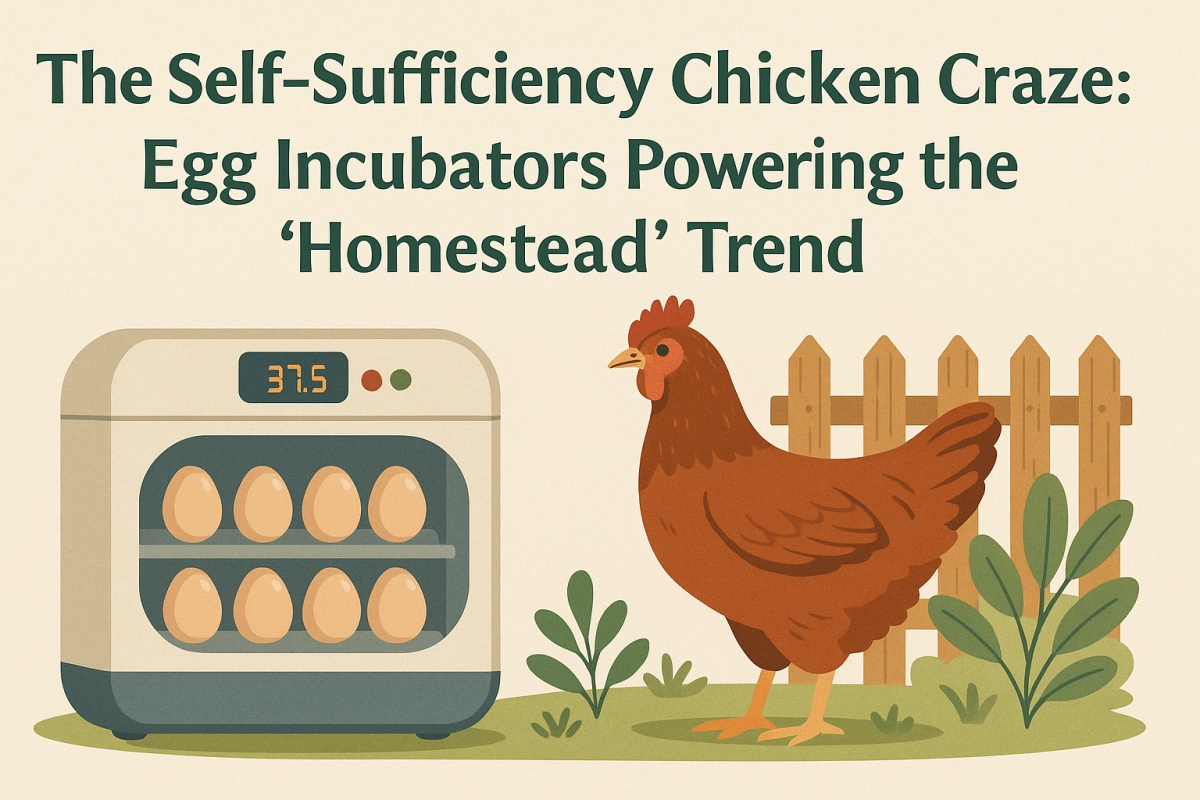
Have you noticed how eggs are getting more expensive—and harder to trust? What used to be a cheap grocery staple has become a symbol of food insecurity and inflation. As prices soar and labels like “free-range” lose meaning, more and more families across the U.S. and Europe are asking a simple question: What if we just raised our own chickens?
The answer, surprisingly, starts with a small device: the egg incubator.
Using a home incubator, you can hatch your own chicks and build a steady, sustainable supply of fresh eggs right in your backyard—even if you live in the suburbs or a small town. It’s not just economical—it’s empowering, educational, and even fun.
In this article, we’ll guide you through the new wave of backyard chicken keeping, explain why incubators are at the heart of this trend, and show you how to get started—from buying fertilized eggs to building your first coop. Whether you're a parent looking for a family project or a household aiming for food independence, this guide will help you hatch more than just chickens—it'll help hatch a new way of living.
From Egg Shortages to Egg Independence — Why Backyard Chickens Are on the Rise
High Egg Prices and Inflation Fuel the 'Egg Independence' Movement
-
Egg prices in the U.S. rose by over 50% due to inflation and avian flu.
-
Families are turning to backyard farming as a sustainable, cost-effective solution.
The Rise of the 'Mini Homestead' in Suburbs and Cities
-
Urban and suburban households are creating micro-farms.
-
Chickens offer daily food returns, even in small spaces.
The Role of Social Media in Spreading the Trend
-
Platforms like TikTok and Instagram popularize the trend with hashtags:
-
#backyardchickens -
#eggindependence -
#urbanhomesteading
-
-
Viral content makes chicken keeping aspirational and accessible.

The Three Core Benefits of Raising Chickens at Home
1. Economic ROI: Eggs for a Fraction of the Supermarket Price
-
Initial setup: $200–$600.
-
One hen = 200–300 eggs/year.
-
Most households break even within 12 months.
2. Sustainability: Turning Scraps into Eggs and Compost
-
Chickens recycle food waste into protein.
-
Their manure makes excellent organic compost.
3. Education and Fun: A Family Project with Daily Rewards
-
Great for kids: learn biology, responsibility, and ecology.
-
Watching chicks hatch = a lifelong memory.
Preparing for Backyard Chickens: From Incubator to Coop
Choosing the Right Incubator for Beginners
-
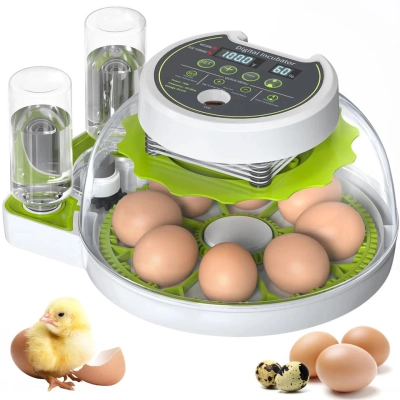
If you're just starting out, consider exploring our full selection of home egg incubators designed for beginners and hobbyists.
-
Look for models with:
-
Digital temp & humidity control
-
Automatic egg turning
-
Capacity for 7–24 eggs
-
-
Price range: $60–$150
Pre-Hatching Setup and Timeline
-
Incubation = 21 days
-
Requirements:
-
99.5°F temperature
-
40–50% humidity (65% during final days)
-
Turn eggs 3–5x daily
-
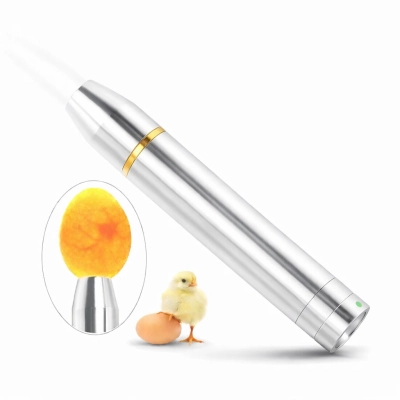
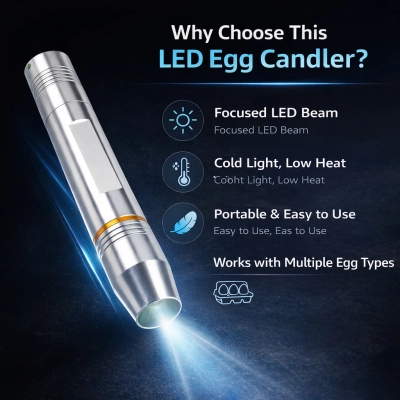
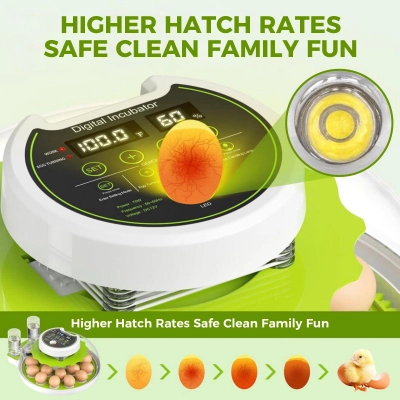
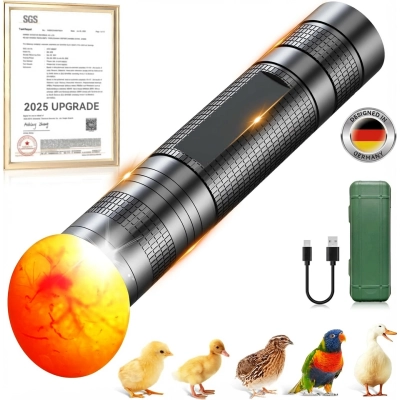
Candle eggs on days 7 & 14
-
From Hatchling to Hen: Brooders and Coop Basics
-
Brooder: heat lamp, bedding, water, chick feed
-
After 6–8 weeks: move to outdoor coop
-
Coop needs:
-
2–4 sq ft per hen
-
Nesting boxes
-
Predator-proofing
-
Know the Rules: Local Ordinances and HOA Guidelines
-
Many cities allow hens, not roosters
-
HOAs may require permits
-
Check local laws to avoid fines
How to Hatch Chicken Eggs at Home: A Step-by-Step Beginner Guide
Where to Buy Fertilized Eggs and How to Handle Them
-
Sources:
-
Local farms
-
Hatcheries
-
Online suppliers
-
-
Storage tips:
-
Under 7 days old
-
Store pointy-end down at 50–60°F
-
Bring to room temperature before setting
-
21 Days of Incubation: Daily Tasks and Milestones
-
Days 1–18: Control temperature & humidity, turn daily
-
Day 7 & 14: Candle for embryo growth
-
Day 18: Stop turning, increase humidity
-
Days 20–21: Hatching begins — don't open lid!
Common Pitfalls and How to Avoid Them
-
Temperature spikes
-
Low humidity
-
Improper turning
Tips:
-
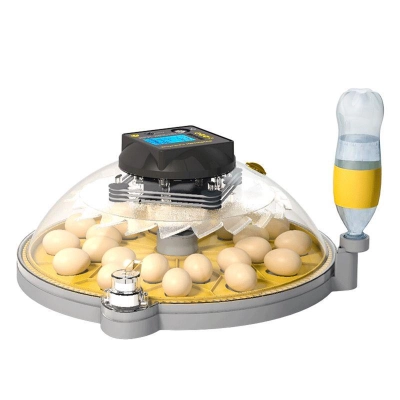
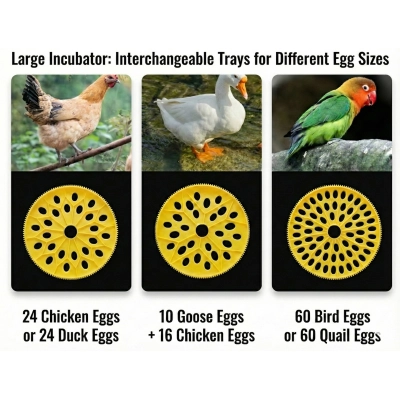
Use backup thermometer/hygrometer — especially if you're using a multi-tray unit like our Automatic Egg Incubator with 3 Trays for Birds and Quail, which maintains precise temperature and humidity for multiple egg types
-
Avoid opening incubator during final days
Cost Breakdown and Economic Feasibility
Startup Costs: What to Expect
-
Incubator: $60–$150
-
Brooder: $40–$80
-
Coop: $150–$400
-
Monthly feed/bedding: $20–$30
Eggs vs. Store-Bought: When Do You Break Even?
-
3–5 hens = 15–25 eggs/week
-
Save up to $30/month
-
Break-even: 8–12 months
Budget-Smart Tips
-
Reuse materials (old wood, crates)
-
Share feed bulk orders
-
Barter eggs with neighbors
The Responsibilities and Realities of Chicken-Keeping
Daily and Weekly Care Needs
-
Fresh water & feed
-
Egg collection
-
Weekly coop cleaning
-
Monitor for illness
Common Threats: Predators and Disease
-
Predators: hawks, raccoons, foxes
-
Solutions:
-
Lock coop at night
-
Wire mesh flooring
-
Use herbs or vaccinations as needed
-
Legal and Social Etiquette
-
Inform neighbors
-
Offer eggs as goodwill
-
Follow all local poultry rules
Real-Life Stories: Families Who Achieved Egg Independence
The Urban Coop Couple (Brooklyn, NY)
-
Built rooftop coop
-
Now collect 20–30 eggs/week
-
Host chick-hatching workshops for local kids
STEM at Home: A Science Project That Hatched More
- Ohio homeschool family used incubator as biology lesson
-
Now run a mini-flock, compost bin, and garden
The Chicken-and-Trade Micro-Economy
-
Rural Oregon family barters eggs for bread, jam, and garden tools
-
Created community around self-sufficiency
Conclusion: One Small Incubator, One Big Step Toward Self-Sufficiency
Raising chickens at home isn’t just about eggs—it’s a shift in lifestyle, food mindset, and environmental impact. With the help of a simple incubator, anyone with a backyard—or even a balcony—can take their first step toward food freedom.
Ready to get started?
👉 Explore beginner incubators, hatching kits, and guides on EggBloom.com. You’re just one egg away from building your own backyard flock—and taking control of your food future.

0 Comments