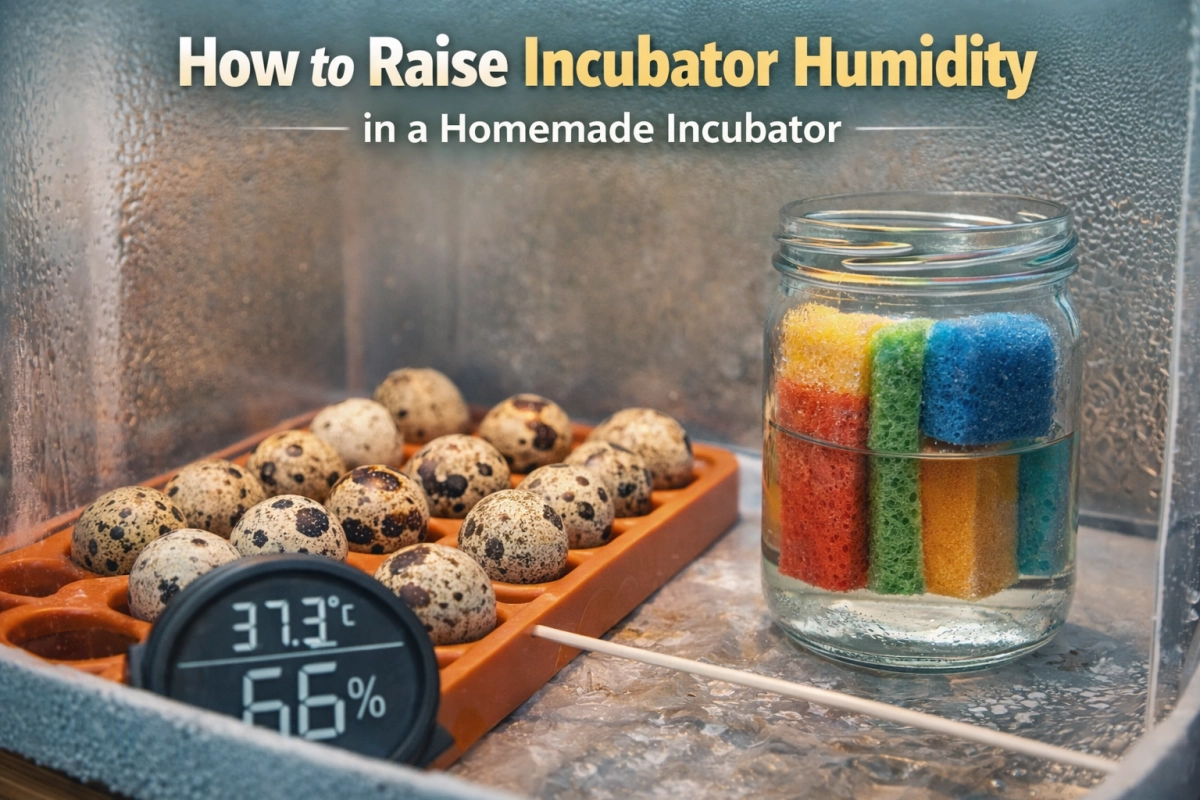
Your homemade incubator should do real work. You might be using a cooler, a foam box, or a plastic tote. If incubator humidity stays low or swings, you are not alone. This guide shows you how to trust your reading and raise humidity without soaking the box. You can also start in our bird egg incubator resource library.
Key Takeaways
-
You get honest readings when you keep your humidity gauge at egg height and away from the water tray and fan airflow.
-
You raise humidity faster when you spread water out in a wide, shallow tray, because surface area matters more than water depth.
-
You can use a clean sponge or paper towel wick to boost evaporation area, and you can change one thing at a time so the box stays calm.
Get a Humidity Reading You Can Trust
You need a humidity number you can trust before you adjust anything. People call the meter a humidity gauge or a hygrometer. A bad sensor spot can fool you fast. So we start by measuring the air the eggs actually feel.
Place the Sensor at Egg Height
Your sensor should sit at egg height, because that is the air the eggs live in. You keep it away from the water tray, the wall, and the fan blast. Those spots read a tiny pocket of air, not the air around the eggs.
|
Do this |
Why it helps |
|---|---|
|
Set the sensor at egg height |
The reading matches the air the eggs feel, not a wet corner or a vent breeze. |
|
Keep the sensor dry and out of direct airflow |
A wet sensor or a fan blast can fake a high or low number and push you into over-correcting. |
You might see the reading jump when the fan starts or when moisture gets too close to the sensor. That jump often means the sensor is in a small weather pocket. You pick one steady spot at egg height and you leave it there.
Calibrate and Double-Check Your Humidity Gauge
You do not need a fancy meter. You need one that stays consistent and lets you measure at egg height. A probe style meter helps, because you can keep the screen out of the wet zone.
|
Meter type |
What to look for |
|---|---|
|
Digital humidity gauge with a probe |
You can place the probe at egg height and keep the screen away from splashes. |
|
Two sensors for a quick cross-check |
You can compare the readings and spot a bad sensor before it misleads you. |
|
A meter with a calibration offset option |
You can correct small drift after a basic check during long runs. |
You should check your humidity gauge once in a while, because sensors drift. You can do a simple check with a calibration kit, or you can compare two meters side by side for a day. You are looking for a steady pattern, not perfection.
Tip: A calm meter keeps you calm, and calm changes give eggs the best chance.
Here are a few common incubator humidity patterns in homemade builds, and what they usually mean. You can use this list to stop guessing and start adjusting with purpose.
|
Reading pattern |
What it usually means |
|---|---|
|
Steady and moderate |
Your setup is steady, so you can make small, gentle tweaks. |
|
Low reading that will not rise |
Your box likely leaks, your vents are too open, or your water surface is too small. |
|
Big spike right after you add water |
Your tray may sit too close to heat, or the sensor may be reading a local wet zone. |
|
Heavy condensation or wet shells |
The box may be too wet or too tight, so you can reduce water surface and improve airflow. |
|
Very dry room air |
The room can pull moisture out fast, so you may need more evaporation area or a less drafty spot. |
You can treat your humidity gauge like a dashboard. You do not treat it like a panic button. You keep the sensor at egg height, and you change one thing at a time.
Raise Incubator Humidity with Simple DIY Methods
A homemade incubator can hold humidity, but a DIY box needs the right setup. You do not need fancy gear to raise incubator humidity. You need clean water, steady heat, and the right evaporation area. So we focus on the few things that move humidity in real life.
Increase Evaporation Area, Not Just Water Volume
Humidity behaves a lot like the air in a bathroom after a hot shower. A wide wet surface makes more moisture than a deep cup of water. So you raise humidity by increasing evaporation area, not by pouring more water into a tall container.
-
You use a wide, shallow tray, because more water can touch the air at once.
-
You can add a second shallow dish in a larger box, and you keep both dishes stable so they cannot tip.
-
You place the tray where warm air can pass over it, and you keep it away from wires and heater parts.
Tip: You can start with a thin layer of water in a wide tray. A wide tray often lifts humidity faster than a deeper cup.
This quick comparison shows why surface area matters more than water depth.
|
Method |
Water surface |
Humidity response |
|---|---|---|
|
Deep cup |
Small |
Slow lift |
|
Shallow tray |
Large |
Faster lift |
|
Shallow tray with a wick |
Very large |
Fast lift with less fuss |
You can also lower humidity by reducing water surface area. You can remove a wick, use a smaller tray, or cover part of the tray with a clean lid that still leaves some water exposed. You keep changes small, and you watch the trend.
Use Clean Wicks to Lift Humidity Faster
You might need a quicker humidity lift when hatch gets close, or when the room air is very dry. A clean wick can help, because it spreads water into a larger wet surface without flooding the tray.
-
You can cut a clean sponge into strips, and you can let one end sit in the water.
-
You can fold a paper towel so one end sits in the water and the rest lays wide and flat.
-
You can use a clean cloth strip as a wick, with one end in the water and the other end spread out.
These wicks work because they turn one small pool into a wide wet sheet. You should keep wicks damp. You should check them often, because dry wicks stop working and crusty wicks grow problems.
Note: You only use clean sponges and clean cloth. Dirty fabric can grow slime and mold, and that risk is not worth it.
Wicks work because they turn one small pool into a wide wet field. That larger field evaporates faster. You keep wicks fresh, because dry wicks stop working and dirty wicks grow problems.
Adjust Ventilation Without Sealing the Box
Ventilation is not the enemy of humidity. Ventilation is how eggs get fresh air. You use water surface area to raise humidity, and you use small vent moves to steady the number.
-
You should stabilize temperature before you chase humidity.
-
You should raise evaporation area with a shallow tray or a wick.
-
You can adjust vent holes in small moves to steady the reading.
You can close one vent a little when the reading keeps sliding down. You can open a vent a little when you see heavy condensation or wet corners. You should avoid big swings, because eggs handle steady conditions better than constant change.
Warning: You must not seal every vent. Eggs need fresh air, and a sealed box can trap stale, damp air.
Humidity control is a balance. Eggs need enough moisture in the air, and eggs also need clean air exchange. You can use water surface area to raise humidity, and you can use gentle ventilation to keep the box stable.
You can get good incubator humidity in a homemade build with simple parts and careful habits. You watch the trend. You move slowly. That steady approach usually beats guesswork.
Fix Humidity Swings in a Homemade Incubator
Humidity Spikes After You Add Water
Humidity can jump fast right after you add water. That jump is common when the tray sits close to heat or when warm air blows straight across the water. A jump can also happen when the sensor is too close to the tray.
You tame spikes by adding smaller refills and using a wider tray. You keep the sensor centered at egg height. If walls keep sweating, you reduce water surface and you crack a vent.
Tip: You change one thing, and you let it sit for a bit. That pause keeps you from chasing every little wobble.
Day and Night Humidity Swings
Humidity often swings when temperature swings. Warm air can hold more moisture, so a warmer box can show a lower relative humidity number even when the water amount did not change. A heater that cycles hard can make the humidity reading look jumpy.
You can watch the pattern across day and night, because the room changes too. You look for the trend. You avoid big sudden changes, because big swings can do more harm than a slightly low reading.
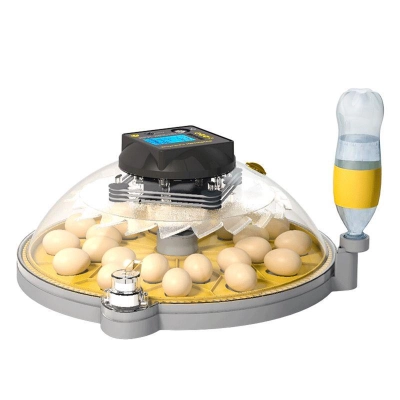
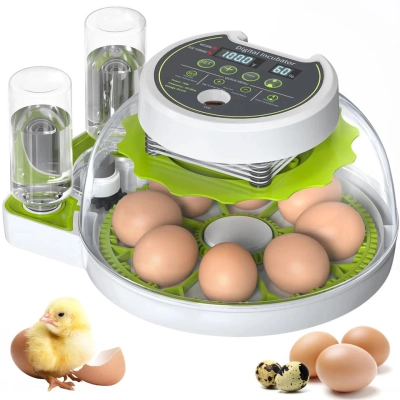
You get easier control with steadier heat and a tighter build. If you keep babysitting the meter, an automatic egg incubator with 3 trays can take most of that work off you.
Uneven Humidity and Condensation
You might see wet corners, heavy condensation, or one side that stays damp. Those signs often mean airflow is uneven, or the box has a cold wall spot that collects water. Eggs do better with moist air than with dripping surfaces.
Note: Wet shells and standing droplets can signal too much moisture. You want moist air, not a rainstorm inside the box.
This table links common DIY symptoms to likely causes and quick fixes.
|
Symptom |
Likely cause |
Quick fix |
|---|---|---|
|
Wet corners |
Uneven airflow or a cold wall spot |
You redirect airflow and you reduce water surface a little. |
|
Condensation on lid and walls |
Too much moisture or poor airflow |
You reduce water surface and you open vents slightly. |
|
Center reads dry while corners read wet |
Sensor placement or uneven airflow path |
You move the sensor to egg height in the center, and you adjust fan direction. |
You can get better control with practice. You keep simple notes, even if the notes are just a few words. You adjust in small steps. That steady work gives hatchlings the best chance.
Humidity Habits as Hatch Gets Close
Raise Humidity Near Hatch Without Overdoing It
Humidity often matters most when hatch gets close. A box that runs too dry can let the inner membrane dry and tighten, and that can make a chick or chick-like hatchling work much harder. So you raise humidity in a steady way, and you protect the eggs from big drops.
You do not need one magic number for every bird species. You do need stability and balance. Many keepers raise humidity as hatch approaches, and they avoid opening the lid once an egg starts to pip.
-
You keep humidity steady and not extreme during the main growth period.
-
You raise humidity as hatch approaches, and you keep the lid closed once pipping starts.
-
You use shallow trays and clean wicks to raise humidity without soaking the box.
Think of the inner membrane like a damp paper towel. A damp towel stays soft and flexible. A dry towel turns stiff and sticky, and a hatchling can struggle against it.
Avoid “Fake High” Humidity and Keep Things Clean
Too much moisture can also cause trouble. A box that stays soaked can smell musty and can grow mold on cloth and corners. You aim for moist air, not dripping walls and lids.
These habits keep humidity safer in a homemade incubator.
-
You change tray water on a regular schedule, and you do not keep topping up dirty water.
-
You wipe residue when you see it, and you do a deeper clean between hatches.
-
You check for wet spots and mold each day.
-
You keep wires, plugs, and heaters dry at all times.
|
Best practice |
Why it matters |
|---|---|
|
Routine cleaning |
Clean surfaces lower mold risk and keep odors away from eggs. |
|
Steady humidity control |
Steady air supports healthy development better than big spikes. |
|
Clean water |
Fresh water lowers the chance of slime, smell, and unwanted growth. |
You can raise incubator humidity and keep it steady in a homemade build. You measure at egg height. You use surface area, not a deep cup. You keep air moving and you keep things clean.
If you want a deeper walk-through on the DIY build itself, our homemade bird egg incubator guide can help you tighten the box, place parts safely, and start with a steadier setup.
|
Key step |
What you do |
|---|---|
|
Add water |
You use a shallow tray or a clean wick to increase evaporation area. |
|
Monitor humidity |
You keep the sensor at egg height and you watch the trend, not one random moment. |
|
Adjust ventilation |
You make small vent changes and you give the box time to stabilize. |
FAQ
How can you raise humidity fast when it suddenly drops?
You can add a wet sponge strip or a folded paper towel wick to a shallow tray, and you can spread it out wide. You then wait a bit and watch the trend at egg height. You avoid spraying eggs, because splashes and wet shells can create new problems.
Is it safe to close all vents to hold humidity?
You should not close all vents. Eggs need fresh air exchange, and a fully sealed box can trap stale, damp air. This table shows small vent moves that keep air present.
|
Action |
What usually happens |
|---|---|
|
You close one vent slightly |
Humidity often rises a bit while airflow still stays present. |
|
You seal every vent |
Risk rises because airflow drops and moisture can stagnate. |
What should you do when you see mold or wet spots?
-
You remove wet materials right away.
-
You wipe and clean surfaces with a bird-safe cleaner and a clean cloth.
-
You replace old water with fresh clean water.
-
You check the box for leaks, spills, and drafts so the problem does not come right back.



0 Comments