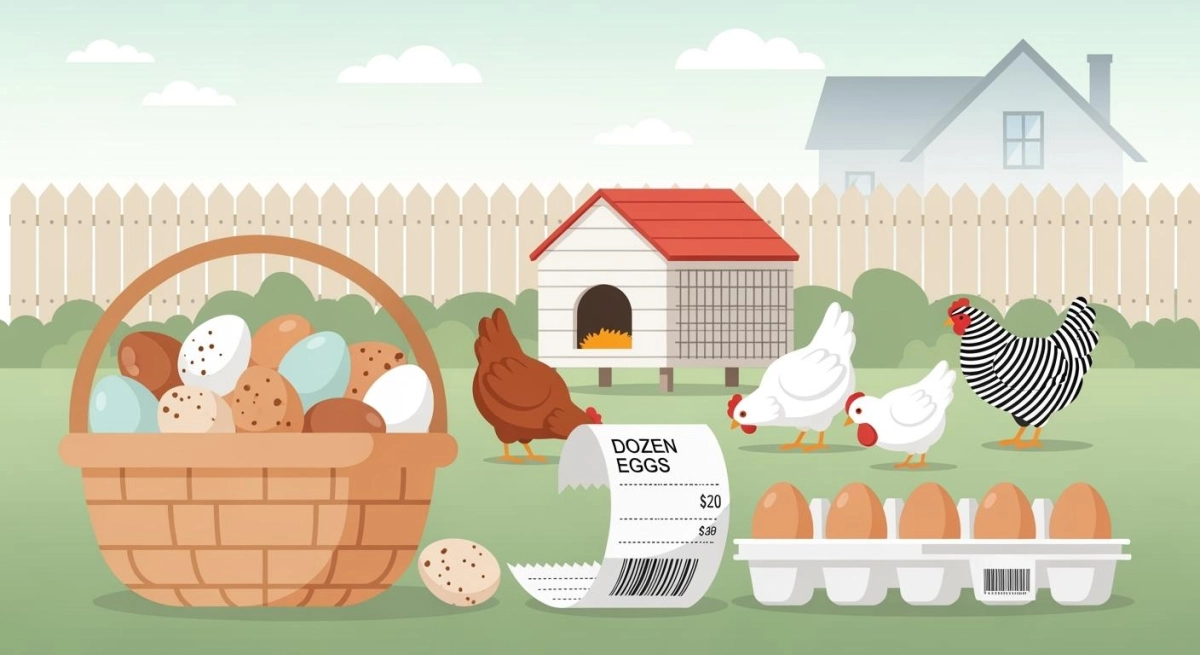
Raising chickens for eggs in 2025 usually costs more than buying eggs from the store, especially in your first year. You pay for the coop, chicks, and supplies before you even get your first dozen eggs. In 2025, is it cheaper to raise chickens for eggs? The answer depends on your costs, local egg prices, and how much you value fresh, home-produced eggs.
-
In some cities, store eggs reached around $6.85 per dozen during peak price spikes in early 2025.
-
A family of four eats about 1,100 eggs a year (roughly 90 dozen).
-
Feeding a small four-hen flock typically costs about $180–$200 each year.
You should think about your budget, time, local rules, and the non-money benefits before starting your own flock.
Key Takeaways
-
Raising chickens costs more in the first year because you must buy a coop and supplies before you get any eggs. A typical family of four uses about 1,100 eggs each year, so you can compare that to what a small flock will produce.
-
After the first year, your costs drop a lot. Your cost per dozen eggs can come close to store prices and may beat premium eggs, especially if supermarket prices rise again.
-
Always check local zoning rules, permits, and neighbor concerns before getting chickens so you do not face fines or complaints.
-
Fresh backyard eggs often have firmer yolks and richer color when hens eat a good diet. Many people prefer the taste and like knowing how their eggs are produced.
-
Plan for at least 10–15 minutes of daily care plus weekly cleaning time. Be honest about your schedule, how many eggs you eat, and whether you truly enjoy caring for animals.
-
For most families, chickens are a lifestyle choice about freshness, self-sufficiency, and family experience—not just a way to cut the egg bill.
Is It Cheaper to Raise Chickens for Eggs in 2025?
Direct Answer for US Families
You might wonder, is it cheaper to raise chickens for eggs in 2025? For most US families, the answer depends on how you look at the costs. If you start raising chickens this year, you will spend more money in the first year than you would by buying eggs at the store. The main reason is the upfront investment. You need to buy or build a chicken coop, purchase chicks, and get all the basic equipment before you collect your first egg.
Let’s look at the numbers for a typical four-person household:
-
Each person eats about 276 eggs per year in 2025. That means your family will use roughly 1,100 eggs, or about 90–92 dozen, each year.
-
In your first year, you will spend about $920. This covers the coop, chicks, and basic supplies.
-
After the first year, your main costs are feed and bedding, which add up to about $360 per year.
Raising chickens for eggs in 2025 costs more in the first year. In later years, the cost per dozen eggs gets closer to store prices, especially if you eat a lot of eggs or if egg prices go up.
Key Factors Affecting Costs
When you ask, is it cheaper to raise chickens for eggs, you need to think about several important factors. These can change the answer for your family.
-
Upfront Costs: The biggest expense is the chicken coop. Many people find that building or buying a secure coop costs much more than they expect.
-
Feed and Bedding: These are ongoing costs. Feed is usually affordable, but it adds up over time.
-
Time and Effort: You must feed your chickens, clean the coop, and collect eggs every day. This takes time and energy.
-
Local Rules: Some towns have rules about keeping chickens. You may not be allowed to keep roosters, or you may need a permit.
-
Predators: You need a safe coop to protect your chickens from animals like raccoons or hawks. This can increase your costs.
-
Egg Production: Chickens do not lay eggs every day. It can take about six months for chicks to start laying. As chickens get older, they lay fewer eggs, so you may need to buy new birds.
Many people find that while feed and bedding are affordable, the initial investment in housing is a major cost factor that complicates the decision to raise chickens. Even though egg prices have gone up, the cost of maintaining chickens can still be higher than buying eggs at the store.

When Raising Chickens Saves Money
You may save money raising chickens for eggs in some situations. Here is when you might come out ahead:
-
You plan to keep chickens for several years, so your upfront costs spread out over time.
-
Egg prices at the store go up a lot, like during a shortage or price spike.
-
You eat a lot of eggs, so you use everything your chickens produce.
-
You already have some supplies, or you can build a coop cheaply.
-
You want eggs that are fresher or higher quality than store eggs.
Here is a simple checklist to help you decide:
-
Will you use at least 90 dozen eggs per year?
-
Can you keep chickens for more than one year?
-
Do you have space and local approval for a coop?
-
Are you ready for daily chores and possible extra costs?
If you answer yes to most of these, raising chickens for eggs could make sense for you. In the first year, your eggs will cost more than store eggs. In later years, your cost per dozen can match or beat store prices, especially if you compare to premium eggs or if prices rise again.
Tip: If you want to know, is it cheaper to raise chickens for eggs, always look at both the first-year and ongoing costs. Think about how much you value fresh eggs and the experience of keeping chickens.
2025 Egg Prices—Store vs Backyard
Supermarket Egg Prices
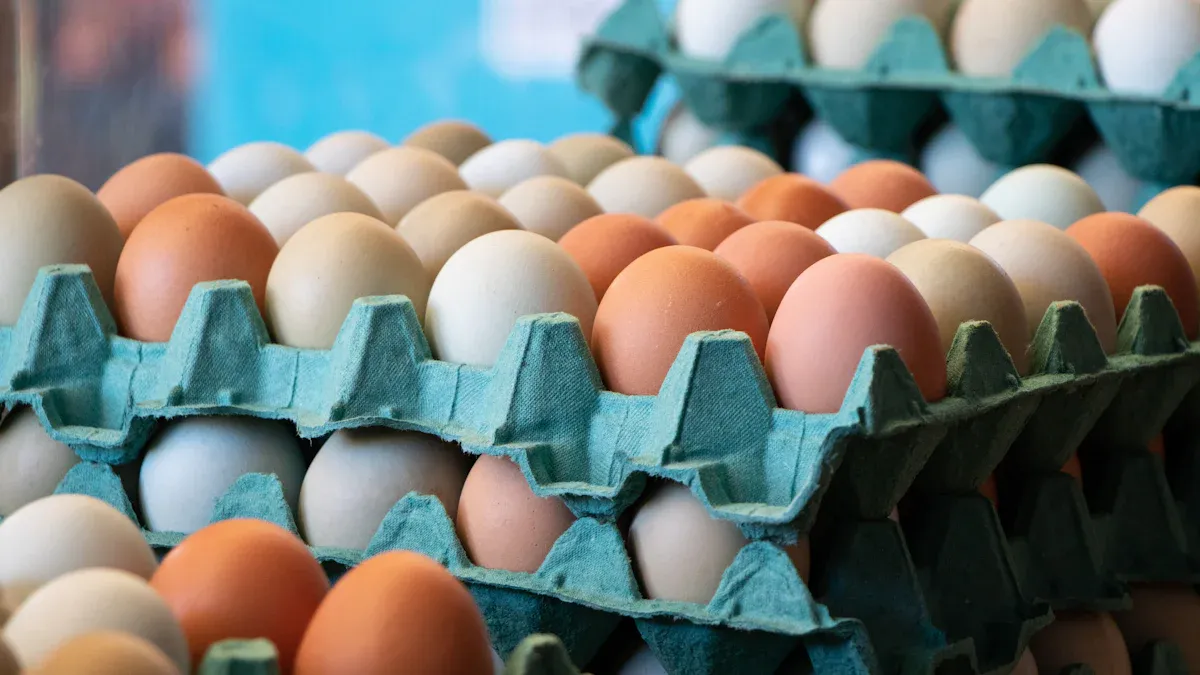
You may have noticed that egg prices in stores have changed a lot in recent years. In 2025, the average cost for a dozen eggs in the United States reached about $4.71. This is a big jump from $1.67 per dozen in 2021. In February 2025, you could see retail egg prices around $5.90 per dozen in many places. During local shortages or in high-cost cities, prices could be even higher.
-
Average price per dozen in 2025: about $4.71
-
Price per dozen in February 2025: around $5.90
-
Price per dozen in 2021: about $1.67
You might find that prices in your local store are even higher during shortages or in certain cities.
Cage-Free and Organic Egg Prices
Cage-free and organic eggs often cost more than regular eggs, but 2025 brought some surprises. In New York City, regular eggs reached $9.99 per dozen. At the same time, some cage-free and organic eggs sold for less. For example:
-
Land O Lakes brown eggs: $5.59 per dozen
-
Egg-Land’s Best eggs: $5.69 per dozen
-
Organic brown eggs: $7.49 per dozen
-
Eco Meal Cage-Free Large Brown eggs: $8.49 per dozen
This unusual situation happened because many organic and cage-free farms had contracts that kept their prices lower, even as regular egg prices soared. These contracts will expire soon, so you may see cage-free and organic egg prices rise above $10 per dozen in the future. The ongoing egg shortage has made these price differences stand out in 2025.
Price Fluctuations in 2025
You have probably seen egg prices go up and down this year. Several factors caused these changes:
-
Widespread bird flu outbreaks reduced the egg supply.
-
Feed costs increased, and transportation became more expensive.
-
Labor shortages made it harder for farms to keep up with demand.
-
More people wanted eggs, especially with the popularity of all-day breakfast restaurants.
-
Over 158 million birds were lost to bird flu outbreaks.
-
In December 2024, 18 million birds were culled. Another 23 million followed in January 2025.
-
The USDA expects egg prices to stay higher than in the past because supply problems continue.
New cage-free egg laws in some states also made it harder to find these eggs. These rules, along with bird flu, pushed prices even higher. You should expect prices to keep changing as these issues continue.
Note: When you compare store prices to backyard eggs, remember that both can change over time. Store prices may spike during shortages, while backyard costs stay more stable if your flock stays healthy.
Startup Costs to Raise Backyard Chickens
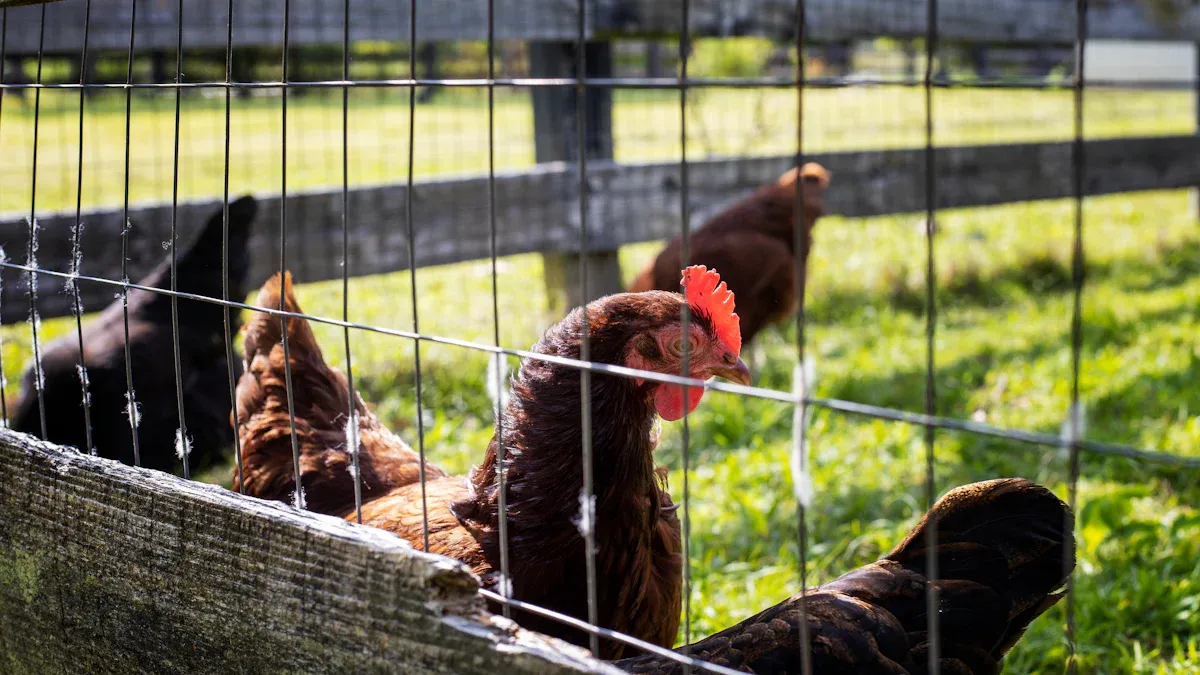
Starting your own flock comes with some important upfront costs. You need to plan for the coop, the chickens themselves, and the basic equipment that keeps your birds healthy and safe. Let’s break down what you can expect to spend if you want to raise backyard chickens in 2025.
Coop and Setup Costs
The chicken coop is usually your biggest expense. In 2025, building or buying a coop for four hens costs about $650 on average. Some people spend as little as $300 if they use simple materials or build an A-frame coop. Others might pay up to $2,000 for a larger or more stylish setup. Most families find that a mid-range coop around $500 to $650 works well for a small flock. You need a sturdy coop to protect your hens from weather and predators. If you already have a shed or can build with recycled materials, you might save money.
Tip: Choose a coop that is easy to clean and has good ventilation. This helps keep your chickens healthy and reduces your workload.
Buying Chicks or Pullets
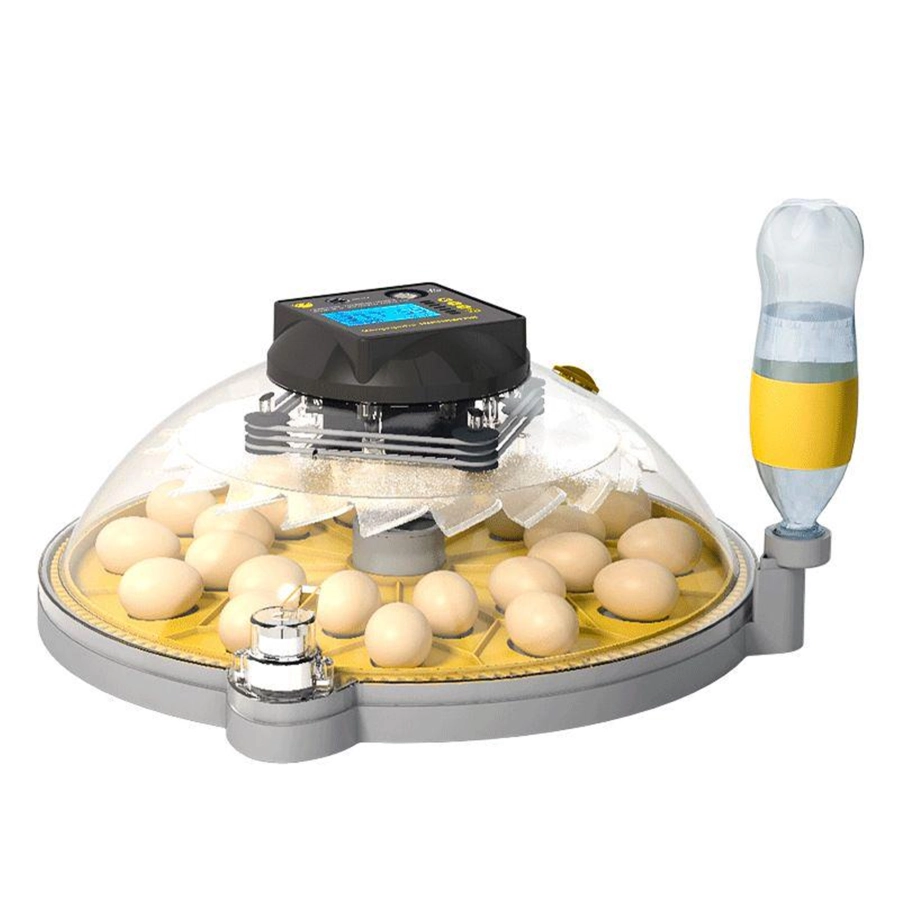
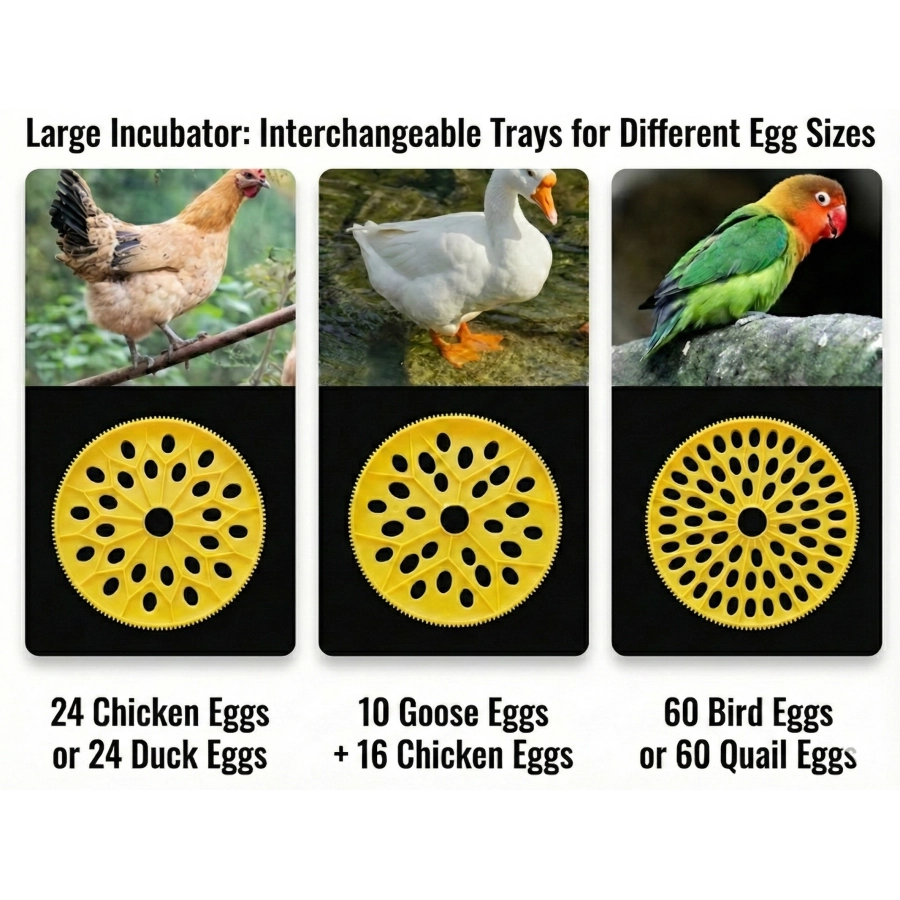
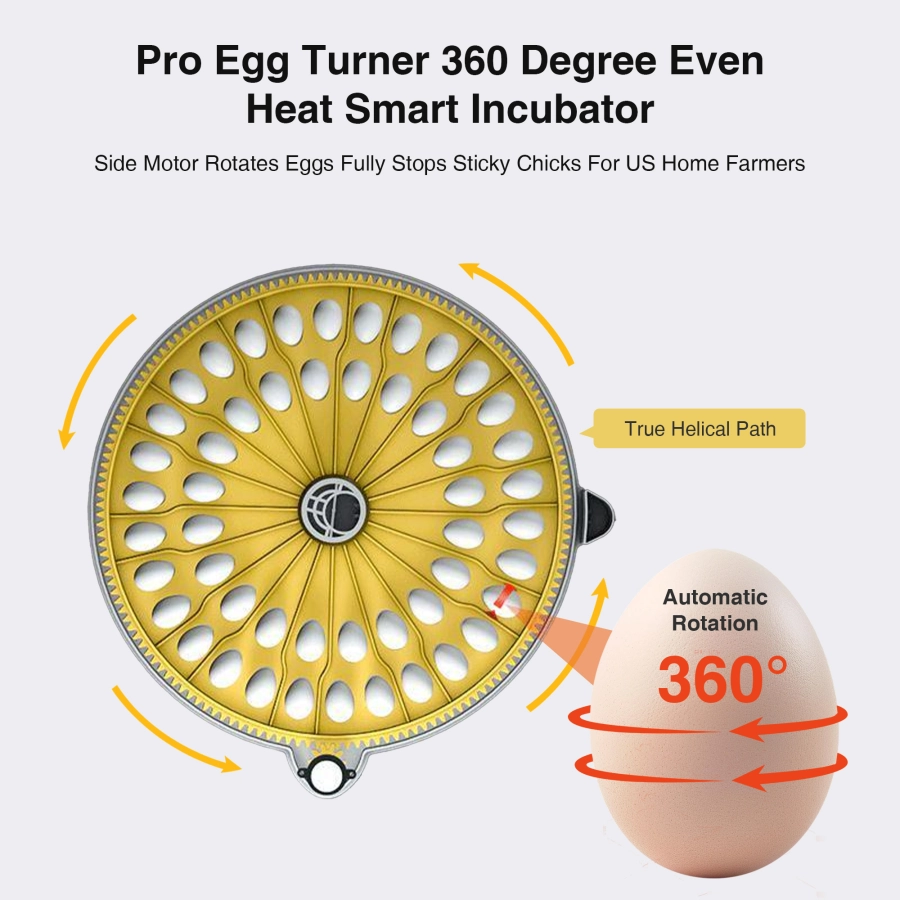
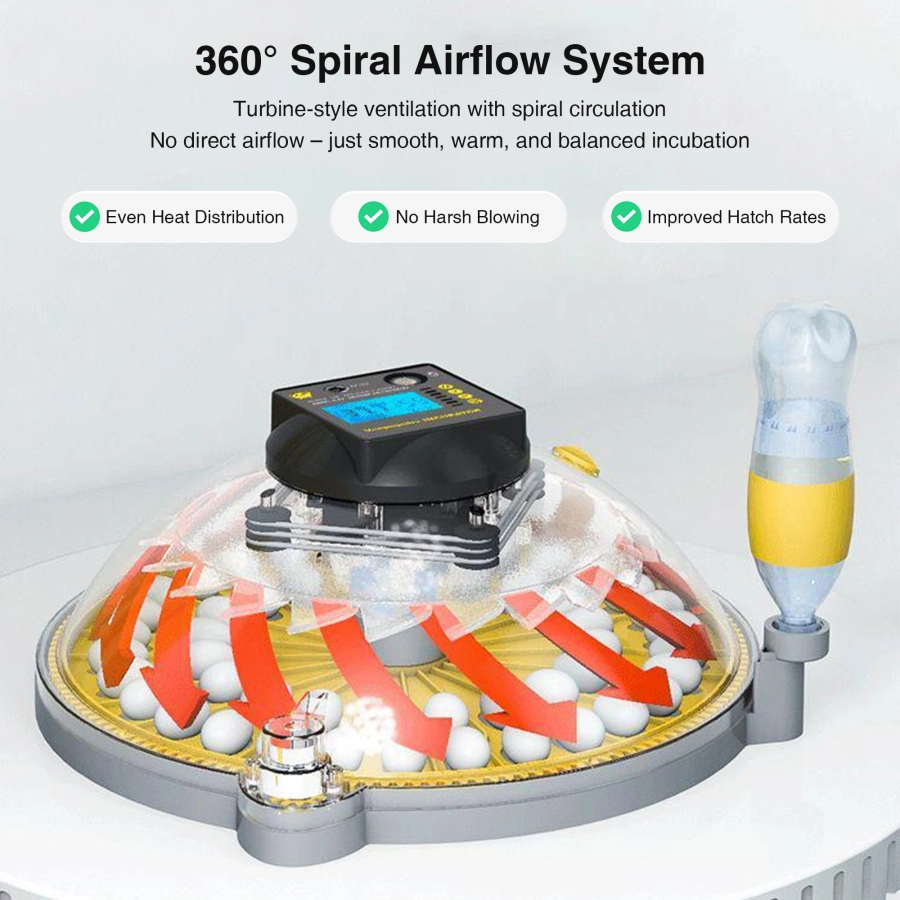
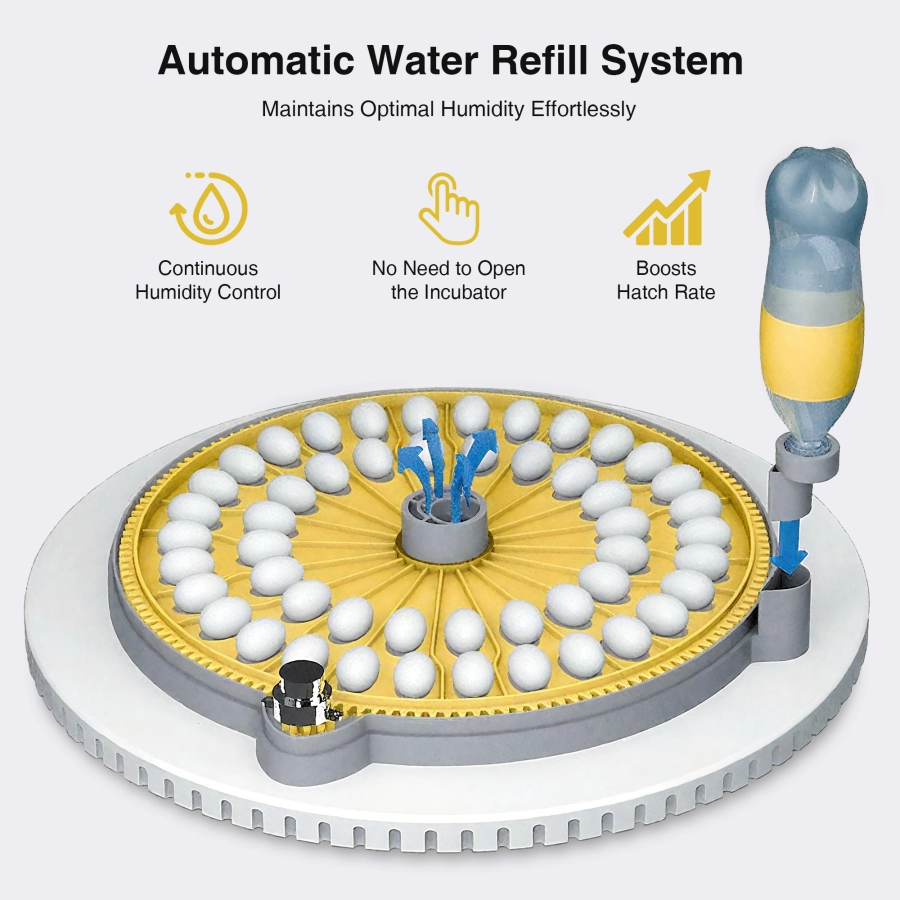
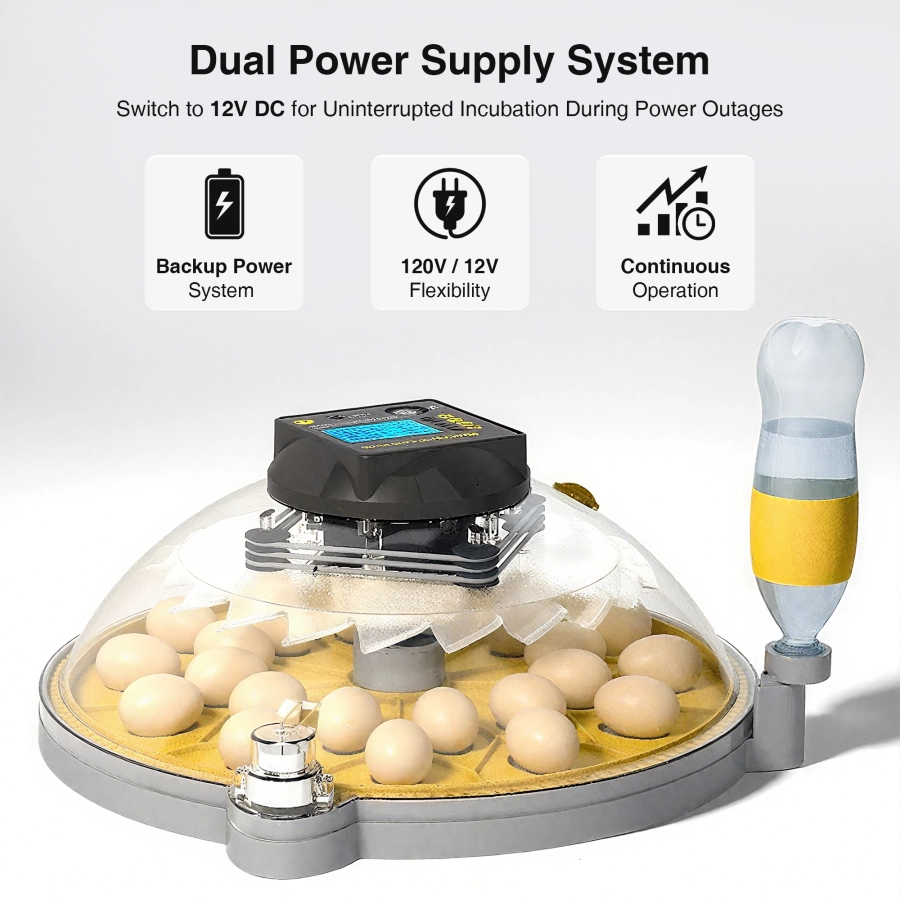
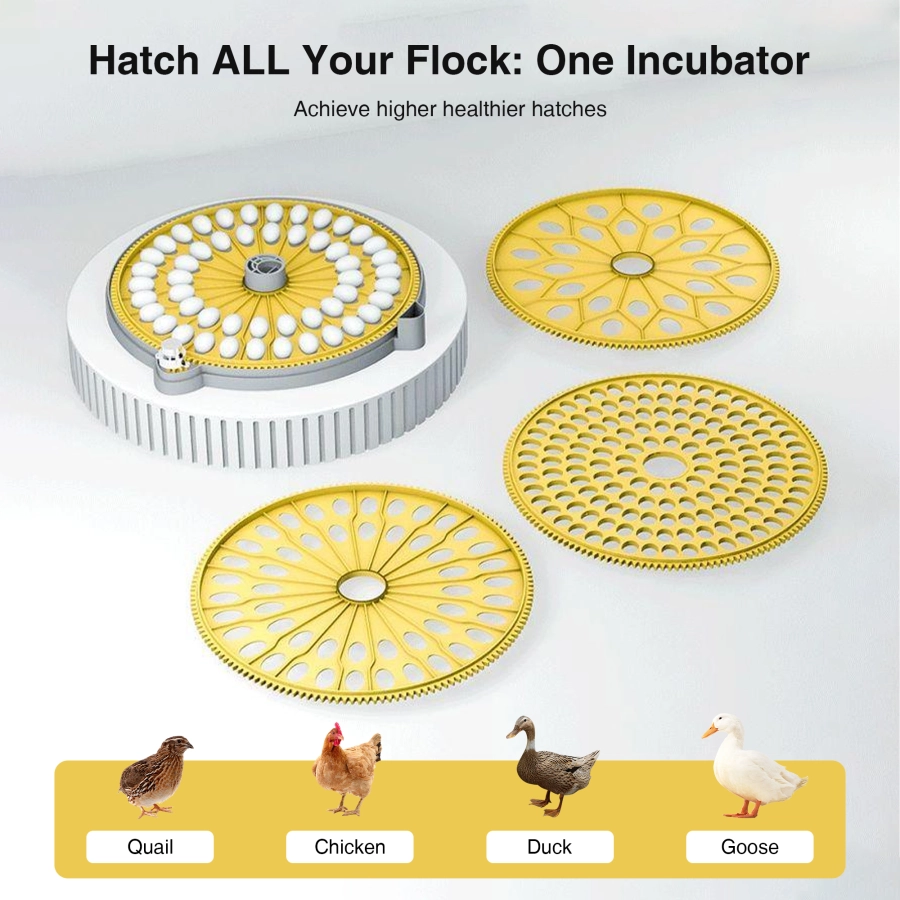
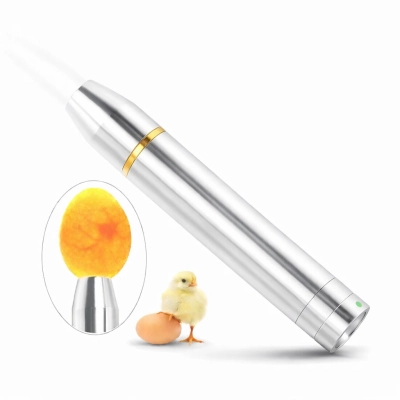
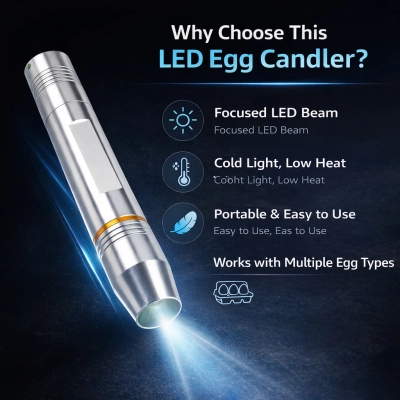
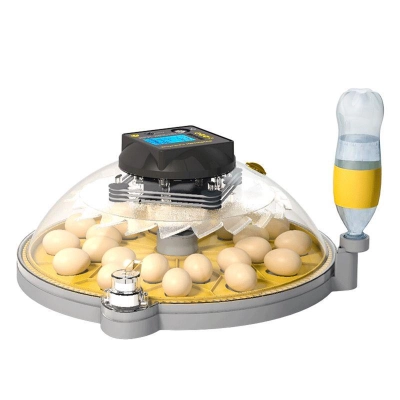
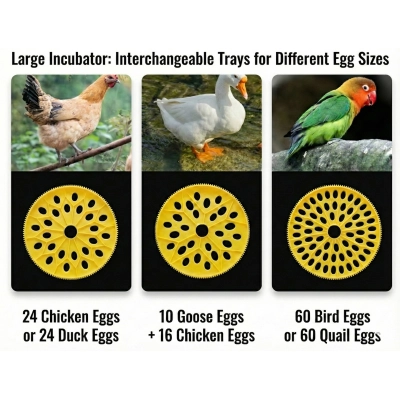
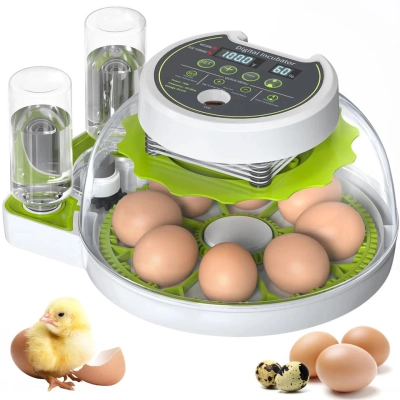
Next, you need to buy your chickens. For egg production, most people start with chicks. In 2025, four chicks cost about $60 total. You can also buy pullets, which are young hens that are almost ready to lay eggs, but they usually cost more per bird. Chicks need extra care and warmth for the first few weeks. If you want eggs sooner, pullets might be a better choice, but you will pay more upfront. If you prefer to hatch fertile eggs yourself instead of buying started birds, you will also need a small egg incubator, such as models in our desktop egg incubator range, which adds another line to your startup budget.
Basic Equipment Needed
You need a few basic items to keep your flock happy and productive. Here is a simple checklist:
-
Feed and water containers (large hanging feeders and waterers work best)
-
Chicken feed (non-GMO feed is a good option)
-
Calcium supplement (for strong eggshells)
-
Bedding material (like wood shavings or straw)
You can make a waterer from a 5-gallon bucket with special nipples, which helps keep the water clean. Most starter kits include feeders and waterers, but you should check what comes with your coop package.
Here is a quick look at the main startup costs for a four-hen flock:
|
Equipment/Item |
Estimated Cost |
|---|---|
|
Chicken coop |
$500–$650 |
|
Four chicks |
$60 |
|
Feed and water containers |
Included |
|
Bedding and supplies |
Included |
|
Total estimated startup |
$560–$710 |
You should expect to spend at least $560 to $710 to get started. If you want to raise backyard chickens, remember that these costs come before you collect your first egg. Careful planning helps you avoid surprises and keeps your flock healthy from day one.
Ongoing Costs of Raising Chickens
Once you set up your coop and buy your first flock, the main expenses you face come from ongoing care. These costs repeat every year and make up most of what you spend after the first year. Understanding these expenses helps you plan your budget and decide if backyard chickens fit your lifestyle.
Feed and Supplies
Feed is the largest ongoing cost for most chicken keepers. You need to provide a balanced diet to keep your hens healthy and productive. In 2025, a typical four-hen flock eats about 364 pounds of feed each year. A 50-pound bag of feed costs around $20. You will buy about seven or eight bags per year. This means you spend about $140 to $160 on feed alone. You also need to buy grit, oyster shell, and occasional treats, which add another $20 to $40 each year. Altogether, you can expect to pay about $180 to $200 for feed and basic supplies every year.
-
Each chicken eats about 91 pounds of feed per year.
-
Monthly feed cost averages around $15.
-
Supplies like grit and calcium add $20 to $40 per year.
Bedding and Maintenance
Bedding keeps your coop clean and your chickens comfortable. Most people use wood shavings or straw. Bedding costs range from $10 to $20 per month, which adds up to $120 to $240 per year. You also need to buy cleaning supplies and replace broken equipment. Miscellaneous maintenance can add another $100 to $200 per year, depending on your setup and local prices. Health care for your flock, such as vitamins or minor treatments, usually costs $10 to $50 per year.
Tip: Clean bedding and regular maintenance help prevent disease and keep your hens laying well.
Electricity and Vet Care
Electricity is a small but important cost. You may use lights in winter to keep hens laying or a small heater in very cold weather. Most families spend $10 to $20 per year on electricity for their coop. Vet care is less predictable. Healthy hens rarely need a vet, but illness or injury can happen. Some years you may spend nothing, but a single vet visit can cost $25 to $100 per bird.
How to Lower Your Ongoing Costs
You can reduce your cost per dozen eggs with a few smart choices:
-
Use safe kitchen scraps to supplement feed (never give moldy or toxic foods).
-
Repurpose an old shed or playhouse as a coop instead of buying new.
-
Share or sell extra eggs to neighbors or friends.
-
Buy feed in bulk with other chicken keepers to get better prices.
-
Keep your flock healthy with good hygiene and regular cleaning.
Checklist:
Feed kitchen scraps safely
Use existing structures
Sell or share extra eggs
Buy in bulk
Keep the coop clean
When you track your cost per year, you see that most expenses come from feed, bedding, and basic care. Careful planning and a few practical steps help you keep costs manageable while still giving your chickens a good life.
Cost Comparison—Backyard vs Store Eggs
First Year Cost per Dozen
When you start raising chickens, your first year brings the highest costs. You need to buy or build a coop, purchase chicks, and gather all the supplies before you get any eggs. For a family of four, you can expect to spend about $920 in the first year. This covers the coop, four chicks, feed, and bedding.
Let’s break down the math:
-
Your four hens lay around 1,000 eggs in a year. For easy math, that is about 86 dozen eggs.
-
Divide your total first-year spending ($920) by the number of dozens (86).
-
Your cost per dozen eggs in the first year is about $10.60.
Many new chicken owners forget to count the price of the coop, feeders, and other tools. Some also do not plan for times when hens lay fewer eggs, like during winter or when they molt. These hidden costs make your first-year eggs much more expensive than store eggs.
Note: Your first dozen eggs from backyard chickens will cost more than even the most expensive organic eggs at the store.
Second Year and Beyond
After your first year, you do not need to buy a new coop or most equipment again. Your main expenses are feed, bedding, and basic care. For a healthy flock, you will spend about $360 each year after the first.
Here’s how the cost changes:
-
Your hens still lay about 86 dozen eggs per year.
-
Divide your yearly spending ($360) by 86 dozen.
-
Your cost per dozen eggs drops to about $4.20.
This price is much closer to what you pay for regular eggs at the store. However, backyard eggs still cost more than the very cheapest store eggs because you do not have the same economies of scale as big farms. In some years, if feed prices rise or your hens lay fewer eggs, your cost per dozen may go up. You also need to remember that unexpected costs, like a sick chicken or repairs to the coop, can add to your total.
Raising chickens gets cheaper after the first year, but your eggs may still cost more than store eggs unless supermarket prices spike.
Comparison Table
You can see the cost comparison clearly in the table below. To keep things simple, the store prices use rounded 2025 price bands that sit near typical national ranges for regular and premium eggs.
|
Egg Source |
Cost per Dozen (2025) |
|---|---|
|
Store Regular Eggs |
$3.50 |
|
Store Premium Eggs |
$7.00 |
|
Backyard Eggs (Year 1) |
$10.60 |
|
Backyard Eggs (Year 2+) |
$4.20 |
-
Store regular eggs usually cost less than backyard eggs, especially in your first year.
-
Store premium eggs often cost more than backyard eggs after your first year.
-
If store prices rise above about $5 per dozen, backyard eggs can save you money in later years.
Tip: Always include every cost in your calculations. Many people only count feed and forget about the coop, tools, and their own time. This makes backyard eggs seem cheaper than they really are.
A careful cost comparison helps you make the best choice. If you value fresh eggs, animal welfare, or self-sufficiency, you may find backyard chickens worth the extra cost. If you only want to save money, buying store eggs is usually the better deal—unless prices rise sharply.
Raising Chickens—Other Pros and Cons
Freshness and Taste
Collecting eggs from your backyard feels special. The eggs are fresher than store eggs. Fresh eggs have yolks that are firmer and thicker. They also have a better texture for cooking. The yolks look brighter because your hens eat many different foods. This makes the eggs look nice and taste better. Many people think fresh eggs taste best. Taste is not just about flavor. The way the egg feels, looks, and smells matters too. When you know your chickens are healthy, the eggs seem even tastier. Fresh eggs from your own flock can also last longer than many store eggs, which may sit for weeks before you buy them.
-
Yolks are firmer and eggs feel better
-
Yolk color is often brighter from varied foods
-
Fresh eggs may retain more nutrients
-
They often last longer than store eggs
-
Freshness and care make eggs taste better
Animal Welfare
Some people raise chickens because they care about animal welfare. You get to decide how your hens live and what they eat. But every way of raising hens has challenges. There is not much science comparing all the ways to keep hens, and both backyard and big farms can have issues if care is poor. Sometimes people forget to check on their hens’ health. Some focus only on getting more eggs. You should always treat your hens kindly. Watch for sickness and give them enough space, clean water, good food, and a safe home.
-
Every way of keeping hens has good and bad sides
-
Being kind to hens is always important
-
Checking hens’ health often helps stop problems
Self-Sufficiency
Raising chickens helps you feel more independent. You make your own eggs and do not need to buy as many. One hen can lay 200 to 300 eggs each year. Four hens can give your family most of the eggs you need. This helps you feel more secure if store prices go up or stores run out of eggs.
-
Make eggs at home
-
Depend less on big farms
-
Be more ready if prices rise
Hidden Benefits: Chicken manure is good for your garden. Taking care of chickens can bring your family closer. It also teaches responsibility and basic animal-care skills.
Time and Effort
Raising chickens takes more time and effort than many people expect. You need to care for your flock every day. Chickens need food, water, and a clean coop. You must collect eggs, check for problems, and watch for signs of illness.
Here is what your daily and weekly routine might look like:
-
Daily Tasks:
-
Feed your chickens and give them fresh water.
-
Collect eggs.
-
Check the coop for safety and look for sick birds.
-
-
Weekly Tasks:
-
Clean the coop and replace bedding.
-
Inspect fences and doors for damage.
-
Refill feed and water containers.
-
You should plan to spend at least 10–15 minutes each day on basic care. Some days, you may need more time, especially if you clean the coop or handle a problem. If you travel, you must find someone to care for your chickens.
Tip: Make a simple checklist for your chicken chores. This helps you stay organized and keeps your flock healthy.
Raising chickens is not just about chores. You also spend time learning about chicken health, fixing equipment, and protecting your flock from predators. Some people enjoy these tasks and see them as a hobby. Others find them stressful or time-consuming.
Ask yourself:
-
Do you have time every day for chicken care?
-
Can you handle extra work during busy weeks?
-
Are you ready to learn new skills?
If you answer yes, you may enjoy keeping chickens. If not, buying eggs might fit your lifestyle better.
Risks and Local Rules
Raising chickens comes with risks. Chickens can get sick or injured. Predators like raccoons, hawks, or neighborhood dogs may attack your flock. Bad weather can damage your coop or stress your birds.
You also need to follow local rules. Many towns and cities have laws about backyard chickens. Some places limit the number of hens you can keep. Others ban roosters or require permits. You may need to follow rules about coop size, distance from neighbors, or waste disposal.
Here is a quick checklist to help you avoid problems:
|
Risk or Rule |
What You Should Do |
|---|---|
|
Predators |
Build a secure coop and run |
|
Illness |
Watch for signs and act quickly |
|
Local laws |
Check city or county regulations |
|
Noise or smell complaints |
Keep coop clean and as quiet as possible |
|
Permits |
Apply before you buy chickens |
Note: Always check your local rules before you start. Breaking the law can lead to fines or losing your flock.
You protect your chickens by staying alert and following the rules. This helps you avoid surprises and keeps your neighbors happy. Raising chickens can be rewarding, but you must prepare for the risks and responsibilities.
Should You Raise Backyard Chickens?
Who Should Consider Chickens
You might enjoy raising backyard chickens if you want more than just cheap eggs. Many families choose chickens for fresh eggs, better taste, and a sense of self-sufficiency. You may also value knowing how your food is produced and caring for animals. If you live in a temperate climate, you have more choices for chicken breeds. In colder areas, you should look for breeds that handle cold well. Warmer regions need heat-tolerant breeds. If you are new to chickens, friendly breeds that lay colorful eggs can make the experience more fun.
You should consider chickens if:
-
You eat a lot of eggs each year.
-
You have enough space for a coop and a safe run.
-
Your local rules allow backyard chickens.
-
You want to teach your family about responsibility and animal care.
-
You enjoy spending time outdoors.
Raising chickens works best for people who want quality, stability, and a family project—not just savings.
When Buying Eggs Is Better
Buying eggs from the store may suit you better in some situations. Many experts note that raising chickens does not always save money, especially when feed and care costs rise. If you do not already have a coop or supplies, your first-year costs will be high. Store egg prices may also drop in the future, making it harder to save money with backyard chickens.
Buying eggs is likely better if:
-
You move often or rent your home.
-
You have little outdoor space or strict local rules.
-
You want to avoid daily chores and extra costs.
-
You only eat a few eggs each week.
-
You do not feel excited about caring for animals.
Many livestock specialists suggest you should raise chickens because you enjoy them and the lifestyle, not only to save money. Without proper infrastructure and planning, raising chickens rarely pays off on cost alone.
Key Questions to Ask
Before you start your own flock, ask yourself these important questions:
-
Do local laws allow chickens? Check if you need a permit or if there are limits on flock size.
-
Do you have enough space and shelter? Make sure you can build a secure coop and protect your chickens from weather and predators.
-
Can you meet daily care needs? Chickens need food, water, and a clean coop every day.
-
Can you afford the costs? Think about both the startup and ongoing expenses.
📝 Tip: Make a checklist before you decide. Honest answers help you avoid surprises and enjoy your chicken-keeping journey.
Raising backyard chickens gives you fresh eggs, a stable supply, and a rewarding family experience. Saving money is possible in some years, but most people find the real value in quality, learning, and self-sufficiency.
Raising backyard chickens in 2025 costs more at first, but you may save money over time, especially if you compare your eggs to premium store options. You should weigh both financial and lifestyle benefits:
-
Store eggs can average around $4.50–$5.00 per dozen in 2025, with higher prices during shortages.
-
Initial setup costs for a flock are significant and come before you collect any eggs.
-
Annual feed for a typical four-hen flock is about $180–$200, plus bedding and maintenance.
-
Chickens offer fresh eggs, natural fertilizer, and companionship.
If you want to start, follow these steps:
-
Check local ordinances.
-
Choose breeds that fit your needs and climate.
-
Find a trusted source for your chickens or fertile eggs.
Think about your goals, local rules, and daily routine before deciding. Backyard chickens are a long-term project, not a quick discount on your grocery bill.
Important: The cost examples and price ranges in this article are estimates based on 2024–2025 US data and typical backyard setups. They are not personalized financial or legal advice. Always confirm current prices, your own local regulations, and any permit requirements before you invest in a flock.
FAQ
How many eggs will your backyard chickens lay each year?
You can expect four hens to lay around 1,000 eggs each year. That equals roughly 80–90 dozen eggs. This amount usually meets the needs of a family of four that eats eggs regularly.
What is the biggest cost when you start raising chickens?
The chicken coop usually costs the most. You might spend $500 or more for a sturdy, safe coop that keeps predators out and is easy to clean. This cost comes before you get any eggs.
Can you save money by raising chickens for eggs?
You may save money after the first year, especially if store prices rise or you usually buy premium eggs. In most cases, your first-year eggs cost more than store eggs. Later, your cost per dozen can match or beat premium store eggs.
How much time do you need to care for chickens?
You should plan to spend at least 10–15 minutes each day feeding, cleaning, and checking your chickens. Some weeks need extra time for deep cleaning, repairs, or dealing with weather and predators.
What happens if your chickens stop laying eggs?
Chickens lay fewer eggs as they age or during cold or very hot months. You may need to buy new hens, adjust your flock size, or accept that you will buy some eggs at the store again.
Do you need a permit to keep chickens?
Many towns require permits or limit the number of hens you can keep. Always check local rules before you start. This helps you avoid fines or problems with neighbors.
What can you do with extra eggs?
You can share eggs with friends, neighbors, or family. Some people sell extra eggs to help cover feed costs. Always follow local laws about selling food and egg labeling.
Are backyard eggs safer or healthier than store eggs?
Backyard eggs are often fresher and may taste better. You control how your hens live and what they eat. You must keep the coop clean and watch for illness to keep eggs safe, and you should still follow food safety basics like proper cooking and handwashing.
Data authenticity note: The prices, cost ranges, and egg-consumption figures in this article are based on 2024–2025 US egg price summaries, per-capita egg consumption statistics, agricultural extension cost-of-production calculators, feed and equipment price lists, and aggregated backyard flock records. They are rounded for clarity and meant to illustrate typical scenarios, not to guarantee your exact costs. Always use your own local prices and bills when planning a flock budget.
References (no external links)
-
US national retail egg price and per-capita consumption statistics for 2021–2025 published by agricultural and economic reporting agencies
-
Backyard laying flock cost-of-production worksheets and example budgets from agricultural extension programs and small-farm guides
-
Backyard chicken-keeping handbooks and breed guides describing typical hen lay rates and flock management practices
-
Retail price surveys and grocery price logs comparing regular, cage-free, and organic egg price bands in US supermarkets
-
Local zoning and urban livestock guidance documents outlining common backyard chicken permit and housing requirements



0 Comments