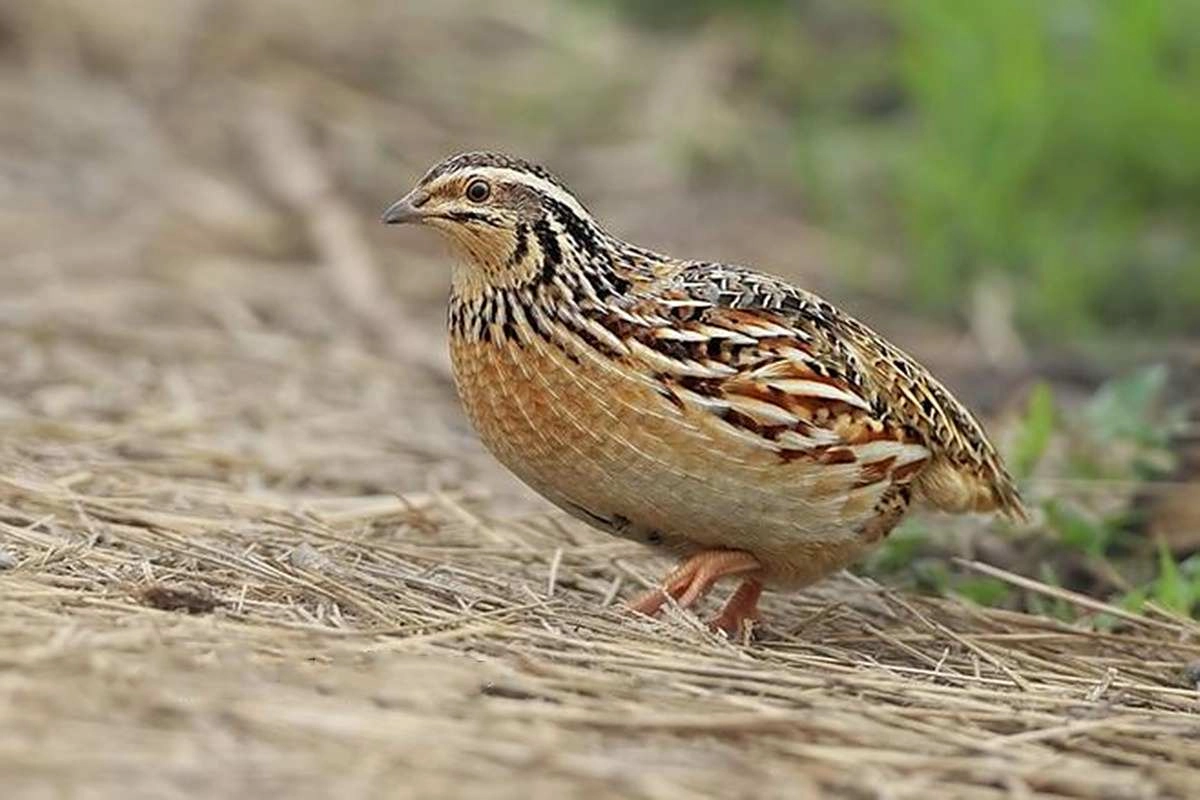
Choosing the right incubator is one of the most important decisions you’ll make when hatching quail eggs. Quail embryos are small, fast-developing, and less forgiving than chicken eggs—meaning the incubator you use can make the difference between a strong hatch and total failure.
This guide is designed to help you choose the best quail egg incubator for your needs, understand the key differences between incubator types, and confidently set up your incubator for a successful first hatch.
Quick Picks: Best Quail Egg Incubators by Use Case
If you just want a fast answer, start here.
Best for Beginners
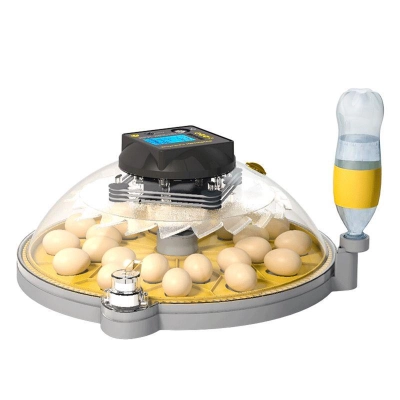
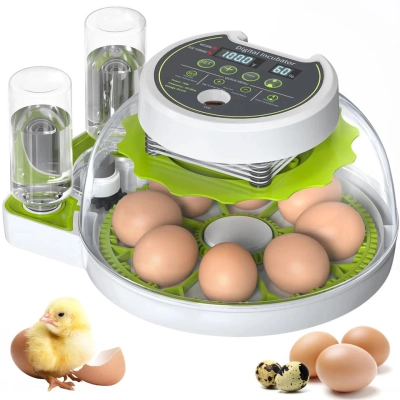
A small automatic incubator (12–18 quail eggs)
Best choice if you’re hatching quail for the first time and want to minimize mistakes. Automatic turning and stable temperature control dramatically improve hatch rates for beginners.
Best for Classrooms & Educational Use
A clear-lid incubator with external water access
Allows observation without opening the lid, reducing humidity loss and protecting developing embryos.
Best for Backyard Quail Keepers
A medium forced-air incubator (30–60 quail eggs)
Ideal for people hatching quail regularly but not at a commercial scale.
Best for Larger Breeding Projects
A cabinet-style incubator
Designed for breeders running multiple batches or large clutches at once.
Best for Unstable Room Temperatures
A well-insulated incubator with thermal mass
Helps buffer against temperature swings caused by drafts, cold rooms, or unreliable power.
Quail Incubator Types Compared
Not all incubators work equally well for quail eggs. Here’s how the main types compare.
Manual Incubators
-
Capacity: 6–12 quail eggs
-
Turning: Hand-turned
-
Best for: Experienced hobbyists only
Pros: Low cost, simple design
Cons: High failure rate if turning or timing is inconsistent
Semi-Automatic Incubators
-
Capacity: 12–24 quail eggs
-
Turning: Lever-based
-
Best for: Budget-conscious beginners
Pros: Easier than manual turning
Cons: Still requires daily attention
Fully Automatic Incubators
-
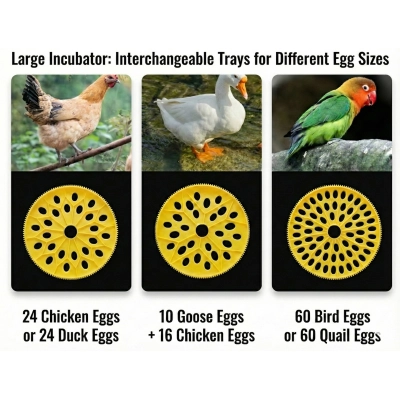
Capacity: 12–60 quail eggs
-
Turning: Motorized
-
Best for: Most quail keepers
Pros: Stable hatch rates, less human error
Cons: Higher upfront cost
Cabinet Incubators
-
Capacity: 100+ quail eggs
-
Turning: Automatic trays
-
Best for: Breeders and serious projects
Pros: Scalable, consistent
Cons: Expensive, unnecessary for small batches
How to Choose the Right Quail Egg Incubator
Capacity: How Many Quail Eggs Do You Need?
Quail eggs are small, but overcrowding reduces airflow and hatch success. Choose an incubator that allows space between eggs, not just maximum capacity.
Temperature & Humidity Control
Quail eggs require tight control:
-
Temperature: ~99.5°F (forced air)
-
Humidity: 45–55% early, 65–70% during lockdown
Poor control is one of the most common causes of failed hatches.
Egg Turning: Manual vs Automatic
Quail eggs should be turned at least 3–5 times per day until lockdown. Automatic turning significantly improves consistency and reduces embryo mortality.
Airflow & Ventilation
Forced-air incubators are strongly recommended for quail. Still-air models create temperature gradients that can harm small embryos.
Power Stability & Environment
If your incubator room fluctuates in temperature or loses power, choose a model with better insulation and avoid placing it near windows or vents.
After You Buy: Quail Incubator Setup Checklist
Before Adding Eggs
-
Run the incubator empty for 24 hours
-
Verify internal temperature with a secondary thermometer
-
Stabilize humidity before loading eggs
Correct Settings for Quail Eggs
-
Days 1–14:
-
99.5°F
-
45–55% humidity
-
Turn eggs regularly
-
-
Lockdown (Days 15–18):
-
Stop turning
-
Increase humidity to 65–70%
-
Egg Placement Tips
-
Place eggs pointed end down
-
Avoid stacking or crowding
-
Stop turning completely at lockdown
Common Quail Incubation Mistakes (and How to Avoid Them)
Opening the Incubator Too Often
Each opening causes a rapid humidity drop, which can shrink membranes and trap chicks inside the shell.
Trusting Built-In Thermometers Blindly
Many incubators display inaccurate temperatures. Always verify with an independent thermometer.
Poor Hatch-Day Preparation
Have brooder space, heat, and water ready before day 15. Rushed setups cause unnecessary chick loss.
First Quail Hatch Troubleshooting Guide
Eggs Not Hatching After 18 Days
Possible causes include low humidity, temperature fluctuations, or infertile eggs.
Chicks Pipping but Not Emerging
Usually a humidity issue. Avoid helping unless absolutely necessary.
Weak or Deformed Chicks
Often related to breeder nutrition, not incubation alone.
Frequently Asked Questions About Quail Egg Incubators
Can You Use a Chicken Egg Incubator for Quail Eggs?
Yes, but only if it allows precise temperature control and gentle turning suitable for smaller eggs.
Is Automatic Turning Necessary for Quail?
Not strictly necessary, but highly recommended for beginners and higher hatch rates.
How Many Quail Eggs Fit in a Small Incubator?
Most small incubators hold 12–24 quail eggs, depending on tray design.
Are Quail Eggs Harder to Hatch Than Chicken Eggs?
Yes. Quail embryos develop faster and are more sensitive to mistakes.
What’s the Ideal Incubation Temperature for Quail Eggs?
Around 99.5°F in a forced-air incubator.
Final Thoughts: Choosing the Best Quail Egg Incubator
The best quail incubator is the one that matches your experience level, batch size, and environment. Beginners should prioritize automation and stability, while experienced keepers can scale up as their needs grow.
Start simple, control the basics well, and your first quail hatch can be both successful and rewarding.

0 Comments