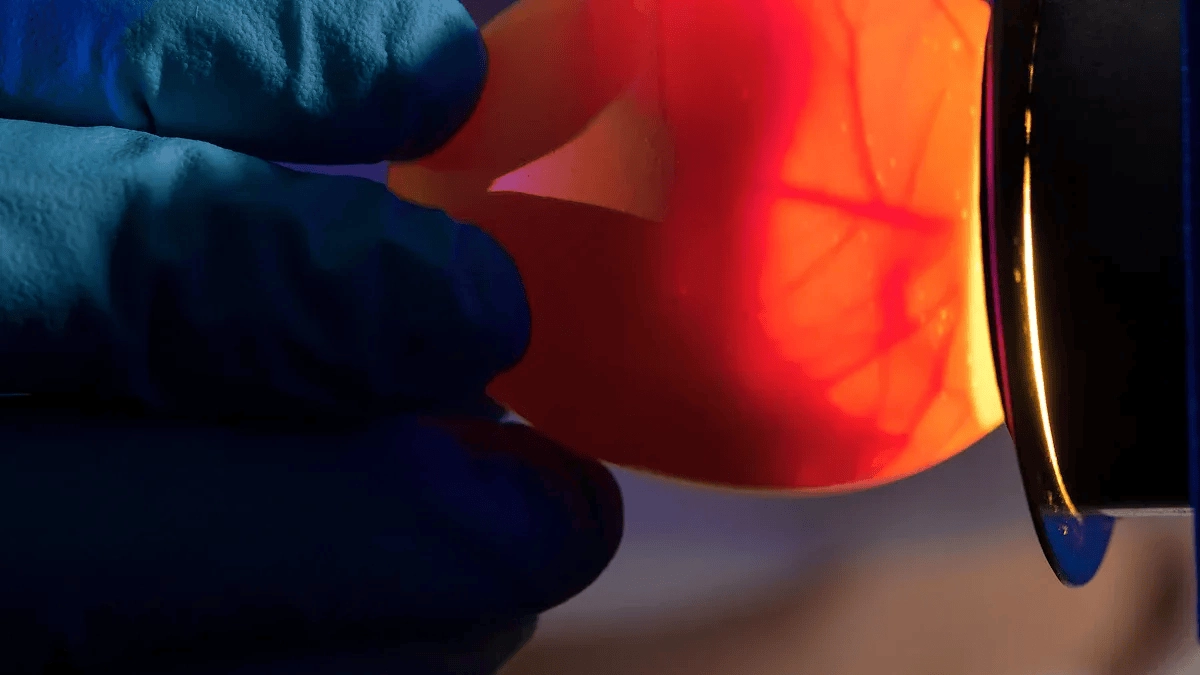
This page is a practical how-to for anyone hatching chicken, duck, or quail eggs at home who wants to candle safely and get clear yes or no answers at the right checkpoints. Quick answer: Use a cool LED egg candler with a focused beam and a snug seal on the shell, candle in a dark room, keep each check short (about 10 to 20 seconds per egg), and stick to a few key days (like Day 7, Day 14, and lockdown). If you can only change one thing, reduce lid open time because steady temperature and humidity matter more than daily peeking. Tip card: Pick the tool and routine that keep eggs warm and humidity steady — cool light, tight seal, short checks.
Key Takeaways
-
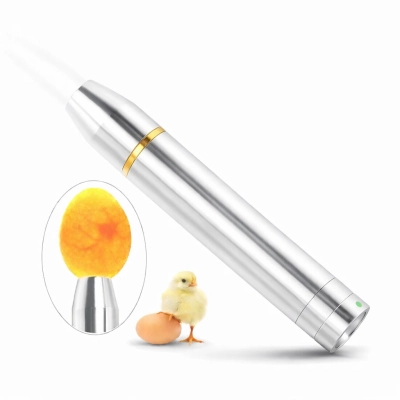
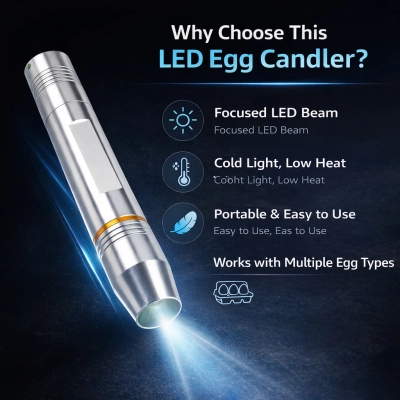
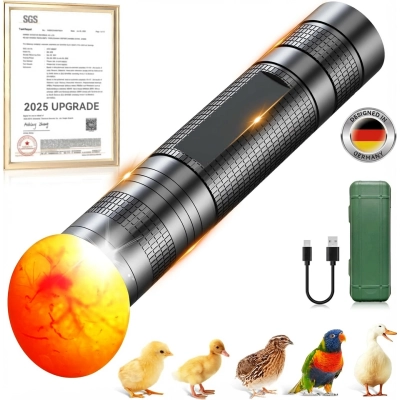
Pick a cool LED egg candler from our Egg Candlers collection. Cool light helps protect shells and embryos from heat stress during checks.
-
Use a focused light beam with a snug seal at the wide end of the egg. Less light leak means clearer veins and air cell views in less time.
-
Candle at a few checkpoints, not every day. Fewer sessions means fewer temperature and humidity swings.
-
In a dark room, aim for a fast decision: developing versus not developing. Mark questionable eggs and re-check once at the next checkpoint.
-
Keep handling gentle and brief. Short checks protect hatch progress and reduce mistakes.
What does an egg candler light reveal during inspection?
An egg candler light helps you see what the egg is doing without cracking it open. The goal is not to study every detail inside the egg. The goal is to make a few simple decisions at the right time so you protect the hatch.
What you see inside a hatching egg
With a good LED candler, you can usually identify three useful signals during the hatch cycle:
-
Veins early: branching lines that suggest the embryo is developing.
-
Darker mass later: growth that takes up more of the egg as days pass.
-
Air cell: the lighter pocket at the wide end that changes as incubation continues.
If you are new to candling, follow a single repeatable method and keep the goal simple: confirm progress, then close the incubator again.
Focused light for dark shells
Darker shells and thicker shells can hide details. A focused beam and a tight seal help more than extra fiddling. If you struggle to see veins, improve the setup first: darker room, better seal, and shorter check time.
Brightness vs. handling time for safety
Too much time out of the incubator can cool eggs and stress development. A bright, focused light helps you see what you need quickly. Your best safety rule is to keep checks short and consistent, not to chase perfect visibility.
Tip: If you cannot decide in under 20 seconds, mark the egg and re-check at the next checkpoint. Do not keep the incubator open.
LED egg candler light vs flashlight: key differences
Many people try a flashlight first. That can work for a quick look, but a dedicated LED egg candler is usually easier to seal to the egg and easier to use quickly. Faster checks are safer checks.
Beam shape and glare control
Glare and light leak are the main reasons beginners feel confused during candling. A candler built for eggs lets you press gently to the shell so most light goes through the egg rather than leaking around it.
Heat and comfort during candling
Heat is a risk when you hold a light in contact with the shell for too long. A cool LED candler reduces that risk, but your best protection is still time management: check quickly and return eggs to stable conditions.
Battery and one-hand use
One-hand handling reduces drops and awkward egg rotation. A small handheld candler is often safer than balancing an egg near a phone or a bulky flashlight.
Quick comparison: Choose the light source that gives a clear view fast, without warming the shell.
- LED egg candler: focused beam, cooler on contact, easiest to seal to the shell.
- Flashlight or phone light: can work in a pinch, but more glare and light leak and less consistent results.
- Best for: frequent hatching uses a dedicated LED candler, occasional checks use a strong flashlight with a dark room.
Top 5 features for a safe egg candler light
The best egg candler is not just bright. It helps you get a clear view fast, with minimal heat and minimal light leak. That keeps eggs safer and keeps your hatch routine consistent.
Cool light and safe shell contact
Choose a cool LED design and keep contact time short. If a light feels warm on your skin after a short test, it may be too warm for long candling sessions. A cool light helps you avoid overheating the shell.
Focused beam and tight seal
A focused beam and a snug seal help you see inside the egg without glare. This is especially important for darker shells. If you see mostly glare, adjust angle and seal before you do anything else.
Tight seal matters: A snug seal blocks light leak so you can read veins and air cell shape with less glare.
- Press the candler gently to the wide end of the egg to reduce halo glare.
- If you see mostly glare, adjust angle first before you increase brightness.
- A good seal lets you finish each check faster, which keeps eggs warmer.
Portability and grip
A small, grippy body makes candling safer because you control the egg with less fumbling. If you candle over a hard surface, use a towel or soft mat under your hands to reduce break risk.
Rechargeable battery and runtime
Battery strength matters because dim lights force longer checks. If your light fades mid session, you will take longer, open the incubator longer, and increase risk. Charge before checkpoint days.
How to candle hatching eggs safely at home
This section is your repeatable routine. You can use the same steps for chicken, duck, and quail eggs, but keep the purpose the same: quick check, then close the incubator.
Dark room and setup basics
Turn off room lights or candle in a dark closet. Have a pencil or marker ready to label eggs. Get everything set up before you open the incubator so the lid is open for the shortest possible time.
Gentle handling and rotation
Hold the egg at the wide end and rotate slowly. Do not shake. Look for a clear vein pattern early, then look for a growing dark area later. If you cannot see well, improve the seal and angle.
Quick return to incubator
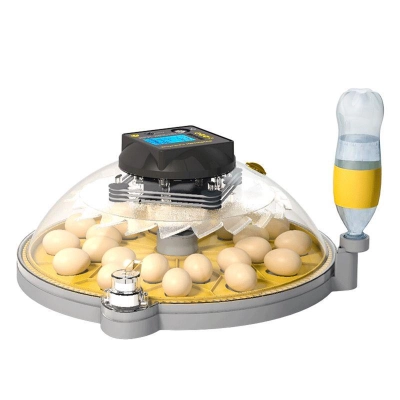
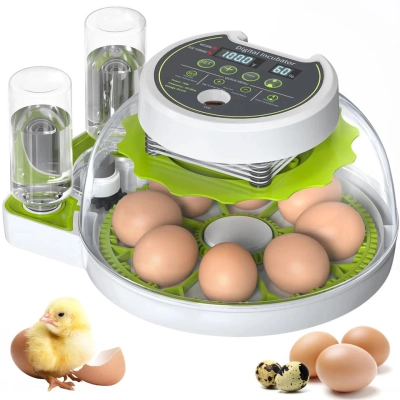
When you candle, open the lid as little as possible—steady heat and humidity protect the hatch. If you are running a full hatch cycle and want less lid-opening and more consistency, use an incubator setup designed for stable temperature/humidity and automatic turning to reduce handling. Return the egg to the same position and close the lid. If you candle multiple eggs, work in small batches so the incubator does not sit open while you decide what you are seeing.
Tip: Do not candle eggs every day. Candling is a checkpoint tool, not a daily habit.
If you want a deeper walkthrough with photos and hand positions, see our step by step guide to inspecting eggs with an egg candler.
Best times to candle eggs: checkpoint guide
Use checkpoints so you get useful information without disturbing the hatch. For most chicken egg hatches, Day 7 and Day 14 give you the clearest progress signals. Avoid long sessions and avoid frequent re-checking.
Early check (Day 7): what to look for
Your Day 7 goal is simple: identify eggs that show clear development signals.
Day 7 checkpoint: Your goal is a simple developing vs. not developing decision.
- Developing: clear veins branching from a darker spot; egg looks alive.
- Not developing: mostly clear or empty with no vein network.
- Action: mark questionable eggs and re-check once at Day 10 or 11 instead of re-candling daily.
Mid check (Day 14): key changes
By Day 14, many eggs show obvious growth. You should see a larger dark area and less see-through space.
Day 14 checkpoint: You should see a larger dark mass and less see-through space.
- Normal: darker area grows; air cell is visible at the wide end.
- Concern: no growth since Day 7, or a clear egg that still looks empty.
- Action: remove obvious non-developers to reduce contamination risk.
Late check (Lockdown): what not to do
Lockdown is the final stage before hatch. At this stage, avoid opening the incubator unless you must. High humidity and stable temperature help chicks hatch safely. Frequent opening can drop humidity and cause problems.
Tip: During lockdown, do not keep checking for movement. Trust your setup and let the hatch happen.
If you want a beginner friendly safety focused routine, read Egg Candling at Home Safely.
Common mistakes that make candling results confusing
Most candling mistakes come from setup and timing, not from the eggs themselves. Fix the routine first and the view will usually become clearer.
Misreading shadows or dirty shells
Dirty shells and glare can make a healthy egg look strange. Clean view starts with clean setup.
Shadow reading rules: Most weird candling views are angle, dirt, or light leak, not embryo problems.
- Wipe dusty shells gently (dry cloth) before you candle.
- Rotate the egg slowly; confirm what you see from two angles.
- If unsure, mark and re-check once at the next checkpoint (do not keep opening the incubator).
Over-candling and stressing the hatch
Candling too often is one of the fastest ways to create temperature and humidity swings. A good candler helps you check faster, but frequency still matters. Stick to checkpoints and keep each session short.
Skipping logs or checkpoints
If you do not write down what you saw, it is hard to learn what works. A few lines per checkpoint is enough to improve the next batch.
Checkpoint discipline: Skipping logs is how small problems become mystery hatch failures.
- Record date plus day of incubation plus what you saw (veins, dark mass, air cell).
- Note any long lid open events or room temperature swings.
- Use the same checkpoints each batch so you can compare results.
Which egg candler light should you buy?
If you hatch more than once, a dedicated LED candler is usually worth it because it reduces time per egg. You want a cool light, a focused beam, and a snug seal so you can finish checks quickly.
If you are shopping now, a LED egg candler light built for hatching makes it easier to see veins early and reduce glare on darker shells.
Candling log template: simple and repeatable
You do not need a complicated spreadsheet. Use a minimal template that helps you make the same decisions each batch.
Minimal candling log (copy/paste):
- Date / Incubation day:
- Egg ID(s):
- What you saw: veins / dark mass / movement / air cell
- Action: keep / re-check / remove
- Notes: lid-open time, room temp, odors
Interpretation table: outcome terms and actions
Use outcome words that lead to a clear next step. This keeps decisions consistent and reduces second guessing.
Interpretation quick guide: Use outcome words that lead to a clear next step.
- Developing: keep and re-check at the next scheduled day.
- Clear / not developing: remove to reduce contamination risk.
- Blood ring or bad smell: remove immediately and clean hands/tools.
FAQ
Can you candle eggs with a flashlight?
Yes, you can, but it is often slower and more glare prone. If you hatch regularly, a real egg candler is easier to seal and faster to read, which helps protect incubator stability.
What if you see a blood ring during candling?
A blood ring often means the embryo stopped developing early. Remove that egg right away. This helps protect the rest of the batch from contamination and odor.
Why does a tight seal matter when candling?
A tight seal keeps light from leaking out. You see inside the egg more clearly and finish checks faster. Faster checks help protect temperature and humidity stability.
Is it safe to candle eggs every day?
No. Candling every day increases lid opening time and can stress embryos. Stick to main checkpoints so you reduce disturbance and keep the hatch on track.
Data authenticity note: This article is for educational purposes. Real candling results vary with egg fertility, shell thickness and color, incubator stability, and how long eggs are out of the incubator during checks. If you see persistent losses, strong odors, or signs of illness, consult a qualified poultry professional or veterinarian for situation-specific advice.


0 Comments