You want safe steps for goose assisted hatching. Start by checking if your gosling is stuck because of a thick shell or dry membrane. Goose eggs have thicker shells and membranes than chicken eggs, and they need more humidity and oxygen during hatching. Use a goose egg incubator for better space and airflow control. You must use patience and watch for signs that show if assisted hatching is needed. Always put safety first when helping ducklings and goslings. Only act if you see your duckling or gosling cannot hatch alone.
Tip: After an external pip, wait at least 24–48 hours before you try assisted hatching (continue to monitor). If only an internal pip with no external pip, the interval can be up to ~40 hours before intervention such as a small air-cell safety hole is considered.
Key Takeaways
-
Be patient: goose embryos progress more slowly than chickens. Use clear stop/go checks rather than the clock alone.
-
Track egg weight loss ≈12% from set to lockdown as the primary control. If loss <9–10%, lower RH/consider brief cooling; if >15–18.5%, raise RH.
-
Humidity bands: keep 55–65% RH through day ~27, then raise to 70–75% RH for lockdown and hatch to prevent shrink-wrapping.
-
Temperature: maintain the hatcher at 99–99.5°F (37.2–37.5°C) during the final days.
-
Assist only if safe: visible blood vessels or unabsorbed yolk = wait; work only on the air-cell side with micro-window; stop if you see blood.
Goose Egg Hatching Stages
Internal Pip to Hatch
Goose eggs take longer to incubate than chicken eggs. You usually see goslings start to hatch after 28–35 days, with most hatching around 30–32 days. When you watch your eggs, you notice the first big step is called the internal pip. This means the gosling pokes through the inner membrane into the air cell inside the shell. The duckling or gosling starts breathing air for the first time. You might hear soft peeping sounds from inside the egg.
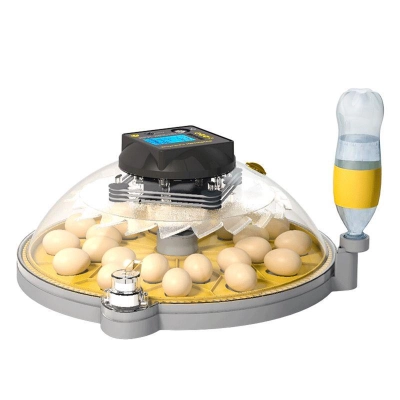
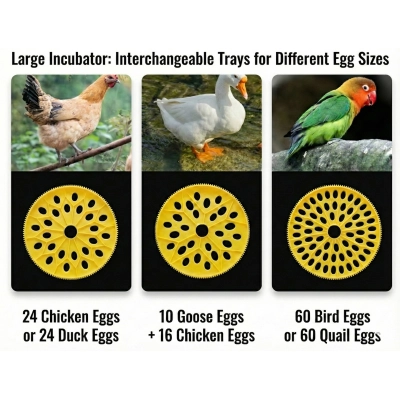
After the internal pip, the gosling needs time to rest and absorb the yolk. The next step is the external pip, where the gosling cracks the shell from the inside. You see a small hole appear on the shell. The gosling then begins the process called zipping, where it chips away at the shell in a line. Finally, the gosling pushes out and hatches. For mixed species or varied egg sizes, a universal egg incubator with adjustable trays helps.
Here is a simple table showing the main stages of goose egg hatching:
|
Stage |
Description |
Duration |
|---|---|---|
|
External Pip |
Goslings rest and absorb the yolk into their abdomen. |
12–24h common; up to 48h |
|
Zipping |
Gosling chips the egg in a horizontal line. |
Usually ≤ 8h |
|
Hatching |
Gosling pushes the shell apart and emerges. |
Typically within 1–3h after zipping |
|
Drying and Resting |
Gosling dries and rests in the incubator. |
Up to 24h |
|
Feeding from Yolk Sac |
Absorbed yolk sac feeds the goslings. |
Up to 3 days |
Waiting Times
You need patience during hatching. After the internal pip, goslings may take up to 24–40 hours to make the external pip. Most chickens take 12–18 hours from pip to zip, but goslings are slower. Once you see the external pip, give your gosling 12–24 hours to hatch on its own; some need up to 48 hours.
Tip: Always watch for progress before you help. Goslings need time to absorb the yolk and rest. If there is no progress after the above windows, check safety signs before any assistance.
Why Goslings Get Stuck
Thick Shell and Membrane
Goose eggs have a shell and membrane that are much thicker than chicken eggs. When you tap a goose egg, the shell feels harder. The membrane inside stretches more before it pulls back. This makes it tough for goslings to break out, especially if they are weak or not in the right position. Sometimes, a gosling gets to the internal pip stage but cannot finish zipping the shell. You might hear peeping but see no progress.
Here is a table that shows how goose eggs compare to chicken and duck eggs:
|
Egg Type |
Shell Thickness Uniformity |
Sphericity Index (SI) |
|---|---|---|
|
Chicken Eggs |
Significant correlation |
Greater than 76 |
|
Duck Breeds |
Significant correlation |
Between 72 and 76 |
|
Goose Breeds |
No significant correlation |
Less than 72 |
A thick shell and membrane can slow hatching down. Watch for malpositions, which happen when the gosling is not lined up right inside the egg. If you see a gosling stuck after pip, check if the membrane looks tough or rubbery.
Geese and ducks can take up to 3 days to finish hatching. A working rule of thumb is ~24–40h from internal to external pip, then ~12–24h from external pip to zipping; zipping itself is typically ≤8h. Keep humidity high (around 70–75% RH) so the membrane does not dry out and 'shrink wrap' the gosling.
Humidity and Oxygen Needs
Humidity is very important for goose hatching. If the air is too dry, the membrane can shrink and stick to the gosling. This is called shrink wrapping. Keep humidity between 55–65% RH for the first ~27 days and raise it to 70–75% RH for the last days. Use weight loss ≈12% and air-cell growth as the primary check, adjusting RH to meet that target.
-
Maintain 55–65% RH (set) → 70–75% RH (lockdown/hatch) for stable development.
-
Goose eggs should lose about 12% of starting weight; <9–10% or >15–18.5% correlates with higher losses.
-
Ensure adequate oxygen; increase ventilation gradually as hatch approaches to avoid CO2 buildup.
If you see the membrane is brown or yellow, it may mean the humidity was too low and the gosling is stuck. Always look for signs of trouble and act slowly. Goslings in bad positions or stuck need careful watching and gentle help.
Safety in Goose Assisted Hatching
How to Know If It’s Safe to Help
You want to make sure you keep safety as your top priority during goose assisted hatching. Before you assist a pipped-but-stuck duckling or gosling, check for clear signs that it is safe to help:
-
Active blood vessels visible = do not assist.
-
Yawning/chewing motions (ongoing yolk absorption) = wait.
-
No visible vessels, chick weak/silent, or membrane dry = local assistance may be appropriate.
Always start with a safety hole in the air cell. Work only on the air-cell side. If you spot blood or yolk, stop immediately.
Tip: “Wait, check, act” — in small steps; air-cell side only; stop with blood or yolk.
Signs to Wait or Intervene
Safety during assisted hatching depends on careful observation. Use this table to guide decisions:
|
Sign |
What to Do |
|---|---|
|
Blood vessels visible |
Wait |
|
Yawning or chewing motions |
Wait |
|
No progress after external pip |
Consider local assistance after ≥24h |
|
Membrane dry or shrink-wrapped |
Raise humidity to 70–75% RH, then assist |
|
Gosling weak or silent |
Make safety hole (air cell) and assist if safe |
Monitor for blood vessels and yolk; if present, stop and wait. Help only when signs show readiness and progress has stalled.
Preparing for Assisted Hatching
Tool Checklist
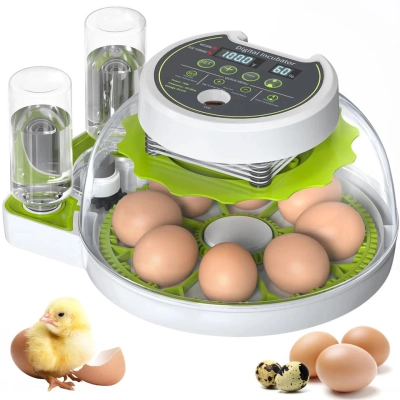
Get your tools ready before you help a stuck gosling. Clean tools keep you and the gosling safe. Here is a list of what you need. If you expect larger eggs, choose an automatic duck/goose egg incubator with dual-motor turning.
-
Poultry incubator with reliable airflow and turning (for geese)
-
Clean cotton swabs
-
Small scissors or tweezers
-
Warm saline or unscented oil
-
Hand sanitizer
-
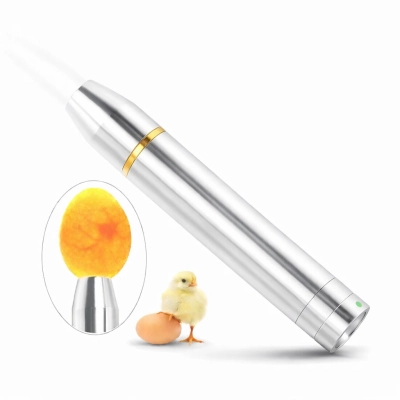
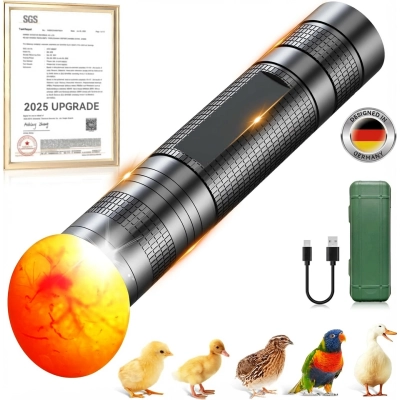
Flashlight or egg candling light (LED) — track air-cell growth
-
Warm, moist sponge or paper towel
-
A soft, clean surface like a sponge or folded towel
Tip: Wash your hands and clean your tools before touching the egg.
Put all your tools close by. Work calmly and gently to avoid chilling.
Setting Humidity
Set the right humidity and temperature for safe assisted hatching. In the last days, keep an automatic egg incubator with temp and humidity control at 99–99.5°F (37.2–37.5°C). For geese, use 55–65% RH during incubation and 70–75% RH at lockdown/hatch; for a stuck gosling during assistance, stay near the upper end to keep the membrane supple. Use weight-loss and air-cell growth to verify you are on target.
Try these tips to keep humidity up:
-
Use a big water pan to add more moisture.
-
Add warm water so the temperature does not drop.
-
Put a damp cloth or sponge inside for extra moisture.
-
Do not open the lid often. If you need to, cover the egg with a warm, wet cloth.
-
Check humidity with a good RH sensor. Use a second sensor to be sure.
Good incubator conditions need gentle airflow. Increase ventilation gradually near hatch. Cooling/misting is optional: use short daily cooling (e.g., 15–20 minutes) and a light mist only if weight-loss lags your ~12% target; discontinue at lockdown.
Note: Keep conditions steady; use the weight-loss target as your main guide.
Guide to Assisted Hatching
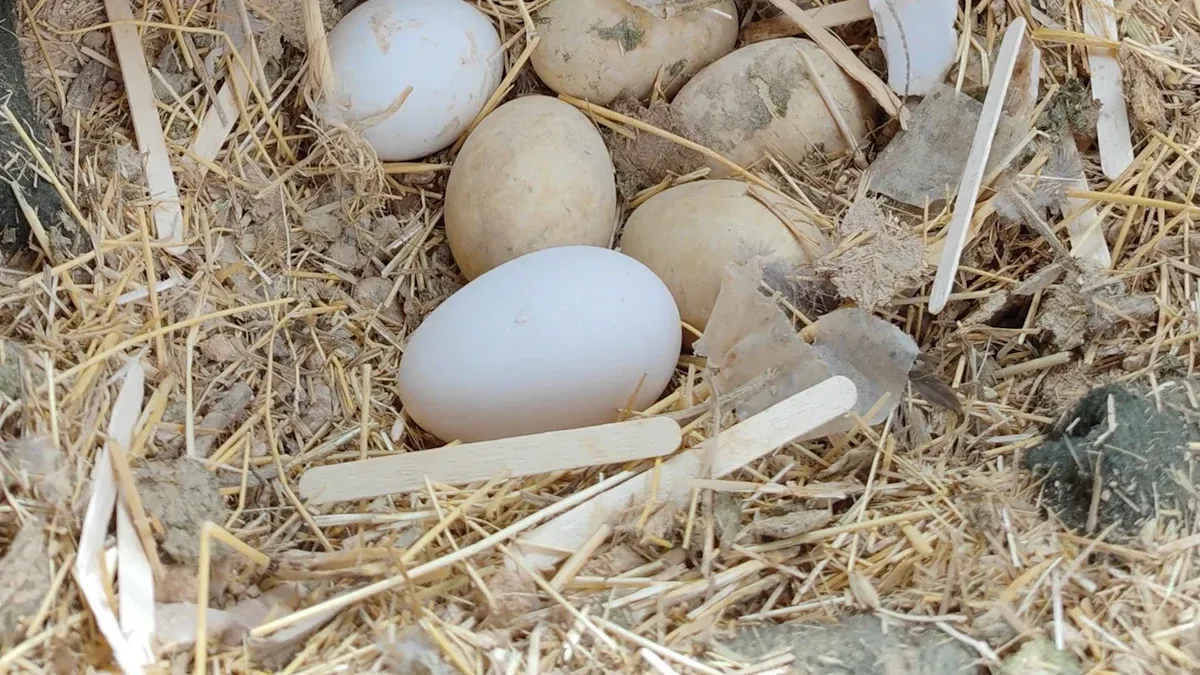
Micro-Window Method
You can use the micro-window method to help a pipped-but-stuck gosling during the hatching process. This assisted hatching method works best when you see no progress after the expected waiting windows and the gosling seems stuck. Keep the incubator at 99–99.5°F and humidity at 70–75% RH during assistance. For quick shopping across sizes, see our egg incubators.
Follow these steps for the micro-window method:
-
Find the air cell end with a flashlight.
-
Use small scissors or tweezers to make a tiny window (~1–2 cm) on the air-cell side only.
-
Look inside the window. If you see blood vessels or unabsorbed yolk, stop and wait.
-
If the membrane looks thick or dry, lightly moisten it.
Tip: Air-cell side only; take small steps; stop if bleeding occurs.
Moist Membrane Steps
Keeping the membrane moist is very important during assisted hatching. Dry membranes can shrink and trap the gosling.
Best practices:
-
Moisten a cotton swab with warm saline or a tiny amount of coconut oil.
-
Gently dab the exposed membrane; avoid flooding the nares.
-
Recheck every 10–15 minutes and maintain high RH.
You can use a table to remember what to do:
|
Step |
What to Use |
How Often |
|---|---|---|
|
Moisten membrane |
Warm saline/coconut oil |
Every 10–15 minutes |
|
Check for dryness |
Flashlight |
Each check |
|
Maintain humidity |
Water pan/sponge |
Throughout |
🧼 Note: Always use clean tools and fresh saline or oil.
Step-by-Step Release
Assist in small, spaced steps; never rush. Use this step-by-step guide:
-
Open the micro-window on the air-cell side.
-
Check for blood vessels and yolk; if present, stop and wait.
-
Moisten the membrane every 10–15 minutes.
-
Free the beak and neck first; then pause 10–15 minutes.
-
Continue only after vessels recede and yolk is absorbed.
-
Peel back small sections; never pull forcefully.
-
After release, keep the gosling in high humidity for 4–8 hours to recover and dry.
🐣 Alert: Active vessels or visible yolk = stop immediately and return to warm, humid conditions.
Always focus on safety and patience. The hatching process takes time, and gentle steps give the best results.
Decision Chart: When to Help or Stop
Knowing when to wait, assist, or stop during goose assisted hatching can make a big difference. Use this chart:
|
Situation |
What You Should Do |
Key Number/Time |
|---|---|---|
|
Active blood vessels or unabsorbed yolk seen |
Wait and recheck |
Every 1–3h |
|
No progress after external pip |
Consider local assistance |
≥24h |
|
Membrane is dry, stuck, or shrink-wrapped |
Moisten and assist locally |
As needed |
|
Gosling breathing is labored or weak |
Assist locally if safe |
As needed |
|
Fresh bleeding or sudden weakness during assistance |
Stop immediately, reassess |
Right away |
Tip: Pause with any bleeding; resume only after vessels have receded.
Wait Longer
If you see active blood vessels or an unabsorbed yolk, your gosling is not ready. Give it more time. Many goslings need extra hours to finish absorbing nutrients.
-
Look for gentle movement or soft peeping.
-
Recheck every 1–3 hours.
-
Keep humidity high and temperature steady.
🕒 Note: Patience protects the gosling and improves outcomes.
Local Assistance
If there is no progress after the waiting windows or the membrane looks dry and stuck, assist locally. Free the beak/neck first and proceed in small steps.
-
Moisten the membrane every 10–15 minutes.
-
Peel back only small sections; stop if blood appears.
-
If a “lid” forms, you can help remove it.
💡 Tip: Safety hole in the air cell can prevent suffocation if the beak blocks the air-cell edge.
Stop Immediately
Stop if you see fresh bleeding or sudden weakness. Return the egg to warm, humid conditions and reassess after a rest period.
-
Place the egg back in the incubator right away.
-
Raise humidity to 70–75% RH.
-
Reassess after vessels have closed.
🚨 Alert: Never force the process. Blood or yolk exposure means pause.
This decision chart helps you know when to wait, when to assist, and when to stop.
Aftercare for Assisted Goslings
Monitoring Recovery
After assisted hatching, place each gosling in a brooder with a reliable heat source. Keep the temperature at 85°F for the first week, then lower by 5°F per week until ~70°F. Provide a waterfowl starter (consider niacin supplementation). Keep bedding dry; offer shade in hot weather.
Supervise any swimming during the first week and ensure easy exit to prevent chilling or exhaustion.
🐥 Tip: Clean bedding and fresh water support recovery after assisted hatching.
Signs of Distress
Watch for early signs of trouble in the first week: not eating, prostration, or increased mortality within 2–5 days. Older goslings may show weakness, excessive drinking, nasal/ocular discharge, swollen oil glands, or white watery droppings. Heads down, eyes closed, drooping wings, or ruffled feathers signal urgent attention.
You play a key role in goose assisted hatching. Use unified targets—12% weight loss, 55–65% → 70–75% RH, 99–99.5°F—and clear safety checks. Patience helps you avoid shrink-wrapping or bleeding.
-
Premature help can cause shrink wrapping or bleeding.
-
Careful monitoring tells you when to act.
Use the decision chart and follow each step in the guide. Handle goslings gently and watch them closely for a healthy start.
FAQ
How long should you wait before helping a pipped goose egg?
After an external pip, wait 24–48 hours while monitoring. If only internal pip with no external pip, the interval can be up to ~40 hours before considering a safety hole.
What tools do you need for assisted hatching?
You need clean cotton swabs, small scissors or tweezers, warm saline, a flashlight, hand sanitizer, and a moist sponge.
How do you know if it is safe to assist a gosling?
Check for blood vessels and yolk; if present, wait. Help only when the membrane looks dry, progress has stalled, and the gosling appears weak.
What humidity level helps prevent shrink-wrapping?
Keep 70–75% RH during lockdown/hatch; verify overall with ~12% weight loss across incubation.
What should you do if you see blood while assisting?
Stop immediately, return the egg to warm, humid conditions, and reassess after vessels have closed.



0 Comments