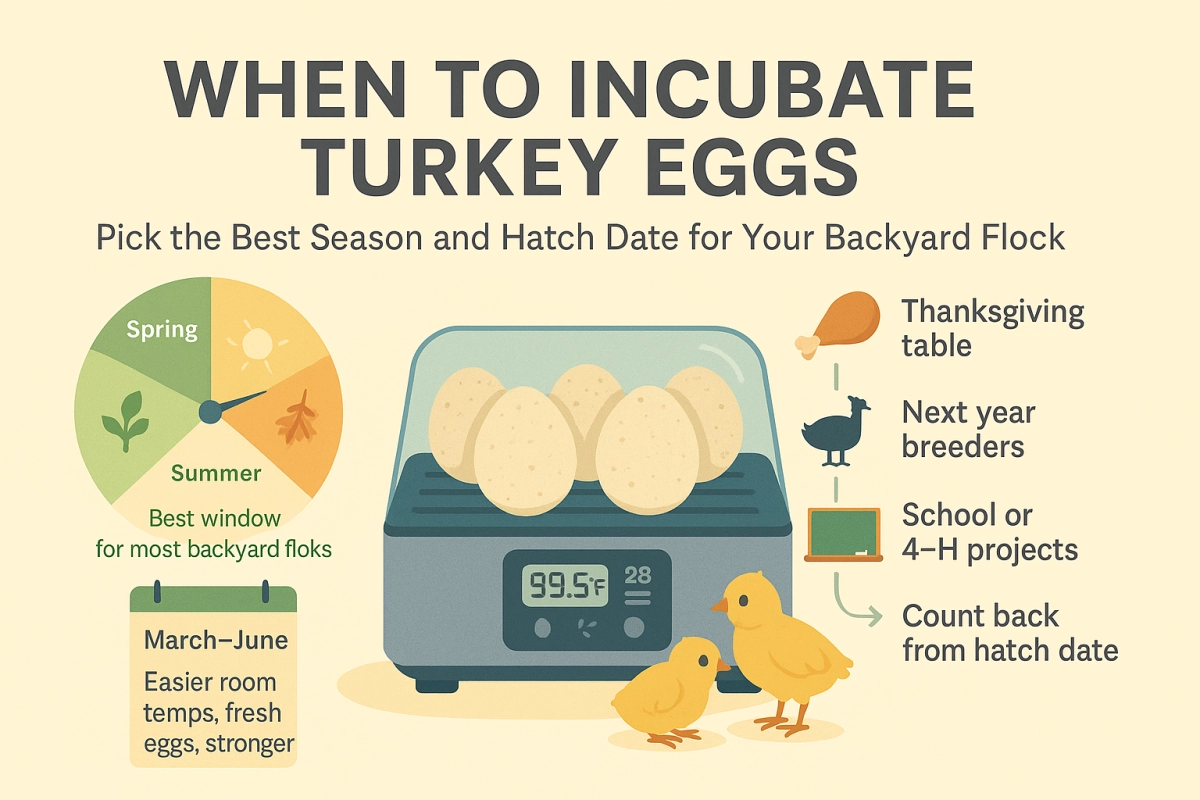
If you raise turkeys at home, you do not just want to know how to incubate turkey eggs. You also want to know when to start. The time of year changes how easy it is to keep the incubator steady, how much you spend on heat or cooling, and how well your poults handle the weather when they hatch.
Before you think about spring, summer, or winter, you first need eggs that are still fresh and strong. The longer you hold eggs before you set them, the more risk you add. The chart below shows how holding time can change poult survival in the first week, even when the incubator is set up well.
|
Holding Time (hours) |
Mortality Rate at 7 Days (%) |
|---|---|
|
6 |
1.82 |
|
24 |
1.82 |
|
60 |
1.82 |
|
72 |
6.15 |
So timing is not only about the calendar. It is also about how quickly you go from nest to incubator and how ready you are to care for poults once they arrive. With that in mind, let’s pin down the best time of year to incubate turkey eggs and how to adjust that time for your flock and your climate.
Key Takeaways
-
For most backyard turkey keepers in temperate climates, the safest and simplest time to incubate turkey eggs is late spring into early summer, roughly March through June, when weather is mild and close to the natural breeding season.
-
The “best” month shifts with your climate, your turkey breed, and your goal. Meat birds for Thanksgiving, breeders for next year, pasture-based birds, and school projects all need slightly different start dates.
-
Season does not change the core incubation settings. You still aim for about 28 days, around 99.5°F and moderate humidity. Season only changes how hard it is to hold those settings and to care for poults after hatch.
-
Incubating in deep winter or in the hottest part of summer is possible, but the work, risk, and power use go up. In those windows, success depends on a stable incubator, careful room placement, and honest planning of your own time.
Best Time to Incubate Turkey Eggs
Quick Answer for Most Keepers
If you want a simple starting point, you usually get the best results when you incubate turkey eggs in spring and early summer. In many regions that means setting eggs sometime between March and June. This lines up with the natural breeding season and with the time of year when outdoor conditions are most forgiving.
In spring, hens are laying well and eggs are fresh. Air temperatures are cool at night but not brutal. Days are warming, insects and plants are coming back, and your poults will grow into warmer weather instead of fighting the worst cold or heat.
-
Eggs are more likely to be fertile and handled recently by healthy hens.
-
Poults hatch into a season with rising temperatures and more natural feed around them.
-
You spend less on heavy heating or extreme cooling for brooder and barn.
When you push incubation very early in the year, you may save a little calendar time but you often trade that for high heating bills and fragile poults. When you push it very late into the heat of summer, you fight room temperature swings, humidity spikes, and heat stress just when your poults are at their most delicate stage.
Factors That Shift the Best Time
The broad answer “spring is best” hides a lot of real life detail. Your local climate, the kind of turkeys you keep, and what you want from this batch all shift the best month for you. You do not need a perfect day on the calendar, but you do need a window that fits your birds and your life.
Climate and weather
-
In colder areas, late spring is usually safer than late winter. Early hatches mean you pay more for heat and you walk a tightrope with drafts, frozen waterers, and sudden storms.
-
In hot or very humid areas, midsummer hatches can be tough. Your incubator sits in a warm room, your brooder can overheat, and humidity can jump fast after storms.
-
Mild regions have more freedom. You can start a little earlier or a little later, as long as you match your hatch date with the stage of grass and insect life you want for your poults.
Breed differences
-
Heritage breeds are more likely to go broody and sit their own nests. If you want them to raise poults, you can let their natural laying season guide your artificial incubation too.
-
Broad-breasted meat strains lean harder on incubators and brooders. For these birds you will depend more on the machine and less on a hen, so season and equipment play a bigger role.
Your goals
-
If your main goal is a Thanksgiving table bird, the start date should match your target butcher week.
-
If you want breeders, you may want birds mature and in good condition before next spring’s mating season.
-
If you plan to run birds mostly on pasture, you want the hatch to sit just ahead of your reliable grass and bug window.
When you incubate outside the ideal window for your region and setup, nothing “breaks” right away, but you feel it later. You see weaker poults, higher losses in the brooder, and heavier work every day. Matching the time of year to your climate, breed, and goals is often the cheapest improvement you can make.
Turkey Breeding Season and Natural Timing
Wild and Domestic Turkey Cycles
In the wild, turkeys do not follow your school calendar or holiday plans. They respond to daylight and weather. As days get longer and temperatures rise, toms start to gobble and strut, and hens begin to look for safe nest sites on the ground. Most wild hens lay and sit in spring, then hatch broods as warm weather and insects peak. :contentReference[oaicite:0]{index=0}
|
Turkey Subspecies |
Typical Breeding Season (Region) |
Notes |
|---|---|---|
|
Eastern Wild Turkey |
Late Feb–June (earlier south, later north) |
Most common in the U.S.; poults usually hatch by June or mid-summer. :contentReference[oaicite:1]{index=1} |
|
Florida (Osceola) Wild Turkey |
Jan–May in southern Florida |
Warm spells can trigger early gobbling and nesting in January in the far south. :contentReference[oaicite:2]{index=2} |
|
Rio Grande Wild Turkey |
Early spring–mid summer (varies by Texas region) |
Nesting can run from early spring into July or August across Texas. :contentReference[oaicite:3]{index=3} |
|
Merriam’s Wild Turkey |
Spring, with peak activity in April–May |
Breeding responds to longer days and warming mountain weather. :contentReference[oaicite:4]{index=4} |
Domestic flocks feel the same triggers. Hens lay most heavily in spring and early summer, even when you keep them in a backyard. You can push things a bit with artificial light and careful feeding, but you are always working around this basic pattern.
Aligning Incubation with Nature
When you incubate turkey eggs during the natural laying and nesting season, you get several quiet advantages. Egg supply is steadier, shell quality is better, and fertility is usually higher. You are not begging a tired hen in August or a stressed bird in deep winter to give you one more clutch.
You also line up the 28-day incubation with the time of year when a wild hen would sit. That means your poults hatch into temperatures and day length that match how their bodies and behavior evolved. You still control the incubator, but you are not fighting nature every step of the way.
If you want to dig into the technical side of temperatures and humidity while you plan your dates, you can read our turkey egg incubation temperature and humidity guide . It explains why the standard settings work well across seasons and how to make small changes when you need them.
Planning Backward from Your Goals
Meat Birds and Holiday Timing
Most people do not incubate turkey eggs just to watch embryos grow. They have a date in mind. For many small farms that date is Thanksgiving. Others want birds ready for a local market week, a family reunion, or a seasonal menu in a farm kitchen.
A simple way to plan is to start from your desired butcher week and count backward. Broad-breasted meat strains often reach a table weight in roughly 16–20 weeks after hatch, depending on feed and management. Heritage birds usually take longer. On top of that, you add about 28 days of incubation.
Imagine you want a broad-breasted tom ready for the fourth week of November. You can count back about 18 weeks for growth and 4 weeks for incubation. That puts your set date around late June or early July in many cases. If your climate is very hot then, you may choose to start a bit earlier in late May and grow birds into cooler fall weather instead of trying to incubate in peak summer heat.
Pasture and Weather Considerations
Many homesteaders want poults that can move onto grass as soon as it is safe. That means you do not only watch calendar dates, you also watch your frost-free period, your rain patterns, and when bugs really show up.
You can break the growth path into three simple blocks in your head. You have about 4 weeks in the incubator, then 6–8 weeks of high-heat brooder care, then a longer stretch of outdoor growth. If you want poults outside during your best 8–10 weeks of grass and mild weather, you start them so that the end of brooder life touches the start of that window.
In a cold region, that often means setting eggs a little later than your heart wants, so your poults are not trying to move out into slush. In a hot region, it may mean pushing the hatch toward the shoulder seasons such as early spring or early fall so that birds are not learning to eat and move in brutal heat.
School and 4-H Project Planning
Classrooms and youth projects add another layer. The calendar is fixed and adult time is limited. You want the full experience for students, but you do not want a brooder full of poults in the room during exams or holiday closures.
Many teachers find it easiest to start incubation about five weeks before a stretch of calm weeks in the term. That gives students time to candle eggs, watch development, see the hatch, and observe the first days in the brooder. After that, birds can go home with families or move to a farm partner.
Once you know which week you want the hatch to happen, it is simple to pick a set date 28 days earlier and then check if school holidays, long weekends, or testing periods sit in the middle. If they do, shift your plan a week and run the same math again.
When you have settled on your dates, you still need a solid process. Our step-by-step turkey egg incubation guide walks through each stage from egg selection to brooder, so your timing plan turns into a smooth hatch.
Season-by-Season Pros and Cons
Spring and Early Summer Advantages
Spring and early summer are the default choice for a reason. In many regions they offer the best balance of light, temperature, and natural feed. Turkeys are already in breeding mode and the outside world is waking up.
-
Egg quality is usually high. Hens are in good body condition and have not been stressed by long heat waves or deep winter cold.
-
Room temperatures are easier to manage. You may still need heat in the brooder, but you are not fighting bitter drafts or 40°C afternoons at the same time.
-
Poults can move to outdoor pens or pasture sooner and find insects and green feed, which supports growth and behavior.
Summer and Fall Challenges
Incubating turkey eggs in mid or late summer can look attractive if you want birds ready in late fall. The problem is that the job does not stop at the incubator. High outside temperatures, warm barns, and storm-driven humidity swings all make incubation and brooding less stable.
-
Hot rooms can push incubator temperatures up during the day. If the machine struggles to shed heat, embryos can overheat even when your set point looks normal.
-
Humidity can jump after storms. This can slow moisture loss from the eggs and cause hatching trouble if you do not vent and adjust.
-
Brooders can run too warm, especially in small spaces. Heat stress in poults is hard to fix and often leads to weak growth and higher losses.
Late fall incubation brings another problem. Your poults leave the brooder just as days shorten and cold returns. You end up paying for both electric heat and extra feed while birds fight poor weather. This may be fine for a small breeding project but is rarely the best plan for meat birds.
Winter Incubation Risks
Winter incubation is where many new keepers underestimate the work. It is possible, but you need a strong reason to do it and solid backup plans for power, heat, and water. The cold air outside makes every small mistake larger.
-
Big room temperature swings around the incubator make it harder to hold a steady 99.5°F inside the machine. Each time the heater kicks hard, you risk overshoot.
-
Air is dry in heated homes and barns. Humidity can drop fast, so eggs may lose moisture too quickly unless you watch your water channels and vent settings.
-
If the power fails, you have very little time before temperatures crash. You need a backup heat source or a plan to move eggs quickly.
If you must incubate in winter, choose a well insulated room, have extra thermometers and hygrometers, and be ready to babysit the incubator more closely than you would in spring. For many backyard flocks, waiting a few weeks until late winter turns into early spring is the less stressful option.
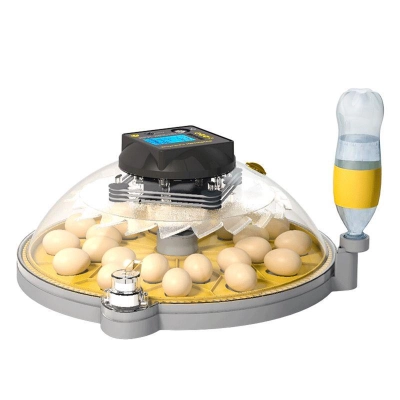
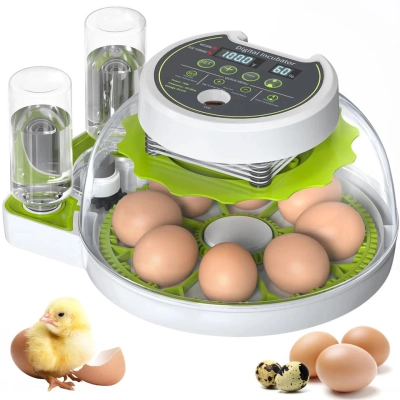
In the more extreme seasons, a stable incubator makes a big difference. A unit with automatic turning, clear viewing windows, and reliable controls such as the automatic egg incubator with stable temperature and turning helps you hold good conditions even when the room outside is less than ideal.
Adapting to Climate and Housing
Cold or Windy Regions
In cold, windy, or high-altitude areas, the room around the incubator can be your biggest enemy. Drafts under doors, thin walls, and unheated sheds all turn a simple hatch into a constant battle with temperature swings.
For these regions, the sweet spot often sits a little later in spring. You wait until frost is less frequent and until you can keep the incubator and brooder in a space that holds a steady base temperature. A clean spare room or a well insulated corner of a barn is usually better than a garage that swings from freezing at night to hot in the afternoon.
Hot and Humid Climates
In hot and humid climates, you face the mirror image problem. The room wants to run hot and sticky even when the incubator is set correctly. Air conditioning can help, but it also changes how quickly eggs lose moisture.
Many keepers in these areas do best if they aim for early spring and late fall hatches. Those windows give you manageable room temperatures, more comfortable brooder conditions, and fewer heat-stress days for young poults. When you do incubate in hotter months, you will spend more time checking vents, adjusting water, and reading thermometers.
Scheduling Around Your Life
Climate is only half the story. Your own schedule matters just as much. You may work long shifts, travel, or juggle kids and chores. Incubation and brooding come with alarms, checks, and quick fixes. Those jobs are much easier to do in a season when you are actually home and alert.
Think about your busy weeks in a year. Tax season, planting or harvest, big work projects, exam periods, and holiday travel all pull time and focus away from the barn. It makes more sense to incubate when you can check the incubator morning and night and still have energy to respond when something looks wrong.
The incubator itself also needs a good home. If you want help choosing a spot that keeps temperature and humidity as steady as possible, you can read our guide to where to place your egg incubator . It shows how room choice and height on the shelf change your day-to-day work.
Core Settings for Hatching Turkey Eggs
Incubation Parameters That Stay the Same
No matter which month you pick, the basic incubation recipe for turkey eggs stays almost the same. Season does not rewrite the biology of the embryo. Your job is to hold a steady, safe environment for 28 days.
|
Stage |
Temperature (°F) |
Humidity (%) |
Notes |
|---|---|---|---|
|
Days 1–24 |
99.5 |
About 55 |
Turn eggs 3–5 times daily, watch air cell growth, and keep fresh air moving. |
|
Days 25–28 (Lockdown) |
99.0 |
About 75 |
Stop turning eggs, raise humidity so membranes stay soft while poults hatch. |
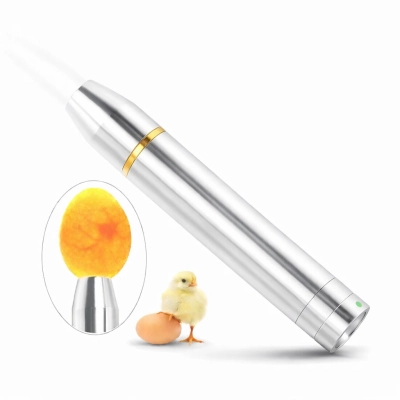
Alongside temperature and humidity, you still handle eggs gently, store them big end up before setting, and avoid long holding times. You also candle eggs during the run to remove clears and early quitters and reduce the risk of rotten eggs in the final week.
How Season Affects Incubation Control
Season affects how hard it is to keep those settings, not what the targets are. In winter, room air is colder and drier, so the heater runs more and water evaporates faster. In summer, warm rooms push the incubator toward the upper limit and humidity may sit higher even before you add water.
You can think of your incubator as a small island that always wants to sit around 99.5°F with moderate humidity. In mild seasons, that island is surrounded by comfortable water. In extremes, waves crash on it all day. A good incubator can handle some waves, but even the best machine has limits.
If you are still choosing equipment and want a machine designed for small flocks, take a look at turkey egg incubators for backyard and small farm use . A stable unit that holds temperature and turns eggs for you makes timing decisions much easier to live with.
Common Timing Mistakes to Avoid
|
Timing Mistake |
Description |
Better Choice |
|---|---|---|
|
Setting eggs in the most extreme hot or cold weeks |
Room temperatures swing a lot, so incubator control and brooder care are harder. |
Shift your hatch a few weeks toward milder weather, or upgrade room and backup power. |
|
Ignoring your own calendar |
Hatch overlaps with travel, exams, planting, or harvest, so checks get rushed or skipped. |
Pick a window when you can look in on the incubator and brooder every day. |
|
Holding eggs too long before setting |
Fertility and embryo strength drop as days pass, even if eggs look fine from the outside. |
Collect for a short, planned period and set promptly once you have a full tray. |
|
Planning only to the hatch date |
Hatch goes well but there is no space, heat, or time ready for the brooder weeks that follow. |
Plan incubation and the first two months of brooding as one project, not two separate jobs. |
Rushing the Wrong Month
The most common mistake is emotional. You see eggs and you want to set them now. If “now” is your coldest or hottest stretch, or the week before a long trip, you are quietly stacking the odds against that batch. The risk rarely feels big at day one. It shows up as weak poults, late nights, and higher losses later.
Pre-Incubation Checklist
A simple checklist before you load the incubator can save you from that feeling that you picked the wrong time. Ask yourself a few blunt questions. Is the room where the incubator sits stable this month? Do I have a brooder space ready for the four to eight weeks after hatch? Do work, school, and family plans leave me at least a little time every day to check on eggs and poults?
When your answers feel solid, your chosen month is probably close enough. When your answers feel shaky, it often pays to wait or slide your plan by a few weeks. Turkey eggs will come again. Your time and energy are limited. Respecting both is part of being a good keeper.
Spring may be the easiest time to raise strong turkey poults, but the real key is a plan that fits your flock, your climate, and your life. Good timing does not guarantee a perfect hatch, yet it quietly raises your odds more than many small tricks you see online.
-
Keep the incubator close to 99.5°F with moderate humidity during most of the run.
-
Raise humidity near hatch so poults can break out without getting stuck.
-
Match your hatch date to your goals, not just to the first day you see eggs.
With steady settings, a clear goal, and honest planning around your season, you give your turkey eggs the best chance to turn into healthy poults and a calm keeper, instead of a panicked midnight scramble.
FAQ
Can you incubate turkey eggs in winter?
Yes, you can incubate turkey eggs in winter, but you need to work harder to control room conditions. Cold air dries out eggs and makes big swings in incubator temperature more likely. If you try a winter hatch, use a stable indoor room, watch humidity closely, and have a backup plan for power cuts.
Is summer too hot for incubating?
High summer can be tough for incubation, especially in small, stuffy rooms. Warm air pushes incubator temperatures up, and humidity may spike after storms. It is not impossible, but you may need stronger ventilation, careful room choice, and more frequent checks to keep eggs safe.
How long before Thanksgiving should you start incubating?
Most meat turkeys need 16–20 weeks to grow after hatch, plus about 28 days in the incubator. A simple rule is to choose your planned butcher week, count back four to five months for growth, then count back another four weeks for incubation. Adjust a little for your climate and whether you keep a faster meat strain or a slower heritage bird.
What equipment helps control temperature and humidity?
A good incubator with a reliable thermostat, fan, and automatic turning makes life easier in every season. Add at least one independent digital thermometer and hygrometer so you can double-check the readings. A simple room thermometer near the machine also helps you see when your house or barn is adding stress to the eggs.


0 Comments