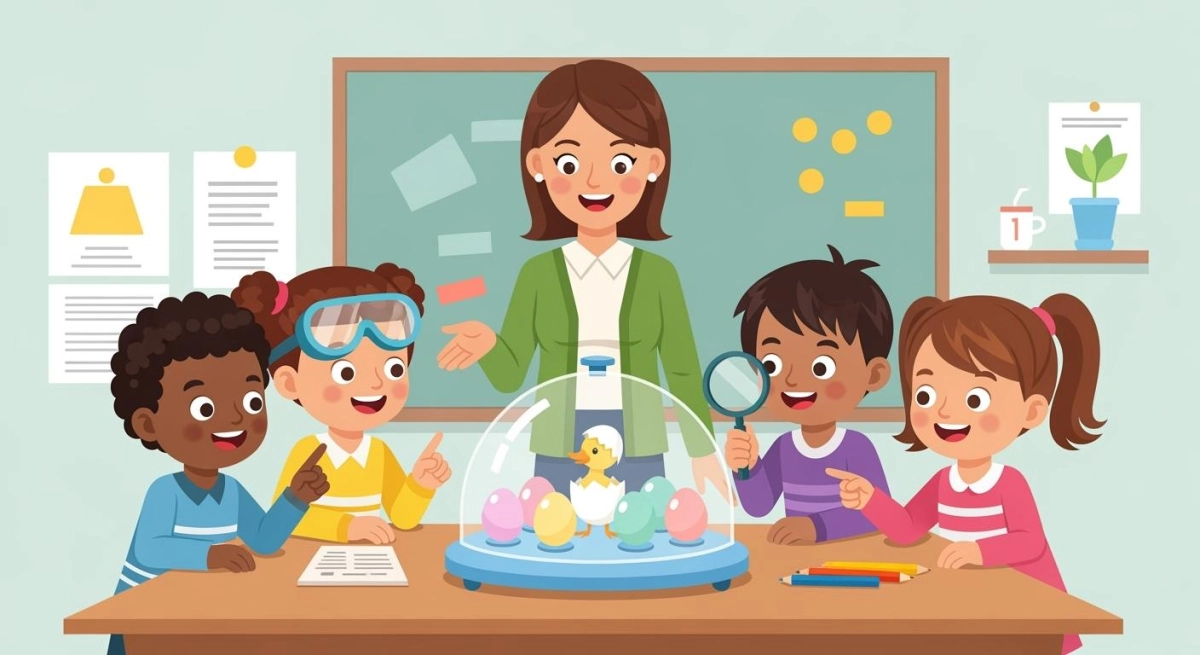
You can create a safe and exciting science project for kids with a Duck Egg Incubator in your classroom. Careful supervision, good cleaning habits, and following clear steps help students learn while staying healthy. Students get more engaged, ask more questions, and remember more when they work with live animals. To keep everyone safe, always supervise animal contact, set up a special viewing area, and make sure students wash their hands after every activity.
Key Takeaways
-
A Duck Egg Incubator project helps students understand science better and become more interested in class. Always supervise students and keep things clean for safety. Remind everyone to wash their hands often. Put the incubator in a safe spot. Keep it away from food and busy areas. Let students help care for the eggs and ducklings. This teaches responsibility and teamwork. Check the temperature and humidity every day. This helps eggs hatch well. Make a plan for where the ducklings will go before you start. This ensures they are cared for properly. Use a clear incubator so students can see inside and watch eggs hatch. Clean the incubator very well after each use to stop germs from spreading.
Is a Duck Egg Incubator Project Right for Your Classroom
Think about your classroom before starting a Duck Egg Incubator project. Use the table below to help you decide. If you say "No" to any important question, you might want to try virtual hatching or work with a local farm instead.
|
Question |
Yes |
No |
|---|---|---|
|
Do you have a safe, stable place for the incubator away from food areas? |
☐ |
☐ |
|
Can you supervise students during all egg and chick activities? |
☐ |
☐ |
|
Is everyone in your class over 5 years old? |
☐ |
☐ |
|
Do you have a plan for where the ducklings will go after hatching? |
☐ |
☐ |
|
Can you commit to daily checks for temperature, humidity, and cleaning? |
☐ |
☐ |
Tip: If you answer "No" to any question, try virtual hatching or farm visits. Safety and planning are the most important parts of the project.
What Students Learn from Hatching
When you hatch eggs in class, students see science happen in real time. They learn more than biology. Students care for living things and work together. They keep records and follow routines. You help them build responsibility and teamwork.
"Besides being a cool science project, students learn responsibility, teamwork, record keeping, and how to care for chicks after they hatch."
Students watch eggs change every day. They see how temperature and humidity affect life. You help them notice details and ask questions about what they observe.
"By watching chick development, students get hands-on experience with biological systems, animal care, and environmental conditions like temperature and humidity that affect life."
Classroom and Schedule Readiness Checklist
Check your classroom and schedule before you begin. Use this checklist to make sure you are ready:
-
Pick a safe spot for the incubator, away from food and busy areas.
-
Make sure you can supervise students during all activities.
-
Check that all students are old enough (over 5 years old).
-
Plan for the ducklings’ homes before you get eggs.
-
Get fertile eggs from local farms or hatcheries.
-
Store eggs in cool, damp places and turn them every day before incubation.
-
Set time for daily checks and record keeping.
-
Do not give ducklings to students as pets.
-
Find good homes for ducklings after hatching.
|
Criteria |
Description |
|---|---|
|
Plan for the Chicks First |
Make sure you have a good home for the chicks before getting eggs. |
|
Source Fertile Eggs Locally |
Get eggs from local farms or hatcheries, not grocery stores. |
|
Don't Help Chicks Hatch |
Do not help chicks hatch so they do not get hurt. |
|
Have a Plan for Chicks Post-Hatching |
Find homes for chicks soon after they hatch. |
|
Do Not Give Chicks to Students |
Do not give chicks to kids as pets for safety. |
|
Find Responsible Homes |
Work with egg suppliers or local groups to find good homes for chicks. |
|
Storage of Eggs |
Keep eggs in cool, damp places and turn them every day before incubation. |
|
Incubation Timeline |
Plan for about 25 days for incubation, plus time to get ready. |
When Not to Hatch in Class
Do not start a Duck Egg Incubator project if:
-
Your students are younger than 5 years old.
-
You cannot watch the project every day.
-
You do not have a safe spot for the incubator.
-
You do not have a plan for ducklings after hatching.
-
Someone in your class has health problems or a weak immune system.
Note: If you have any of these problems, choose virtual hatching or visit a local farm instead. You can still teach students about life cycles and animal care in a safe way.
Duck Egg Incubator Safety and Health Rules
Salmonella and Germ Risks
You need to keep students safe from germs when using a Duck Egg Incubator. Duck eggs and ducklings might have Salmonella or other bacteria. They can carry germs even if they look clean. Salmonella can cause stomach pain, fever, and diarrhea. Kids and people with weak immune systems can get sick more easily.
Tip: Always act as if eggs and ducklings can carry germs.
The CDC offers guidelines for animal projects in schools. Look at the table to see which animals are safer for your class:
|
Animal Type |
Recommendation |
|---|---|
|
Baby chicks and ducks |
Kids under 5 should not touch them to avoid Salmonella. |
|
Reptiles and amphibians |
Kids under 5 should not touch them to avoid Salmonella. |
|
Ferrets |
Kids under 5 should not touch them to avoid bites. |
|
Farm animals |
Only allow if you can keep everything clean. |
|
Owl pellets |
Clean and disinfect after use. Never use near food. |
Never put the Duck Egg Incubator or ducklings near food or eating places. Always wash your hands with soap and water for 20 seconds after touching the incubator, eggs, or ducklings.
Checklist: Preventing Germ Spread
-
Wash hands after touching eggs, the incubator, or ducklings.
-
Keep the incubator away from food and eating areas.
-
Remind students not to touch their faces during activities.
-
Clean and disinfect all surfaces after each session.
-
Do not allow eating or drinking during project activities.
Age and Health Guidelines
Check the age and health of students before starting a Duck Egg Incubator project. Kids under 5 should not touch ducklings or the inside of the incubator. This rule helps reduce the risk from germs like Salmonella.
Most classrooms with children age 6 and up can join in safely. Many schools let students from second grade to sixth grade take part in these projects. Younger children, like those 4–5 years old, can watch but should not touch eggs or ducklings.
Note: Students with weak immune systems or health problems should not handle ducklings or eggs.
Decision Table: Is Hands-On Hatching Safe for Your Class?
|
Question |
Yes |
No |
|---|---|---|
|
Are all students over 5 years old? |
☐ |
☐ |
|
Does anyone have a weak immune system or health concerns? |
☐ |
☐ |
|
Can you supervise all student interactions with the incubator? |
☐ |
☐ |
If you answer "No" to any question, only let students watch. Use videos or virtual hatching to teach about life cycles.
Safe Placement in School
Pick a safe spot for your Duck Egg Incubator. The right location keeps students healthy and protects the incubator.
Checklist: Incubator Placement
-
Put the incubator on a stable table or stand.
-
Keep it away from food, snacks, and lunch areas.
-
Do not put it in direct sunlight or near heaters or air conditioners.
-
Make sure students can see but not bump or unplug the incubator.
-
Do not put the incubator in kitchens or food storage rooms.
Reminder: Always supervise students near the incubator. Never let students use it alone.
A safe setup helps you run a fun, healthy science project. You keep students and ducklings safe by following these placement rules.
Handwashing and Cleaning Routines
You protect your students and yourself from germs by following strong handwashing and cleaning routines. Every time you use the Duck Egg Incubator, you need to make sure everyone washes their hands the right way. Good hand hygiene stops the spread of Salmonella and other germs.
Step-by-Step: How to Wash Hands in Class
-
Wet your hands with clean, running water.
-
Apply soap and lather well. Cover the backs of your hands, between your fingers, and under your nails.
-
Scrub your hands for at least 20 seconds. You can sing the "Happy Birthday" song twice to help students keep time.
-
Rinse your hands well under clean water.
-
Dry your hands with a clean towel or paper towel.
Tip: Teach students to wash hands after touching eggs, the incubator, ducklings, or anything in the hatching area. Research shows that teaching hand hygiene helps students remember to wash well and often.
When Should You Wash Hands?
-
Before and after handling eggs or ducklings
-
After touching the incubator or anything in the hatching area
-
Before eating or preparing food
-
After using the restroom
-
After blowing your nose, coughing, or sneezing
Classroom Cleaning Checklist
|
Task |
Done (✔/✗) |
|---|---|
|
Washed hands after each animal contact |
|
|
Cleaned and disinfected work surfaces |
|
|
Used separate towels for drying hands |
|
|
Reminded students not to touch faces |
|
|
Checked that no food is near incubator |
Decision Table: Are You Following Safe Routines?
|
Question |
Yes |
No |
|---|---|---|
|
Did everyone wash hands after touching eggs or chicks? |
☐ |
☐ |
|
Did you clean all surfaces after each session? |
☐ |
☐ |
|
Did you keep towels and cleaning supplies ready? |
☐ |
☐ |
|
Did you remind students about hand hygiene today? |
☐ |
☐ |
If you answer "No" to any question, review your routines and teach students again. Consistent cleaning and handwashing keep your classroom safe and healthy.
Choosing a Duck Egg Incubator for Class

Capacity and Viewing Features
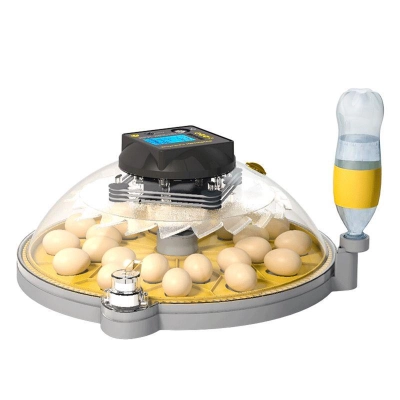
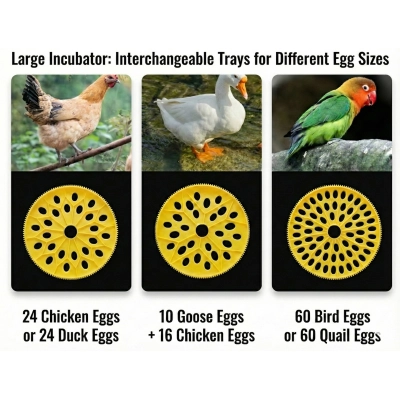
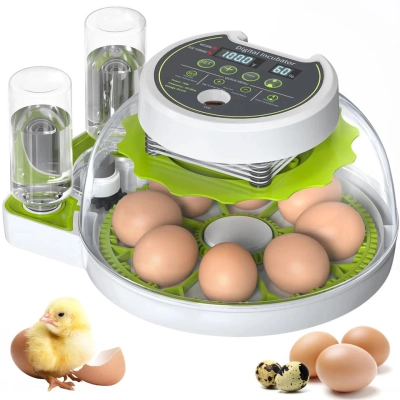
Think about how many eggs you want to hatch. Most classrooms use an incubator that holds 8 to 24 duck eggs. This size lets all students see without crowding around. A clear lid or dome is important for viewing. Students can see the eggs and ducklings as they hatch. This makes the project more engaging and helps everyone learn.
Here is a table with some classroom incubators and their features:
|
Incubator Model |
Egg Capacity (Duck) |
Viewing Feature |
Safety Features |
|---|---|---|---|
|
Egg Incubator Buyers Guide |
7 |
Clear dome for excellent visibility |
Anti-microbial plastic, Temp alarms |
|
Brinsea Maxi II Advanced |
14 |
Clear dome for excellent visibility |
Auto egg turning, Temp alarms |
|
Brinsea Ovation 28 Advance |
28 |
Good visibility of the eggs |
Dual airflow, Temp alarms |

Tip: Pick an incubator with a clear lid so students can watch every step of the process.
Checklist: Capacity and Viewing
-
Holds 8–24 duck eggs
-
Clear lid or dome for easy viewing
-
Safety alarms for temperature
Automatic Turning and Controls
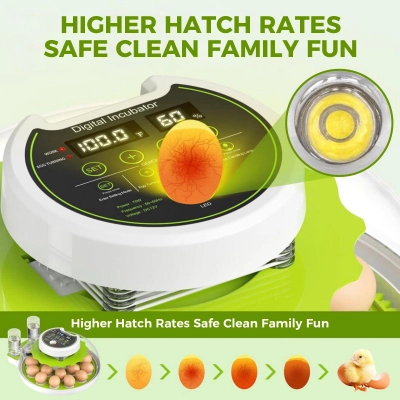
Automatic egg turning helps eggs develop evenly. It turns the eggs many times each day, similar to what a mother duck does. It saves you time and gives each egg consistent care. Digital controls help you set the right temperature and humidity. Some incubators show a countdown to hatch day, which helps you plan your lessons.
|
Incubator Model |
Features |
Capacity |
|---|---|---|
|
Maxi 24 Advance |
Automatic turning, preset temp, digital display, countdown to hatch |
24 standard hen eggs or 12 large |
|
Mini II Advance |
Automatic turning, preset temp, digital display, countdown to hatch |
7 hen eggs or 12 small |
Decision Table: Do You Need Automatic Controls?
|
Question |
Yes |
No |
|---|---|---|
|
Do you want to reduce daily manual turning? |
☐ |
☐ |
|
Do you need easy-to-read digital displays? |
☐ |
☐ |
|
Will students benefit from a countdown timer? |
☐ |
☐ |
If you answer "Yes" to any, choose an incubator with automatic turning and digital controls.
Enclosed Design and Easy Cleaning
A good Duck Egg Incubator should be fully enclosed. This keeps eggs safe and helps control temperature and humidity. It also stops students from touching the eggs. Cleaning is very important. You must clean the incubator after every hatch to stop germs. Look for models with smooth surfaces and parts you can take out and wash.
Checklist: Enclosed Design and Cleaning
-
Fully enclosed to protect eggs
-
Smooth, easy-to-clean surfaces
-
Removable trays or parts for washing
-
No small gaps where dirt can hide
Note: Always clean and disinfect the incubator before and after each project.
Noise and Power Safety
You need to think about noise and power safety before you set up a Duck Egg Incubator in your classroom. Some incubators make sounds when they run. Fans, alarms, and turning motors can create noise. Too much noise can distract students or make it hard to hear lessons. You should check the incubator’s noise level before you buy or rent it.
Step-by-Step: How to Check Noise Safety
-
Plug in the incubator in a quiet room.
-
Listen for fan sounds, alarms, and turning motors.
-
Decide if the noise will bother students during class.
-
If the incubator has alarms, test them. Make sure they are not too loud.
-
If you notice loud or strange sounds, contact the supplier for advice.
Tip: Choose an incubator with quiet fans and gentle alarms. Students focus better in a calm classroom.
Checklist: Noise Safety
-
Incubator runs quietly during lessons.
-
Alarms are not too loud or startling.
-
Students can hear instructions while the incubator is on.
-
No buzzing or rattling sounds from the incubator.
Decision Table: Is the Incubator Quiet Enough?
|
Question |
Yes |
No |
|---|---|---|
|
Can you teach without noise distractions? |
☐ |
☐ |
|
Are alarms gentle and not startling? |
☐ |
☐ |
|
Do students stay focused during operation? |
☐ |
☐ |
If you answer "No" to any question, look for a quieter model or ask the supplier for help.
Power safety is just as important. Incubators need electricity to keep eggs warm. You must place the incubator near a safe outlet. Avoid using extension cords or power strips if possible. Make sure students cannot trip over cords or unplug the incubator by accident.
Step-by-Step: How to Check Power Safety
-
Find a stable table near a wall outlet.
-
Plug the incubator directly into the outlet.
-
Tape down any loose cords to prevent tripping.
-
Check that students cannot reach or unplug the cord.
-
Test the outlet for steady power. Avoid outlets that flicker or spark.
Note: Always check the power cord for damage before each project. Replace damaged cords right away.
Checklist: Power Safety
-
Incubator plugs directly into a wall outlet.
-
Cords are taped down and out of the way.
-
Students cannot unplug or trip over cords.
-
Power cord is in good condition.
-
Outlet provides steady power.
Decision Table: Is the Power Setup Safe?
|
Question |
Yes |
No |
|---|---|---|
|
Is the incubator plugged into a safe outlet? |
☐ |
☐ |
|
Are cords secured and out of student reach? |
☐ |
☐ |
|
Is the power cord free from damage? |
☐ |
☐ |
If you answer "No" to any question, fix the problem before starting your project.
You keep students safe and focused when you choose a quiet, well-placed Duck Egg Incubator and follow these power safety steps.
Duck Egg Incubator Settings and Timeline
Incubation Days and Species
You need to know the right incubation period for duck eggs before you start. Most classroom projects use common duck breeds like Pekin or Mallard types. These eggs take about 28 days to hatch. Mulard ducks need 30–32 days, but their slower development makes them less suitable for classroom timelines. Muscovy ducks need about 35 days and are not recommended for school projects.
Incubation Periods for Duck Eggs:
-
Pekin ducks: 28 days
-
Mulard ducks: 30–32 days
-
Muscovy ducks: 35 days (not for classroom use)
Tip: Choose Pekin or Mallard-type eggs for your Duck Egg Incubator project. Their 28-day timeline fits most school schedules.
Decision Table: Is Your Duck Egg Species Suitable?
|
Question |
Yes |
No |
|---|---|---|
|
Is the duck species Pekin or Mallard type? |
☐ |
☐ |
|
Is the incubation period 28 days? |
☐ |
☐ |
|
Can you finish the project within your term? |
☐ |
☐ |
If you answer "No" to any question, pick a different duck species or adjust your schedule.
Temperature and Humidity Targets
You must set the right temperature and humidity for successful hatching. Stable conditions help duck embryos grow strong. Use a Duck Egg Incubator with a digital display to check these numbers every day.
Checklist: Temperature and Humidity Settings
-
Set temperature to 99.5°F–100°F (37.5°C–37.8°C)
-
Keep humidity at 55–60% for days 1–25
-
Raise humidity to 65–80% for days 26–28 (lockdown period)
-
Check readings twice a day
Humidity Targets by Phase:
-
Days 1–25: 55–60%
-
Days 26–28: 65–80%
Note: Stable temperature and humidity help ducklings develop and hatch safely. Large fluctuations can cause problems.
Decision Table: Are Your Settings Correct?
|
Parameter |
Target Value |
Yes |
No |
|---|---|---|---|
|
Temperature |
99.5°F–100°F |
☐ |
☐ |
|
Humidity (1–25) |
55–60% |
☐ |
☐ |
|
Humidity (26–28) |
65–80% |
☐ |
☐ |
If you answer "No" to any, adjust your incubator settings and check again.
Turning Schedule and Lockdown
Turning eggs helps embryos grow evenly. You need to turn duck eggs 5–7 times each day from day 1 to day 25. Automatic turning makes this easy. If you turn eggs by hand, use a simple schedule:
Sample Turning Times:
-
6 am
-
10 am
-
2 pm
-
6 pm
-
10 pm
Tip: Mark one side of each egg with a pencil. This helps you remember which eggs you have turned.
Checklist: Egg Turning Routine
-
Turn eggs 5–7 times daily (days 1–25)
-
Use automatic turning if possible
-
Stop turning eggs at day 25
-
Lay eggs flat for lockdown
Lockdown starts on day 25. You stop turning eggs and raise humidity. Keep the incubator closed. This helps ducklings hatch without drying out.
Lockdown Rules:
-
Stop turning eggs at day 25
-
Increase humidity to 65–80%
-
Do not open the incubator until hatching is complete
Decision Table: Are You Ready for Lockdown?
|
Question |
Yes |
No |
|---|---|---|
|
Have you stopped turning eggs at day 25? |
☐ |
☐ |
|
Is humidity raised to 65–80%? |
☐ |
☐ |
|
Is the incubator closed and undisturbed? |
☐ |
☐ |
If you answer "No" to any, review your lockdown steps before hatch day.
Following these steps helps you create a safe and successful Duck Egg Incubator project in your classroom.
Weight Loss and Air Cell
You can use weight loss and air cell size to check if your duck eggs are developing well. These two signs help you know if the humidity and airflow in your Duck Egg Incubator are set correctly. If you follow these steps, you give your ducklings the best chance to hatch strong and healthy.
Step-by-Step: How to Monitor Egg Weight Loss
-
Weigh each egg before you place it in the incubator. Write down the starting weight.
-
Mark the air cell on each egg with a pencil at the start.
-
Weigh the eggs again at day 18 and day 25. Compare the new weight to the starting weight.
-
Calculate the percentage of weight lost. By day 18, eggs should lose about 11–12% of their starting weight. By day 25, aim for 13–14% total loss.
-
If the eggs lose too little weight, lower the humidity or increase airflow. If they lose too much, raise the humidity or reduce airflow.
Tip: Use a simple chart to track weights and dates. This helps you spot problems early.
Checklist: Egg Weight Loss Targets
-
Recorded starting weight for each egg
-
Weighed eggs at day 18 (target: 11–12% loss)
-
Weighed eggs at day 25 (target: 13–14% loss)
-
Adjusted humidity or airflow if needed
Step-by-Step: How to Check Air Cell Size
-
Candle the eggs once a week in a dark room.
-
Trace the outline of the air cell with a pencil.
-
Compare the air cell size to a guide or chart.
-
A small air cell means humidity is too high. A large air cell means humidity is too low.
-
Adjust humidity settings if the air cell is not the right size.
Note: The air cell should fill about one-third of the egg by hatch day.
Decision Table: Are Your Eggs on Track?
|
Checkpoint |
Target Value |
Yes |
No |
|---|---|---|---|
|
Weight loss by day 18 |
11–12% |
☐ |
☐ |
|
Weight loss by day 25 |
13–14% |
☐ |
☐ |
|
Air cell size at lockdown |
About 1/3 of egg length |
☐ |
☐ |
If you answer "No" to any checkpoint, review your humidity and airflow settings. Make changes right away to help your ducklings develop.
Why Weight Loss and Air Cell Matter
Eggs lose water as they incubate. This water loss creates the air cell inside the egg. The air cell gives the duckling space to breathe before it hatches. If the air cell is too small or too large, the duckling may have trouble hatching. You can help by checking these signs and making small changes to your Duck Egg Incubator.
🦆 Keeping good records and checking your eggs often helps you catch problems early. You give your students a real lesson in science and animal care.
Classroom Setup: Day 0 to Hatch
Pre-Hatch: Egg Selection and Storage
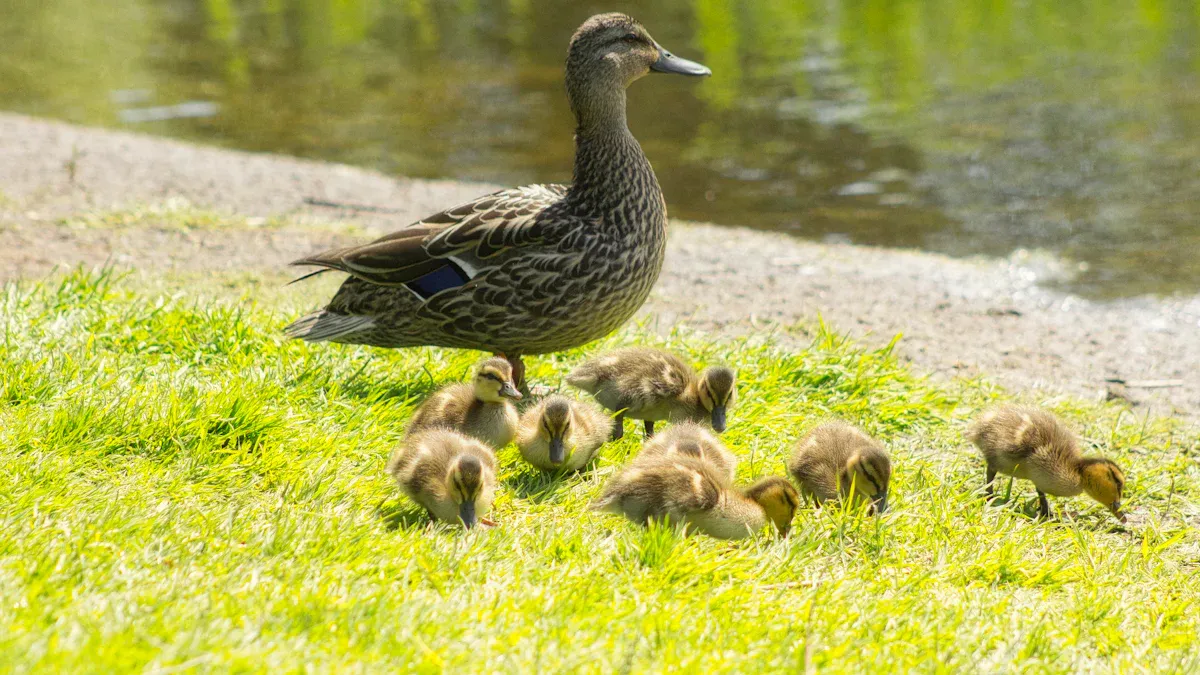
You start your project by choosing and storing eggs the right way. Pick eggs that look normal in size, shape, and color. Avoid eggs with cracks, dirt, or odd shapes. Place each egg with the large end up. This helps the air cell form correctly.
Store eggs in a cool spot. Keep the temperature close to 55°F and humidity around 75%. Do not keep eggs for more than ten days before starting incubation. If you store eggs for more than a week, gently tilt or rock them once a day. This keeps the inside from sticking to the shell.
|
Best Practice |
Description |
|---|---|
|
Egg Selection |
Choose eggs with normal size, shape, and clean shells. |
|
Packing |
Store with large end up. |
|
Storage Duration |
Use eggs within 10 days for best results. |
|
Temperature Control |
Keep eggs at 55°F, avoid sudden changes. |
|
Egg Movement |
Tilt eggs daily if stored over a week. |
|
Sweating Prevention |
Avoid quick temperature increases. |
Tip: Always check eggs before setting them in the Duck Egg Incubator. Remove any eggs that look damaged or dirty.
Decision Table: Are Your Eggs Ready for Incubation?
|
Question |
Yes |
No |
|---|---|---|
|
Are all eggs clean and normal in shape? |
☐ |
☐ |
|
Have eggs been stored at 55°F, 75% RH? |
☐ |
☐ |
|
Have eggs been stored less than 10 days? |
☐ |
☐ |
If you answer "No" to any, select new eggs or adjust your storage method.
Days 1–21: Daily Checks and Observation
You need to check your Duck Egg Incubator every day. Use a daily duty card to help students and teachers remember their tasks.
Daily Duty Card Checklist
|
Task |
Who Does It? |
Done (✔/✗) |
|---|---|---|
|
Check temperature |
Teacher |
|
|
Check humidity |
Teacher |
|
|
Add water to tray |
Teacher |
|
|
Observe eggs |
Students |
|
|
Record data in log |
Students |
|
|
Candling (days 7 & 14) |
Teacher |
|
|
Monitor air cell size |
Teacher |
-
Check temperature and humidity twice a day. Use a digital thermometer and hygrometer. Write the numbers in your log.
-
Look at the water tray every morning and evening. Add warm, clean water if needed. Only adults should open the incubator or add water.
-
Students can watch the eggs and write down what they see. They can record changes in the logbook.
-
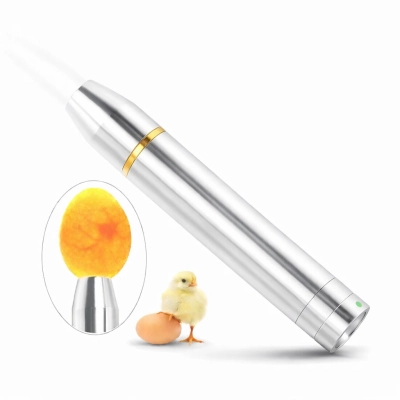
Candle eggs on days 7 and 14. Use a bright light in a dark room. Only teachers should handle candling.
-
Watch the air cell size during candling. Adjust humidity if the air cell looks too small or too large.
Decision Table: Are Daily Checks Complete?
|
Question |
Yes |
No |
|---|---|---|
|
Did you record temperature and humidity today? |
☐ |
☐ |
|
Did you check and refill the water tray? |
☐ |
☐ |
|
Did students observe and record data? |
☐ |
☐ |
|
Did you candle eggs on schedule? |
☐ |
☐ |
If you answer "No" to any, review your daily routine and make changes.
Days 22–25: Lockdown and Final Prep
Lockdown is the last step before hatching. You stop turning the eggs three days before hatch day. Lay eggs flat so ducklings can position themselves.
|
Procedure |
Description |
|---|---|
|
Stop turning eggs |
Lay eggs flat and do not turn them after day 25. |
|
Monitor temperature/humidity |
Keep levels stable. Do not open the incubator. |
|
Do not open incubator |
Avoid opening one day before hatching. |
|
Wait for hatching |
Do not touch the incubator until all ducklings hatch. |
-
Teachers should check temperature and humidity but avoid opening the incubator.
-
Students can observe from outside and record notes.
-
If hatching starts, wait until all ducklings finish before opening.
Decision Table: Is Lockdown Ready?
|
Question |
Yes |
No |
|---|---|---|
|
Have you stopped turning eggs? |
☐ |
☐ |
|
Is temperature and humidity stable? |
☐ |
☐ |
|
Is the incubator closed and undisturbed? |
☐ |
☐ |
If you answer "No" to any, review your lockdown steps and make sure everything is set.
🦆 Careful setup and daily checks help you create a safe and successful classroom hatching project.
Hatch Day: Student Roles and Safety
Hatch day is the most exciting part of your classroom project. You and your students will see ducklings break out of their shells. Careful planning and clear rules help everyone stay safe and enjoy the experience.
Step-by-Step: What Happens on Hatch Day
-
Watch for signs of hatching. Ducklings may peep or move inside the eggs.
-
Keep the Duck Egg Incubator closed. Opening it can lower humidity and make hatching harder for the ducklings.
-
Wait until most ducklings have hatched before opening the incubator. This protects the last eggs from drying out.
-
Prepare a warm brooder box before hatch day. Set it up with clean bedding, water, and a heat lamp.
Student Roles on Hatch Day
You can give students important jobs while keeping safety first. Supervise all activities closely.
-
Count the number of ducklings that hatch.
-
Check that the brooder has fresh water and clean bedding.
-
Record the time each duckling hatches in the class log.
-
Observe and describe duckling behavior from outside the incubator.
-
Remind classmates to wash hands before and after any activity near the ducklings.
-
Help clean up the area around the incubator (no direct contact with ducklings for students under 5).
Tip: Students should never help ducklings out of their shells. Let nature take its course.
Safety Checklist for Hatch Day
|
Task |
Done (✔/✗) |
|---|---|
|
Brooder box set up and ready |
|
|
Students reminded about handwashing |
|
|
No food or drinks near the incubator |
|
|
All activities supervised by an adult |
|
|
Students only observe, do not handle eggs |
|
|
Area cleaned after activities |
Decision Table: Are You Ready for Hatch Day?
|
Question |
Yes |
No |
|---|---|---|
|
Is the brooder box warm and prepared? |
☐ |
☐ |
|
Have you reviewed handwashing rules with students? |
☐ |
☐ |
|
Will you supervise all student activities? |
☐ |
☐ |
|
Are students clear about their roles and safety rules? |
☐ |
☐ |
If you answer "No" to any question, pause and review your setup before starting hatch day activities.
🦆 Hatch day teaches students about patience, observation, and animal care. You help them learn safely by setting clear rules and modeling good hygiene.
Cleaning and Rehoming Ducklings
Moving to Brooder and Planning Homes
After ducklings hatch, you need to move them quickly to a brooder. This space keeps them warm and safe. You set up the brooder before hatch day. Place it away from drafts and food areas. Use a heat lamp, clean bedding, and shallow dishes for food and water. Ducklings need warmth, dryness, and easy access to water.
Checklist: Brooder Setup
-
Warm, dry area with no drafts
-
Heat lamp or safe heat source
-
Clean bedding (paper towels or straw)
-
Shallow water and food dishes
You must plan for the ducklings’ future. Involve students in finding good homes. Talk about animal care and responsibility. If you cannot find homes, use this as a teaching moment. Explain why living things deserve respect and proper planning.
Decision Table: Are You Ready to Move Ducklings?
|
Question |
Yes |
No |
|---|---|---|
|
Is the brooder warm and set up? |
☐ |
☐ |
|
Are food and water ready? |
☐ |
☐ |
|
Have you planned for ethical rehoming? |
☐ |
☐ |
|
Did you discuss responsibility with students? |
☐ |
☐ |
If you answer "No" to any, pause and fix the issue before moving ducklings.
Deep Cleaning the Incubator
You must clean the Duck Egg Incubator after every hatch. This keeps germs away and prepares it for future use. Never clean incubator parts in food areas.
Step-by-Step: Deep Cleaning Guide
-
Unplug the incubator and let it cool to room temperature.
-
Disassemble all removable parts, such as trays and egg turners.
-
Soak trays in hot, soapy water for 30 minutes.
-
Scrub the base with dish soap and a sponge. Use a toothbrush for small spaces.
-
Rinse all parts with clean water.
-
Wipe down the top, avoiding electrical parts.
-
Use disinfectant wipes or a household hydrogen peroxide spray for extra disinfection.
-
Dry all parts completely before reassembling.
Cleaning Supplies List
-
Mild dish soap
-
Soft sponge reserved for incubator cleaning
-
Old toothbrush
-
Disinfectant wipes
-
Household hydrogen peroxide
-
Spray bottle
Decision Table: Is the Incubator Clean?
|
Task |
Yes |
No |
|---|---|---|
|
All parts soaked and scrubbed? |
☐ |
☐ |
|
Disinfected with safe cleaner? |
☐ |
☐ |
|
No cleaning in food areas? |
☐ |
☐ |
|
Fully dry before storage? |
☐ |
☐ |
If you answer "No" to any, repeat the cleaning steps.
Teaching Responsibility After Hatching
You help students learn about responsibility by involving them in every step. Ask students to brainstorm ways to find good homes for ducklings. Discuss what animals need to stay healthy. Praise students for making careful choices, even if that means not hatching eggs in the future.
Ways to Teach Responsibility
-
Involve students in planning for ducklings’ future homes
-
Teach proper care and brooder setup
-
Encourage students to think about animal needs
-
Use project closure to reflect on lessons learned
Decision Table: Did You Teach Responsibility?
|
Question |
Yes |
No |
|---|---|---|
|
Did students help plan for rehoming? |
☐ |
☐ |
|
Did you discuss animal care and needs? |
☐ |
☐ |
|
Did you praise responsible decisions? |
☐ |
☐ |
|
Did you reflect on the project with students? |
☐ |
☐ |
If you answer "No" to any, review your teaching approach and add more discussion.
🦆 You give students a real lesson in science and responsibility when you care for ducklings and clean up after the project.
Quick Reference for Duck Egg Incubator Projects
One-Page Parameters and Timeline
A one-page quick reference helps you stay organized. The table below lists the main steps and safety rules for your Duck Egg Incubator project. Check each step every day to make sure you are on track.
|
Key Step or Rule |
Details and Actions |
Yes |
No |
|---|---|---|---|
|
Select healthy eggs |
Choose clean, normal eggs from a trusted source |
☐ |
☐ |
|
Store eggs correctly |
Keep eggs at 55°F, 75% humidity, large end up |
☐ |
☐ |
|
Limit storage time |
Use eggs within 10 days for best results |
☐ |
☐ |
|
Position eggs in incubator |
Place eggs with large end up, slightly tilted |
☐ |
☐ |
|
Turn eggs regularly |
Turn eggs 5–7 times daily until day 25 |
☐ |
☐ |
|
Monitor temperature |
Keep at 99.5°F, check twice daily |
☐ |
☐ |
|
Monitor humidity |
55–60% days 1–25, 65–80% days 26–28 |
☐ |
☐ |
|
Candle eggs |
Check embryo growth on days 7 and 14 |
☐ |
☐ |
|
Record daily data |
Log temperature, humidity, turning, and observations |
☐ |
☐ |
|
Prepare for hatch |
Stop turning at day 25, increase humidity, lockdown |
☐ |
☐ |
|
Move ducklings to brooder |
Transfer to warm brooder after hatching |
☐ |
☐ |
|
Clean incubator |
Disinfect all parts after each batch |
☐ |
☐ |
📝 Use this table to help you remember what to do each day. Mark Yes or No for each step to see how you are doing.
Safety Checklist for Class
You keep everyone safe by using a safety checklist. Go over each item before you start and while you work on your project.
|
Safety Item |
Description |
Yes |
No |
|---|---|---|---|
|
Clean gear |
Disinfect incubator and tools before each batch |
☐ |
☐ |
|
Stabilize settings |
Pre-run incubator to stabilize temperature and humidity |
☐ |
☐ |
|
Choose eggs safely |
Use only fertile eggs from reputable sources |
☐ |
☐ |
|
Hygiene routines |
Remind students to wash hands after every activity |
☐ |
☐ |
|
No food nearby |
Keep incubator and ducklings away from food areas |
☐ |
☐ |
|
Log cleanup |
Record cleaning and disinfection in project notes |
☐ |
☐ |
|
Supervise students |
Watch all student interactions with eggs and ducklings |
☐ |
☐ |
🚦 If you mark No for any item, stop and fix the problem before you go on.
Communication and Record Log
A simple log helps you share news with parents and school staff. Use this template to keep track of your project and send updates.
#### Duck Egg Incubator Project Log

**Project Start Date:**
**Egg Source:**
**Number of Eggs Set:**
**Incubator Temperature:**
**Incubator Humidity:**
**Daily Checks Completed:**
**Candling Dates:**
**Hatch Date:**
**Number of Ducklings Hatched:**
**Brooder Setup Date:**
**Cleaning Completed:**
**Duckling Rehoming Plan:**
**Parent Communication Sent:**
**Notes:**
- [ ] All safety rules followed
- [ ] All students reminded about hygiene
- [ ] No food near incubator
📢 Send news to parents at important times, like when you set eggs, candle, hatch, and rehome ducklings. Use the log to write down big events and safety checks.
These quick reference tools help you keep your Duck Egg Incubator project safe, neat, and fun for everyone.
You can make your classroom project safe and fun with a Duck Egg Incubator. Follow simple steps to keep everyone healthy. Plan where ducklings will live before you start. Get students involved in each part of the project. This helps them learn how to care for animals and be responsible. Use this table to see if you are ready:
|
Rule |
Description |
|---|---|
|
1 |
Make sure you have homes for ducklings before you begin. |
|
2 |
Let students join in every step, even finding new homes. |
Focus on safety and enjoy learning together with your class.
FAQ
How do you know if your duck eggs are fertile?
You can candle the eggs on day 7. Look for visible veins or a dark spot inside. If you see only a clear egg, it is likely not fertile.
What should you do if the incubator temperature drops?
Check the power and settings right away. If the drop lasts less than an hour, most eggs will be fine. Record the event in your log. Use this table to decide:
|
Duration |
Action Needed? |
|---|---|
|
Under 1 hour |
No |
|
Over 1 hour |
Yes (monitor closely) |
Can students touch the ducklings after hatching?
Students over 5 years old may observe ducklings with supervision. Remind everyone to wash hands for 20 seconds after any contact. Students under 5 should not touch ducklings.
🧼 Always use handwashing after animal contact.
What if no ducklings hatch?
Check your records for temperature, humidity, and turning. Review your egg source and storage. Use this checklist:
-
Were eggs fertile?
-
Was temperature stable?
-
Did you turn eggs daily?
-
Was humidity correct?
If you answer "No" to any, adjust for next time.
How often should you clean the incubator?
Clean and disinfect the incubator before and after each project. Never clean it in food areas. Dry all parts completely before storing.
Can you open the incubator during hatching?
Do not open the incubator during lockdown (days 25–28). Opening lowers humidity and can harm ducklings. Only open after most ducklings have hatched.
|
Question |
Yes |
No |
|---|---|---|
|
Is hatching finished? |
☐ |
☐ |
Open only if you check "Yes".
What should you feed ducklings after hatching?
Feed ducklings starter feed made for waterfowl or non-medicated chick starter. Provide clean, shallow water. Change water daily.
Can you reuse eggs that did not hatch?
Do not reuse unhatched eggs. Remove and dispose of them safely. Clean the incubator before starting a new batch.
Data authenticity note: The safety practices, incubation parameters, and classroom checklists in this guide are drawn from widely used school animal-project recommendations, poultry incubation equipment manuals, industry practice, and aggregated logs from classroom hatching projects rather than from any single study or brand.

0 Comments